For most tender annual flowers in Fort Wayne, the safest planting window is early to mid-May, after the danger of frost has eased and the 10-day forecast looks settled. Cold-tolerant flowers can go into the ground earlier, while perennials are usually best planted in spring or early fall. Spring-flowering bulbs such as tulips and daffodils belong in the ground during fall.
The right date depends on the flower, not just the calendar. Pansies tolerate chilly nights that can injure impatiens or zinnias, and a container-grown perennial has different needs from a dormant bulb. Use this Fort Wayne planting guide to choose the right window for each part of your landscape.
What is the safest spring planting date in Fort Wayne?
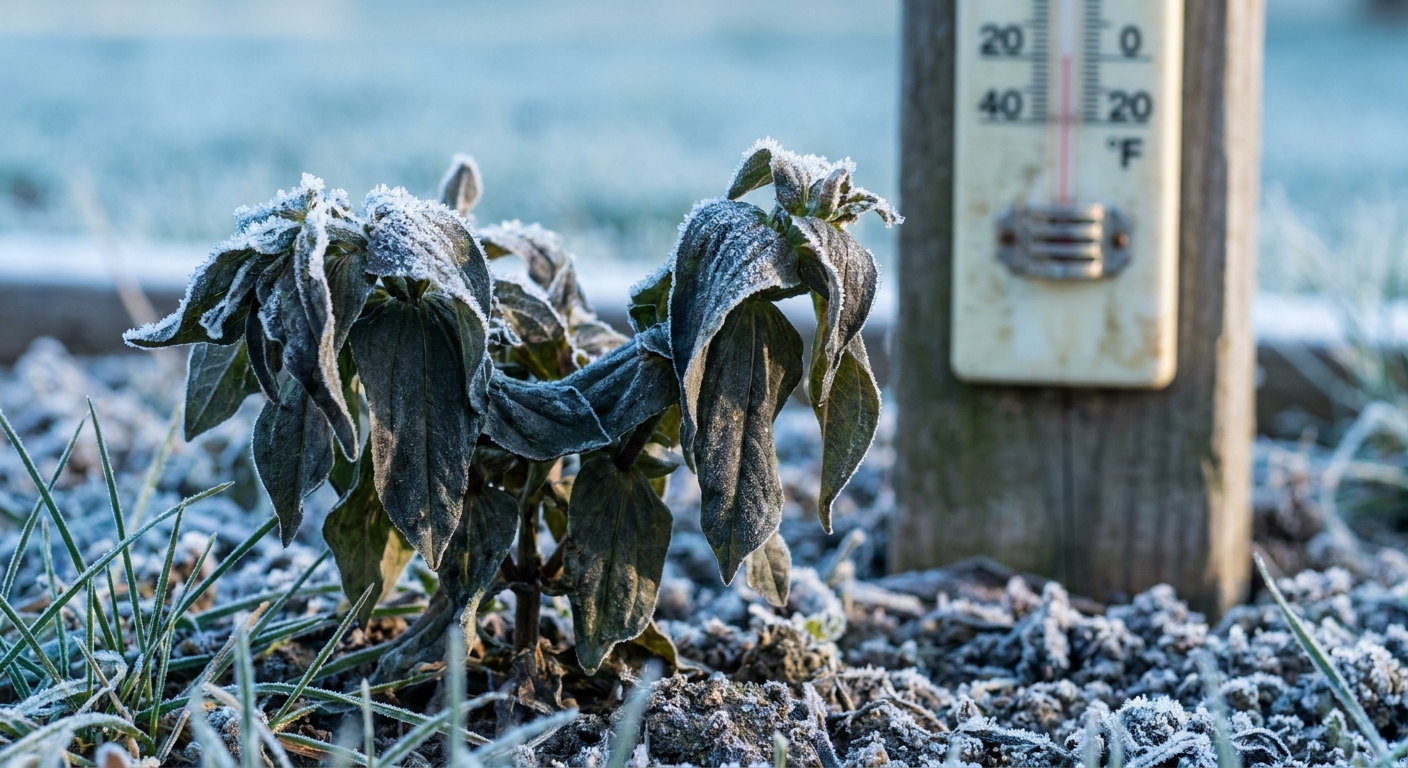
National Weather Service freeze data for Fort Wayne places the average last 32-degree freeze around April 25, but an average is not a guarantee. Freezing temperatures have occurred later in some years, and low areas of a yard can run colder than nearby raised beds.
For frost-sensitive annuals, Mother's Day is a practical local checkpoint rather than a promise. Check the extended forecast before planting, especially if nighttime lows are approaching the upper 30s. If you want dependable color without repeatedly covering or replacing plants, waiting until early to mid-May is usually the better choice.
Which flowers can be planted before the last frost?
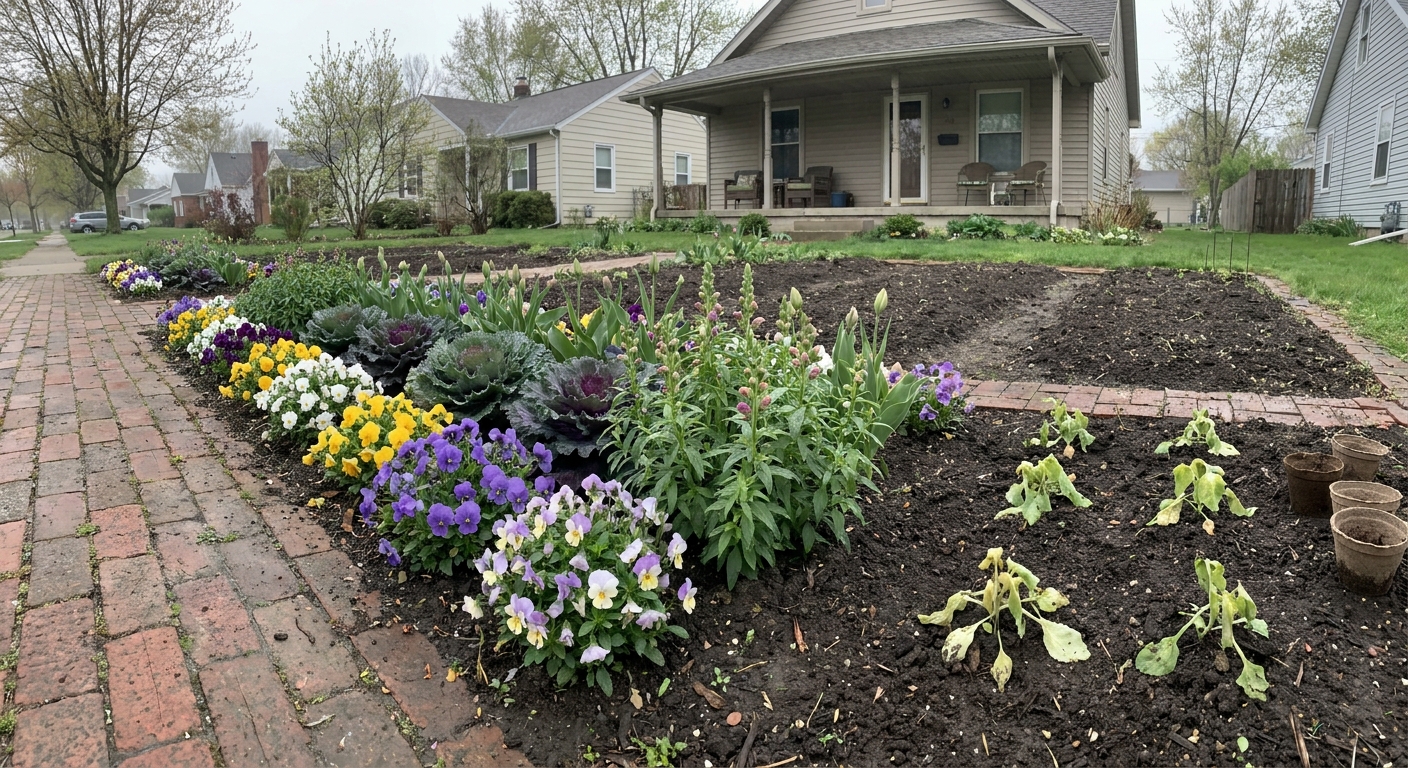
Cold-tolerant flowers can handle cool soil and an occasional light frost better than summer annuals. Purdue Extension classifies flowers by frost resistance, which makes an early-spring display possible when the right plants are selected.
- Very hardy choices: pansies, violets, primrose, and ornamental cabbage can often be planted as soon as the bed is workable.
- Frost-tolerant choices: snapdragons, dianthus, sweet alyssum, calendula, and stock can usually go out before tender annuals.
- Protect new transplants: harden greenhouse-grown plants gradually, watch overnight forecasts, and cover them when an unexpected frost is possible.
Do not work a flower bed while Fort Wayne's clay-heavy soil is saturated. Squeezing wet soil compacts it and creates hard clods that make root growth more difficult. Wait until a handful crumbles instead of forming a sticky ball.
When should you plant tender annual flowers?
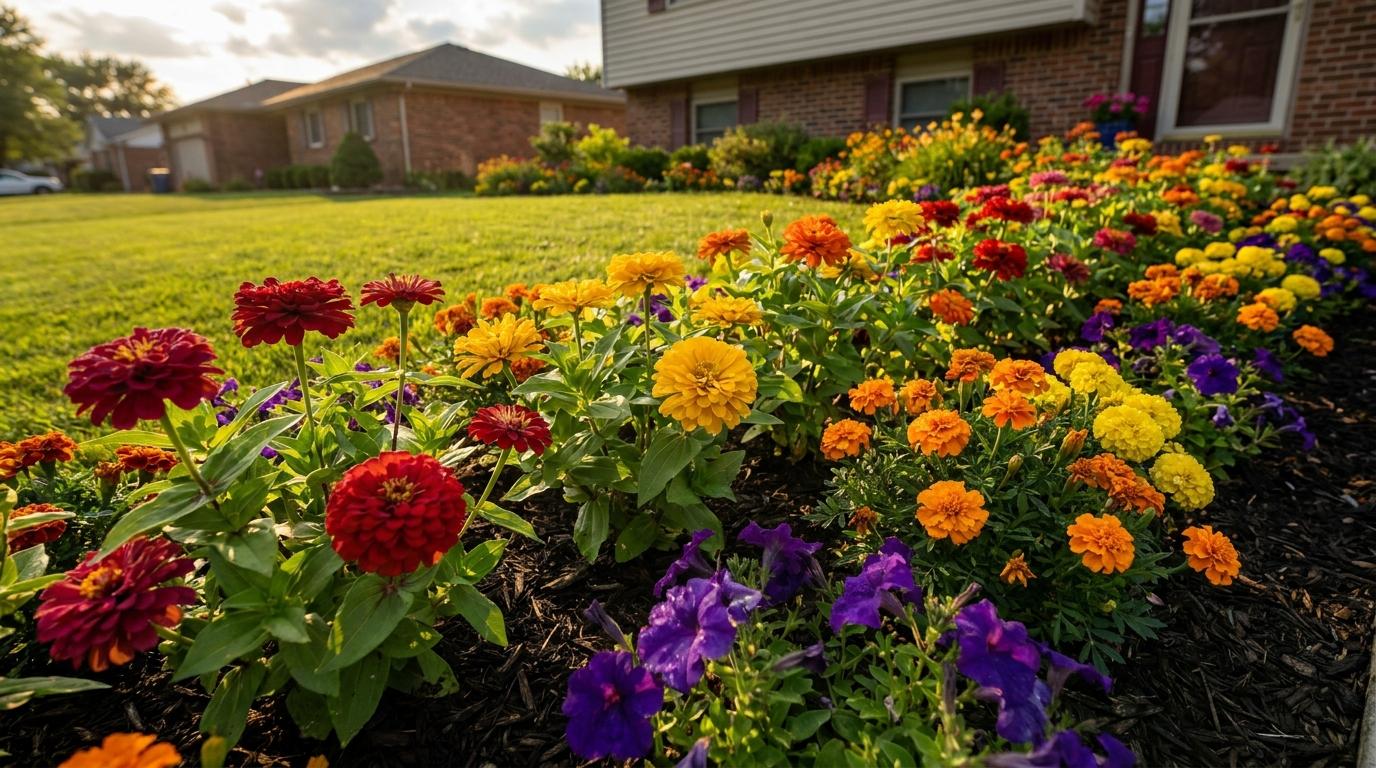
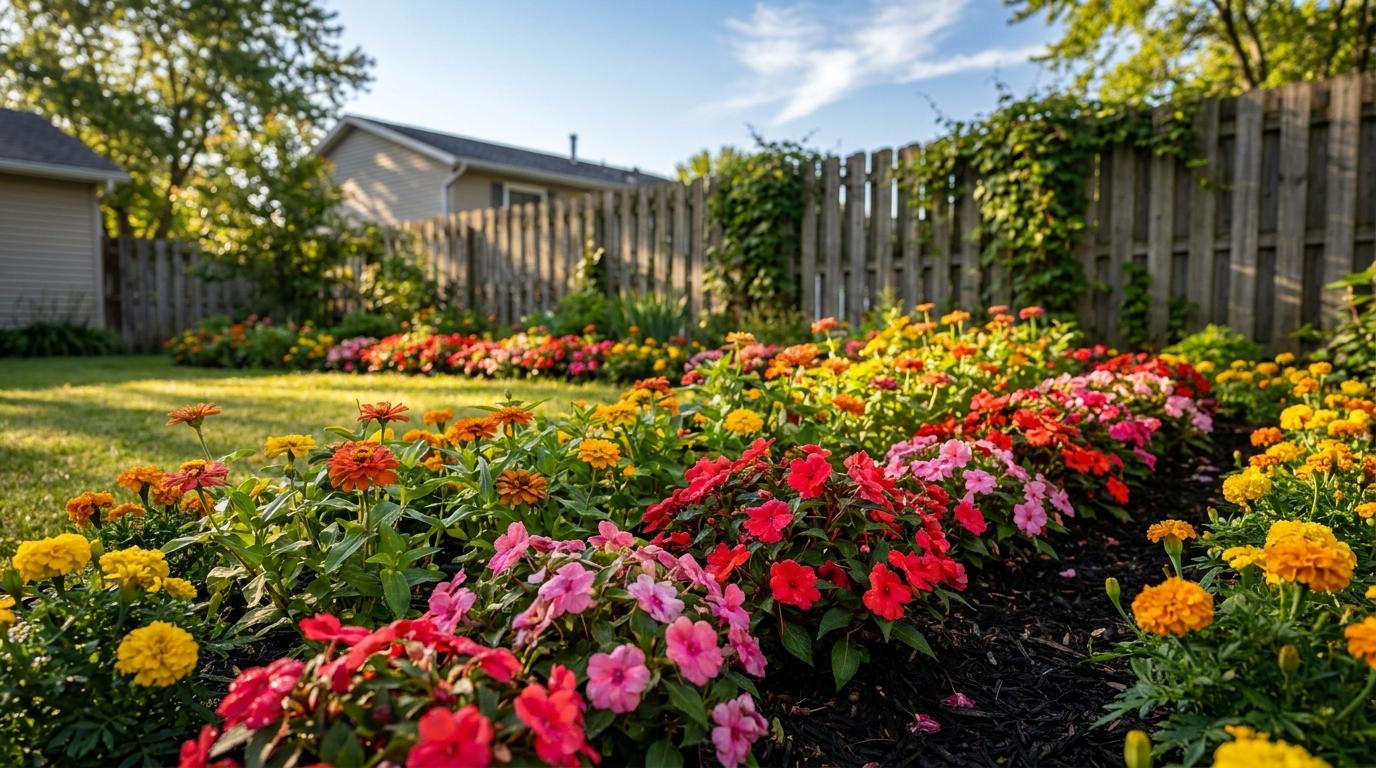
Plant tender annuals after frost danger has passed. Petunias, asters, scabiosa, and statice can be damaged by frost, while warm-loving flowers such as begonias, impatiens, marigolds, vinca, salvia, and zinnias establish better after the soil and nights have warmed.
A good Fort Wayne sequence is to plant tender annuals around early to mid-May, then wait another week or two for the most heat-loving varieties if the weather remains cold and wet. Garden centers may display summer flowers during an early warm spell, but availability does not mean your property is frost-free.
Fort Wayne planting rule: match the flower to the forecast. Hardy flowers can start the season; tender annuals should wait until frost risk has passed; warm-loving flowers perform best once the soil and nights are consistently warmer.
When is the best time to plant perennials?
Spring and early fall are the most dependable times to plant perennials in Northeast Indiana. Spring gives roots a full growing season to develop. Early fall offers cooler air and often steadier moisture, but plants should go in early enough to establish roots before the ground freezes.
Container-grown perennials can be planted during summer when necessary, but heat increases transplant stress and watering needs. Avoid planting during a heat wave, water the root zone deeply, and add mulch without piling it against the crown. For plant ideas that return each year, see our guide to the best perennials for Fort Wayne gardens.
When should spring-flowering bulbs be planted?
Plant tulips, daffodils, crocuses, hyacinths, and alliums in fall so they receive the cold period needed for spring bloom. In the Fort Wayne area, late September through mid-October is often an excellent window, after nights cool but before the ground freezes.
Wait until nighttime temperatures are consistently around 40 to 50 degrees, plant bulbs at the depth recommended for that variety, and place the pointed end upward. Water after planting. Fall bulb planting is one of the easiest ways to build spring color into a landscape before annual-planting season begins.
Can you plant flowers during summer?
Yes, but summer is less forgiving. Newly installed plants lose moisture quickly, and roots have not yet spread into the surrounding soil. If a summer project cannot wait, plant in the morning or on a cloudy day, avoid the hottest week in the forecast, and water the entire root ball immediately.
Continue checking soil moisture during the first several weeks. A deep watering that reaches the root zone is more useful than briefly wetting the leaves. Annuals can still provide color through summer, while perennials need enough time and care to establish before winter.
How should you prepare a flower bed before planting?
Good timing cannot overcome a poorly prepared site. Match each flower to the bed's sunlight, correct drainage problems, and improve the soil across the planting area rather than treating only one small hole.
- Check sunlight. Track how many hours of direct sun the bed receives before buying plants.
- Wait for workable soil. Do not dig or till wet clay.
- Loosen the bed. Break compaction across the planting area so roots can move beyond the original pot.
- Add organic matter where needed. Incorporate compost evenly instead of creating a soft pocket surrounded by dense clay.
- Plant at the correct depth. Keep the top of the root ball level with the surrounding soil unless the plant label says otherwise.
- Water and mulch. Settle the soil with water, then add a modest mulch layer while leaving space around stems and crowns.
Our spring garden-bed preparation guide explains the process in more detail. Minnick Lawn & Landscaping can also handle landscape design and flower-bed installation and provide mulch delivery and installation for Fort Wayne properties.
Fort Wayne flower planting calendar at a glance
- March to April: prepare beds and plant very hardy or frost-tolerant flowers when soil conditions allow.
- Early to mid-May: plant most tender annuals after checking the forecast and frost risk.
- Mid- to late May: install warm-loving annuals once nights and soil are consistently warmer.
- Spring or early fall: plant most container-grown perennials during mild weather.
- Late September to mid-October: plant spring-flowering bulbs before the ground freezes.
Plan the Right Flowers for the Right Time
Minnick Lawn & Landscaping designs, prepares, and installs flower beds for Fort Wayne and Northeast Indiana homes. We can match annuals, perennials, and bulbs to your property's sun, soil, drainage, and seasonal goals.
Request a free landscaping quote and let our team create a planting plan that keeps your property colorful from early spring through fall.