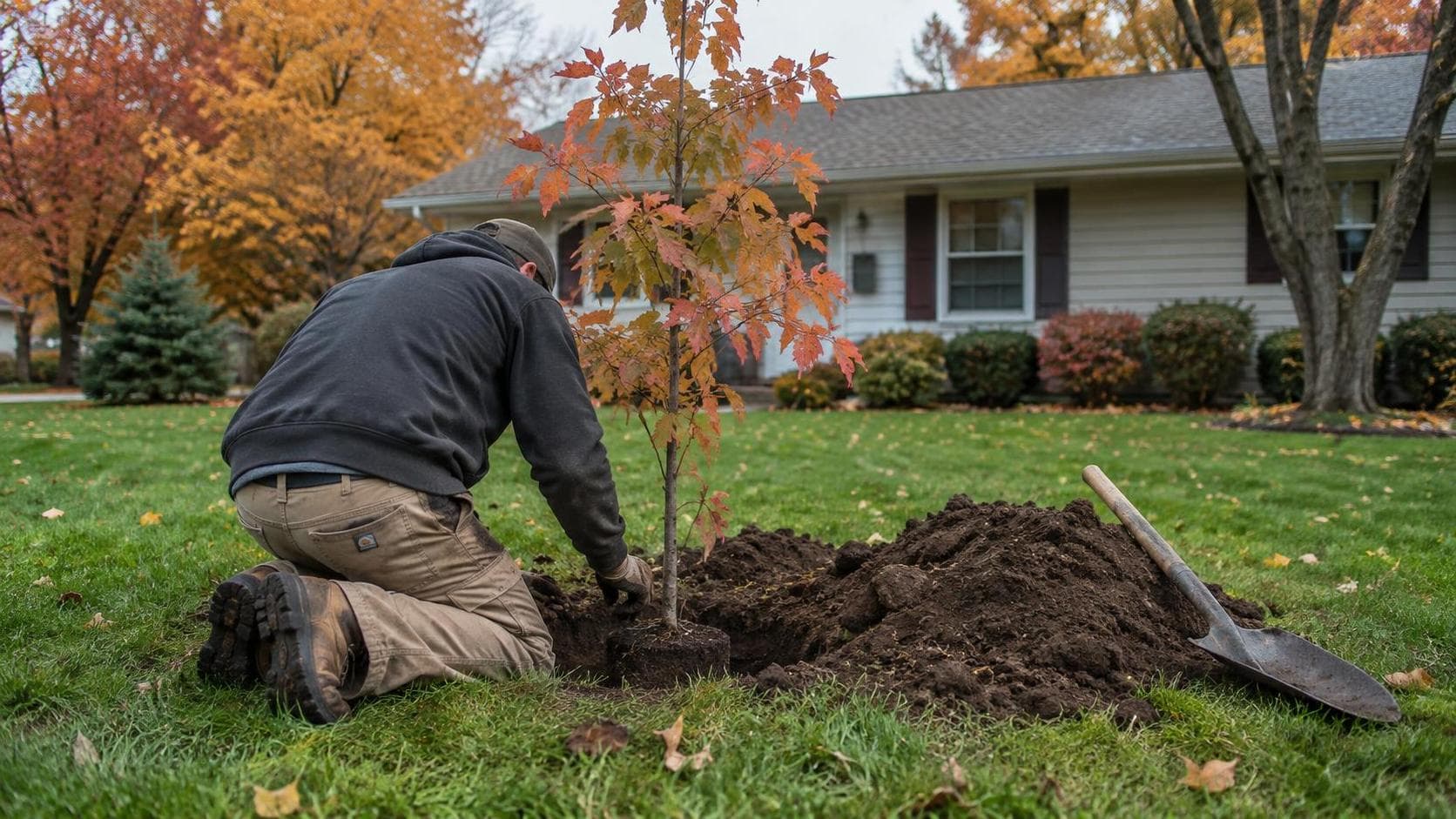
Fall is the best season to plant trees and shrubs in Fort Wayne, because cooling air paired with still-warm soil lets new roots establish before winter dormancy sets in. Northeast Indiana's USDA Zone 5b climate gives homeowners a window from late September through mid-November when new plantings face far less heat and drought stress than a spring or summer installation. This guide covers what to plant now, how to prep Fort Wayne's clay-heavy soil, and how to protect new trees and shrubs through winter.
When Should You Plant Trees and Shrubs in Fort Wayne?
The ideal fall planting window in northeast Indiana runs from early September through about six weeks before the ground typically freezes solid, usually mid-to-late November in a normal year. Planting during this stretch gives roots time to settle into the soil while top growth stays dormant, so the plant isn't fighting summer heat at the same time it's trying to establish.
A tree planted in October spends its first winter growing roots instead of fighting heat stress — by spring it's already ahead of one planted in May.
Why Does Fall Planting Work So Well in Northeast Indiana's Clay Soil?
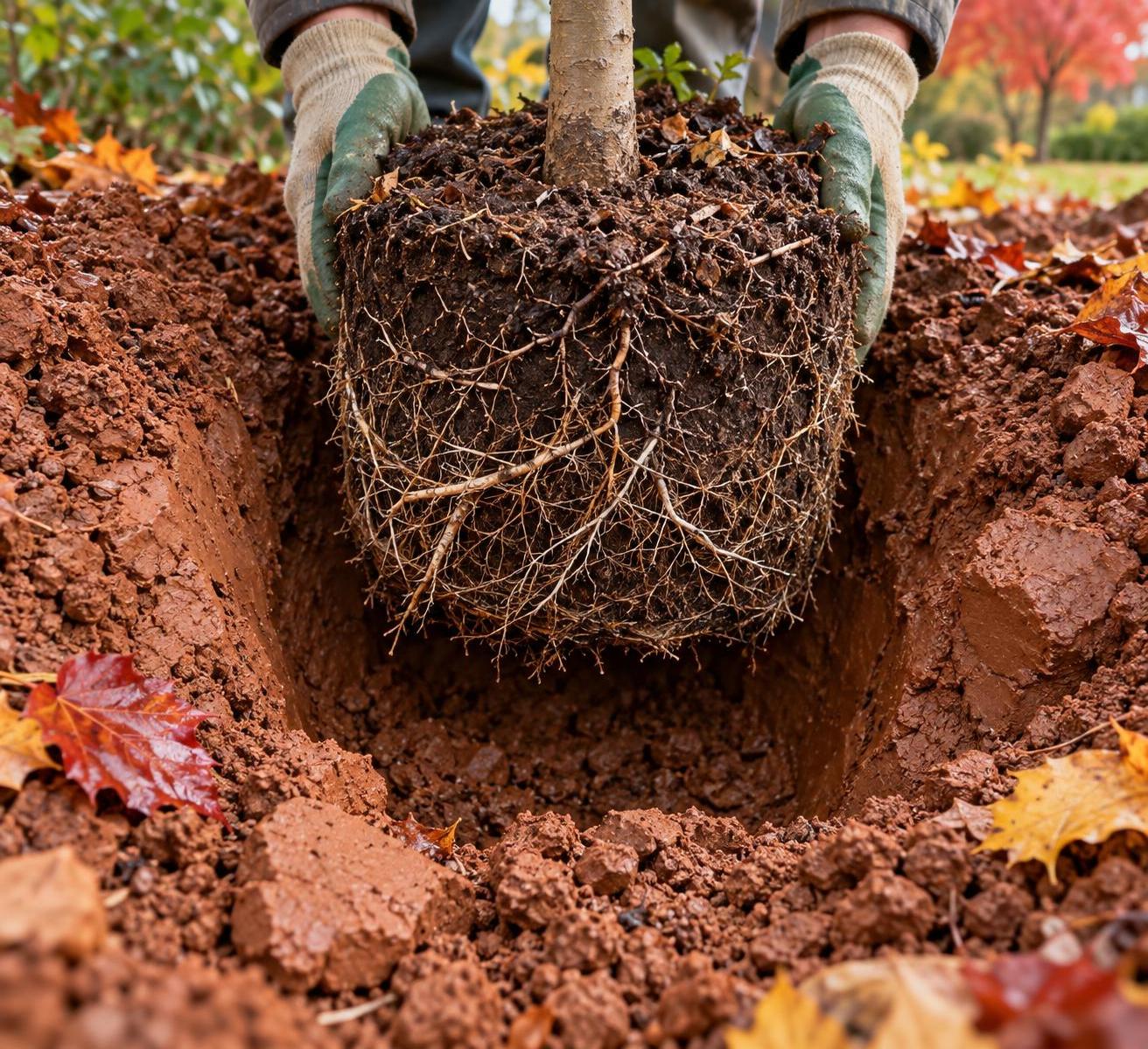
Fort Wayne's heavy clay soil holds moisture longer into fall than sandy or loamy soils, which keeps new roots hydrated without the constant watering a summer planting demands. Cooler fall air temperatures also slow moisture loss through the leaves, so the plant can direct more energy toward root growth below ground.
- Less transplant shock: Moderate temperatures reduce stress on a newly dug root ball.
- Lower water demand: Fall rainfall typically covers most of a new planting's needs.
- Head start on spring: Roots established in fall support vigorous new growth the following season.
Which Trees and Shrubs Thrive in a Fort Wayne Fall Planting?
Most deciduous trees and shrubs handle fall planting well in Zone 5b, including maples, oaks, serviceberry, and hydrangea. Evergreens can also go in the ground in fall, but they benefit from an earlier planting date so roots have extra time to establish before the ground freezes, since they continue losing moisture through their needles all winter.
- Shade trees: Red maple, oak, and tulip tree are reliable choices for Fort Wayne yards.
- Flowering shrubs: Hydrangea, viburnum, and lilac typically transplant well in fall.
- Evergreens: Arborvitae and spruce should go in early fall, not late.
How Do You Prepare a Planting Site Before the Ground Freezes?
Start by digging a planting hole roughly two to three times the width of the root ball but no deeper than the root ball itself, since clay soil drains slowly and a too-deep hole can trap water around the roots. Loosen the surrounding soil to help new roots spread outward rather than circling, and backfill with the native soil rather than heavily amended mix, which can create a bowl that holds excess moisture.
What Aftercare Does a Fall-Planted Tree or Shrub Need?
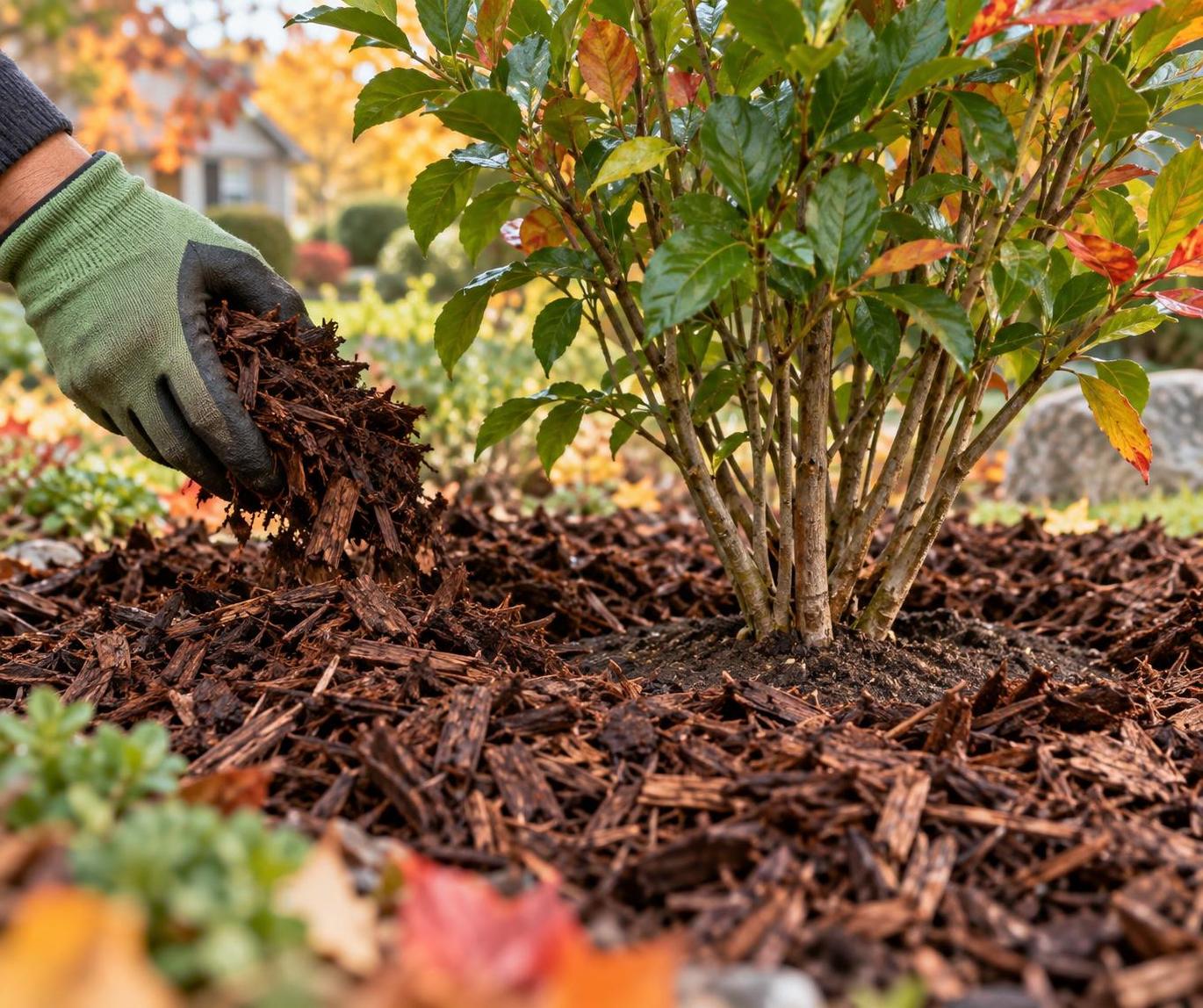
New plantings need consistent moisture through fall until the ground freezes, even though they need less water than a spring planting. A three-to-four-inch layer of mulch around the base, kept a few inches back from the trunk, insulates roots and moderates soil temperature swings through a Fort Wayne winter.
- Watering: Check soil moisture weekly until the ground freezes; water deeply, not frequently.
- Mulching: Keep mulch away from direct trunk contact to avoid rot and pest issues.
- Staking: Larger trees may need staking through their first winter in exposed, windy yards.
How Close to the First Frost Can You Still Plant in Fort Wayne?
As a general rule, aim to have trees and shrubs in the ground at least six weeks before the ground typically freezes, which for northeast Indiana usually means wrapping up new plantings by mid-to-late November. Planting too close to a hard freeze doesn't leave enough time for root establishment, raising the risk of winter dieback or outright plant loss.
How Can Fort Wayne Homeowners Make Fall Planting Easier?
Choosing the right plant for a specific spot, matching sun and drainage needs to the site, and getting it in the ground within the fall window matters more than any single planting technique. A professional landscaping team can also assess whether a yard's drainage and soil conditions need amending before planting day. Ready to add trees or shrubs to your landscape this fall? Request a free quote from Minnick Lawn & Landscaping, and our team will recommend plants suited to your yard's sun, soil, and drainage conditions.