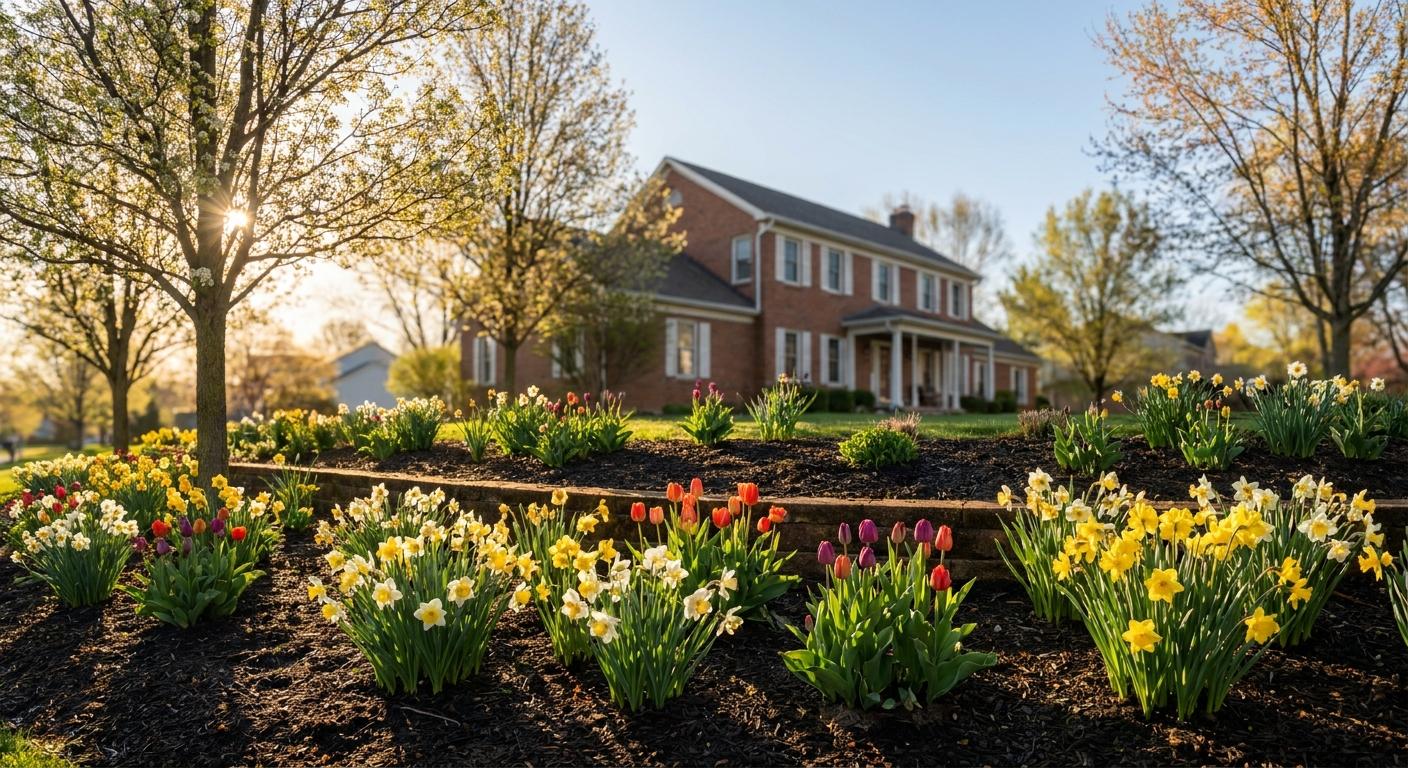
Creating a garden that blooms throughout the year in Fort Wayne requires thoughtful plant selection and understanding our Zone 5b climate. By mixing spring bulbs, summer annuals, fall perennials, and winter-hardy plants, you can enjoy continuous color from March through December. The key is layering different plant types that thrive in Northeast Indiana's clay-heavy soil and variable weather patterns, ensuring your landscape stays vibrant no matter the season.
What Spring Flowers Should You Plant for Early Color in Fort Wayne?
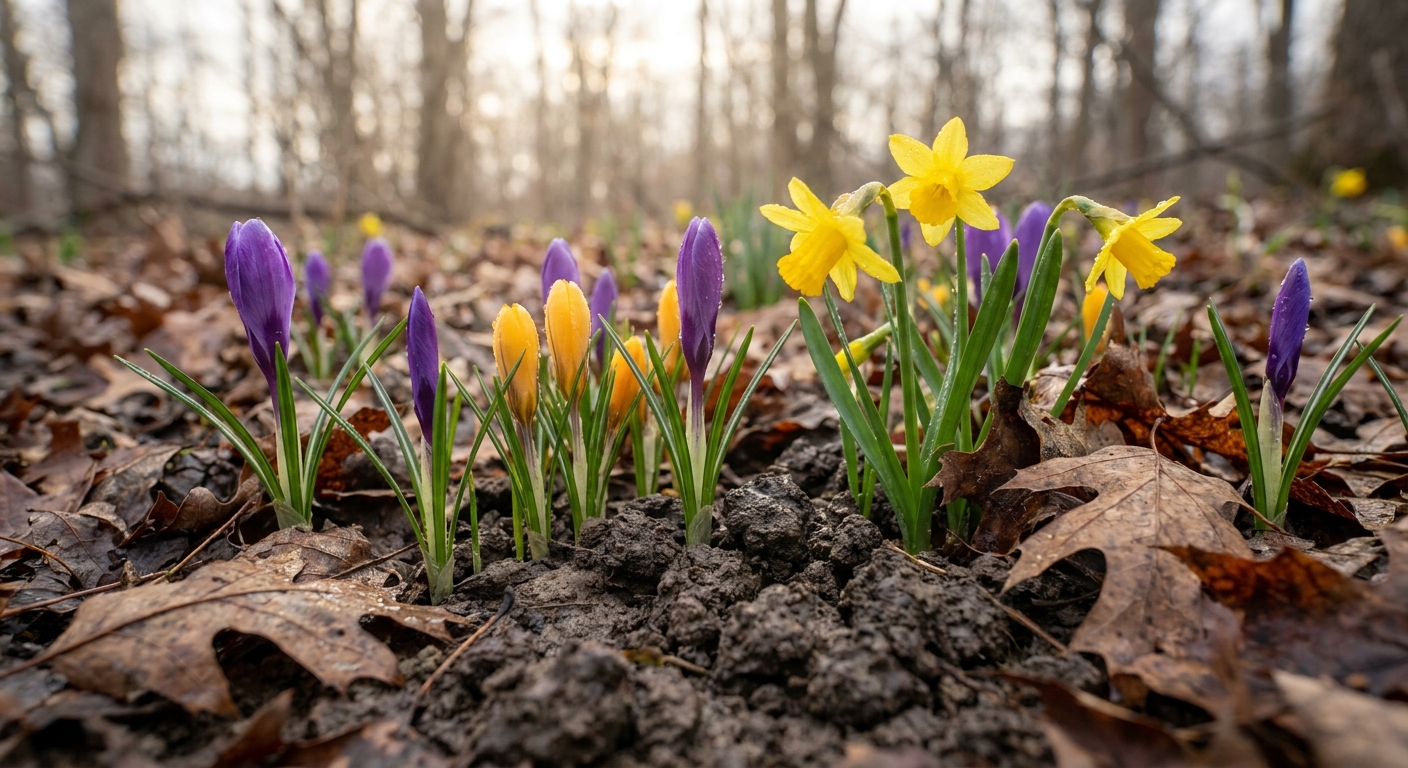
Spring arrives in Fort Wayne around mid-April, making it the perfect time to showcase cool-season bulbs and perennials. Tulips, daffodils, and crocuses emerge first, breaking through winter soil and signaling new life. These bulbs need fall planting—ideally October through November—to develop strong root systems before winter dormancy. Plant them 6-8 inches deep in well-draining soil with bone meal mixed in for nutrients.
Best Spring Bloomers for Fort Wayne Gardens
- Daffodils – Naturalize beautifully and return yearly; deer and rodent resistant
- Tulips – Available in dozens of colors; peak bloom mid-to-late April
- Crocuses – Tiny but mighty; bloom as soon as soil thaws
- Bleeding Heart – Delicate pink or white flowers; shade-tolerant perennial
- Primrose – Early color in reds, yellows, and pinks; prefers moist soil
- Hellebores – Winter-into-spring bloomers; evergreen foliage
Plan to plant spring bulbs in October before the first frost. A general rule: plant depth equals two to three times the bulb's height. Northeast Indiana's clay soil tends to retain moisture, so amend planting holes with compost to improve drainage and prevent bulb rot.
Which Summer Flowers Provide Peak Color June Through August?
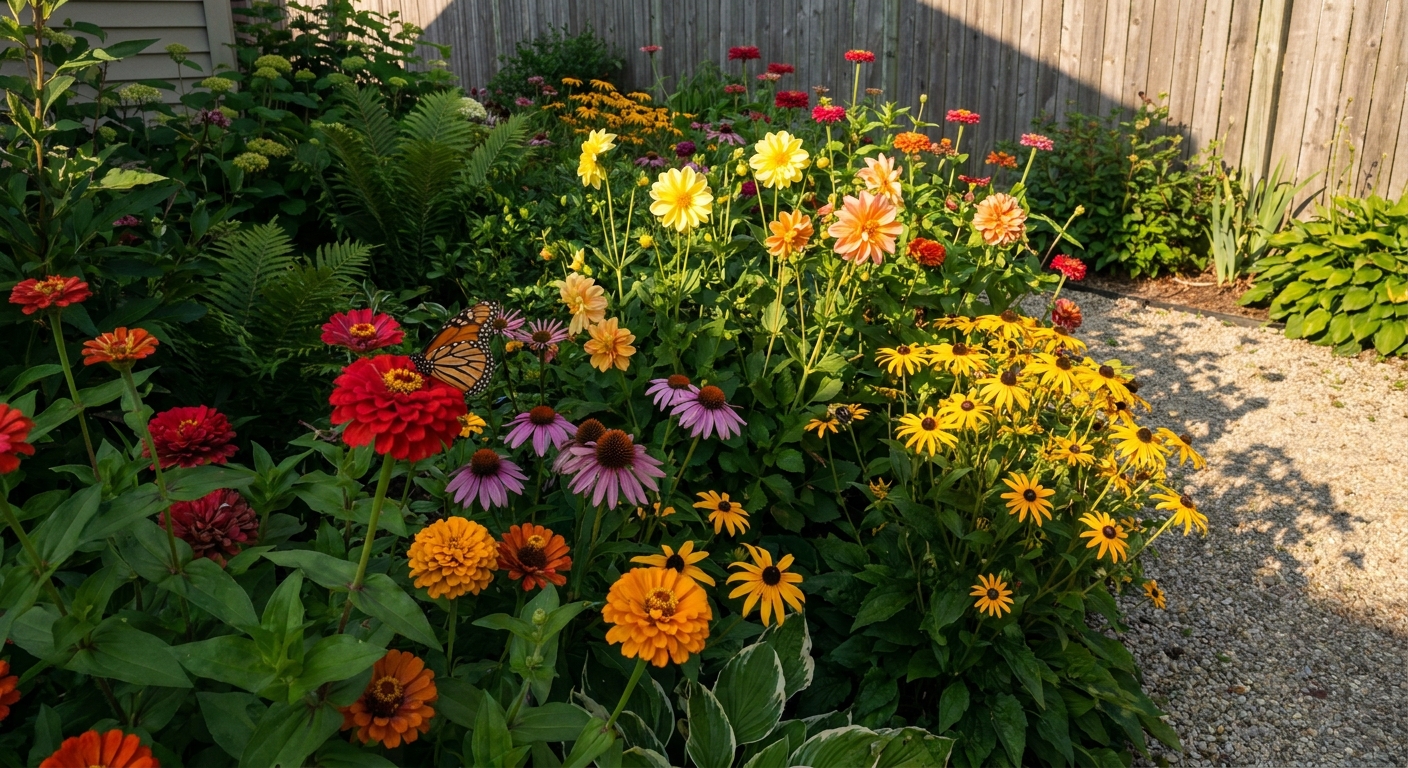
Summer is when annuals and heat-loving perennials take center stage in Fort Wayne gardens. Once soil temperatures reach 60°F (typically mid-May), plant frost-sensitive annuals like zinnias, marigolds, and impatiens. These warm-season plants provide explosive color through August and often into September, especially with deadheading and consistent watering during dry spells.
Top Summer Bloomers for Continuous Color
- Zinnias – Heat and humidity lovers; cut flowers last weeks in a vase
- Black-eyed Susans – Perennials that self-seed; bright yellow blooms
- Coneflowers (Echinacea) – Attract pollinators; drought-tolerant once established
- Daylilies – Reliable perennials in thousands of cultivars; minimal care needed
- Bee Balm – Fragrant; draws hummingbirds and butterflies to Fort Wayne yards
- Salvia – Spiky blue, purple, or red flowers; attracts pollinators
- Phlox – Sweet fragrance; blooms mid-summer through fall
For continuous summer bloom, plant annuals in waves: a first planting in mid-May, then a second round in early July for fall color. Deadhead spent flowers weekly to encourage more blooms. Our landscaping services can help design layered garden beds that maximize seasonal interest.
The secret to year-round color in Northeast Indiana isn't choosing one perfect flower—it's creating a succession of overlapping blooms by layering spring bulbs, summer annuals, fall perennials, and winter-hardy plants.
What Fall Flowers Keep Fort Wayne Gardens Colorful Through November?
As summer fades, fall bloomers take over in Fort Wayne gardens, providing warm tones and late-season nectar for migrating butterflies. Asters, mums, and sedums thrive in cooler temperatures and shorter days. Many fall bloomers are cold-hardy perennials that actually improve after the first frost, making them essential for extended seasonal interest in Northeast Indiana.
Essential Fall-Blooming Plants
- Asters – Daisy-like flowers in purple, pink, or white; bloom September-November
- Mums – Traditional fall choice; pinch back in June for bushier plants
- Sedum – Succulent with pink or burgundy flowers; ornamental seed heads persist through winter
- Goldenrod – Bright yellow plumes; often blamed for allergies (false—ragweed is the culprit)
- Joe-Pye Weed – Tall perennial with dusty pink flowers; attracts butterflies
- Russian Sage – Airy lavender-blue flowers; silvery foliage adds texture
Fall bloomers should be planted in spring or early summer to establish roots before autumn arrives. Unlike spring bulbs, most fall perennials prefer late-spring or early-summer planting. In Fort Wayne, aim to plant by early July so roots develop before temperatures drop.
Can You Grow Flowers That Bloom in Winter in Fort Wayne?
Yes—winter flowers are possible in Northeast Indiana, though options are more limited than other seasons. Winter bloomers include hellebores (which flower in late January), winter-blooming heathers, and cold-hardy pansies and violas that survive Fort Wayne's harsh winters. These plants add unexpected color during the bleakest months and require hardy rootstock established the previous growing season.
Winter Flowering Plants for Zone 5b
- Hellebores (Christmas Roses) – Bloom December-February; evergreen foliage
- Winter Pansies and Violas – Bloom through freezing temperatures; self-seed readily
- Winter Heather – Tiny pink or white flowers on evergreen foliage
- Witch Hazel – Fragrant, spidery yellow flowers January-March
- Winterberry Holly – Bright red berries persist November through February
Winter bloomers must be established by fall to survive Fort Wayne's cold winters. Plant hellebores and heathers in spring or early fall, and mulch generously to protect shallow roots. Pansies and violas are annuals sold in fall and early winter at local nurseries—plant them before the first hard freeze.
How Should You Design a Year-Round Flower Garden in Fort Wayne?
Successful year-round gardens in Fort Wayne combine three key strategies: layering different plant heights, grouping plants with similar water needs, and staggering bloom times. Start by sketching your garden beds and assigning plants to seasons, then overlap bloomers so one group is fading as the next begins. Taller plants (3-4 feet) go in back, medium (18-30 inches) in middle, and short (under 12 inches) in front for maximum visibility.
Garden Design Tips for Continuous Bloom
| Season | Primary Bloomers | Planting Time | Bloom Duration |
|---|---|---|---|
| Spring (April-May) | Daffodils, Tulips, Bleeding Heart | October-November | 4-6 weeks |
| Early Summer (June) | Peonies, Lupines, Foxgloves | Spring or Fall | 3-4 weeks |
| Mid-Summer (July-Aug) | Zinnias, Coneflowers, Black-eyed Susans | May (after frost) | 8-12 weeks |
| Fall (Sept-Nov) | Asters, Mums, Sedum | Spring or Early Summer | 6-8 weeks |
| Winter (Dec-Feb) | Hellebores, Pansies, Winterberry | Early Fall or Spring | 2-3 months |
Consider adding complementary foliage plants like hostas, coral bells, and ornamental grasses—their colorful leaves provide visual interest even when not flowering. Our landscaping design services can create a custom four-season plan tailored to your Fort Wayne yard's sunlight, soil type, and drainage patterns.
What Maintenance Keeps Year-Round Flowers Blooming Longer?
Deadheading spent flowers is the single most effective practice for extending bloom times. Remove faded blooms weekly to redirect plant energy into producing new flowers rather than setting seed. In Fort Wayne's clay-heavy soil, also ensure proper drainage by amending beds with compost, and water deeply but less frequently to encourage deep root growth—shallow, daily watering weakens plants.
- Deadhead weekly – Remove faded flowers to stimulate new bloom production
- Mulch properly – 2-3 inches of wood chips retains moisture and moderates soil temperature
- Water deeply – Northeast Indiana clay soil needs 1-2 inches per week; water early morning
- Fertilize appropriately – Spring bloomers benefit from fall fertilizing; summer bloomers need mid-season feeding
- Divide perennials – Every 3-4 years in early spring or fall to rejuvenate crowded plants
Fort Wayne's humid summers make fungal issues common—ensure adequate air circulation between plants to prevent powdery mildew. Space plants according to their mature width, and avoid overhead watering if possible. Fall cleanup matters too: remove dead leaves and spent flower stalks after the first hard frost to reduce overwintering pests and disease.
Creating a year-round flower garden in Fort Wayne is entirely achievable with the right plant selection and seasonal planning. Whether you're designing your first flower beds or refreshing an existing landscape, layering spring bulbs, summer annuals, fall perennials, and winter bloomers ensures continuous color from early spring through winter. Request a free quote from Minnick Lawn & Landscaping to discuss how we can design and install your four-season flower garden in Northeast Indiana. Call us at (260) 927-5185 or visit our contact page to get started today.