If summer has left your lawn thin, compacted, or patchy, fall is the best season to help it recover. For the cool-season grasses common in Fort Wayne and Northeast Indiana, core aeration and overseeding work together to improve the soil and establish new grass while growing conditions are favorable.
The key is timing. Aerating too early can add stress during summer heat, while waiting too late may not give new seedlings enough time to develop before winter. Here is how to recognize the right window and prepare your lawn for the best result.
What is the best time to aerate a lawn in Fort Wayne?
The most reliable window for core aeration in Fort Wayne is typically from mid-September through mid-October. During this period, daytime temperatures are milder, soil usually retains moisture better, and cool-season turf returns to active growth after summer stress.
Actual conditions matter more than the calendar alone. The soil should be moist enough for the aerator to pull clean plugs but not saturated or muddy. If the lawn is very dry, watering a day or two before service can help the equipment penetrate compacted soil more effectively.
Why should aeration and overseeding be done together?
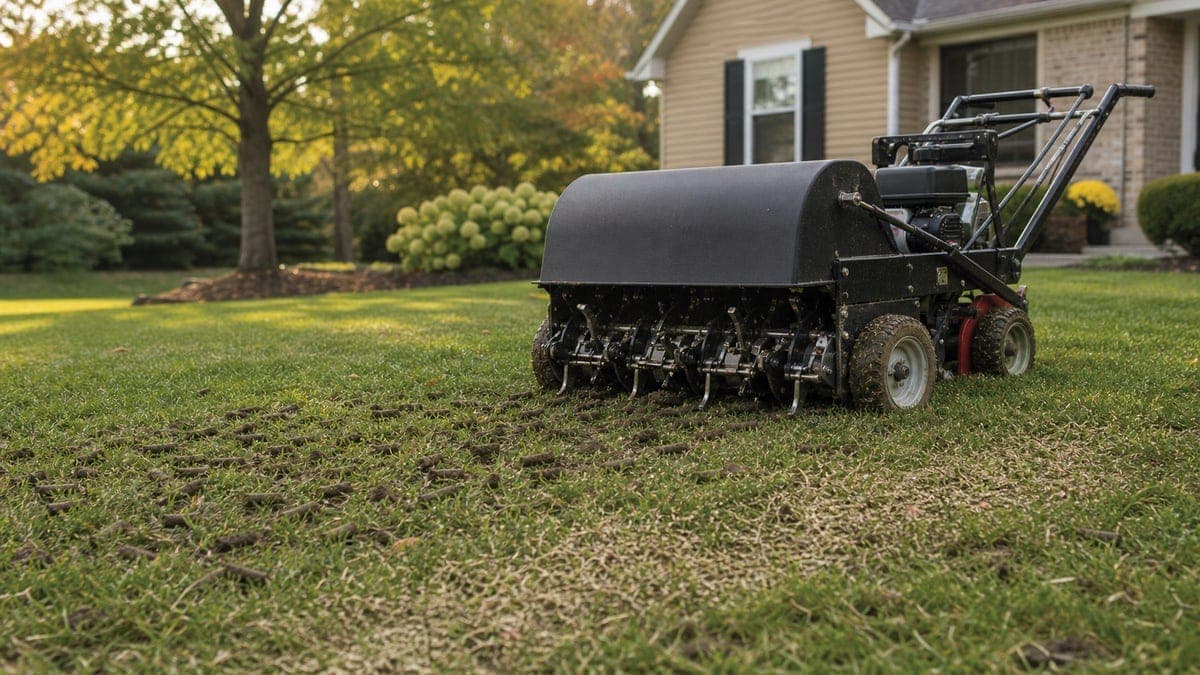
Core aeration removes small plugs of soil from the lawn. The openings reduce compaction and create better pathways for air, water, and nutrients to reach the root zone. They also give grass seed more contact with the soil than it would get if seed were simply scattered over an untouched lawn.
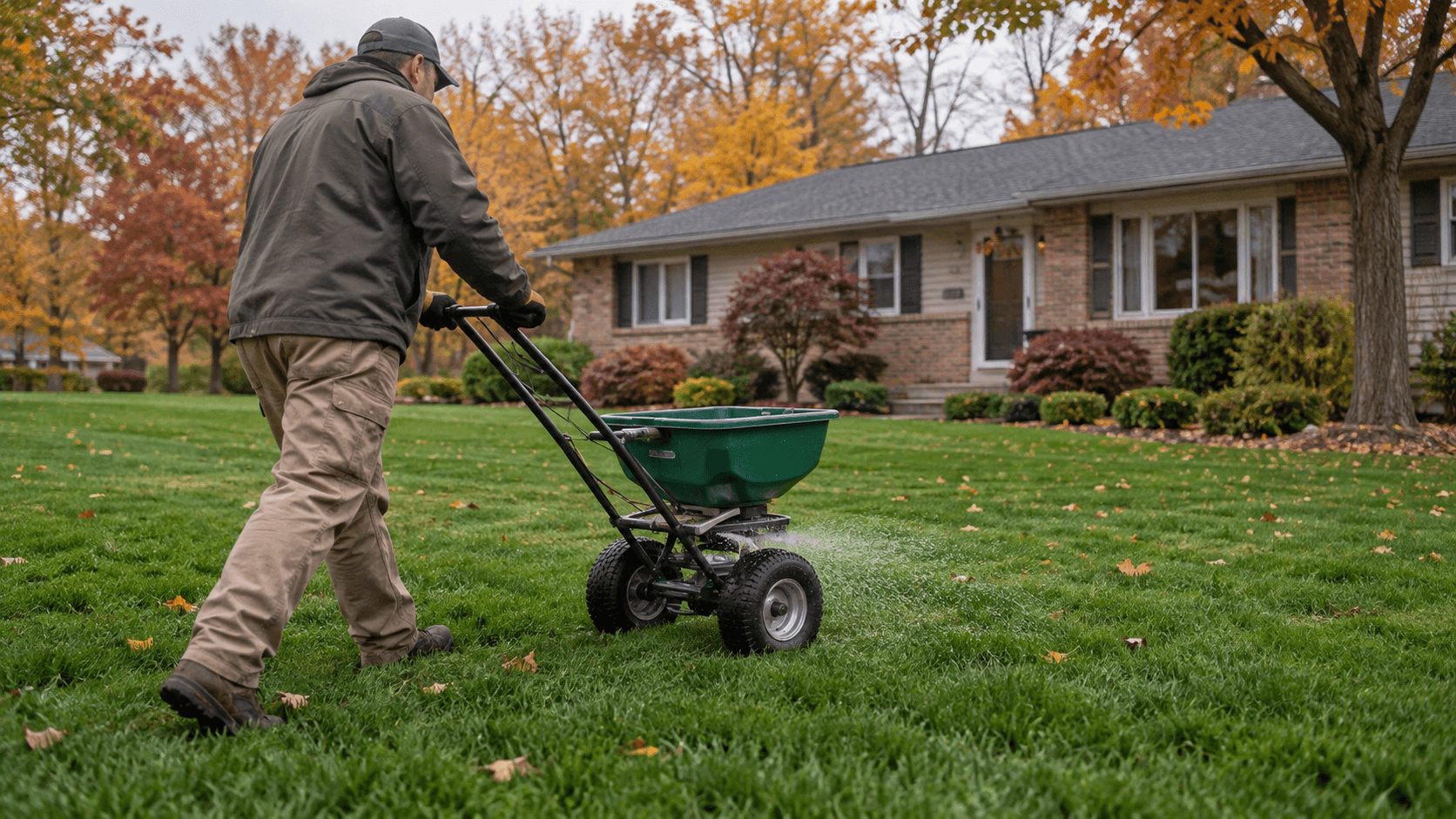
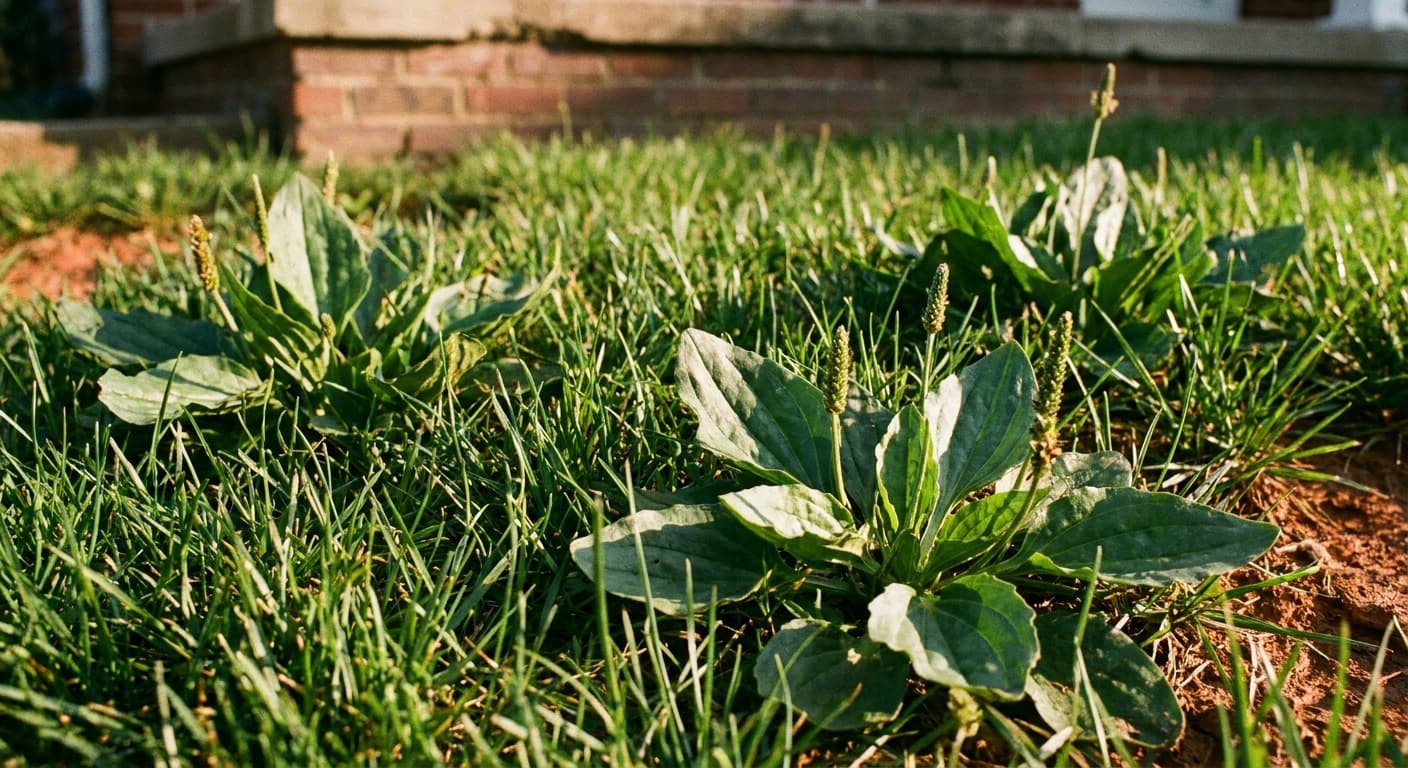
Overseeding immediately after aeration helps fill bare areas, improve turf density, and introduce healthy new growth. A thicker lawn also leaves less open space for weeds to establish. If you are unsure whether compaction or excess thatch is the larger problem, read our guide to aeration versus dethatching.
How can you tell if your lawn needs aeration?
Most lawns do not need to look severely damaged before aeration can help. Watch for these common signs:
- Water pools or runs off instead of soaking into the soil.
- The turf looks thin even with regular watering and fertilization.
- High-traffic areas feel hard and recover slowly.
- It is difficult to push a screwdriver several inches into moist soil.
- The property has clay-heavy soil, recent construction activity, or frequent equipment traffic.
Fort Wayne-area soils often contain enough clay to compact under normal use. Lawns with heavy foot traffic may benefit from annual core aeration, while lower-traffic properties may need it less often.
How should you prepare for aeration and overseeding?
A little preparation improves coverage and protects irrigation or utility features. Before the appointment:
- Mow slightly shorter than usual. Shorter turf helps the aerator move cleanly and allows seed to reach the soil.
- Water if the ground is dry. Moist—not muddy—soil produces better cores.
- Mark hidden obstacles. Flag sprinkler heads, invisible-fence lines, shallow drainage components, and other items the operator should avoid.
- Remove leaves and debris. Clear access helps produce even passes across the lawn.
- Plan for follow-up watering. New seed needs consistent surface moisture during germination.
What care does new grass seed need after overseeding?
After overseeding, the upper layer of soil should remain consistently moist without becoming waterlogged. Light, frequent watering is usually needed at first. As seedlings develop, transition toward deeper and less frequent watering that encourages stronger roots.
Avoid heavy traffic on newly seeded areas and do not mow until the new grass is tall enough to cut without pulling young plants from the soil. Use a sharp mower blade, and never remove more than one-third of the grass height in a single mowing. Germination speed varies by grass variety, soil temperature, and moisture, so some sections may emerge before others.
Can you aerate and overseed in spring instead?
Spring aeration can help a severely compacted lawn, but fall is generally better for major overseeding in Northeast Indiana. Spring seedlings must compete with fast-growing weeds and then survive summer heat before their roots are fully established. Spring pre-emergent weed-control products can also interfere with grass-seed germination.
When fall timing is possible, cooler air, warm soil, and reduced weed pressure give new cool-season grass a better chance to establish. For other seasonal priorities, see our Fort Wayne fall lawn care checklist.
Build a Thicker Lawn This Fall
Minnick Lawn & Landscaping provides professional core aeration and overseeding services for Fort Wayne and Northeast Indiana properties. We can assess compaction, choose the right timing, and help you create a practical watering and recovery plan.
Request a free lawn-care quote to reserve your fall aeration and overseeding service before the seasonal schedule fills.