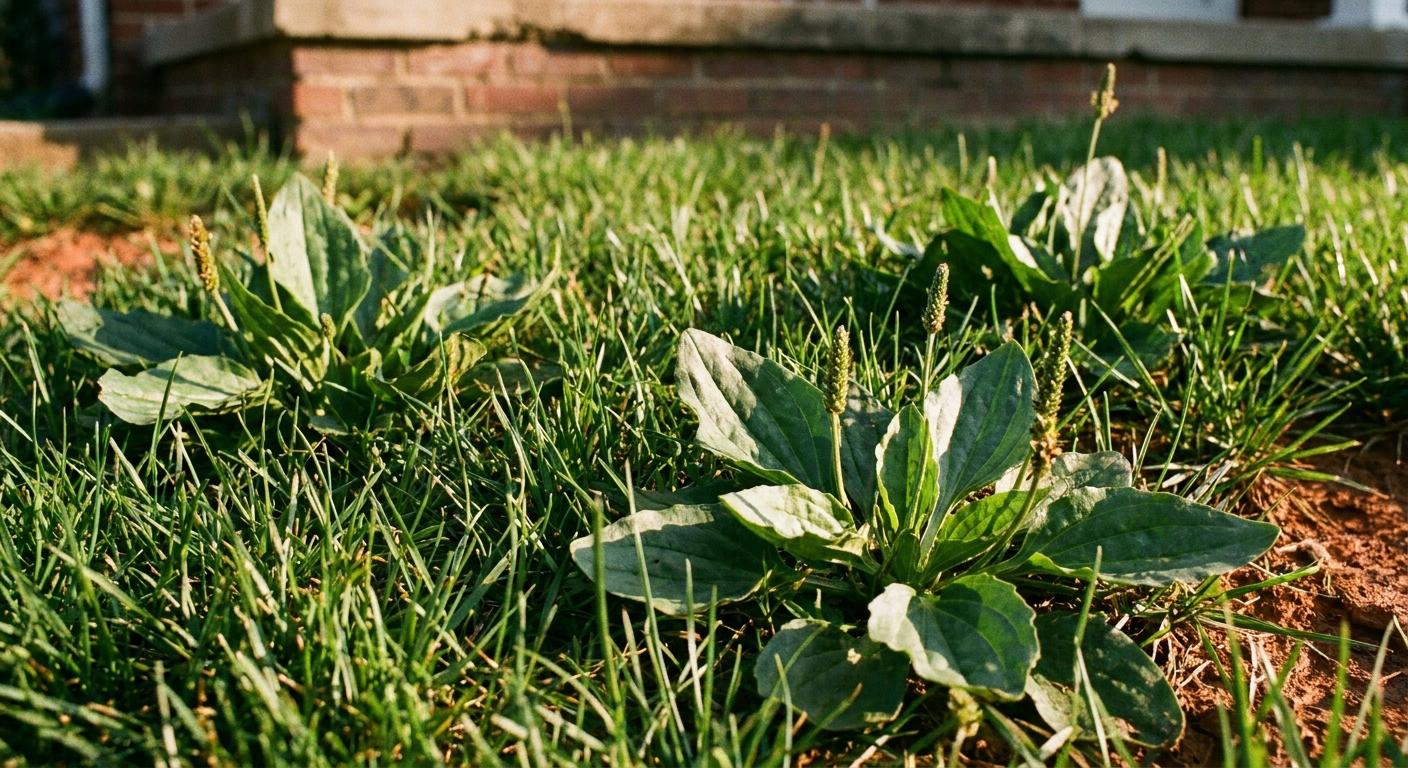
Buckhorn plantain is one of the most frustrating weeds Fort Wayne homeowners battle year-round. This persistent perennial weed creates unsightly rosettes with thick, ribbed leaves that choke out healthy grass and resist casual pulling. Whether you're dealing with a few isolated plants or a full invasion, understanding buckhorn's biology and removal strategies will help you reclaim your lawn and prevent it from returning.
What Exactly Is Buckhorn and Why Is It So Common in Fort Wayne?
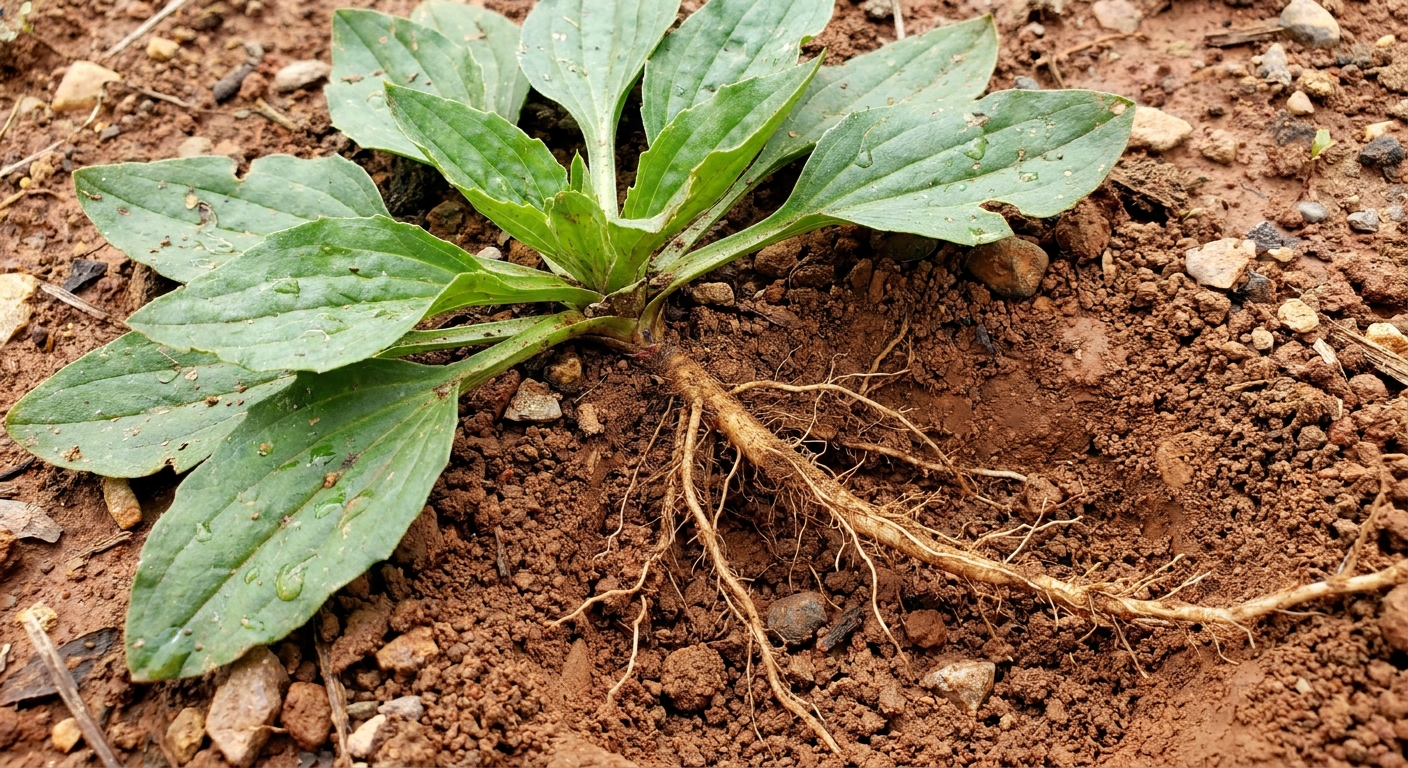
Buckhorn plantain is a broadleaf perennial weed that thrives in Fort Wayne's Northeast Indiana climate. It forms low rosettes of thick, leathery leaves and produces tall seed spikes that spread hundreds of seeds annually. The plant's deep taproot makes it incredibly difficult to remove once established.
This weed loves the compacted, clay-heavy soils common throughout Northeast Indiana and Allen County. Buckhorn also tolerates poor drainage, acidic soil conditions, and heavy foot traffic—all contributing factors in many Fort Wayne yards. Unlike annual weeds that die at season's end, buckhorn returns year after year, making early intervention crucial.
Buckhorn's deep taproot system means incomplete removal almost always leads to regrowth. Professional removal and preventative lawn care is your best defense.
Can Manual Removal Get Rid of Buckhorn for Good?
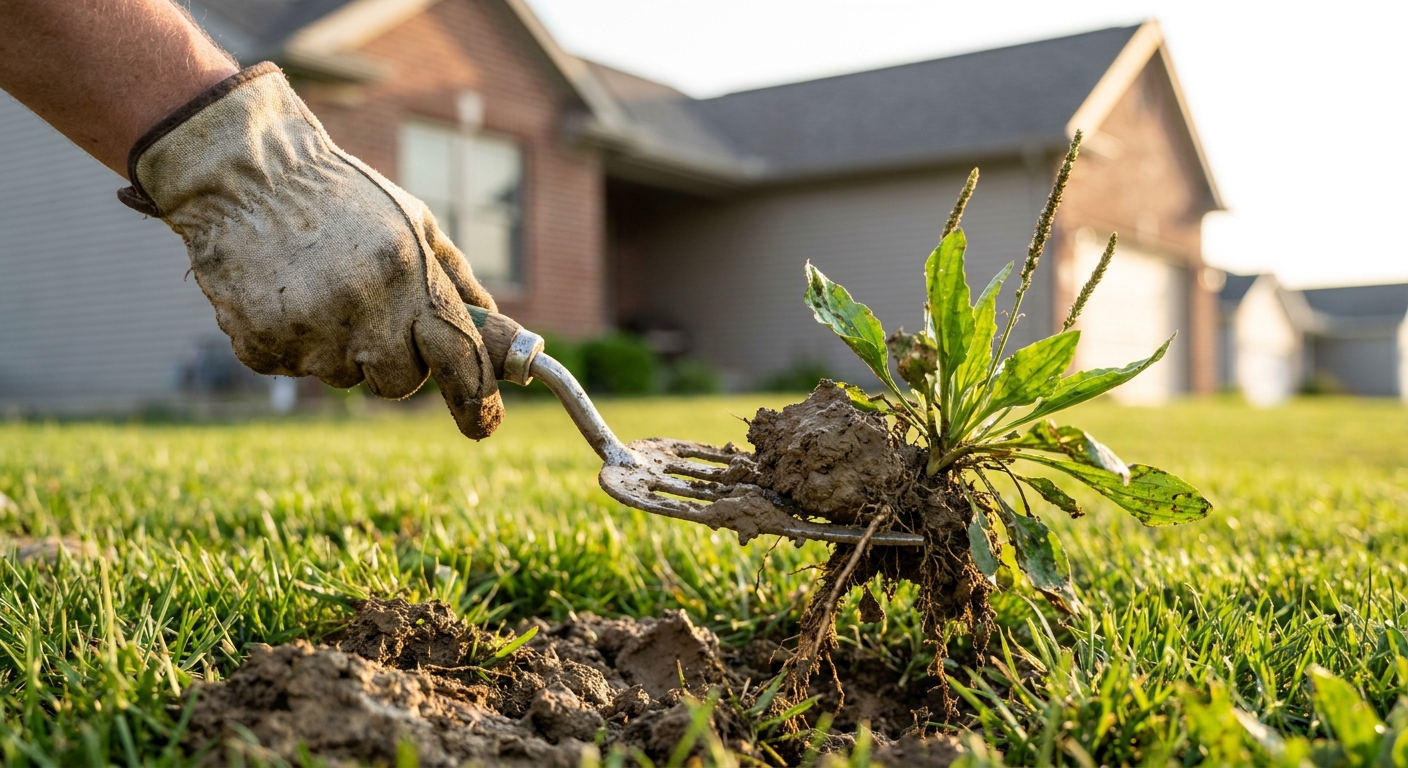
Hand-pulling buckhorn works only if you remove the entire taproot—which extends 8–12 inches deep in Fort Wayne's clay soil. Partial removal allows the plant to regenerate from remaining root fragments, making this method frustrating for most homeowners.
If you attempt manual removal:
- Pull after heavy rain when soil is moist and root extraction is easier
- Use a weeding tool (dandelion digger or fishtail weeder) to penetrate deep into clay soil
- Angle the tool beneath the taproot and pry upward slowly to minimize breakage
- Remove every visible root fragment—any remaining piece will regrow
- Fill the hole with topsoil and grass seed to prevent erosion
Most Fort Wayne property owners find that even careful manual removal requires follow-up treatments, especially across multiple affected areas. For widespread buckhorn infestations, this approach becomes time-consuming and often ineffective.
What Herbicides Work Best Against Buckhorn Plantain?
Selective herbicides designed for broadleaf weed control are highly effective against buckhorn. Products containing 2,4-D, dicamba, or MCPA target buckhorn without harming desirable grass species. Post-emergent herbicides work best on actively growing plants in spring or fall when soil moisture is adequate.
Application tips for Fort Wayne lawns:
- Apply herbicide when buckhorn leaves are fully expanded and plants are actively growing (spring or early fall)
- Avoid application during drought stress when plants may be dormant
- Water your lawn 2–3 days before treatment to ensure active growth
- Follow label instructions precisely regarding application rates and coverage
- Reapply 2–3 weeks after initial treatment if buckhorn persists
- Avoid mowing for 3–5 days after herbicide application
For best results in Northeast Indiana's USDA Zone 5b climate, time applications for mid-April through May or August through September when soil temperatures are 60–75°F. Commercial-grade herbicides used by professional lawn care services often deliver better results than consumer products, particularly for established infestations across larger properties.
How Does Professional Weed Control Address Buckhorn?
Professional lawn care services like Minnick's lawn care combine targeted herbicide applications with soil conditioning to eliminate buckhorn and prevent recurrence. Professionals assess your lawn's specific conditions—soil pH, drainage, compaction—to address the underlying factors that allow buckhorn to flourish.
Comprehensive professional treatment typically includes:
- Soil testing to identify pH imbalances and nutrient deficiencies that favor weeds
- Strategic herbicide applications timed to buckhorn's growth cycle
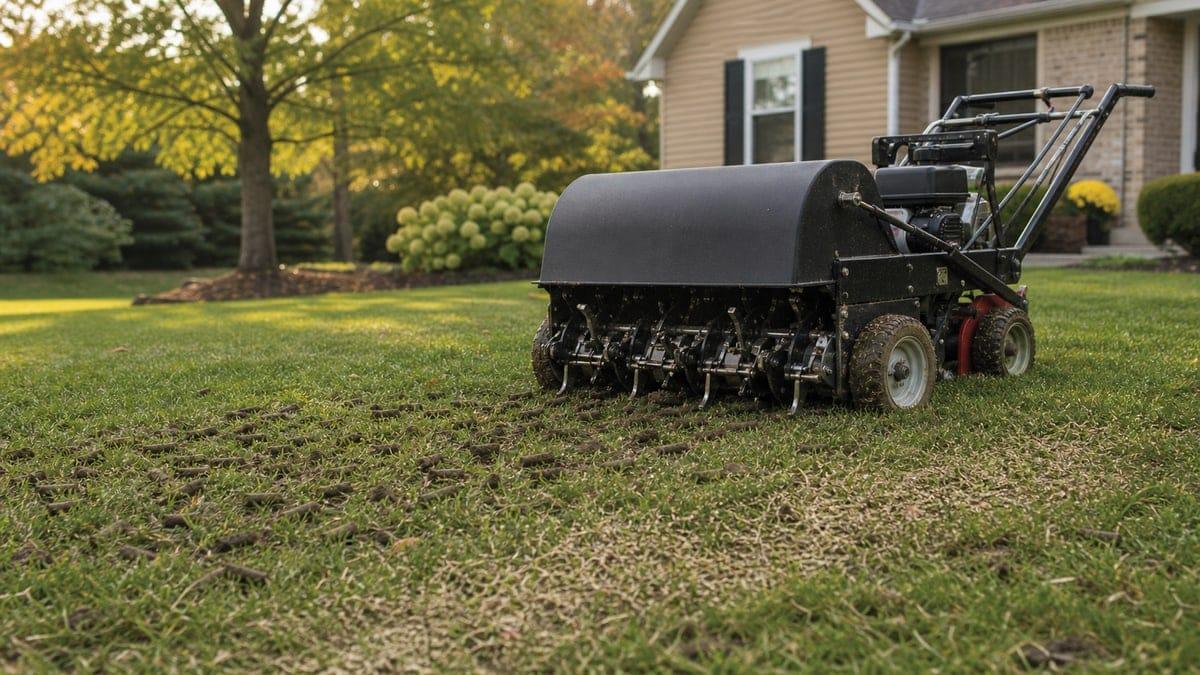
- Aeration to reduce soil compaction and improve drainage in Fort Wayne's clay soils
- Overseeding with dense grass varieties that outcompete buckhorn naturally
- Ongoing lawn maintenance programs to prevent future infestations
A professional approach addresses buckhorn at its root cause rather than treating symptoms. Since buckhorn thrives where grass is thin and weak, strengthening your overall lawn through proper fertilization, mowing practices, and soil improvement prevents reinfestation far better than herbicide alone.
What Prevention Strategies Stop Buckhorn Before It Starts?
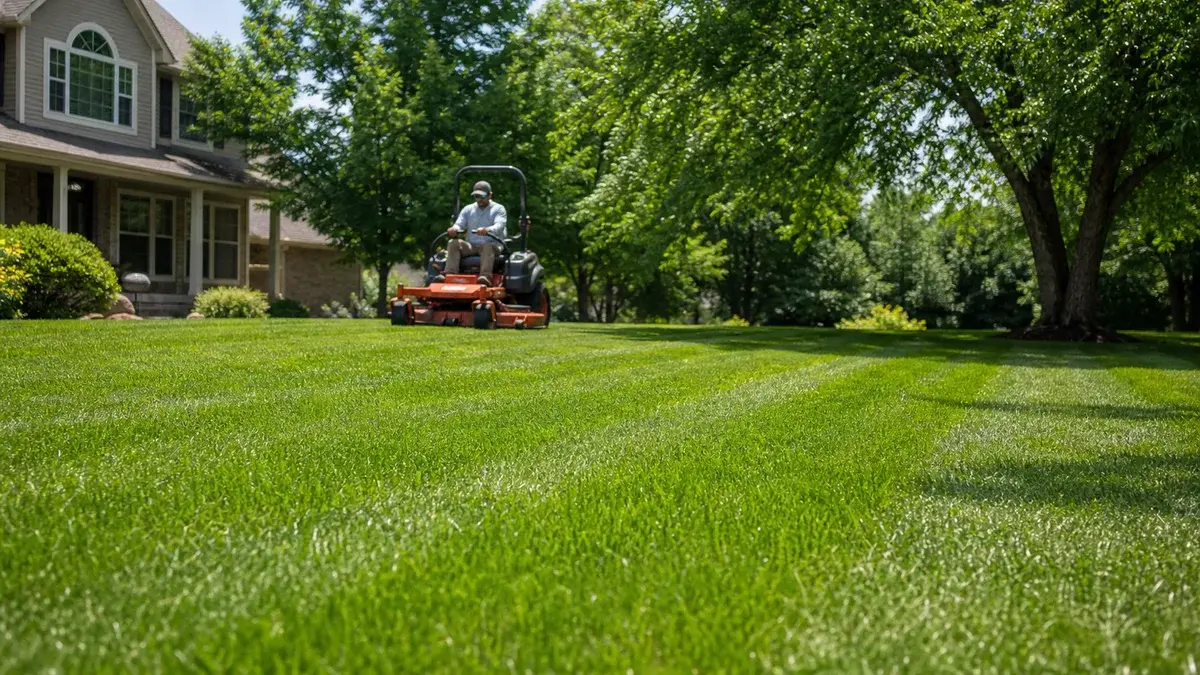
The best buckhorn control is prevention through proper lawn maintenance practices. A thick, healthy lawn naturally crowds out buckhorn and other weeds before they establish a foothold. Fort Wayne homeowners should focus on practices suited to Northeast Indiana's challenging clay soils and variable growing season.
Prevention strategies include:
- Maintain proper mowing height: Keep grass 3–3.5 inches tall to shade soil and prevent buckhorn seeds from germinating
- Improve soil drainage: Aeration breaks up compacted clay soil, reducing conditions buckhorn loves
- Apply appropriate fertilization: Balanced feeding supports healthy grass that crowds out weeds
- Water deeply and infrequently: Encourages deep grass root growth rather than shallow buckhorn establishment
- Overseed thin patches: Dense grass coverage prevents buckhorn from taking hold in bare or weak areas
- Rake and remove debris: Buckhorn seeds need contact with soil; thick thatch creates ideal germination conditions
Regular lawn maintenance services in Fort Wayne ensure your grass stays competitive against buckhorn and other perennial weeds. When your lawn is healthy and dense, buckhorn simply cannot establish.
When Should You Call a Professional for Buckhorn Removal?
Consider professional help if buckhorn covers more than 10–15% of your lawn, if manual removal hasn't worked after multiple attempts, or if you're uncertain about proper herbicide application. Professionals can eliminate buckhorn quickly while simultaneously improving your lawn's overall health.
Minnick Lawn & Landscaping serves Fort Wayne and Northeast Indiana with targeted weed control and comprehensive lawn care services designed for our region's specific climate and soil challenges. Our team combines proven herbicide treatments with soil improvement strategies to eliminate buckhorn permanently and prevent its return.
Don't let buckhorn take over your Fort Wayne yard. Request a free quote today to discuss your lawn's buckhorn problem and get a customized removal and prevention plan. With over 79 five-star reviews, Minnick Lawn & Landscaping is your trusted partner for a healthy, weed-free lawn in Northeast Indiana.