Beautiful fall lawn in Fort Wayne with colorful leaves on green grass

Fall is the most important season for lawn care in Fort Wayne—and the most often neglected. What you do (or don’t do) between Labor Day and Thanksgiving determines how your lawn survives winter and emerges next spring. Cool-season grasses experience a second growth surge in fall, making it the perfect time for renovation work that simply doesn’t succeed at other times of year.

This comprehensive checklist covers every fall task your lawn needs, organized by timing so you can tackle them in the right order. Whether you’re managing your own lawn or working with a professional service, following this schedule will set your property up for success.

Fall leaves scattered on healthy green lawn

When Should Fall Lawn Care Begin in Fort Wayne?

Fall lawn care in Fort Wayne should begin in late August to early September when soil temperatures drop below 70°F and grass enters its fall growth phase. The window from September 1 through October 15 is optimal for most major tasks like aeration and overseeding, while maintenance tasks continue through the last mowing in late November.

Fall Lawn Care Calendar

MonthTiming WindowPrimary Tasks
Late AugustAug 25 - Sept 5Begin fall prep, assess lawn condition
Early SeptemberSept 1 - Sept 15Aerate, overseed, dethatch if needed
Mid-SeptemberSept 10 - Sept 25Fertilize, continue watering
Late SeptemberSept 20 - Oct 5Monitor new seed, adjust watering
OctoberOct 1 - Oct 31Leaf management, reduce watering
NovemberNov 1 - Nov 20Final mow, winterizer, cleanup

Why Fall is Critical

Cool-season grass behavior in fall:

  • Root growth accelerates as soil cools
  • Top growth continues but slows
  • Carbohydrate storage for winter
  • Perfect germination conditions for seed
  • Weed competition minimal

Fall advantages:

  • Warm soil promotes quick germination
  • Cool air reduces seedling stress
  • Fall rain provides moisture
  • Summer weeds dying back
  • Time to establish before winter

What Are the Essential Fall Lawn Tasks?

The essential fall lawn care tasks for Fort Wayne properties are: core aeration to relieve compaction, overseeding to thicken thin areas, fall fertilization to support root development and winter hardiness, consistent leaf removal to prevent smothering, and proper mowing until dormancy. Completing these tasks in order produces the best results.

Task Priority List

PriorityTaskTimingTime Required
1AssessmentLate August30 minutes
2AerationEarly September1-2 hours
3OverseedingAfter aeration1-2 hours
4Fertilization2 weeks post-seed30 minutes
5Leaf removalOngoingWeekly
6Continued mowingOngoingWeekly
7Final mowingLate November30 minutes
8WinterizerLate October30 minutes

Task Dependencies

Some tasks must follow others:

  • Aerate before overseeding - Creates seed-to-soil contact
  • Overseed before fertilizing - Starter fertilizer helps seed
  • Let seed establish before heavy fertilization - 2-3 weeks
  • Remove leaves throughout - Don’t smother new seed
  • Continue mowing until dormancy - Grass keeps growing

Should You Aerate Your Lawn This Fall?

Yes, core aeration is recommended annually for most Fort Wayne lawns because our clay-heavy soils compact easily, restricting root growth and water penetration. Fall aeration relieves this compaction at the perfect time for root recovery and provides an ideal seed bed if you’re overseeding.

Signs Your Lawn Needs Aeration

SignWhat It Indicates
Hard, compacted soilRoots can’t grow properly
Water pools after rainPoor infiltration
Thin grass despite careRoots restricted
Heavy foot traffic areasCompaction from use
Thatch over 0.5 inchesAeration helps decomposition

Fall Aeration Guidelines

Optimal Timing: September 1-30

Conditions:

  • Soil moist but not saturated
  • Active grass growth visible
  • At least 4-6 weeks before freeze
  • Combined with overseeding ideal

What to Expect:

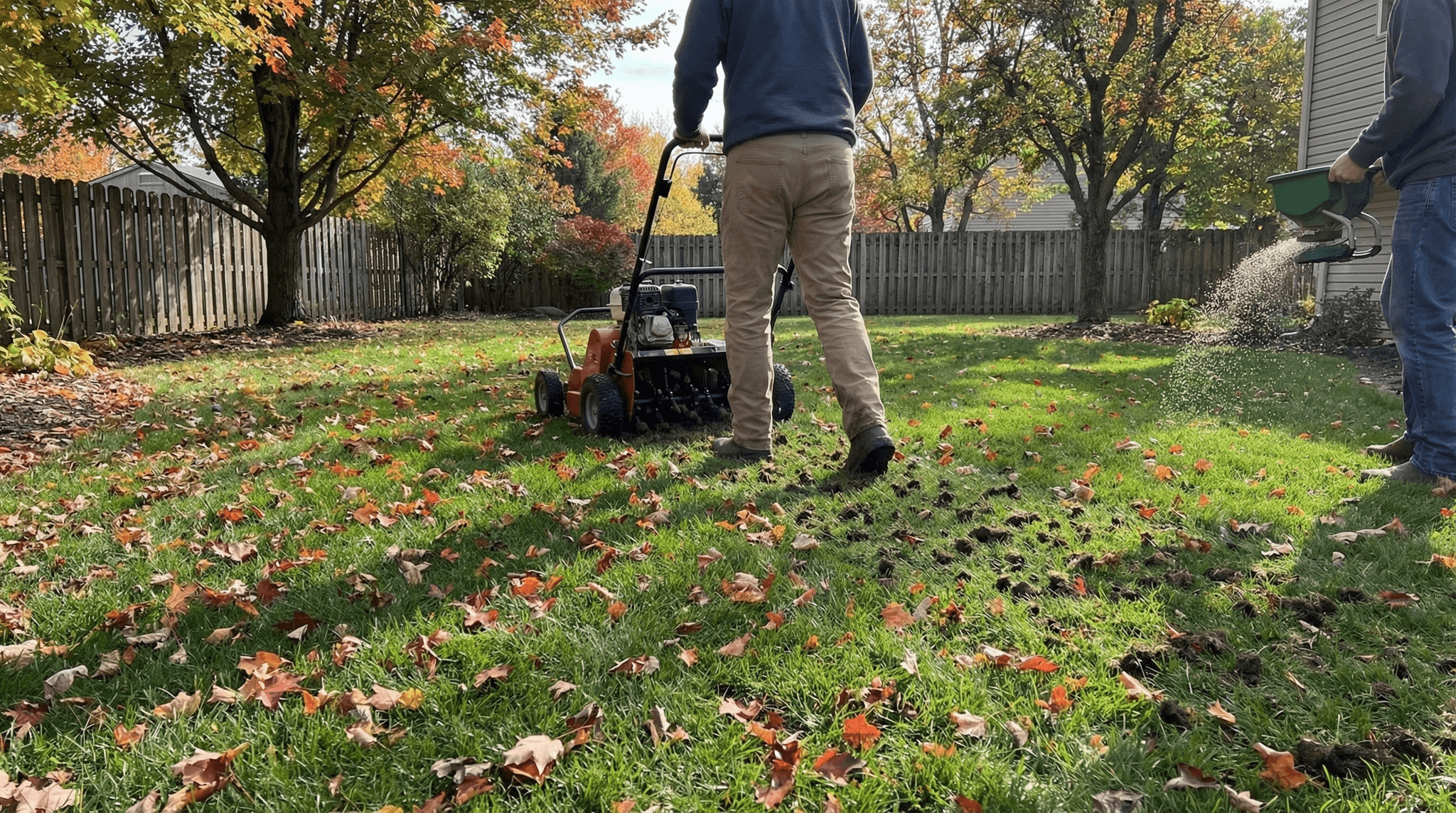
  • Soil plugs scattered on lawn
  • Plugs break down in 2-3 weeks
  • Can mow over plugs
  • Results visible within month

Post-Aeration Care

  1. Leave plugs on lawn (natural breakdown)
  2. Overseed immediately if desired
  3. Water to keep soil moist
  4. Fertilize 2-3 weeks after seeding
  5. Continue normal mowing

Core aerator removing soil plugs from lawn

Is Fall the Right Time to Overseed Your Lawn?

Fall is absolutely the best time to overseed cool-season lawns in Fort Wayne. The combination of warm soil temperatures (above 55°F), cooler air temperatures, fall rainfall, and reduced weed competition creates ideal conditions for grass seed germination and establishment that simply can’t be matched in spring.

Why Fall Overseeding Succeeds

FactorFall ConditionsSpring Conditions
Soil temperature60-75°F (ideal)45-60°F (marginal)
Air temperature60-75°F (ideal)Variable, may get hot
Weed competitionLow (weeds dying)High (weeds germinating)
Disease pressureLowIncreasing
Time to establishWeeks before winterWeeks before summer stress
Watering needsModerate (fall rain)High (spring drying)

Fall Overseeding Schedule

StageTimingActions
PreparationLate AugustMow short, assess thin areas
AerationEarly SeptCore aerate entire lawn
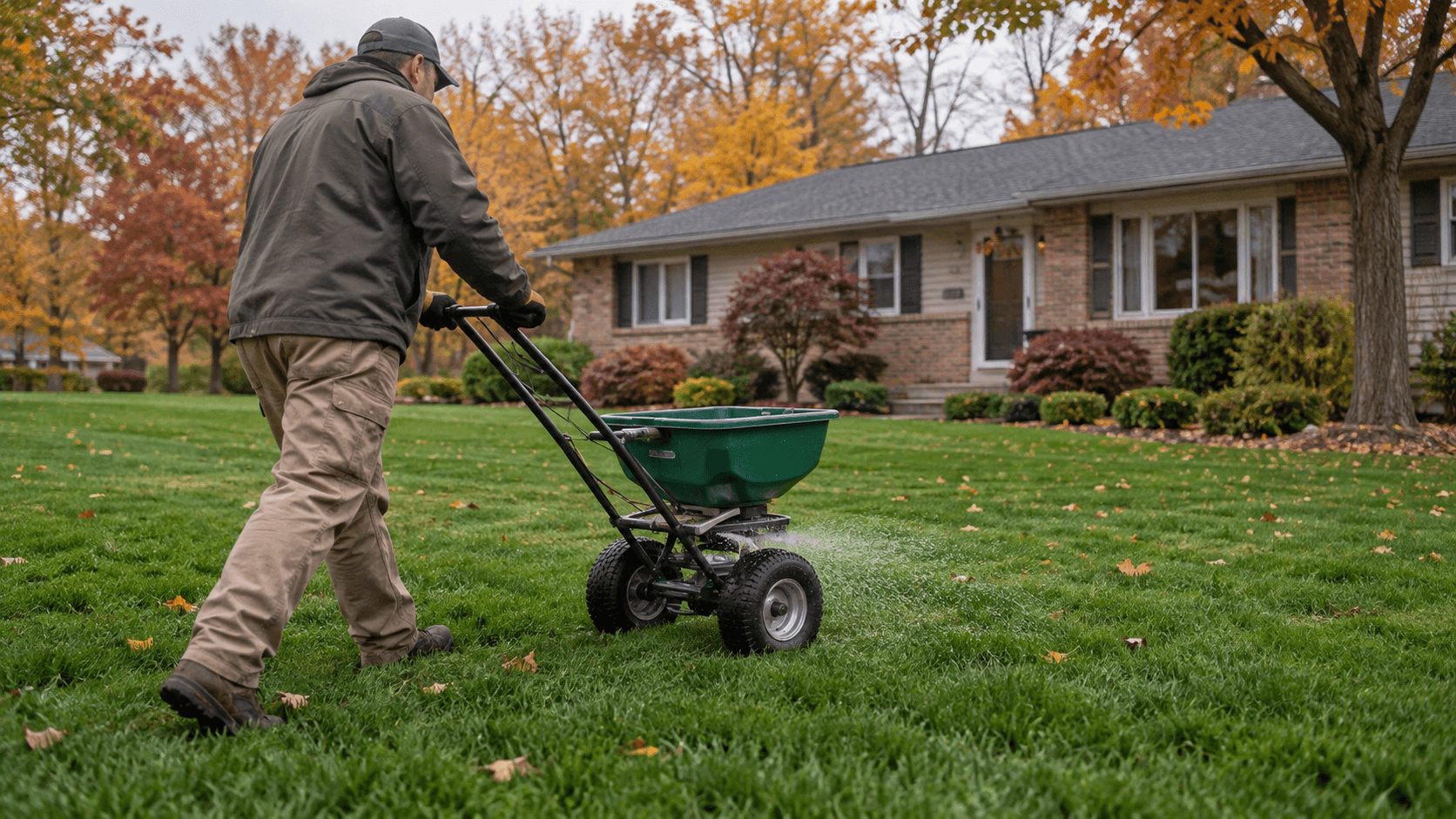
SeedingAfter aerationApply quality seed
Starter fertilizerAt seedingLight application
WateringDailyKeep seed moist
First mow3-4 weeksWhen grass reaches 3 inches

Overseeding Best Practices

Seed Selection:

  • Use certified seed (pure, weed-free)
  • Match existing grass type
  • Kentucky bluegrass for sun
  • Fine fescue for shade
  • Tall fescue for durability

Application Rates:

  • Thin areas: 4-6 lbs per 1,000 sq ft
  • Bare spots: 8-10 lbs per 1,000 sq ft
  • Full renovation: 10-12 lbs per 1,000 sq ft
  • After aeration: Can use higher rates

Critical Success Factors:

  1. Seed-to-soil contact essential
  2. Keep consistently moist until germination
  3. Don’t let new seedlings dry out
  4. Reduce watering once established
  5. Don’t mow until 3 inches tall

How Should You Fertilize in Fall?

Fall fertilization in Fort Wayne should include two applications: a late-season fertilizer in mid-September with moderate nitrogen and potassium to support fall growth and root development, followed by a winterizer application in late October to early November that provides nutrients for storage and early spring green-up.

Fall Fertilization Schedule

Application #1: Mid-September

FactorRecommendation
TimingSeptember 10-25
N-P-K Ratio24-0-10 or similar
Rate1 lb nitrogen per 1,000 sq ft
PurposeSupport fall growth and root development

Application #2: Late October/Early November (Winterizer)

FactorRecommendation
TimingOctober 25 - November 15
N-P-K Ratio21-0-0 or 24-0-10
Rate0.75-1 lb nitrogen per 1,000 sq ft
PurposeRoot storage for spring

Fertilization Tips

For Overseeded Areas:

  • Apply starter fertilizer at seeding
  • Wait 4-6 weeks before regular fertilizer
  • Use lighter rate on new seedlings

For Established Areas:

  • Standard application rates
  • Slow-release products preferred
  • Water in if no rain expected

When to Skip:

  • Grass dormant from drought (feed after recovery)
  • Late fall after ground freezes
  • Areas with severe disease (treat first)

What’s the Best Way to Handle Fall Leaves?

Fall leaves must be managed regularly to prevent smothering your grass, which can cause dead patches and disease problems. The best approach is weekly removal using mulching, raking, or blowing—keeping the leaf layer thin enough that grass remains visible underneath.

Leaf Management Options

MethodProsConsBest For
Mulching mowerReturns nutrients, less workHeavy leaves overwhelmLight to moderate leaves
RakingThorough removalLabor intensiveSmall yards
BlowingFast, moves large volumesDoesn’t mulchLarge areas, beds
BaggingComplete removalDisposal neededHeavy coverage
CombinationFlexible, thoroughMultiple tools neededMost situations

Mulching Guidelines

When mulching works:

  • Light to moderate leaf coverage
  • Leaves not too thick or wet
  • Good mulching blade/mower
  • Can still see grass through mulched leaves

When to remove:

  • Thick coverage (can’t see grass)
  • Wet, matted leaves
  • Before snow covers them
  • Around new seed (blocks light)

Problems from Poor Leaf Management

ProblemCauseImpact
Dead patchesSmothered grassBare areas next spring
DiseaseMoisture trapped under leavesFungal infection
Rodent damageLeaves provide coverVole activity, lawn damage
Snow moldLeaves + snowLarge dead areas
Delayed green-upGrass weakenedSlow spring recovery

Weekly Schedule

  1. Remove leaves before mowing if layer is thick
  2. Mow weekly until grass stops growing
  3. Final cleanup before first snow
  4. Clear leaves from beds and foundation areas
  5. Don’t leave piles sitting on lawn

Leaf blower clearing fall leaves from lawn

How Long Should You Keep Mowing in Fall?

Continue mowing your Fort Wayne lawn until grass stops growing, typically in mid to late November when temperatures consistently stay below 50°F. Gradually lower your mowing height on the final few cuts to leave grass at 2.5 inches for winter—this height helps prevent snow mold and rodent damage while not scalping the lawn.

Fall Mowing Schedule

PeriodFrequencyMowing HeightNotes
SeptemberWeekly3-3.5 inchesNormal height
OctoberWeekly to 10 days3 inchesBegin gradual reduction
NovemberAs needed2.5-3 inchesLower for final cuts
Final mowLate November2.5 inchesLast cut before winter

Why Final Height Matters

Too Tall (4+ inches):

  • Matts down under snow
  • Creates environment for snow mold
  • Provides cover for rodents
  • Looks unkempt entering winter

Too Short (under 2 inches):

  • Stresses grass entering dormancy
  • Reduces energy storage
  • Exposes crowns to winter damage
  • May not recover well in spring

Just Right (2.5 inches):

  • Stands up under snow
  • Discourages snow mold
  • Adequate protection for crowns
  • Clean appearance

Final Mowing Checklist

  1. Sharpen mower blades - Clean final cut
  2. Gradually lower height - Over 2-3 mowings
  3. Remove leaves first - Clear cutting path
  4. Mow in dry conditions - Better cut quality
  5. Clear clippings - Light mulching only
  6. Clean mower - Prepare for winter storage

What Weed Control is Needed in Fall?

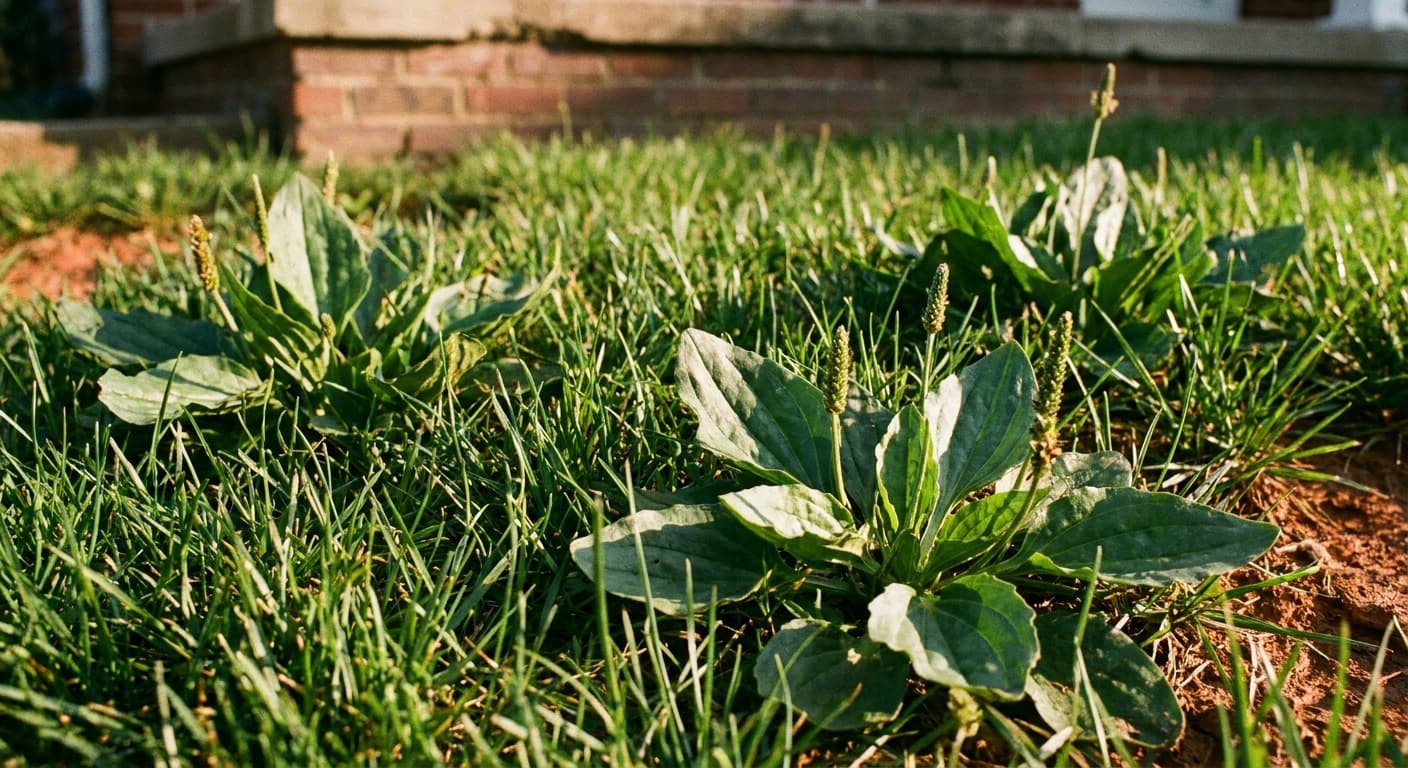
Fall is an excellent time for controlling perennial weeds like dandelions and clover because these plants are actively moving nutrients to their roots for winter storage, which helps transport herbicide throughout the plant. Apply broadleaf weed control in late September to early October when temperatures are between 50-80°F for best results.

Fall Weed Control Schedule

TimingTargetProduct Type
SeptemberActively growing broadleafsPost-emergent selective
OctoberDandelions, clover, plantainPost-emergent selective
OctoberWinter annual preventionPre-emergent (optional)

Best Conditions for Application

Ideal:

  • Temperature: 50-80°F
  • No rain expected for 24 hours
  • Weeds actively growing
  • Morning dew dried
  • Light wind or calm

Avoid:

  • Temperatures above 85°F
  • Rain forecast within 24 hours
  • Drought-stressed weeds
  • Windy conditions
  • Newly seeded areas

Fall Weed Control Tips

For overseeded lawns:

  • Wait until new grass mowed twice
  • Usually 4-6 weeks after seeding
  • Use products safe for new grass
  • Hand-pull weeds if necessary

For established lawns:

  • September application most effective
  • Targets nutrient storage period
  • Results visible within 2-3 weeks
  • May need spring follow-up

When Should You Winterize Irrigation Systems?

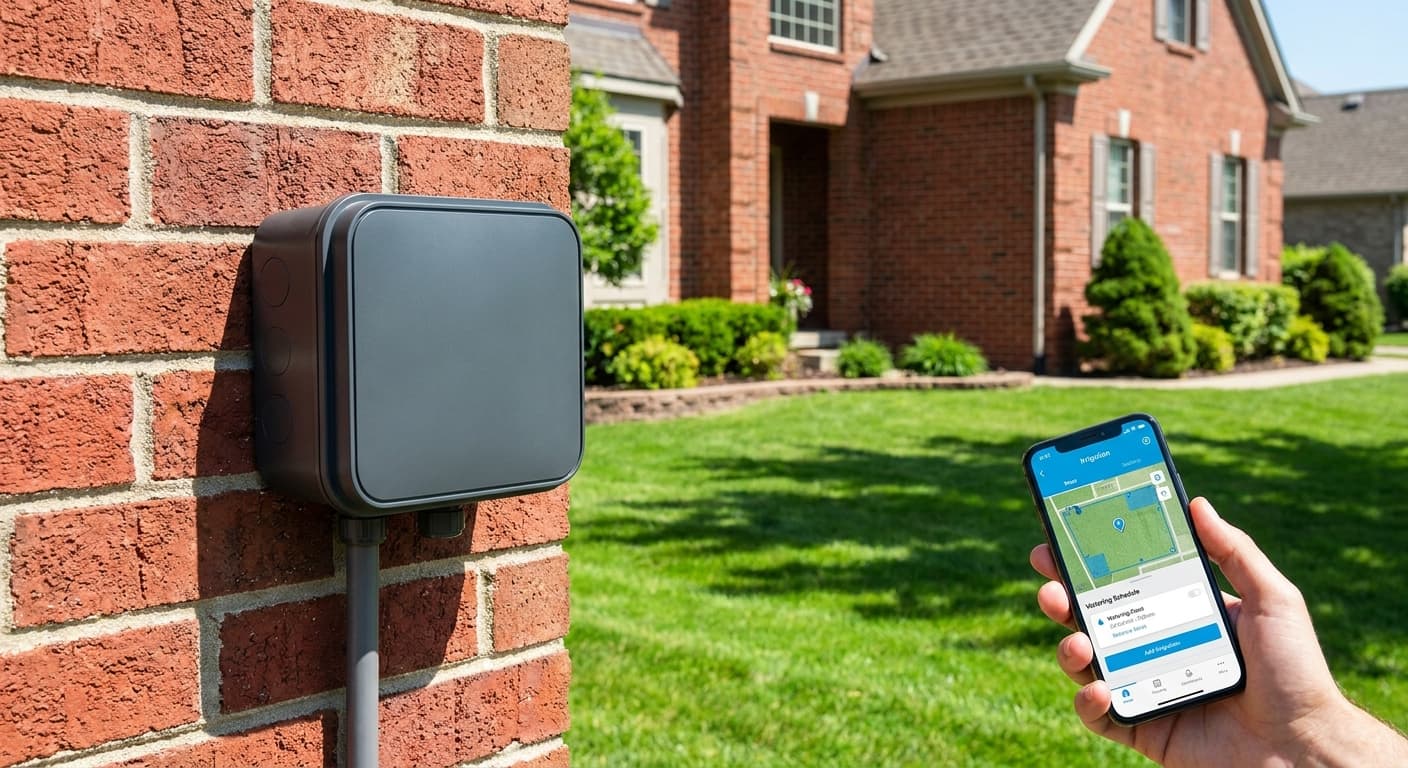
Winterize irrigation systems in Fort Wayne between mid-October and early November, before the first hard freeze when temperatures drop below 32°F for extended periods. Proper winterization involves shutting off water supply, draining lines, and blowing out remaining water with compressed air to prevent freeze damage.

Winterization Timeline

StepTimingAction
Reduce wateringLate SeptemberBegin tapering irrigation
Stop irrigationMid-OctoberEnd regular watering cycle
Schedule blowoutLate OctoberBook professional or rent compressor
Complete winterizationBefore hard freezeDrain and blow out system

DIY vs Professional

Professional Winterization ($50-100):

  • Commercial air compressor
  • Experience avoiding damage
  • Inspection of system
  • Warranty protection
  • Time savings

DIY Winterization:

  • Rent compressor ($40-60)
  • Risk of damage if improper
  • Time investment
  • Need knowledge of system
  • Acceptable for simple systems

Winterization Steps

  1. Shut off water - Close main valve
  2. Open drain valves - Release standing water
  3. Blow out lines - Compressed air through each zone
  4. Protect backflow preventer - Insulate exposed parts
  5. Disable controller - Prevent accidental cycling

Irrigation system being winterized

Should You Apply Grub Control in Fall?

Fall is too late for preventive grub control but may be appropriate for curative treatment if active grub damage is discovered. Grub prevention should occur in June-July before eggs hatch, but if you find grubs now, a curative product like trichlorfon (Dylox) can reduce damage before grubs burrow deep for winter.

Fall Grub Assessment

When to Check:

  • Late August through September
  • When brown patches appear
  • When sod pulls up easily
  • After noticing increased bird activity

How to Check:

  1. Cut 12" × 12" section in damaged area
  2. Lift sod and examine soil
  3. Count white C-shaped grubs
  4. 5+ per square foot = treatment threshold

Fall Treatment Options

ProductTimingEffectiveness
Trichlorfon (Dylox)When grubs foundGood - kills on contact
Carbaryl (Sevin)When grubs foundModerate
PreventivesNext June-JulyN/A for current season

Treatment Guidelines

If grubs found now:

  • Apply curative product immediately
  • Water in thoroughly (helps reach grubs)
  • Results visible in 1-2 weeks
  • Dead grubs won’t cause more damage
  • Plan preventive treatment for next year

If no grubs found:

  • No fall treatment needed
  • Mark calendar for June preventive
  • Monitor for damage signs
  • Healthy lawn tolerates some grubs

What’s the Final Fall Lawn Care Task?

The final fall lawn care task is a thorough cleanup after the last mowing, including removing any remaining leaves, clearing debris from beds and lawn edges, and ensuring the lawn enters winter clean and at proper height. This prevents snow mold, reduces rodent habitat, and ensures your lawn is ready for spring.

Final Cleanup Checklist

TaskPurposeMethod
Remove all leavesPrevent smotheringBlow, rake, or bag
Clear debrisReduce disease sitesWalk and collect
Edge bedsClean appearanceTrim overgrowth
Clean equipmentWinter storage prepDrain fuel, clean
Inspect lawnNote problem areasWalk entire property

Equipment Winterization

Mower:

  • Run or drain fuel
  • Clean deck and blades
  • Change oil (optional)
  • Store in dry location

Spreader:

  • Empty and clean
  • Lubricate moving parts
  • Store inside

Tools:

  • Clean and oil
  • Sharpen blades
  • Store properly

Setting Up for Spring Success

Before closing out fall:

  1. Document problem areas - Note where to focus next year
  2. Plan spring tasks - Schedule early services
  3. Review what worked - Repeat successful practices
  4. Identify needs - Equipment, products, services
  5. Mark calendar - Pre-emergent timing especially

Clean lawn ready for winter after fall care completion


Complete Your Fall Lawn Care Today

Fall lawn care may seem like a lot of work, but each task builds on the others to create a healthier, more resilient lawn. Start with the time-sensitive items—aeration and overseeding—then work through the remaining checklist as the season progresses.

Need help with fall lawn care? Our team handles everything from aeration to winterization.

Request a Free Quote or call us at (260) 450-4676 to schedule your fall lawn care services.


Frequently Asked Questions

Is it too late to overseed in October?

In Fort Wayne, mid-October is the latest recommended seeding window. Seed planted after October 15 may germinate but might not establish strong enough roots before winter. If you’re past the window, wait until next fall for best results.

Should I rake leaves or mulch them?

Light leaf coverage can be mulched with a mulching mower. Heavy coverage should be raked or blown first, then any remaining shredded leaves can be mulched. The key is ensuring grass remains visible through the mulched leaves.

Can I fertilize and overseed at the same time?

Use starter fertilizer (high phosphorus) at seeding time. Wait 4-6 weeks before applying regular fertilizer to avoid burning young seedlings. The fall application schedule accommodates this timing naturally.

How short should I cut grass for the last mowing?

Gradually reduce height to about 2.5 inches for the final mowing. Don’t drop height dramatically in one cut—lower it over 2-3 mowings to avoid stressing the grass.

When should I stop watering in fall?

Reduce watering as temperatures cool through September and October. Stop irrigation entirely once grass goes dormant or before your first hard freeze—whichever comes first. Winterize your system before freezing temperatures arrive.

Do I need to treat for weeds in fall?

Fall is excellent for controlling perennial broadleaf weeds because they’re storing nutrients in roots, helping herbicides translocate throughout the plant. Apply in late September to early October for best results.

Should I aerate every fall?

For most Fort Wayne lawns with clay soil, annual aeration is beneficial. If your soil is loose and uncompacted, you might alternate years. When in doubt, err on the side of aerating—the benefits outweigh the minimal disruption.

What if leaves fall after I’ve cleaned up?

Continue removing leaves as they fall. Multiple cleanups may be needed, especially if your property has many trees or neighbors’ leaves blow in. The final cleanup should happen after most leaves have fallen, just before snow.


Sources


Adam Minnick is the owner of Minnick Lawn & Landscaping, serving Fort Wayne, Auburn, and Northeast Indiana since 2018. With years of experience in professional lawn care, Adam and his team help hundreds of local homeowners achieve beautiful, healthy lawns.