Proper lawn mowing is the foundation of a healthy, attractive yard in Fort Wayne, Indiana. Many homeowners overlook the importance of correct cutting technique, timing, and equipment maintenance—but these details directly impact your grass health, curb appeal, and long-term lawn success. Whether you're managing a small residential lot or a larger property, understanding best practices will save you time, money, and frustration.
What Is the Ideal Cutting Height for Fort Wayne Lawns?
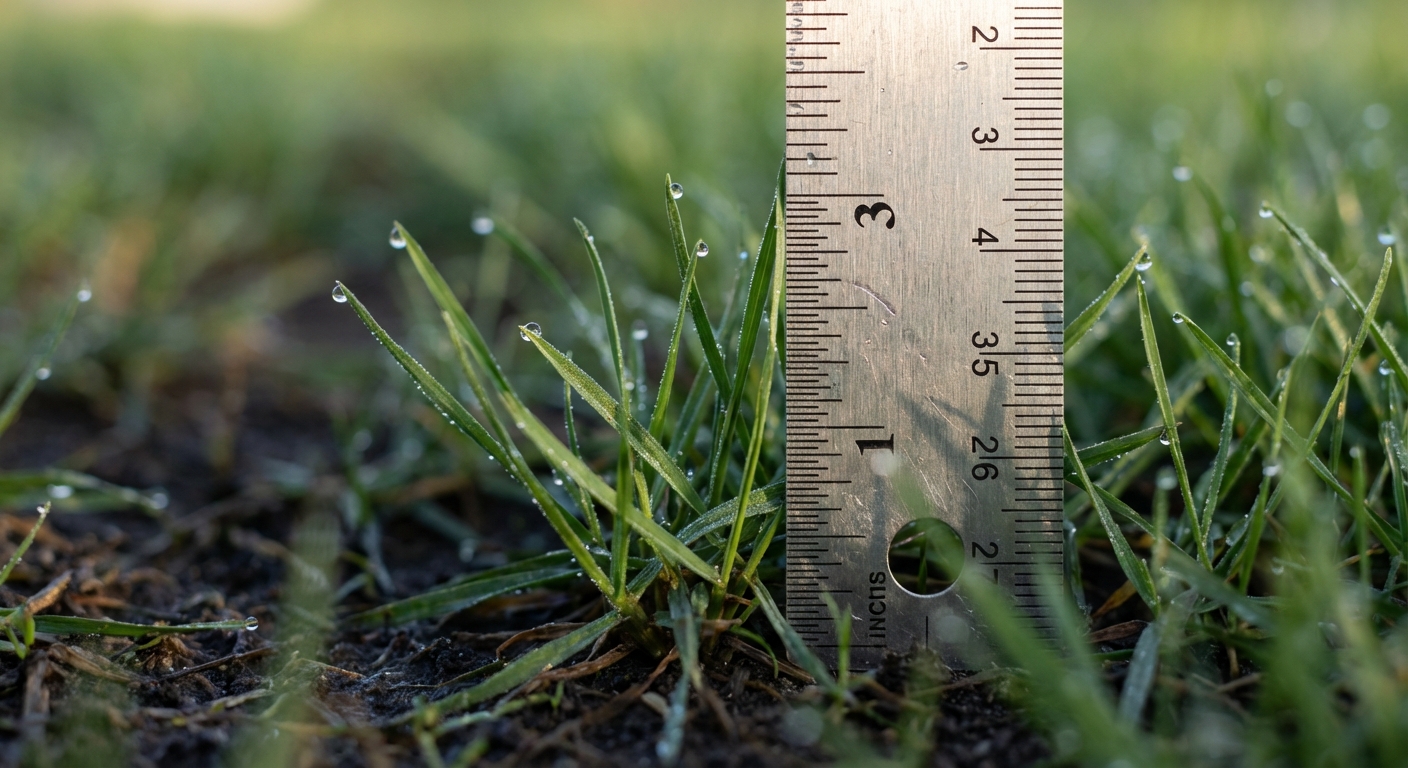
The ideal mowing height for most Fort Wayne lawns is 2.5 to 3.5 inches, depending on your grass type and season. Most Northeast Indiana properties are planted with cool-season grasses like Kentucky bluegrass and perennial ryegrass, which thrive at this height. Cutting too short weakens the grass, exposes soil to weeds, and stresses the plant during hot summers.
Follow the one-third rule: never remove more than one-third of the blade length in a single mowing. This prevents shock and encourages deeper root development. In spring and early summer, when grass grows rapidly, you may need to mow every 5–7 days. During summer dormancy (typically July–August in Northeast Indiana) or fall slowdown, extend your mowing cycle to every 10–14 days. In late autumn, gradually lower your cutting height to 2 inches before winter to reduce fungal disease risk.
How Often Should You Mow Your Lawn in Northeast Indiana?
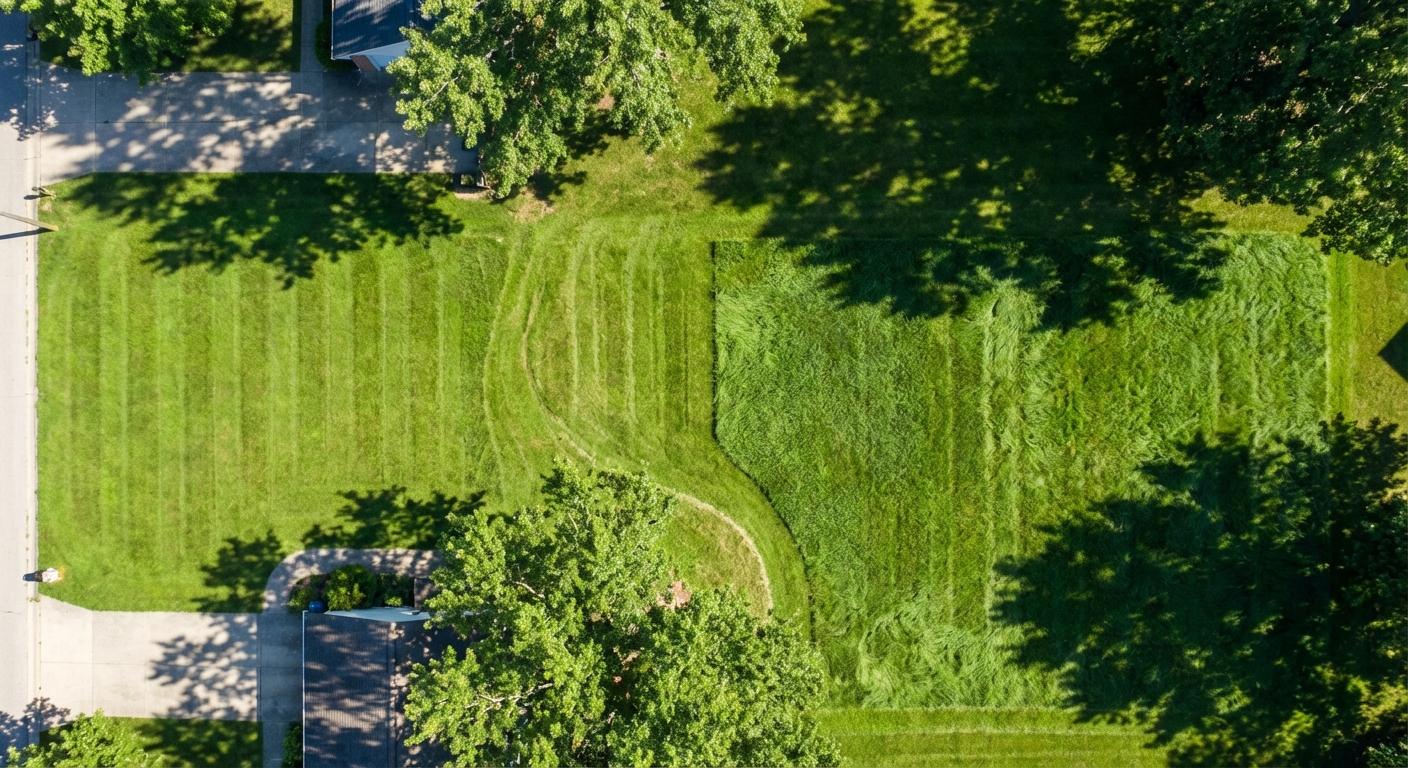
Mowing frequency depends on grass growth rate, which varies with season, rainfall, and temperature. During peak growing season (April–June in Fort Wayne), weekly mowing is typically necessary. A simple rule: mow whenever your grass reaches about 4–5 inches tall, so you can cut it back to 2.5–3.5 inches without violating the one-third rule.
- Spring (April–May): Weekly mowing
- Early summer (June): 5–7 day intervals
- Mid-summer (July–August): Every 10–14 days (growth slows due to heat stress)
- Fall (September–October): 7–10 day intervals as growth accelerates again
- Late fall (November): Final mowing before dormancy, typically 1–2 times
Heavy rain or ideal spring conditions can accelerate growth—be flexible and adjust your schedule accordingly. If you're too busy to keep up, professional lawn mowing services in Fort Wayne ensure consistent, properly timed cuts year-round.
What Mower Maintenance Tasks Keep Your Equipment Running?
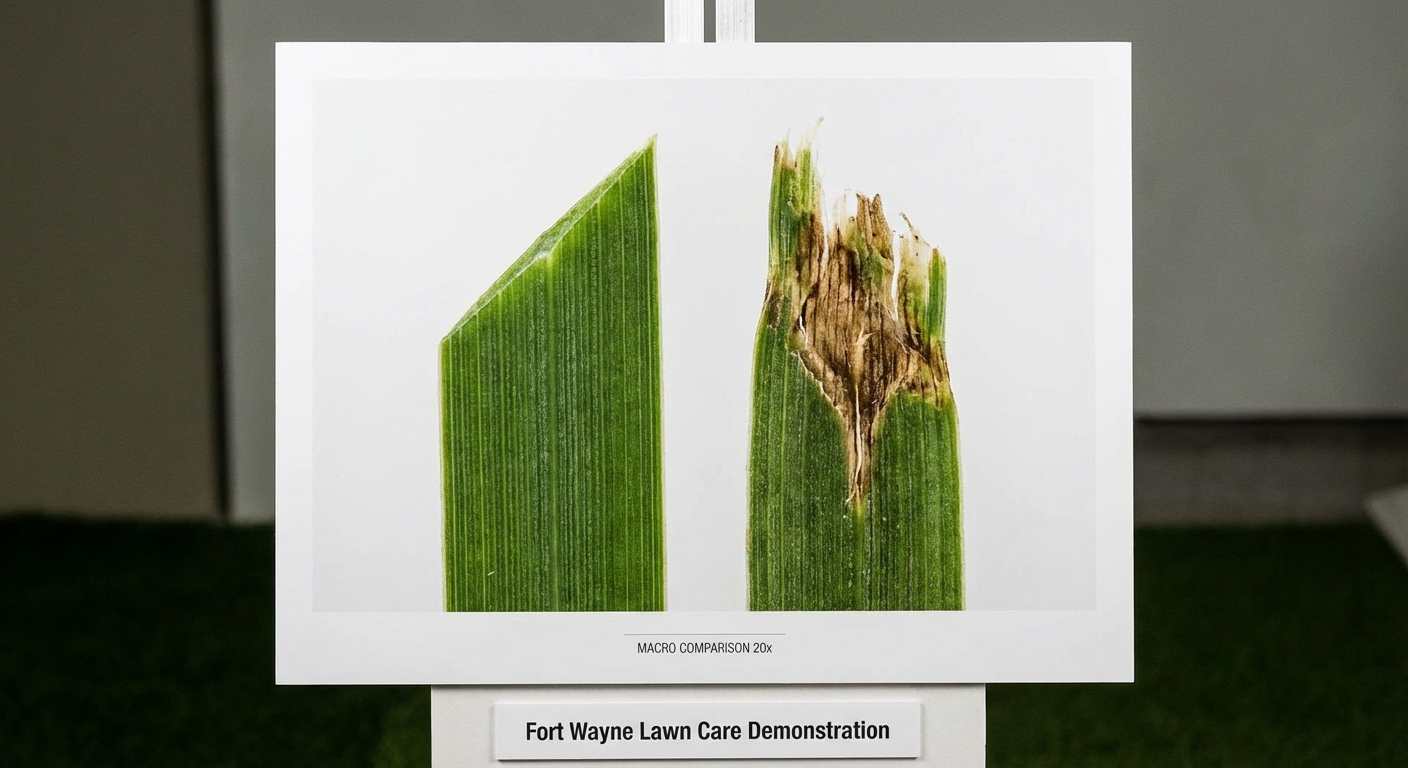
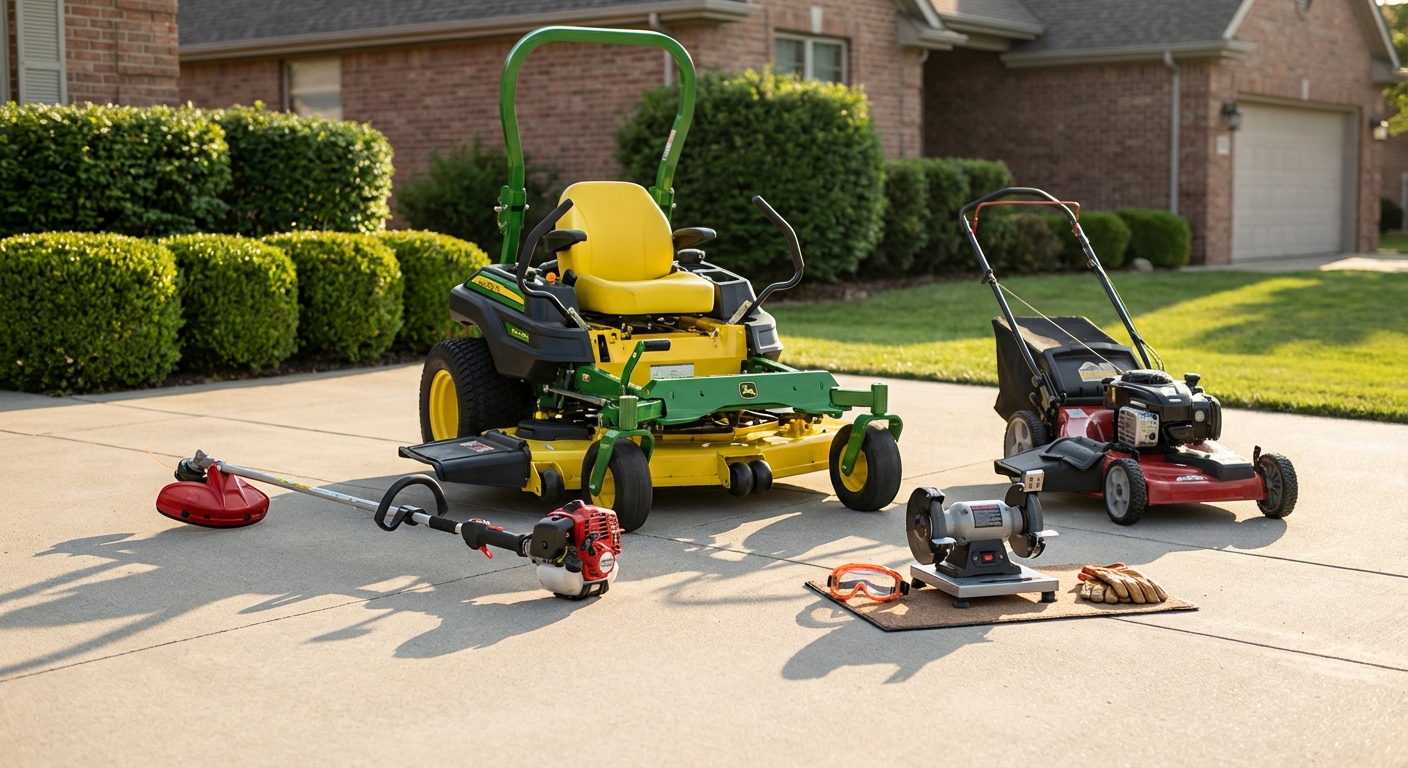
A well-maintained mower cuts cleaner, starts easier, and lasts longer. Before the Fort Wayne spring season arrives, perform basic maintenance: sharpen or replace the blade, change the oil, replace the air filter, and inspect spark plugs. Dull blades tear grass rather than cut it, creating ragged edges that invite disease and pest problems.
Essential Pre-Season Maintenance Checklist
- Sharpen the blade – A dull blade tears grass, causing brown, frayed tips and stress
- Change the oil – Fresh oil keeps the engine running smoothly throughout the season
- Replace or clean the air filter – A clogged filter reduces engine efficiency
- Check spark plugs – Replace if corroded or worn
- Inspect the deck – Remove rust and debris from the cutting deck
- Check tire pressure – Proper pressure ensures even cutting height
A sharp blade is one of the single most important factors in lawn health. Dull mowers create stress fractures in grass that lead to disease, thinning, and weed invasion—problems that plague many Fort Wayne lawns unnecessarily.
During the season, clean the deck after each mowing (especially important in wet conditions common in Northeast Indiana), sharpen the blade every 20–25 hours of use, and keep oil at proper levels. Store your mower in a dry location and perform end-of-season maintenance before storing for winter.
Should You Mulch, Bag, or Discharge Your Clippings?
Mulching clippings (leaving them on the lawn) is the best choice for most Fort Wayne homeowners. Clippings decompose and return nitrogen and other nutrients to the soil, reducing fertilizer needs by up to 25%. This practice, called grasscycling, is especially valuable in Northeast Indiana's clay-heavy soil, which benefits from organic matter and nutrient cycling.
Mulching works best when:
- Grass is dry at mowing time
- You follow the one-third rule and don't leave heavy windrows
- You mow regularly so clippings are fine and break down quickly
- Your lawn is disease-free (avoid mulching if fungal disease is active)
Bagging is necessary in wet conditions when clippings clump, or in fall when leaf debris is heavy. Discharging to the side is generally not recommended—clippings create unsightly piles and waste nutrients. If you bag clippings, consider composting them or using them as mulch in garden beds rather than sending them to the landfill.
When Is the Best Time of Day to Mow Your Lawn?
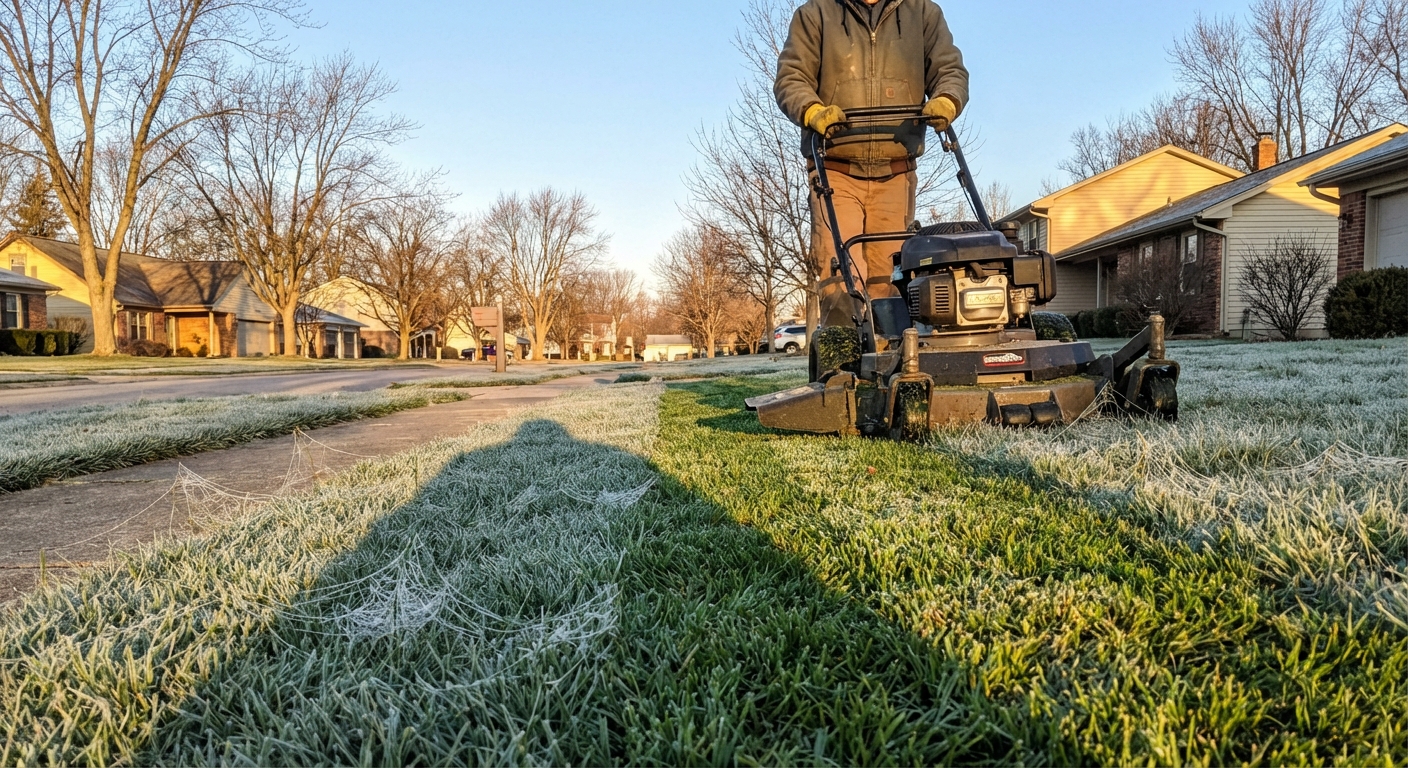
Mow in the late afternoon or early evening (after 4 p.m.) whenever possible, particularly during hot Fort Wayne summers. Mowing stresses grass and causes water loss through freshly cut blade edges. Cutting in cool evening hours gives the grass time to recover before the next day's heat and intense sun. Avoid mowing in early morning when dew is heavy—wet clippings clump and clog the mower deck.
Never mow during the hottest part of the day (11 a.m.–3 p.m.), as this combination of fresh cuts and intense heat can scorch grass and promote dormancy. In spring and fall when temperatures are mild, you have more flexibility, but evening mowing is still ideal. During wet periods common in Northeast Indiana, wait at least a day after heavy rain before mowing—this allows the soil to firm up and reduces compaction.
What Mowing Pattern Should You Use?
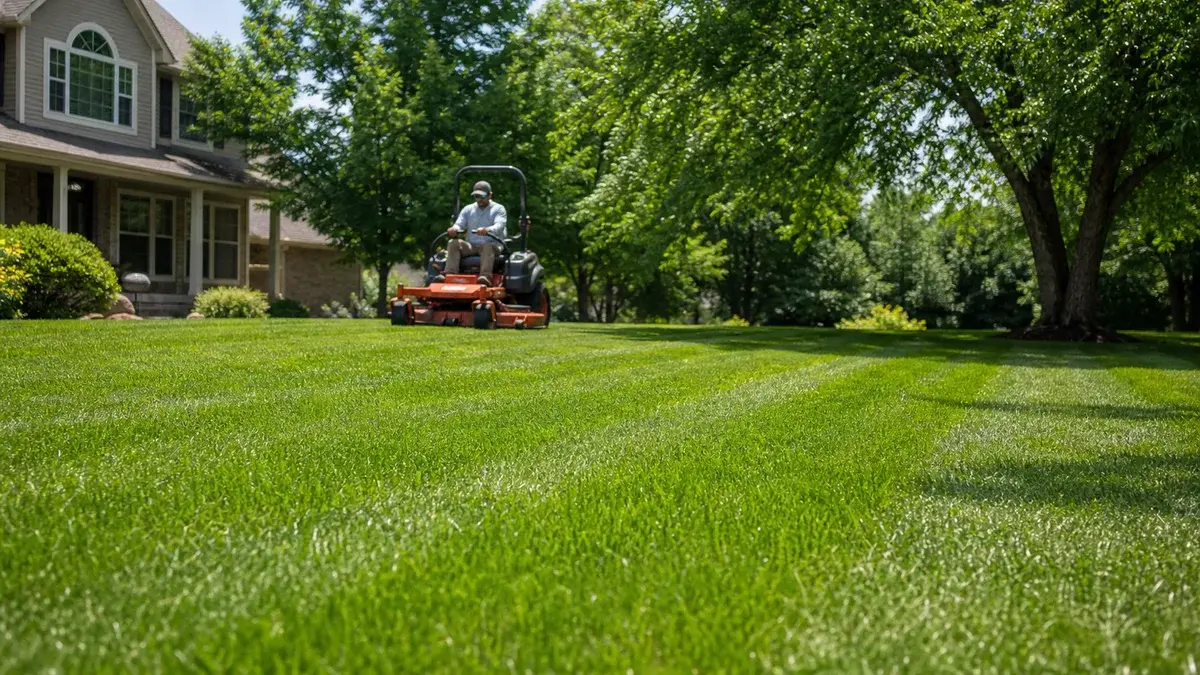
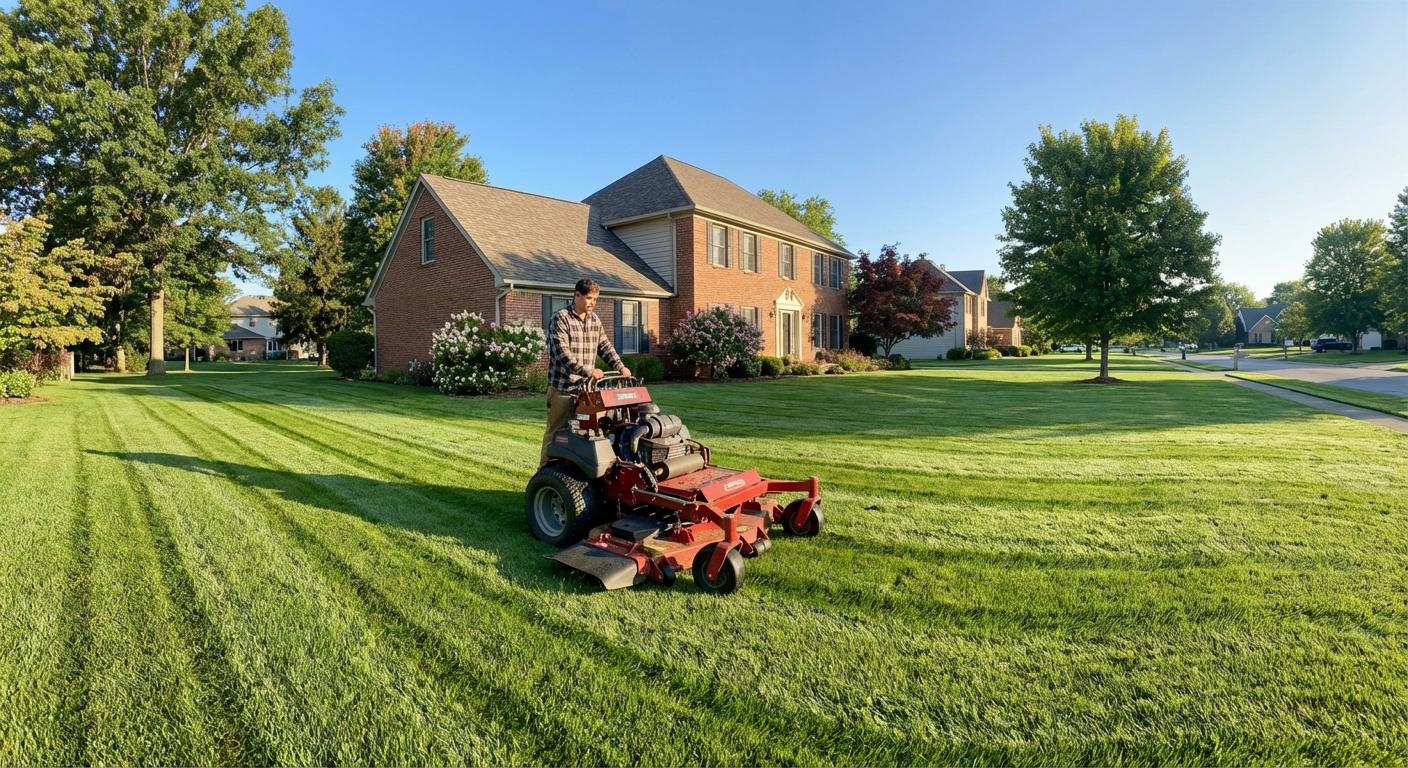
Vary your mowing pattern weekly to prevent soil compaction, reduce wear patterns, and promote more uniform grass growth. Alternating between vertical stripes, diagonal patterns, and circular paths prevents the grain from developing. This is especially important in Fort Wayne where clay soil can compact easily, restricting water and nutrient absorption.
For the first and last mowing of the season, mow in one direction. In between, change directions each week. This simple practice encourages upright growth, improves aesthetics, and extends turf health. If you have a large property or want professional-quality results without the effort, contact Minnick Lawn & Landscaping for a free quote on regular lawn mowing services throughout the Fort Wayne area.
Consistency matters more than perfection. A homeowner who mows regularly at the correct height will have a healthier lawn than one who mows sporadically at the wrong height, regardless of technique.
How Can You Troubleshoot Common Mowing Problems?
If your lawn shows signs of stress after mowing, diagnose the issue quickly. Ragged, torn blade tips indicate a dull mower blade—sharpen or replace immediately. Brown patches in mowing lines suggest uneven cutting height—check tire pressure and deck levelness. Scalping (excessive cutting into bare soil) usually means cutting too short or mowing over uneven terrain. Heavy windrows of clippings that don't break down indicate you're violating the one-third rule—increase mowing frequency.
If your mower leaves strips of uncut grass, the blade may be spinning too slowly (check spark plug and engine health) or the deck is clogged with debris. If grass appears diseased or yellowed after mowing, especially in humid Northeast Indiana summers, reduce cutting height gradually, improve air circulation by spacing trees and shrubs, and ensure proper irrigation. When in doubt, consult with professionals—Minnick Lawn & Landscaping's lawn care experts can assess your property and recommend adjustments.
Mastering lawn mowing best practices transforms your Fort Wayne yard from average to outstanding. Proper cutting height, regular maintenance, and smart timing protect your investment and create the healthy, attractive lawn every homeowner wants. Ready to take your lawn care to the next level? Request a free quote from Minnick Lawn & Landscaping today and discover how professional lawn mowing and care can save you time while delivering superior results across Auburn, New Haven, Huntertown, and all of Northeast Indiana.