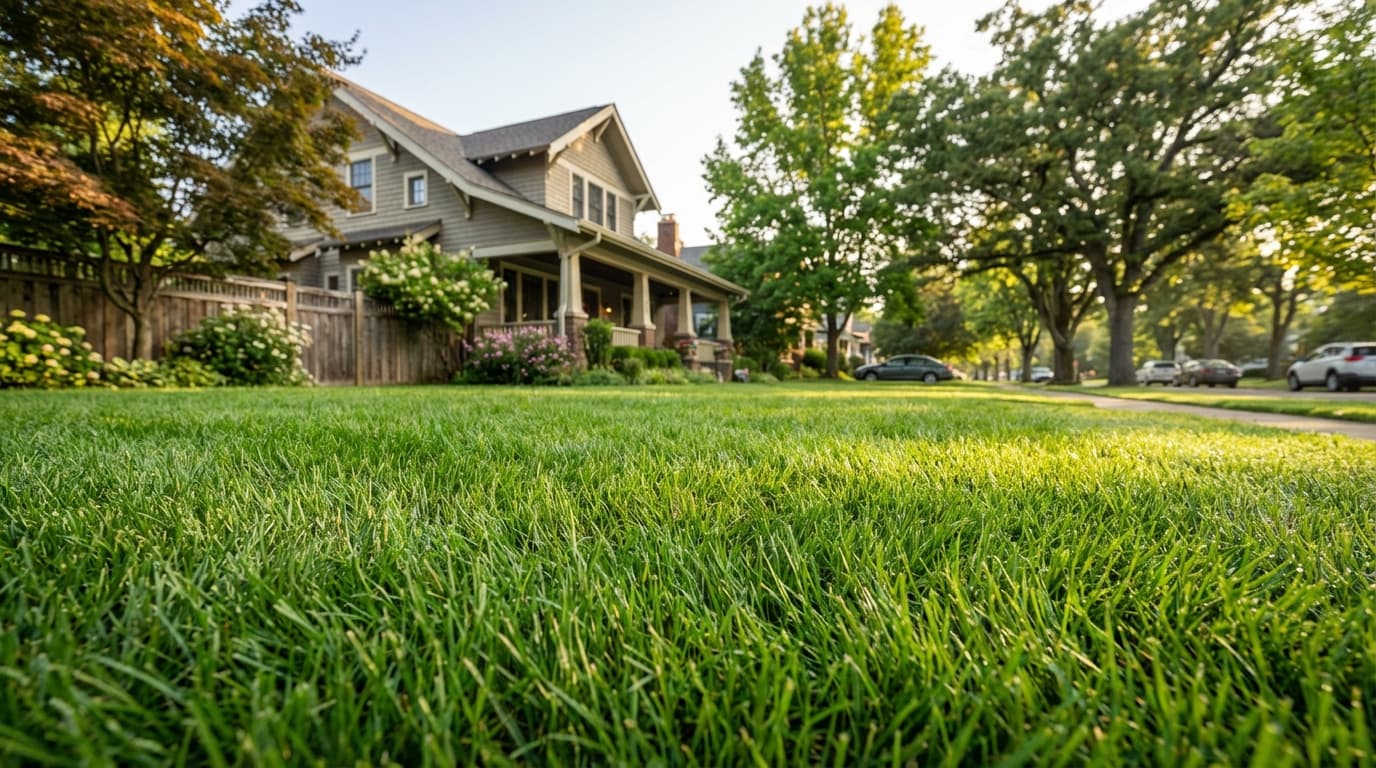
A properly timed fertilizer schedule is the foundation of a thick, healthy lawn in Fort Wayne, Indiana. Our Zone 5b climate and clay-heavy soil require strategic nutrient applications throughout the growing season. Timing fertilizer applications to match grass growth cycles and soil temperature ensures your lawn gets exactly what it needs, when it needs it, without waste or environmental runoff.
Why Does Fertilizer Timing Matter in Northeast Indiana?
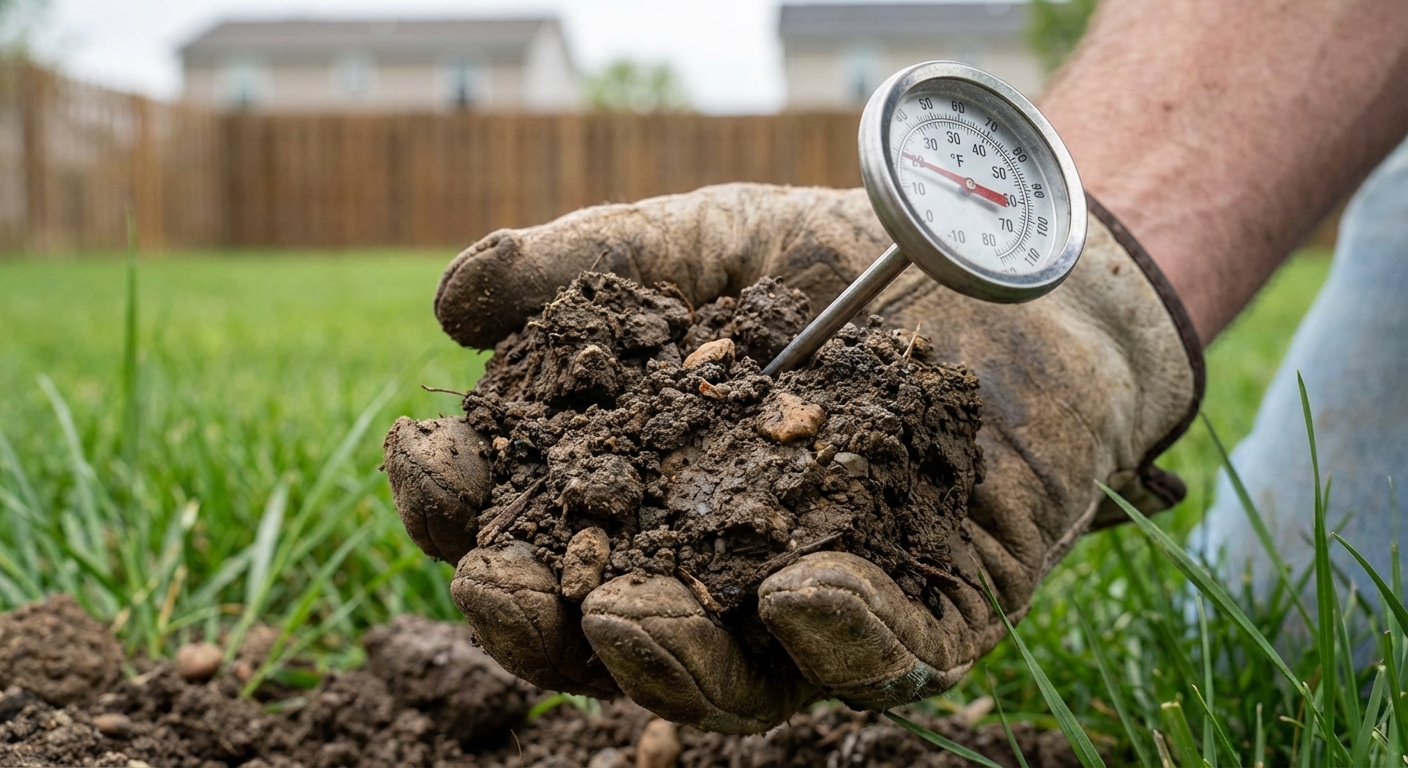
Fertilizer isn't just about dumping nutrients on your lawn whenever you think about it. In Fort Wayne's cool-season climate, grass grows most vigorously during spring and fall when soil temperatures are ideal. Applying fertilizer during peak growth periods maximizes nutrient uptake and minimizes waste. Our clay-based soils also hold nutrients differently than sandy soils, meaning a generic national schedule won't work for Northeast Indiana properties.
Soil temperature is the key trigger for fertilizer application. Cool-season grasses like the fescues and bluegrass common in Fort Wayne lawns thrive when soil temps are between 40°F and 70°F. Below 40°F, grass roots can't absorb nutrients effectively. Above 70°F, your lawn shifts into survival mode rather than growth mode.
The best fertilizer schedule matches your grass's natural growth cycle, not the calendar. Spring and fall applications deliver the most value in Fort Wayne's climate.
What Is the Ideal Fertilizer Schedule for Fort Wayne Lawns?
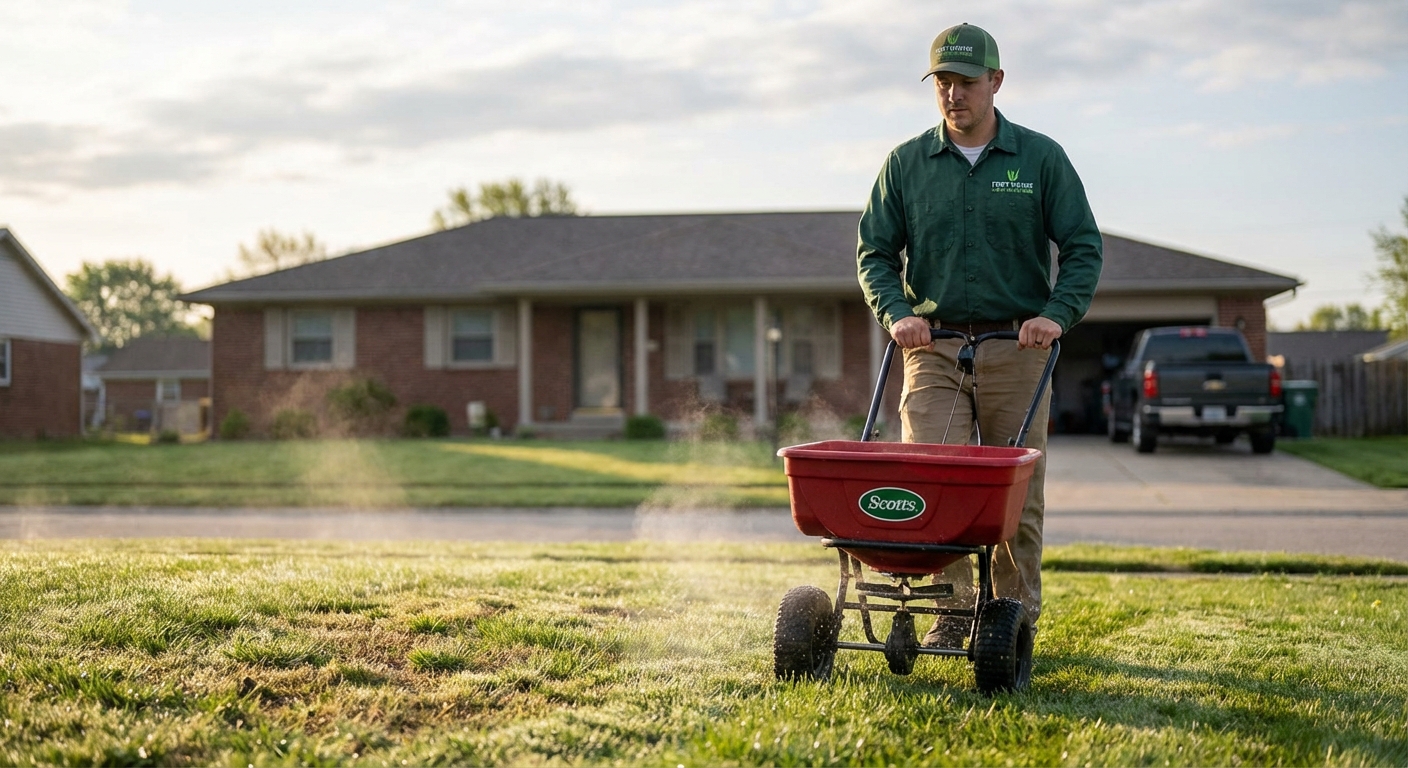
A five-application program works best for most Fort Wayne homeowners aiming for a premium lawn. This schedule aligns with our region's soil temperatures and grass growth patterns. The timing prevents nutrient deficiencies while respecting environmental stewardship and local water quality standards.
The Five-Step Seasonal Schedule
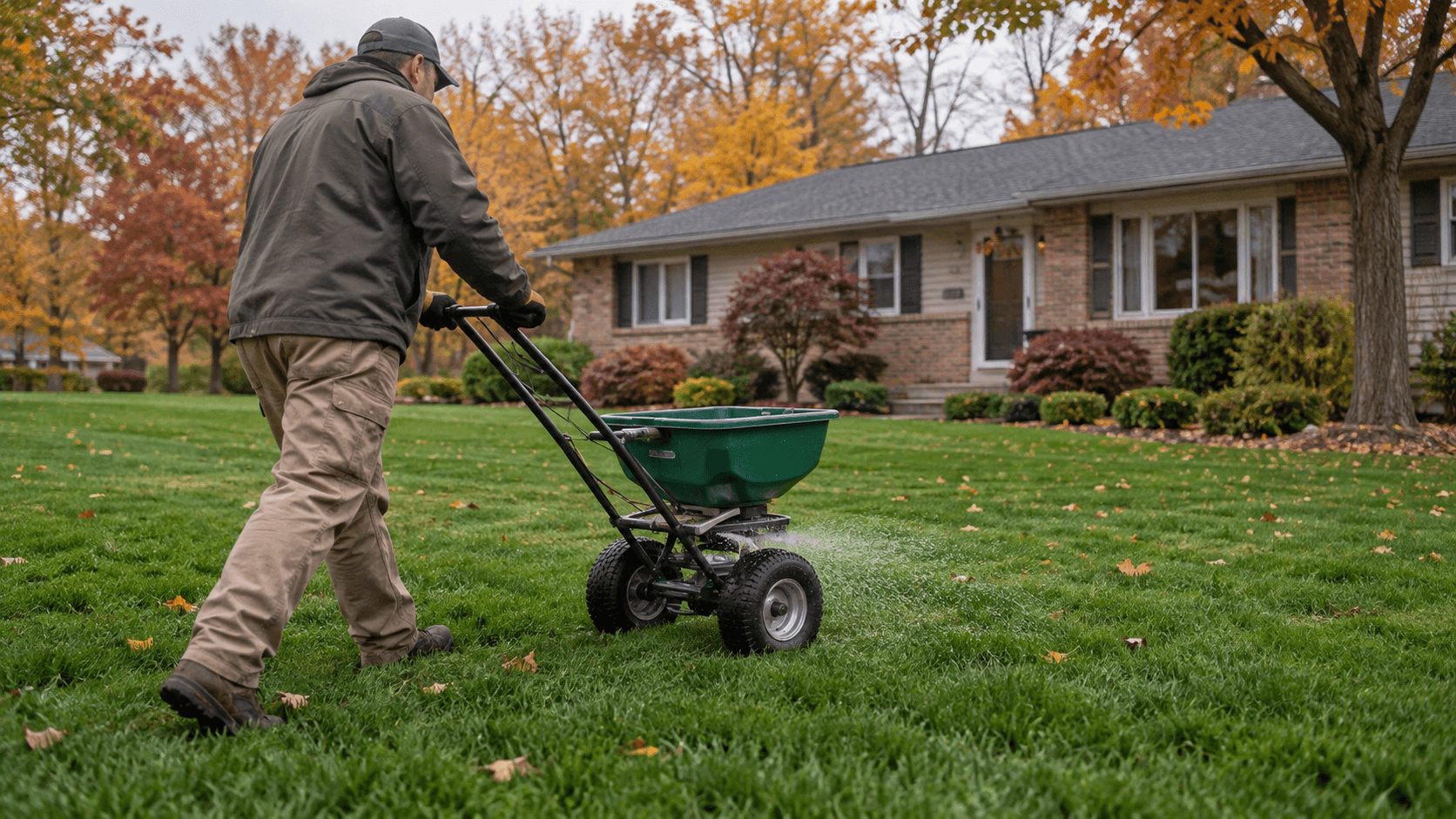
- Early Spring (Late March–Early April): Apply a balanced fertilizer when soil temperature reaches 40°F consistently. This awakens dormant grass and supports root development. Use a slow-release formula to avoid promoting excessive top growth before the root system is ready.
- Late Spring (Late May–Early June): A lighter application or organic-based product as soil temps approach 70°F. This feeding supports the grass into early summer without pushing it into heat stress.
- Summer (July–August): Skip heavy feeding or use a summer maintenance product with low nitrogen. Fort Wayne heat and typical summer humidity create stress; over-fertilizing worsens turf decline.
- Early Fall (Late August–September): Your most critical application. Cool nights and returning moisture create ideal growing conditions. A nitrogen-rich feeding now builds root reserves for winter and spring.
- Late Fall (October–November): A potassium-focused or winter-prep fertilizer strengthens cell walls and cold hardiness. Apply before the first hard freeze when soil temps drop to 40°F or below.
Should You Get a Soil Test Before Fertilizing?
Yes—a soil test is the smartest investment for any Fort Wayne lawn owner. It reveals your soil's pH, nutrient levels, and organic matter content, eliminating guesswork. Many homeowners over-fertilize because they don't know what their soil actually contains. In Northeast Indiana's naturally clay-heavy, slightly acidic soils, a test often shows you're paying for nutrients you don't need.
The Purdue University Extension office offers affordable soil testing. A test costs $20–$30 and provides a detailed report with fertilizer recommendations tailored to your lawn type and goals. You'll learn exactly what nitrogen, phosphorus, and potassium ratios suit your property. This is especially valuable if you're new to an area or trying to revive a neglected lawn.
How Much Fertilizer Does Your Fort Wayne Lawn Really Need?
Most residential lawns in Fort Wayne thrive on 1–1.5 pounds of nitrogen per 1,000 square feet per application, spread across the season. Over-applying is common and wasteful. Excess nitrogen runs off into local waterways, contributing to algae blooms in Fort Wayne's nearby lakes and streams. It also promotes weak, disease-prone growth that requires more mowing.
For a typical 5,000-square-foot yard, this means:
- 5–7.5 pounds of nitrogen per application
- 25–37.5 pounds of nitrogen annually across five applications
- Most quality lawn fertilizers (like 10-10-10 or 15-0-15 formulas) are mixed to deliver this range
- Slow-release fertilizers release nutrients gradually, reducing runoff and feeding your lawn longer
What Fertilizer Formula Works Best in Fort Wayne?
Choose fertilizers with slow-release nitrogen, especially in spring and fall when leaching loss is highest. The three numbers on any fertilizer bag represent nitrogen (N), phosphorus (P), and potassium (K). For Northeast Indiana lawns, a balanced spring/fall formula like 10-10-10 or 15-0-15 works well, while summer might call for something lighter like 8-0-24 to build drought tolerance.
Organic options appeal to environmentally conscious Fort Wayne homeowners. Compost-based products, seaweed extracts, and fish emulsion improve soil structure alongside feeding your grass. These take slightly longer to show results but build long-term soil health in our challenging clay soils. Conventional synthetic fertilizers deliver faster greening but require more precise timing to avoid runoff.
How Does Professional Fertilizer Application Improve Results?
Professional lawn care services in Fort Wayne optimize your fertilizer schedule with soil testing, precise timing, and custom blends matched to your lawn's specific needs. We monitor local soil temperatures and adjust application windows accordingly—something homeowners often miss. Our equipment applies fertilizer evenly, preventing burn spots and maximizing nutrient efficiency.
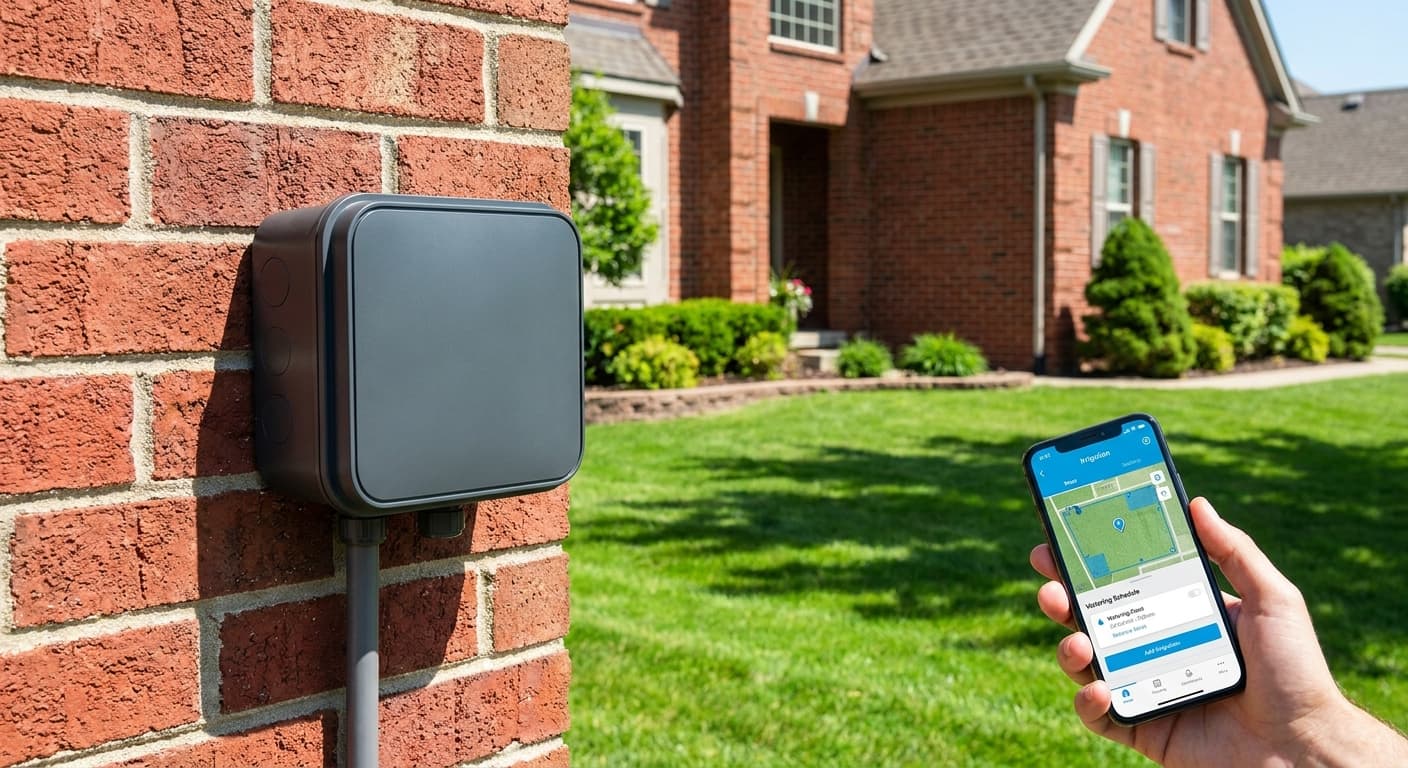
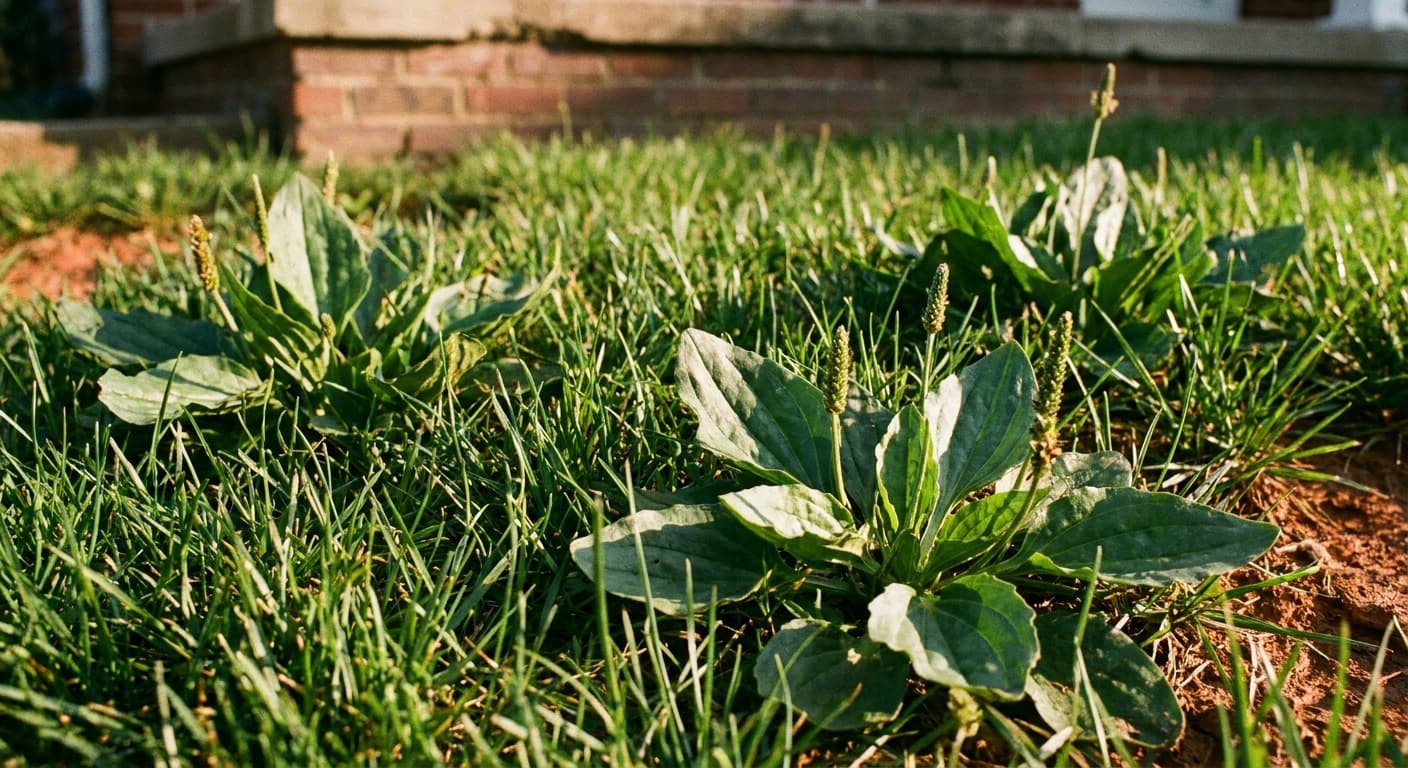
Minnick Lawn & Landscaping combines fertilizer applications with weed control and lawn maintenance for synergistic results. A well-fed lawn naturally outcompetes weeds. We also time applications around seasonal moisture patterns in Fort Wayne, ensuring nutrients stay in the soil where roots can use them rather than washing away in spring rains.
Professional scheduling removes the guesswork and adapts to real-time soil conditions, not a calendar date.
What Common Fertilizer Mistakes Should Fort Wayne Homeowners Avoid?
The biggest mistake is applying fertilizer on a schedule regardless of soil temperature. A frozen or dormant lawn can't use nutrients—they just wash into our local groundwater. Spring rains can amplify this problem in Northeast Indiana. Another common error is over-applying to rush results. Heavy fertilizer doesn't create thick lawns faster; it creates weak, disease-prone growth and environmental harm.
Applying fertilizer before heavy rain is another pitfall. Fort Wayne's spring and early summer often bring intense storms. Fertilize when rain is expected within 1–2 days (enough to activate and move nutrients down), but not during or immediately before downpours. Finally, using the wrong formula at the wrong time—such as high-nitrogen fertilizer in summer—stresses your lawn rather than helps it.
Ready to dial in your Fort Wayne lawn's fertilizer schedule? Request a free quote from Minnick Lawn & Landscaping. We'll assess your soil, design a custom schedule, and handle every application so your lawn gets peak nutrition at the perfect time. With 79+ five-star reviews, we're your trusted partner for beautiful, healthy grass year-round in Fort Wayne and Northeast Indiana.