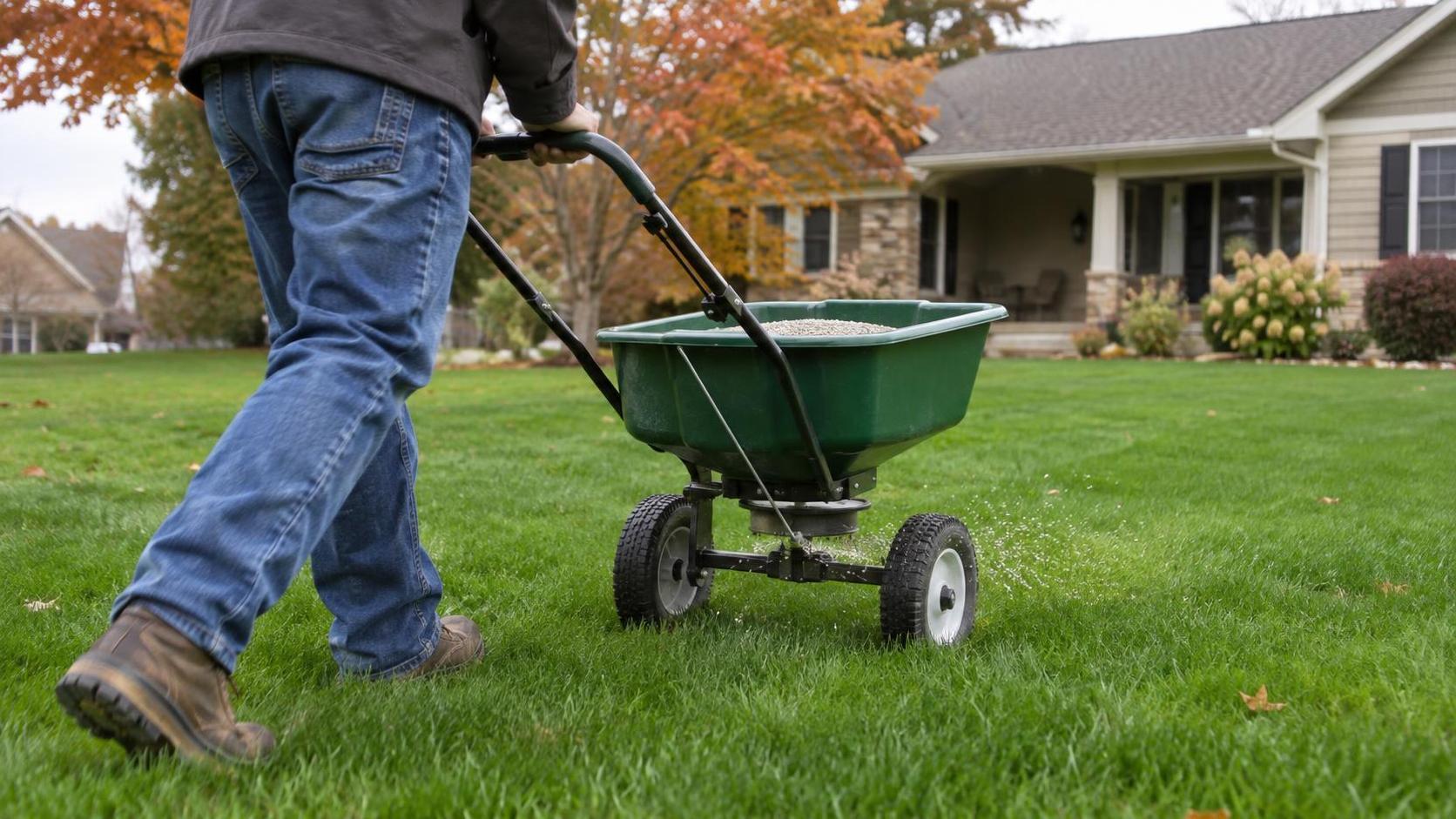
Grass treatment services in Fort Wayne usually combine fertilization, weed control, and lawn health checks, with aeration, overseeding, and pest or disease management added when a lawn needs them. The right mix depends on what your turf is struggling with, not on a one-size-fits-all package. Here is what each treatment involves in Northeast Indiana and how to choose a provider with confidence.
What Do Grass Treatment Services Include in Fort Wayne?
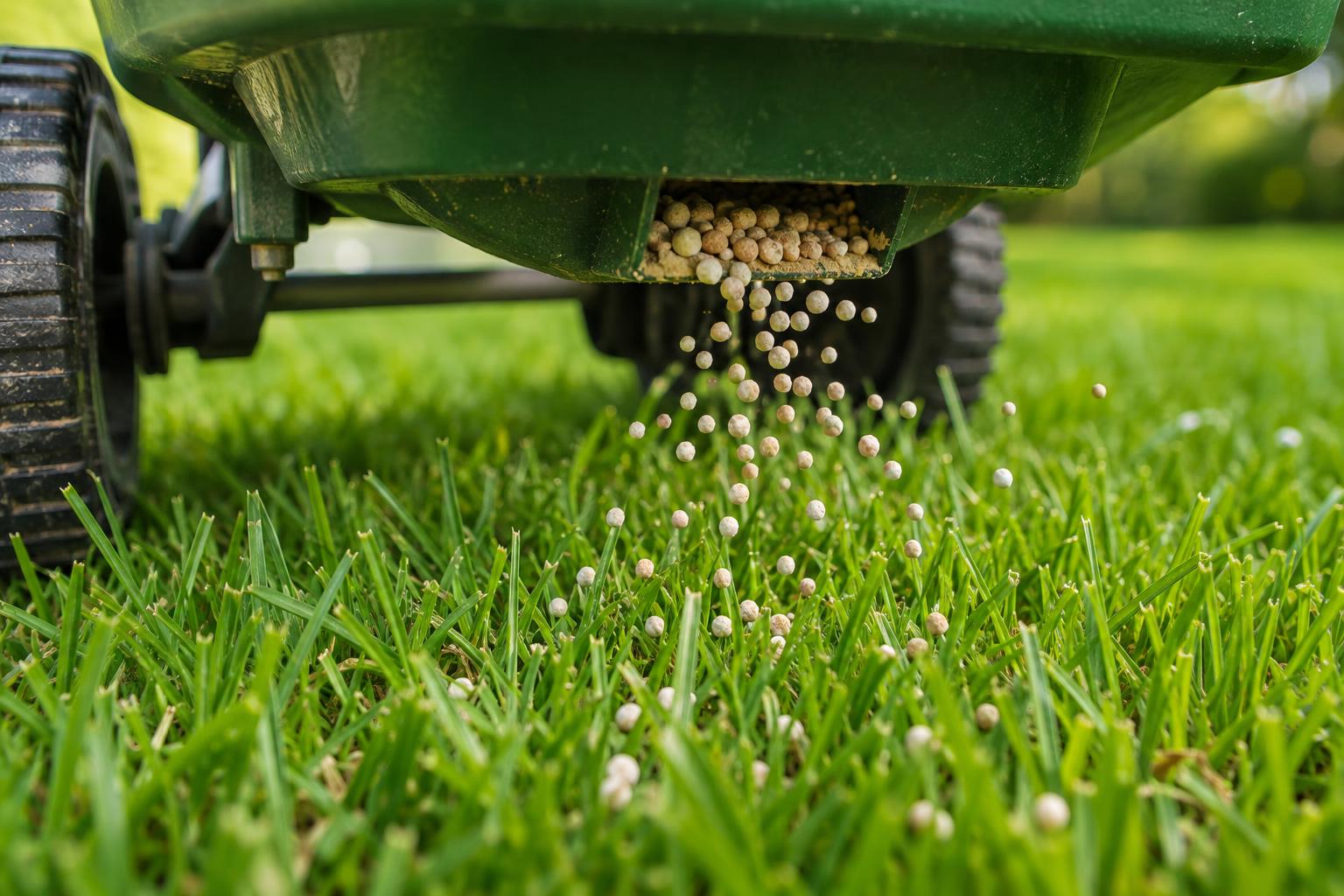
"Grass treatment" is a broad phrase, so it helps to know which pieces are actually on the table. Most Fort Wayne lawn programs are built from a handful of building blocks, and a good provider will explain which ones your lawn needs and why.
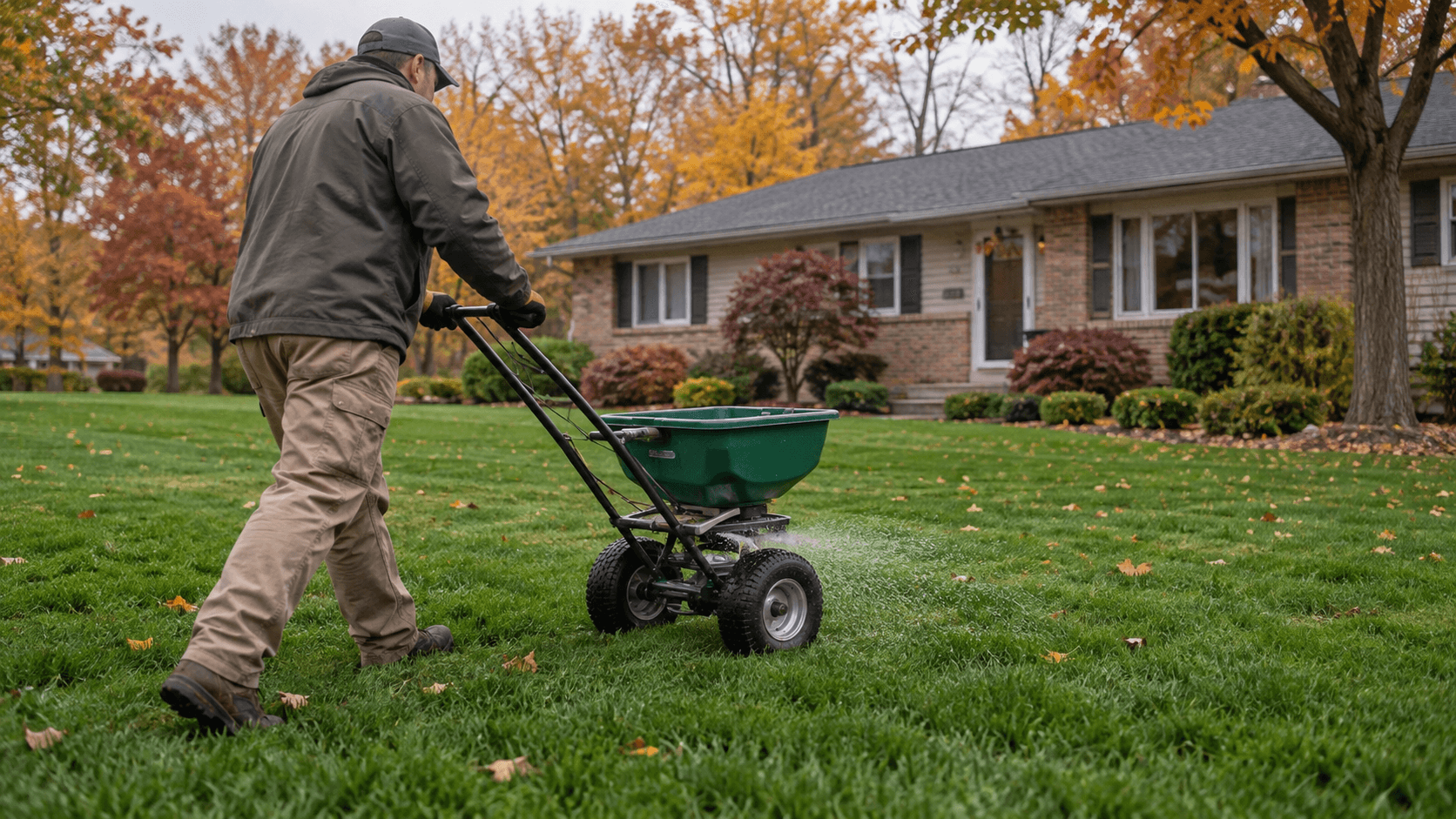
- Fertilization: scheduled feedings that supply the nutrients turf uses during active growth.
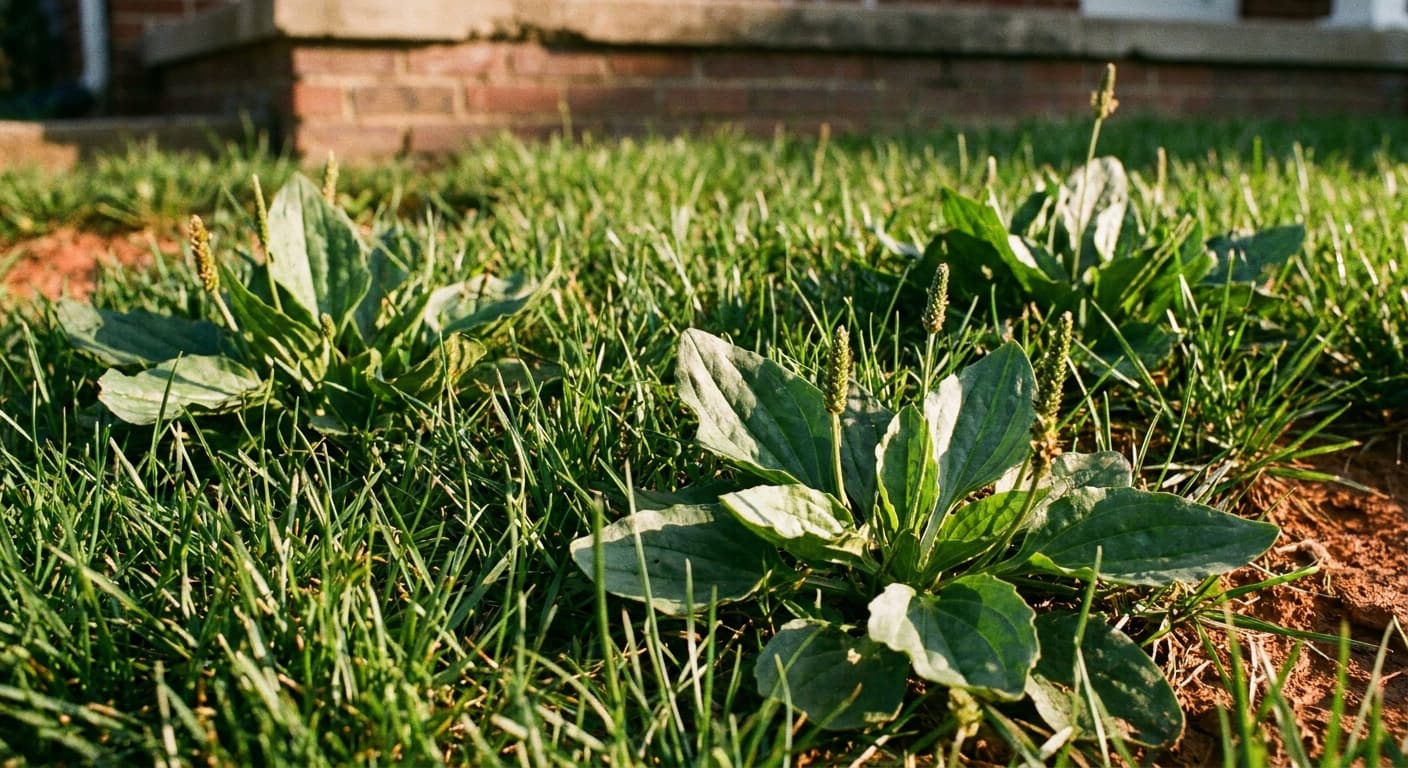
- Weed control: preventive and targeted applications to keep broadleaf weeds and crabgrass from taking hold.
- Lawn health analysis: a look at color, density, thatch, and soil conditions before anything is applied.
- Aeration and overseeding: opening compacted soil and adding seed to thicken thin areas.
- Pest and disease management: identifying the problem first, then treating only what is needed.
The best grass treatment starts with diagnosing your lawn, not with a standard spray schedule.
Why Does Fort Wayne Soil and Climate Change What Your Lawn Needs?
Northeast Indiana sits in USDA Zone 5b, with cold winters, hot summers, and clay-heavy soil that tends to compact. Cool-season grasses such as Kentucky bluegrass, tall fescue, and perennial ryegrass are the usual choices here, and they grow hardest in spring and fall.
Clay soil holds water and nutrients well, but it also compacts under foot traffic and mowing, which can limit root growth. That is why many local lawns benefit from aeration alongside feeding. Treatments that ignore soil conditions often deliver weaker results than the same product applied to well-prepared ground.
How Often Should Grass Be Treated in Northeast Indiana?
Most cool-season lawns in this region do best with several applications spread across the growing season rather than one heavy dose. A typical program starts with an early spring weed-prevention step, adds feedings through late spring and summer as conditions allow, and finishes with a fall application that helps roots recover and store energy before winter.
Exact timing shifts with the weather. A cold, wet spring pushes dates back, and a dry summer may call for lighter feedings. Our lawn fertilization schedule for Northeast Indiana walks through the seasonal rhythm in more detail.
What Should You Ask Before Hiring a Lawn Treatment Provider?
Comparing quotes is easier when you ask the same questions of every company. A few minutes on the phone can tell you a lot about how a provider works.
- What is included? Ask which applications, visits, and follow-ups are part of the quote.
- Do you assess the lawn first? A health check before treatment is a good sign.
- What products do you use? Ask about options if you have pets, kids, or garden beds nearby.
- How do you handle problems between visits? Find out who to call if weeds or patches appear.
- Are you licensed and insured? Confirm this before any work begins.
Is Aeration and Overseeding Part of Grass Treatment?
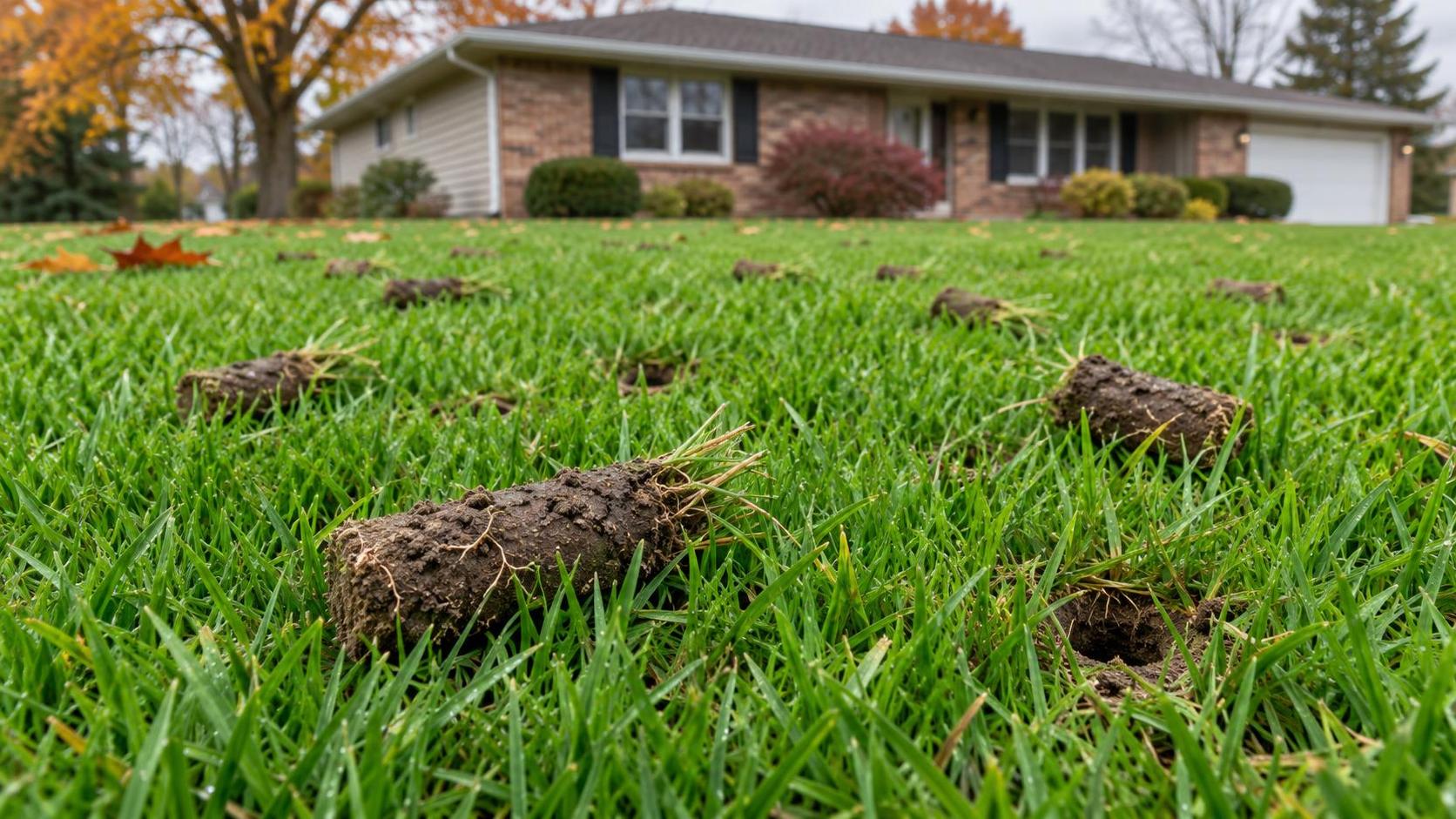
It can be, and for thin or compacted lawns it is often the step that makes the other treatments work. Core aeration pulls small plugs of soil from the lawn, relieving compaction and helping air, water, and nutrients reach the roots. Overseeding then adds new grass seed to fill in sparse areas.
In Fort Wayne, early fall is generally the preferred window because cool-season grass is actively growing and soil is still warm enough for seed to germinate. If your lawn feels hard underfoot or has thin patches that fertilizer alone has not fixed, ask about adding aeration and overseeding to your plan.
Can You Treat Weeds, Pests, and Disease Without Overdoing It?
Yes, and it is usually better to treat only what is actually there. Brown patches, thinning turf, and yellowing can come from several different causes, including drought stress, grubs, fungus, or poor soil. Guessing wrong wastes money and can stress the lawn further.
A provider who identifies the problem first can target the treatment, which tends to mean fewer unnecessary applications. Healthy, properly mowed turf is also the best long-term defense, because dense grass crowds out many weeds on its own.
How Do You Get Started With Lawn Treatment in Fort Wayne?
Start by walking your lawn and noting what you see: bare spots, weeds, compacted areas, or color that looks off. Take a few photos, and write down how the yard has changed over the past season. That gives any provider a clear picture of what you want fixed.
From there, request a quote and ask for a plan that matches your lawn, not just a generic package. You can explore our lawn services to see how fertilization, weed control, aeration, and overseeding fit together. Ready to put a plan in place? Request a free quote from Minnick Lawn & Landscaping today, and our team will recommend a treatment approach for your yard.