Spring lawn care in Fort Wayne requires specific timing and techniques to handle our Zone 5b climate and clay-heavy soil. This comprehensive checklist ensures your lawn emerges from winter strong and stays healthy through Indiana's unpredictable spring weather patterns.
When Should You Start Spring Lawn Care in Fort Wayne?
Begin spring lawn preparation when soil temperatures consistently reach 50°F, typically mid to late March in Fort Wayne. Starting too early can damage grass recovering from winter dormancy, while waiting too long misses critical growth windows.
Fort Wayne's last frost date averages around April 20th, but soil temperature matters more than air temperature for lawn care timing. Use a soil thermometer to check temperatures at 2-inch depth for three consecutive days before beginning major lawn work.
Key timing indicators include:
Soil temperature consistently above 50°F
Grass begins showing green growth at crown level
Ground is firm enough to walk on without creating ruts
Daytime temperatures regularly exceed 60°F
What Spring Cleanup Tasks Should You Prioritize?
Start with debris removal and damage assessment before moving to active lawn treatments. Winter damage in Fort Wayne often includes salt burn from road treatments, snow mold, and compaction from heavy snow loads.
Essential cleanup tasks:
Remove all winter debris - leaves, branches, and leftover holiday decorations
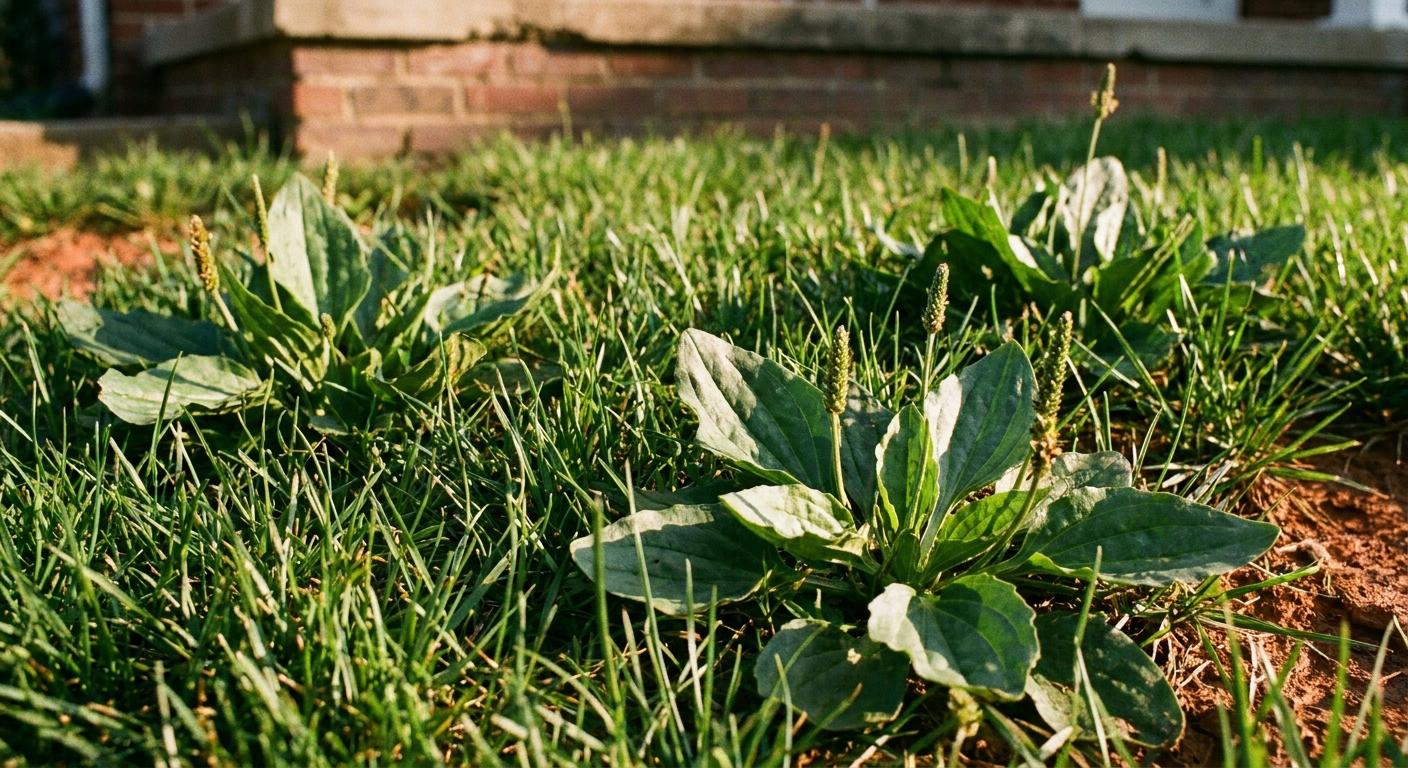
Assess winter damage - look for bare spots, salt damage, and disease areas
Clean up dog waste - prevents brown spots and disease spread
Edge beds and walkways - creates clean lines for the growing season
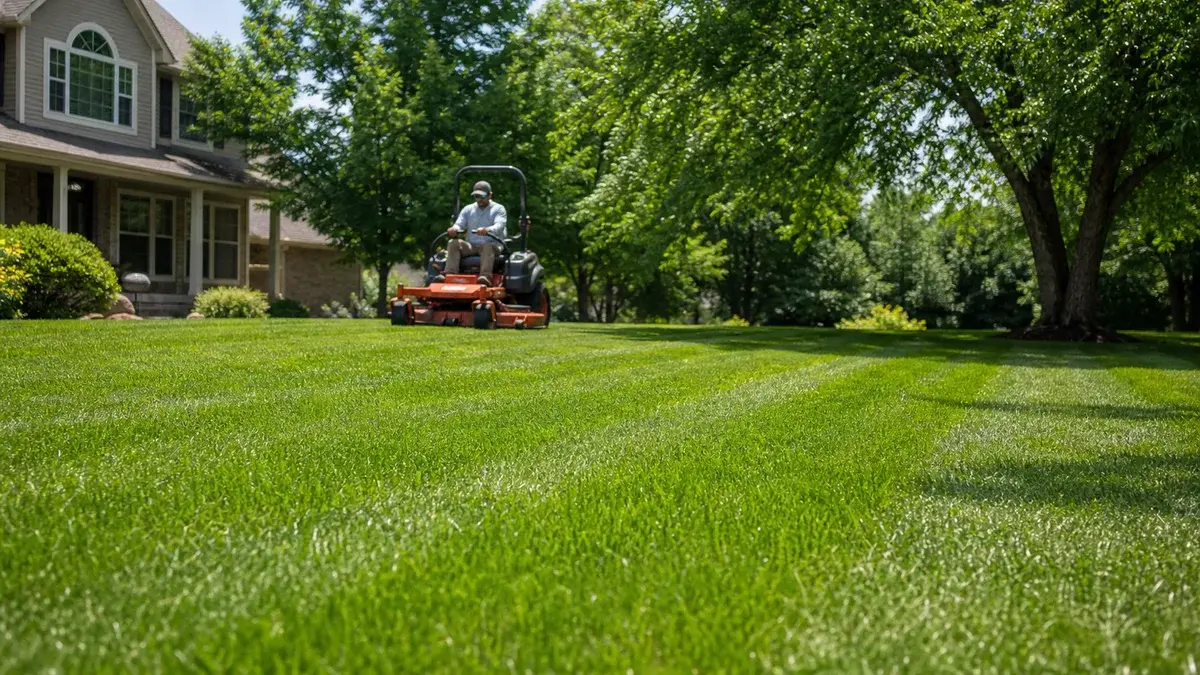
Service lawn equipment - sharpen mower blades, change oil, replace spark plugs
Professional tip: Never rake wet grass in spring. Wait for dry conditions to avoid damaging new growth and compacting Fort Wayne's naturally heavy clay soil.
How Do You Test and Improve Fort Wayne Soil?
Soil testing reveals pH levels, nutrient deficiencies, and organic matter content crucial for healthy grass growth. Fort Wayne's clay soil typically has high pH and poor drainage, requiring specific amendments.
Order a comprehensive soil test through Purdue Extension or use a reliable home testing kit. Fort Wayne lawns typically need:
pH adjustment (our soil runs alkaline, grass prefers 6.0-7.0)
Improved drainage through core aeration
Organic matter addition via compost or biosolids
Targeted fertilization based on test results
Apply lime in fall for pH adjustment, as it takes months to affect soil chemistry. For spring 2024, focus on organic matter and targeted nutrients based on your test results.
What's the Best Spring Fertilization Strategy?
Apply the first fertilizer application when grass actively grows and soil temperature reaches 55°F consistently. In Fort Wayne, this typically occurs in early to mid-April, coinciding with forsythia blooms.
Choose fertilizer based on your grass type:
Cool-season grasses (fescue, bluegrass): Use balanced fertilizer with slow-release nitrogen
Transition zone (some Fort Wayne areas): Apply lighter rates, monitor weather closely
New lawns: Use starter fertilizer with higher phosphorus content
Apply 0.5-1.0 pounds of nitrogen per 1,000 square feet for the first spring application. Our lawn care services include soil-specific fertilization programs tailored to Northeast Indiana conditions.
Should You Seed or Overseed This Spring?
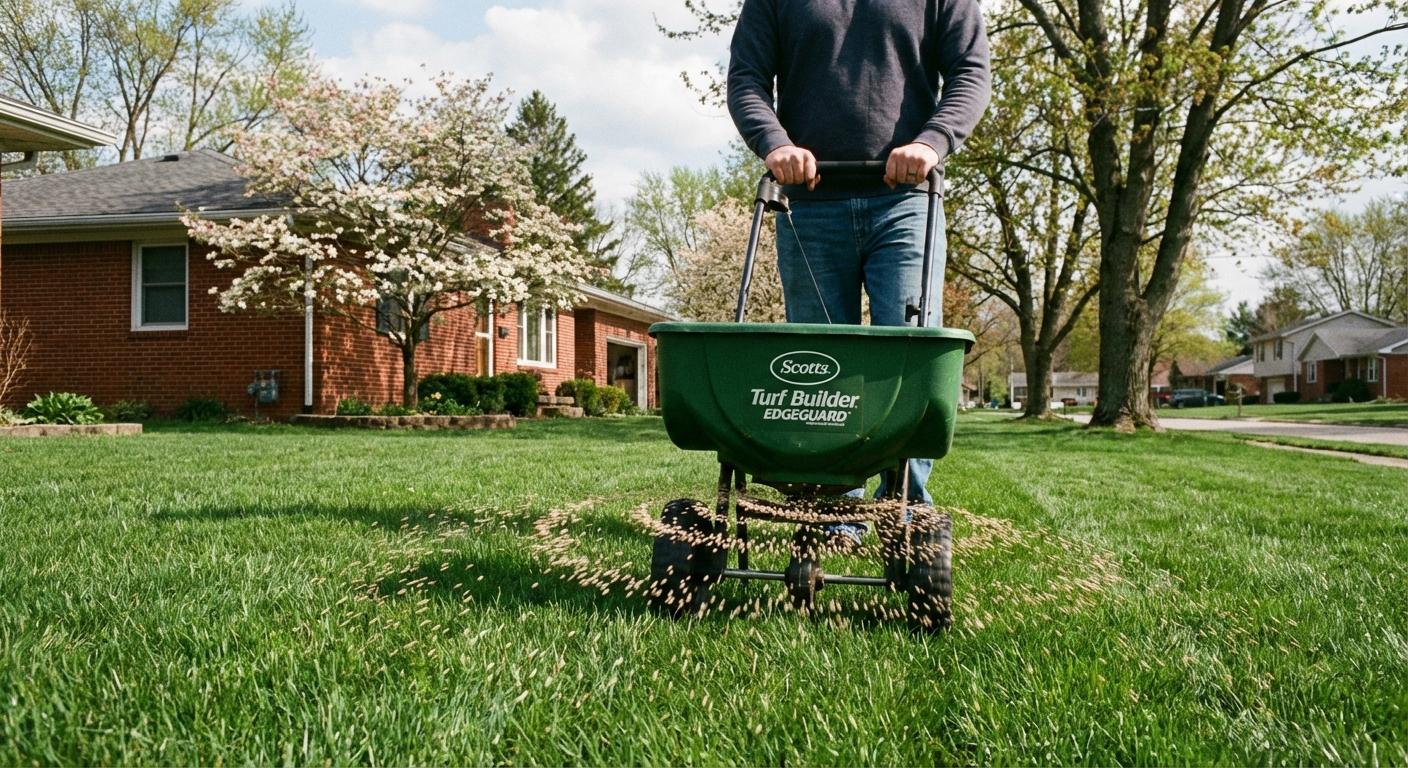
Early spring offers excellent conditions for cool-season grass establishment in Fort Wayne. Soil moisture from snowmelt and moderate temperatures create ideal germination conditions before summer heat arrives.
Overseeding works best when:
Existing grass coverage is less than 70%
Winter damage created bare spots larger than dinner plates
Grass thinned due to disease, insects, or foot traffic
You want to introduce improved grass varieties
Use perennial ryegrass or tall fescue for high-traffic areas, Kentucky bluegrass for premium appearance. Seed when soil temperatures reach 50-65°F and you can provide consistent moisture for 2-3 weeks.
How Do You Handle Pre-Emergent Weed Control?
Apply pre-emergent herbicide when soil temperature reaches 50°F for three consecutive days, typically late March in Fort Wayne. This timing prevents crabgrass and other annual weeds from germinating.
Pre-emergent timing is critical - too early wastes product, too late allows weeds to establish. Monitor soil temperature with a thermometer, not calendar dates, as Fort Wayne springs vary significantly year to year.
Important considerations:
Don't apply if you plan to seed within 6-8 weeks
Water lightly after application to activate the barrier
Reapply in late May/early June for season-long control
Choose products labeled for your specific grass type
For comprehensive weed management, our professional lawn treatments include properly timed pre-emergent applications based on local soil conditions.
What Equipment Maintenance Should You Complete?
Service all lawn equipment before the busy growing season begins. Sharp, well-maintained tools create healthier cuts and reduce disease transmission between grass plants.
Essential maintenance tasks:
Sharpen mower blades - dull blades tear grass, creating entry points for disease
Change engine oil - use fresh oil rated for small engines
Replace air filters - dirty filters reduce engine performance
Check spark plugs - replace if worn or corroded
Clean equipment decks - remove built-up grass and debris
Inspect belts and cables - replace any showing wear
Consider professional servicing for complex repairs or if you're uncomfortable with maintenance procedures.
Ready to tackle your spring lawn care with professional support? Our Fort Wayne team provides comprehensive spring lawn services including soil testing, fertilization, and customized care programs. Request your free quote today and ensure your lawn gets the expert attention it deserves this growing season.