
Maintaining a beautiful lawn in Fort Wayne while keeping your pets safe requires careful planning and the right approach. By choosing pet-friendly products and following safe application practices, you can achieve a lush, healthy yard that's completely safe for your four-legged family members to enjoy.
What fertilizers are safe to use around pets in Fort Wayne?
Organic and slow-release fertilizers pose the lowest risk to pets in Northeast Indiana. These products release nutrients gradually, reducing the chance of chemical burns on paws and minimizing ingestion risks when pets inevitably dig or graze on grass.
The safest options for Fort Wayne lawns include:
Organic compost-based fertilizers made from natural materials
Corn gluten meal for pre-emergent weed control
Milorganite (heat-dried microbes) for slow nitrogen release
Fish emulsion or seaweed-based liquid fertilizers
Bone meal and blood meal for phosphorus and nitrogen
Avoid quick-release synthetic fertilizers containing high concentrations of nitrogen, phosphorus, or potassium. These can cause stomach upset, diarrhea, or chemical burns if pets walk on treated areas before the product is fully absorbed. Always water in fertilizers immediately after application and keep pets off treated areas until dry.
Application Timing for Pet Safety
Apply fertilizers in Fort Wayne during cooler morning hours when pets are typically indoors. This allows several hours for watering-in and drying before evening playtime. Our clay-heavy Northeast Indiana soil retains moisture longer, so allow extra drying time compared to sandy soils.
How can I control weeds safely with pets around?
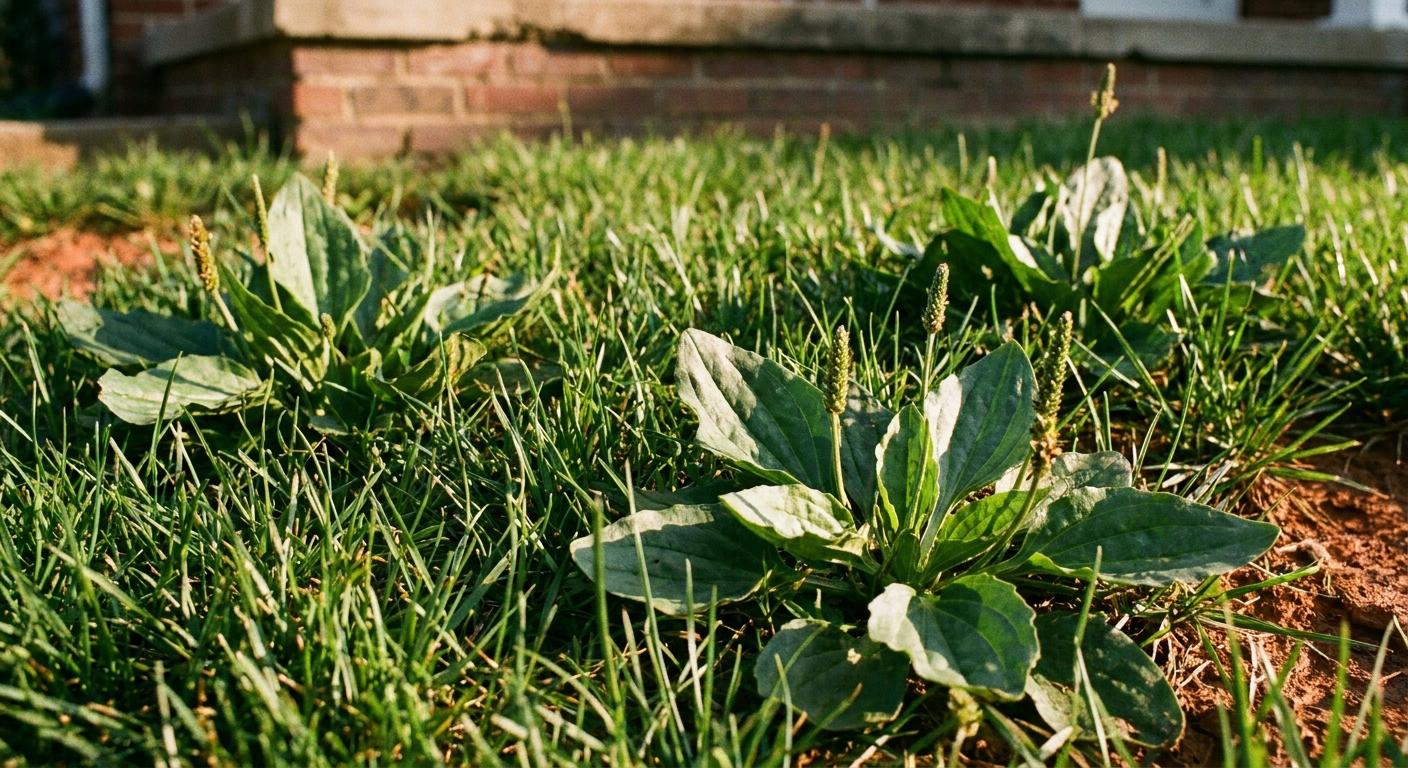
Manual removal and natural prevention methods work best for pet-safe weed control in Fort Wayne yards. Dense, healthy grass naturally crowds out weeds, making proper lawn care practices your first line of defense against unwanted plants.
Pet-safe weed control strategies include:
Hand-pulling weeds when soil is moist after rain
Using corn gluten meal as a pre-emergent in early spring
Spot-treating with white vinegar (20% acetic acid) on sunny days
Overseeding thin areas to prevent weed establishment
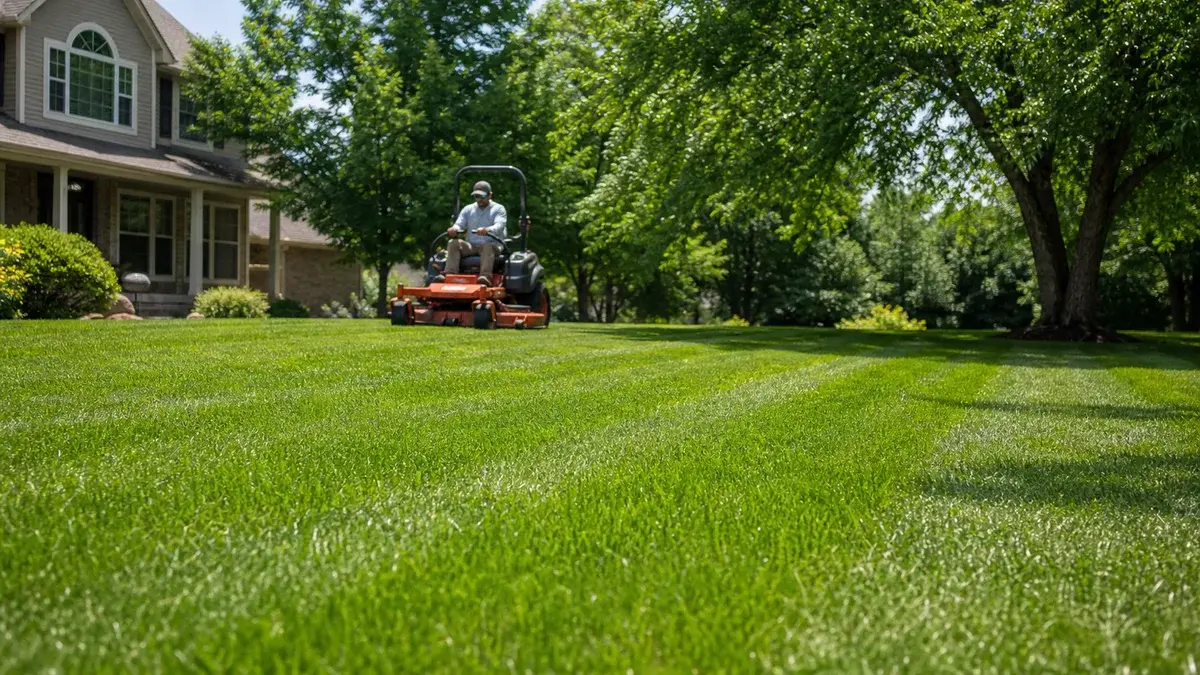
Maintaining proper mowing height (3+ inches) to shade out weed seeds
If chemical herbicides are necessary, choose selective post-emergent products with shorter residual periods. Apply during calm weather to prevent drift, and always follow label instructions for pet re-entry times. Most herbicides require 24-48 hours before pet access.
Natural Weed Prevention
Northeast Indiana's growing season allows for two overseeding opportunities - late summer and early spring. Thick grass coverage eliminates bare spots where weeds typically establish, reducing the need for chemical interventions.
What pest control methods are pet-friendly for lawns?
Beneficial nematodes and natural predator encouragement provide effective, pet-safe pest control for Fort Wayne lawns. These biological controls target harmful insects without posing risks to pets, children, or beneficial wildlife.
Safe pest control approaches include:
Beneficial nematodes for grub control (apply when soil temps reach 60°F)
Diatomaceous earth for surface-dwelling insects
Encouraging birds and bats that eat lawn pests naturally
Milky spore disease for Japanese beetle grub control
Regular dethatching to eliminate pest habitat
A healthy lawn ecosystem naturally balances pest populations. Focus on building soil health and grass density rather than eliminating every insect - many are beneficial pollinators and predators.
Avoid granular insecticides that pets might mistake for treats. If chemical pest control becomes necessary, choose products with the shortest possible residual activity and strictly observe re-entry periods listed on labels.
How should I maintain my lawn equipment around pets?
Clean equipment and secure storage protect pets from harmful residues and mechanical hazards. Fort Wayne's variable weather means equipment often sits with moisture, creating rust and chemical concentration that can harm curious pets.
Equipment safety practices include:
Rinsing mower decks and spreaders after each chemical application
Storing all lawn chemicals in locked cabinets or sheds
Cleaning up any spilled fertilizer or chemicals immediately
Securing hoses and electrical cords to prevent chewing
Keeping sharp tools and blades away from pet areas
Our professional lawn care services use commercial-grade equipment that's properly maintained and cleaned between properties, eliminating cross-contamination risks that can occur with shared or improperly cleaned equipment.
When is it safe for pets to return to treated lawn areas?
Most lawn treatments require 24-48 hours of pet restriction, depending on the product type and Fort Wayne's weather conditions. Granular products need watering-in and complete drying, while liquid applications must cure on grass blades.
General re-entry guidelines for Northeast Indiana:
Granular fertilizers: 24 hours after watering-in and drying
Liquid fertilizers: 2-4 hours after application has dried
Herbicides: 24-48 hours or until completely dry
Organic treatments: Usually immediate, but check product labels
Pest control: Follow specific label instructions (varies widely)
Our humid summers in Fort Wayne can extend drying times, especially in shaded areas or during periods of high humidity. When in doubt, wait an additional 24 hours before allowing pet access to treated areas.
Visual Inspection Guidelines
Look for complete drying of leaf surfaces, no visible granules on grass blades, and no chemical odors before allowing pets back onto treated areas. These visual cues are more reliable than time estimates alone.
What emergency steps should I take if my pet is exposed to lawn chemicals?
Immediate action and veterinary consultation are crucial if pets contact lawn chemicals in Fort Wayne. Quick response can prevent serious health complications and reduce the severity of chemical exposure effects.
Emergency response steps:
Remove pet from treated area immediately
Rinse affected skin/paws with cool water for 15+ minutes
Contact your veterinarian or pet poison control hotline
Bring the product label/container with you to the vet
Do not induce vomiting unless specifically instructed
Keep your veterinarian's emergency number and the ASPCA Poison Control hotline (888-426-4435) readily available during lawn treatment seasons. Having product information immediately available helps veterinarians provide faster, more accurate treatment recommendations.
Ready to maintain a beautiful, pet-safe lawn in Fort Wayne? Our experienced team understands the unique challenges of Northeast Indiana's climate and can develop a customized lawn care program that keeps your yard healthy while protecting your pets. Request your free consultation today to learn about our pet-friendly lawn care approaches.