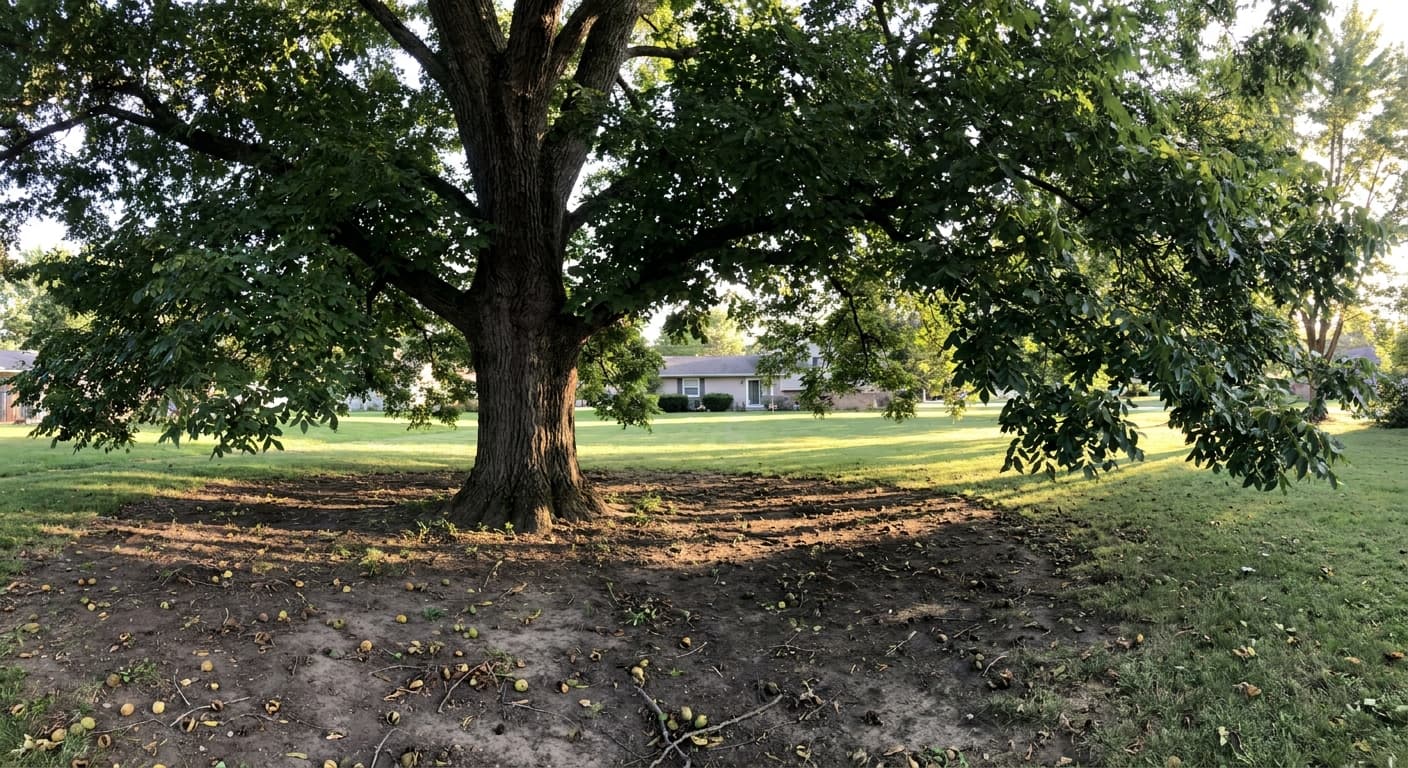
Black walnut trees are stunning additions to any Northeast Indiana landscape, but they come with a hidden challenge that frustrates many Fort Wayne homeowners: almost nothing grows well beneath or near them. If you've tried planting flowers, shrubs, or even vegetables around a black walnut and watched them wilt despite your best efforts, you've encountered juglone—a natural toxin that makes black walnut trees the landscaping equivalent of a no-plant zone.
What Is Juglone and Why Does It Kill Plants?
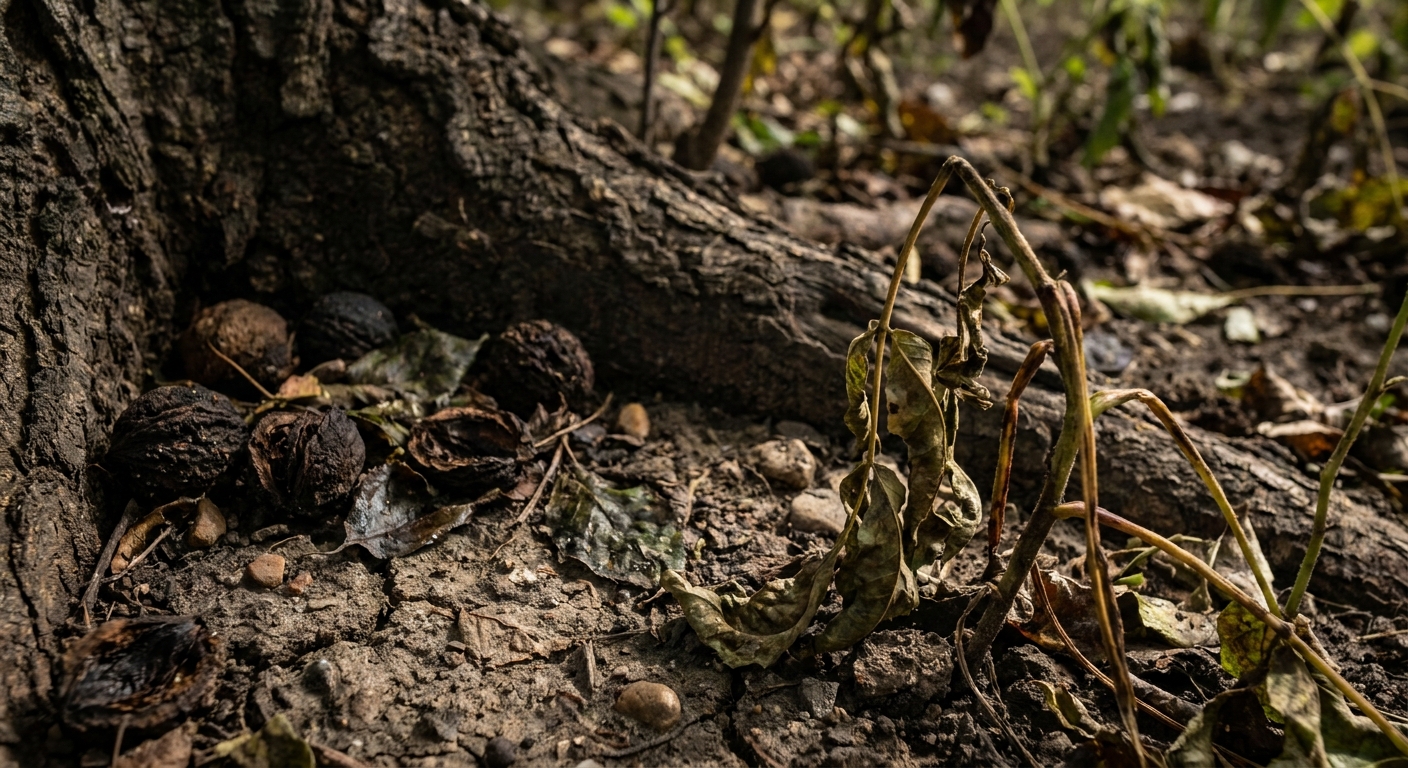
Black walnut trees produce a compound called juglone in their roots, leaves, husks, and bark. This natural chemical acts as an herbicide, preventing competing plants from growing in the tree's vicinity. In Fort Wayne's Zone 5b climate, where black walnuts thrive, this toxin spreads through the soil, affecting plants up to 60 feet away from the tree's drip line—sometimes even farther. Juglone doesn't break down quickly; it persists in soil for months after leaves and nuts fall.
The toxin works by interfering with plant cellular respiration and energy production. Susceptible plants absorb juglone through their roots and experience wilting, yellowing leaves, and eventual death. The damage typically appears mid-summer when juglone concentrations peak. Even hardy perennials and native Northeast Indiana plants often can't tolerate the chemical assault.
Which Plants Are Most Vulnerable to Black Walnut Toxicity?
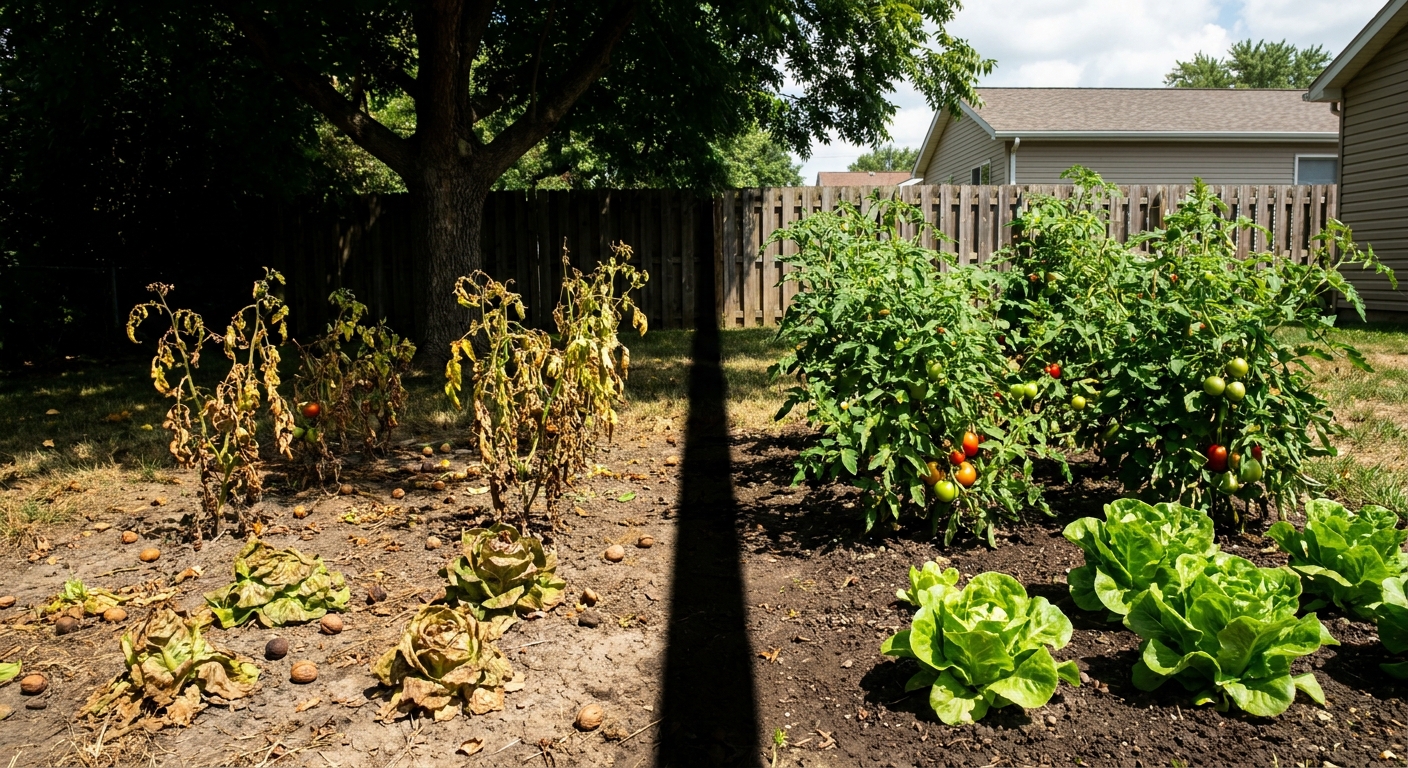
While juglone affects hundreds of plant species, some are exceptionally sensitive. Fort Wayne gardeners should avoid planting these near black walnuts: tomatoes, potatoes, cabbage, peppers, and beans are particularly susceptible, making vegetable gardens near these trees nearly impossible. Ornamental plants like rhododendrons, azaleas, lilacs, and hydrangeas consistently fail. Apple, pear, and cherry trees also suffer from juglone exposure.
- Highly sensitive vegetables: tomatoes, potatoes, peppers, cabbage, eggplant
- Vulnerable trees: apple, cherry, pear, white birch, dogwood
- At-risk shrubs: rhododendron, azalea, lilac, hydrangea, privet
- Sensitive flowers: impatiens, peony, dahlia, tulip
- Lawn grass: sensitive cultivars often thin near the tree
If you've struggled with plant failure in your Fort Wayne yard, black walnut toxicity might be the culprit—especially if you've noticed the problem worsens each summer.
How Far Does Juglone Spread From a Black Walnut Tree?
Juglone's reach extends well beyond what most Fort Wayne homeowners expect. The toxin spreads through three main pathways: decaying leaves and nut husks, root exudates released directly into soil, and decomposing roots. The danger zone typically extends to the tree's drip line—the outer edge of its canopy—and often 20 to 30 feet beyond in all directions, depending on soil conditions and moisture.
In Northeast Indiana's clay-heavy soils, juglone can persist longer and spread more effectively than in sandy soils. Young black walnut trees may not produce significant toxin yet, but once they mature (around 10-15 years), their chemical output increases dramatically. Some Fort Wayne properties with established black walnuts create toxin-affected areas exceeding 60 feet in diameter.
If you're planting near a black walnut in Fort Wayne, assume the danger zone extends at least 60 feet from the trunk. When in doubt, choose juglone-tolerant plants or remove the tree if it's limiting your landscaping goals.
What Plants Can Survive in Black Walnut Zones?
The good news: some plants tolerate or resist juglone well enough to thrive near black walnuts in Northeast Indiana. These species have evolved defenses or simply don't absorb the toxin efficiently. For Fort Wayne landscaping, juglone-tolerant options exist across multiple categories.
Trees That Handle Juglone
- Ash trees (native to Indiana)
- Hickory trees
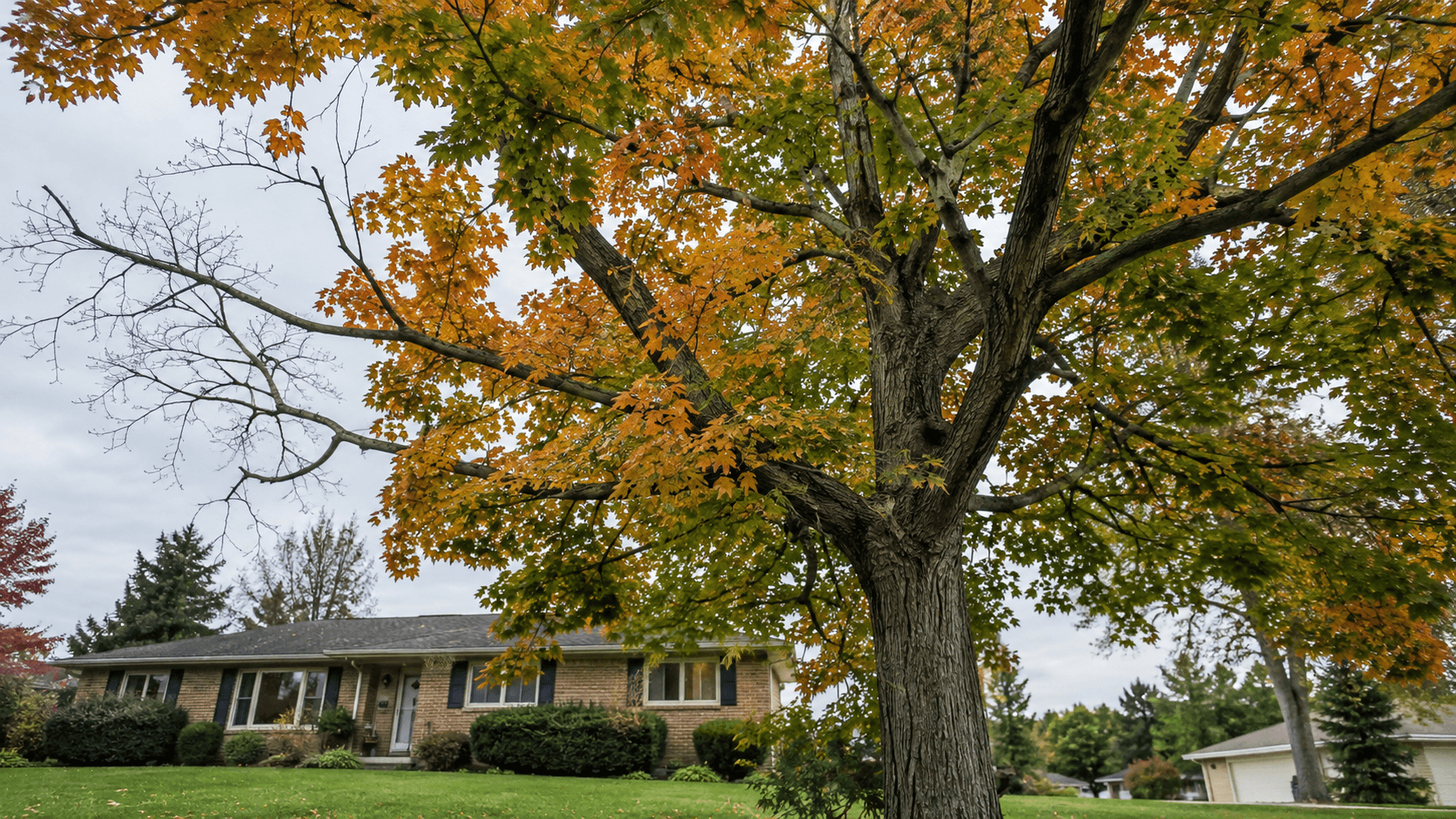
- Maple trees (sugar, red, Norway)
- Oak trees
- Sycamore
Shrubs and Understory Plants
- Pawpaw
- Spicebush
- Elderberry
- Viburnum
- Arborvitae
Herbaceous Plants and Ground Covers
- Wild ginger
- Ferns (many species)
- Hosta
- Bleeding heart
- Black-eyed Susan
Northeast Indiana native plants often perform better near black walnuts than ornamentals from other regions. Consider working with professional landscapers in Fort Wayne who understand local soil chemistry and can design around existing black walnuts.
Should You Remove a Black Walnut Tree From Your Fort Wayne Property?
Removing a mature black walnut is a major decision. These trees are valuable timber, provide wildlife habitat, and can live 200+ years. Before removal, consider your landscaping goals and whether tolerant plants meet your aesthetic needs. For some Fort Wayne homeowners, the tree's benefits outweigh planting limitations. For others, especially those wanting vegetable gardens or specific ornamental landscapes, removal makes sense.
If you decide to remove the tree, the work requires professional equipment and expertise. Additionally, juglone remains in the soil for months to years even after the tree is gone—decomposing roots continue releasing the toxin. Professional tree removal services in Fort Wayne can assess whether removal is necessary and handle the job safely. New plantings should wait 6-12 months after removal for best results.
If you're keeping the black walnut, design your landscape around its limitations rather than fighting them. A mature black walnut becomes a focal point; complement it with shade structures, seating areas, and juglone-tolerant plantings that showcase the tree rather than compete with it.
Can You Overcome Juglone With Soil Amendments or Special Care?
Unfortunately, no amount of fertilizer, mulch, or amended soil can protect sensitive plants from juglone in a Fort Wayne garden affected by black walnuts. The toxin is systemic—once in the soil, it persists regardless of external interventions. Some gardeners have attempted activated charcoal or special soil mixes, but results are inconsistent and expensive.
The most realistic approach involves accepting the tree's presence and choosing plants accordingly. Container gardening on elevated decks or patios away from the drip line works well for vegetable gardens and sensitive ornamentals in Fort Wayne yards with black walnuts. Raised beds 18+ inches high with fresh, imported soil can sometimes support vegetables, though root systems can still reach juglone-contaminated native soil below.
Rather than fighting nature, embrace it: plant juglone-tolerant species, create shade gardens that celebrate native Northeast Indiana plants, and use the tree as a defining landscape feature. This approach yields better results than struggling against the tree's natural chemistry.
Understanding black walnut toxicity transforms your Fort Wayne landscaping strategy from frustration to success. Whether you're working with an existing tree or planning new plantings, knowing what works and what doesn't saves time, money, and plant casualties. The landscaping professionals at Minnick Lawn & Landscaping have helped countless Northeast Indiana homeowners design beautiful yards that work with—not against—their existing trees. Contact us for a free consultation to develop a black walnut-friendly landscape plan tailored to your Fort Wayne property.