Planting trees near your home in Fort Wayne offers shade and curb appeal, but proximity matters significantly. The general rule is to plant most trees at least 8-10 feet from your house, though some species require more distance. Root systems and branch overhang can damage foundations, utilities, and roofing if trees are planted too close. Understanding proper placement protects your Northeast Indiana home while still enjoying the benefits of mature trees.
What distance should trees be planted from your home?
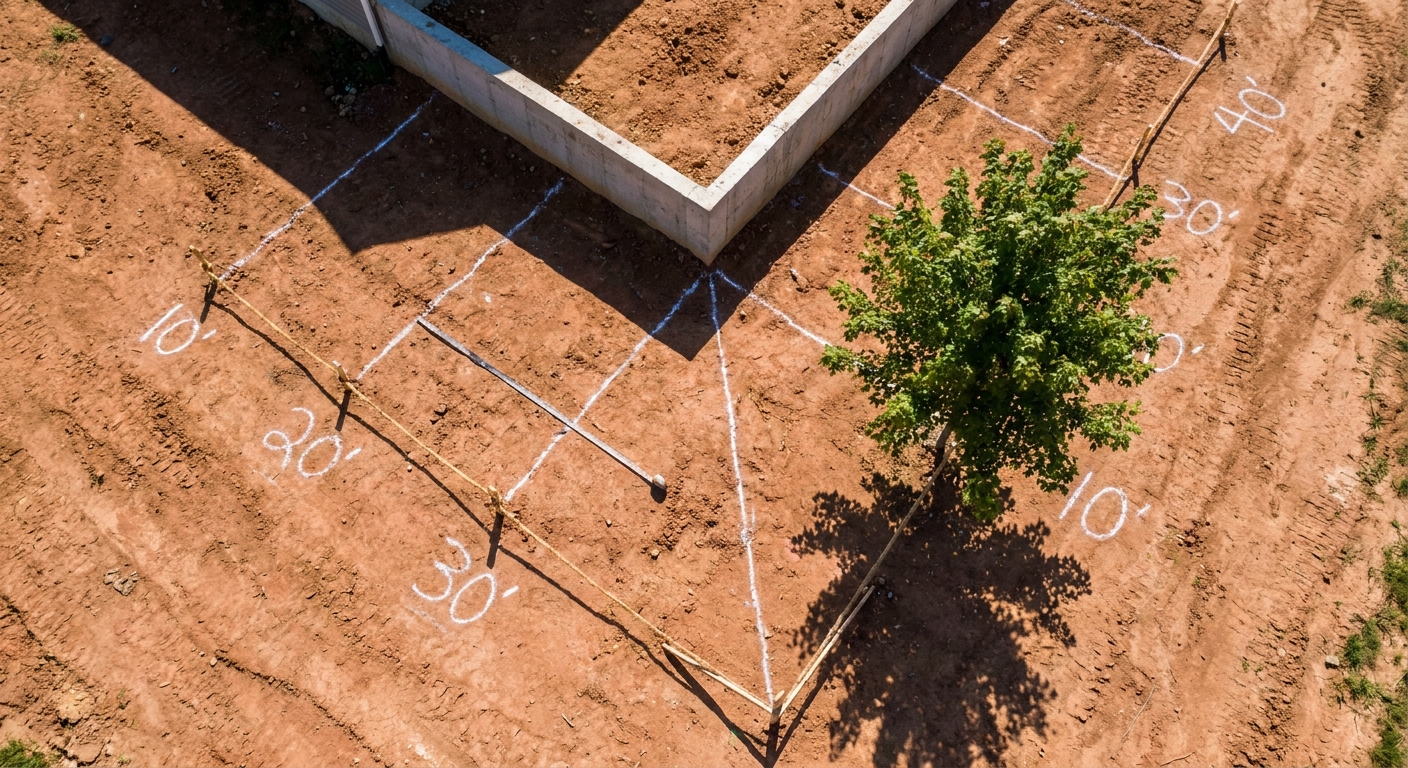
The safest distance depends on tree size at maturity. Small ornamental trees can be planted 6-8 feet away, but medium and large trees need 15-25+ feet of clearance. Fort Wayne's clay-heavy soil and root systems create unique challenges—trees spread roots aggressively searching for moisture, increasing risk of foundation damage. Before planting, research your specific tree species and consult local guidelines.
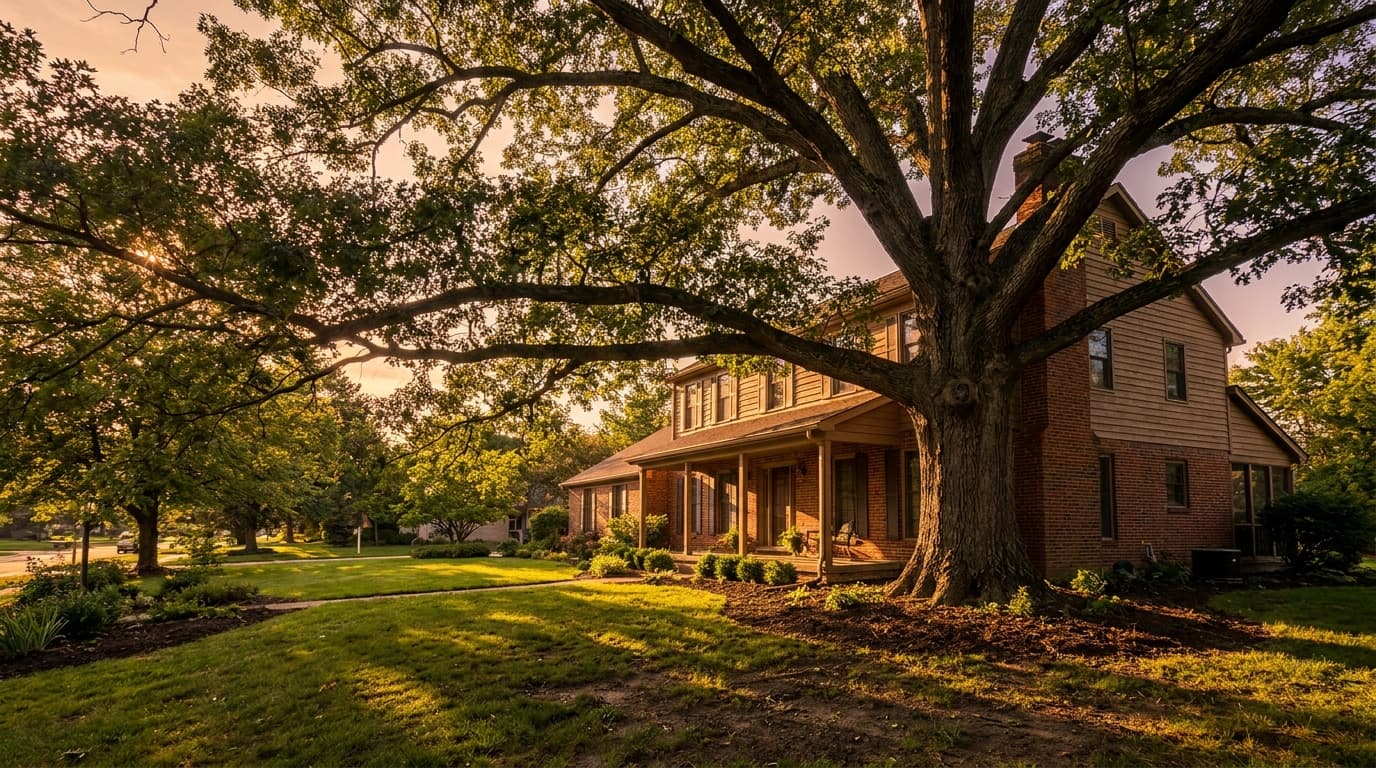
The "mature height rule" is helpful: if a tree reaches 60 feet tall, plant it at least 60 feet from your house. This prevents branches from hanging over roofs and keeps root zones away from foundations. In Northeast Indiana's Zone 5b climate, oaks, maples, and ash trees grow quite large, so spacing becomes critical.
How can tree roots damage your home's foundation?
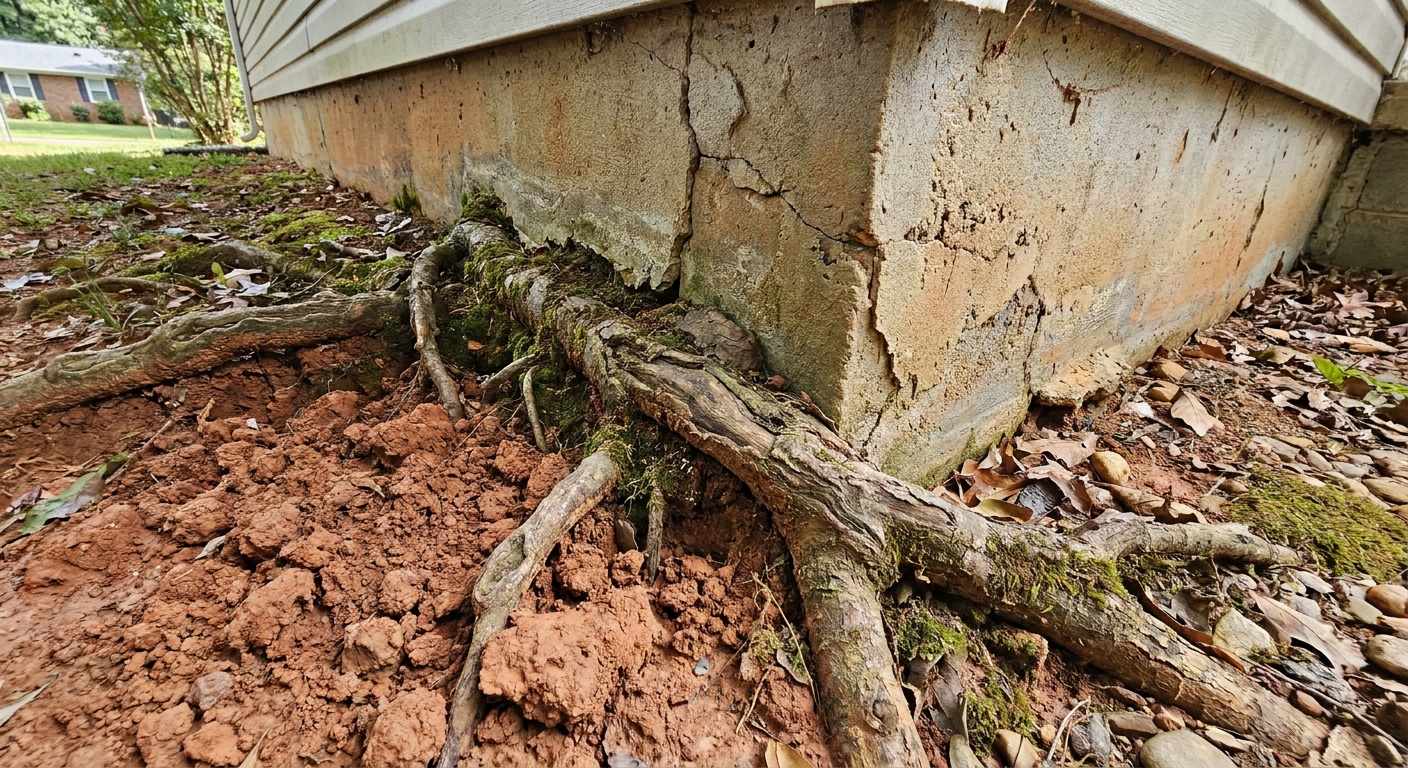
Tree roots seek moisture and can exploit cracks in concrete foundations, basement walls, and underground plumbing. They don't actually "crush" foundations directly, but they shrink soil as they absorb water, causing uneven settling and cracks. In Fort Wayne's clay soil, which contracts significantly when dry, this problem intensifies during drought periods. Even healthy tree roots can destabilize previously damaged foundations.
- Large roots can crack concrete slabs and basement floors
- Root systems can penetrate and block drain tiles and sewer lines
- Trees withdrawing moisture cause soil to shift beneath foundations
- Invasive species like willows and poplars are particularly problematic near structures
- Shallow-rooted trees like maples create surface upheaval in lawns and driveways
The farther your trees are from your home, the less risk you face. Trees planted 20+ feet away are generally safe for most modern foundations.
Which tree species are safe to plant near homes?
Some trees are naturally safer for close planting than others. Smaller ornamental species with controlled root systems pose minimal risk, while aggressive growers like willows, poplars, and silver maples should stay well away from structures. For Fort Wayne homeowners, choosing the right species prevents decades of costly repairs.
Safer options for closer planting (8-15 feet):
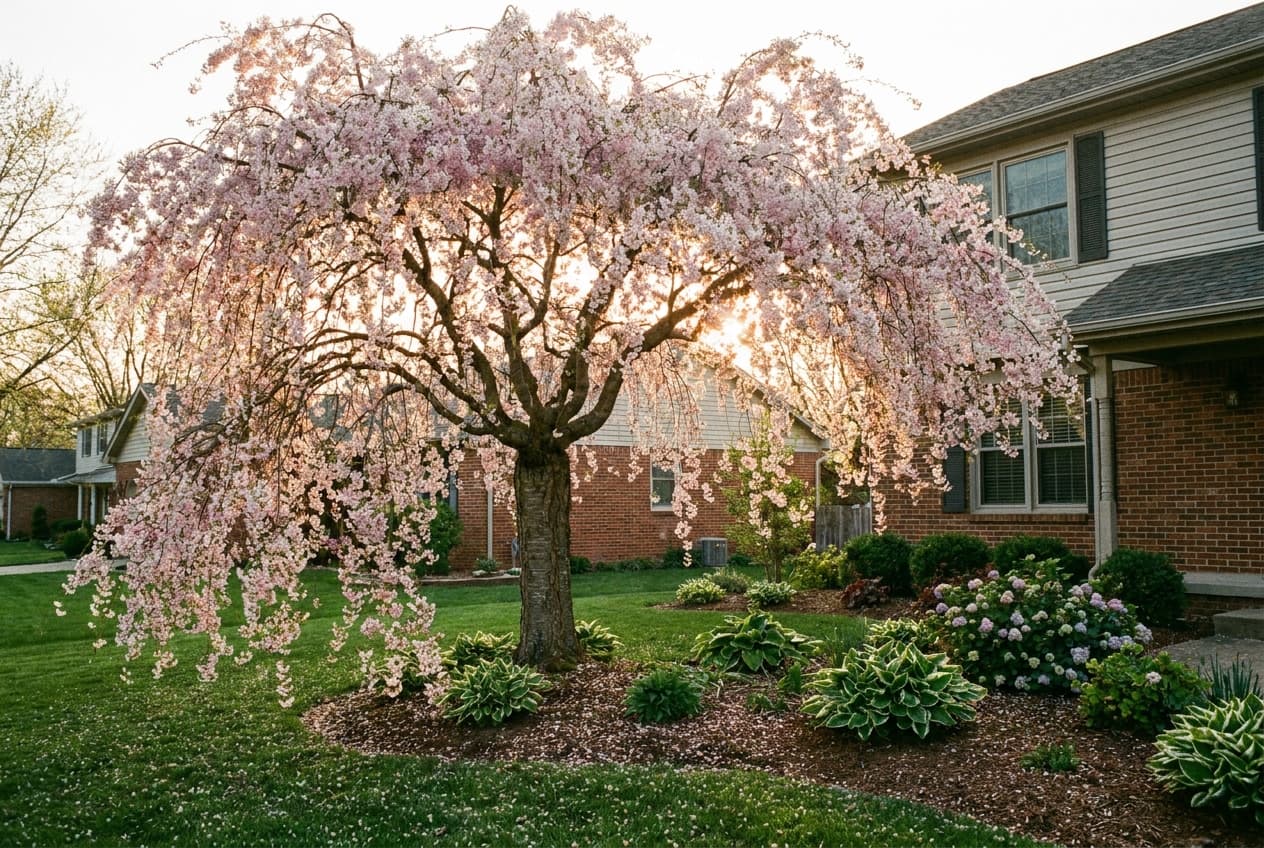
- Crabapple trees—shallow roots, moderate growth
- Serviceberry—small size, non-invasive roots
- Dogwood—compact growth, decorative appeal
- Redbud—excellent for Northeast Indiana, minimal root issues
- American hornbeam—slow-growing, deep roots
Trees to keep distant (20+ feet from home):
- Black walnut—allelopathic (toxic to plants nearby), aggressive roots
- Willow and cottonwood—invasive roots seek moisture relentlessly
- Silver maple—shallow roots, brittle branches, weak branch structure
- Ash trees—large size, moderately invasive roots
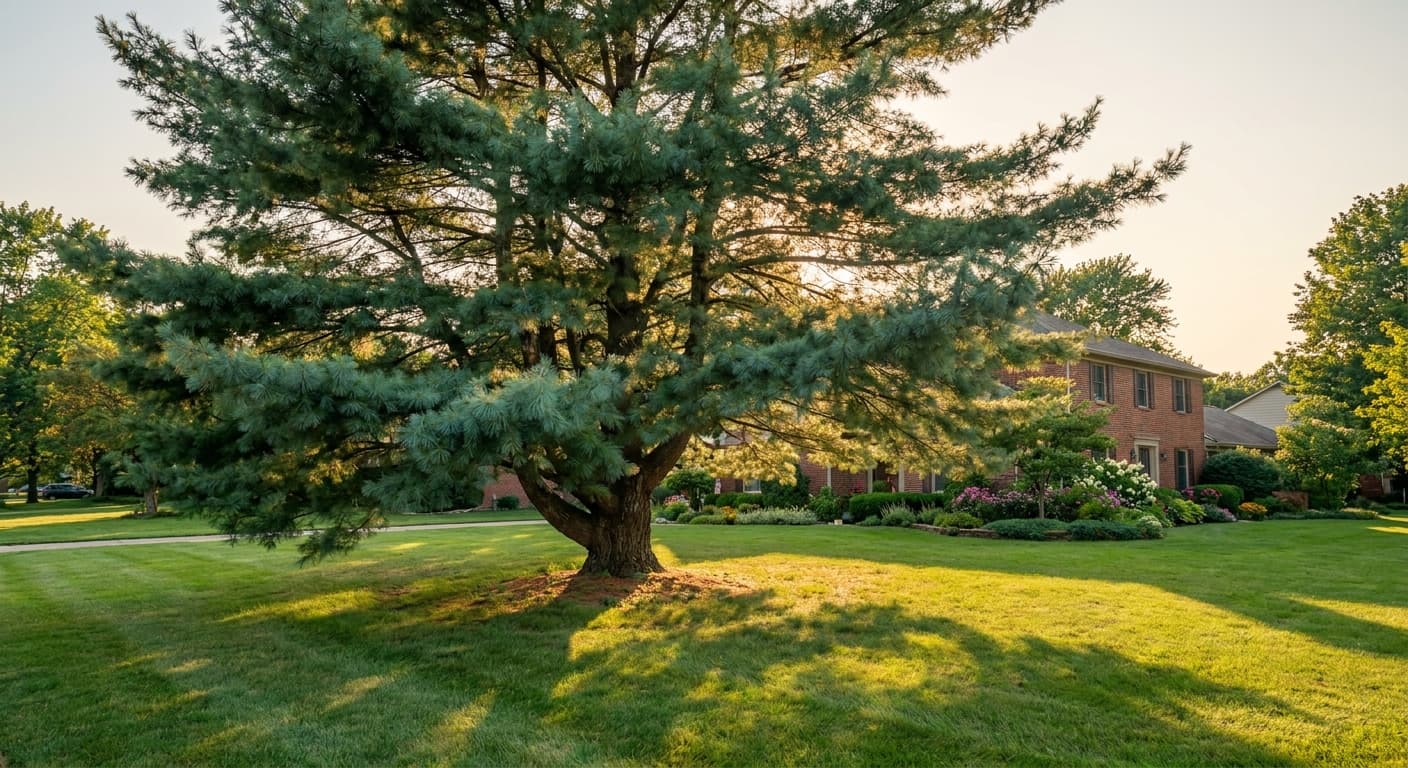
- White pine—very tall, heavy canopy sheds needles constantly
Professional tree care services in Fort Wayne can help you select appropriate species for your property's specific conditions.
What about power lines and utilities?
Before planting any tree, call 811 to locate underground utilities. Trees near power lines pose electrocution hazards and require regular pruning to prevent outages. Overhead branches create fire risks, while roots can damage buried electric, gas, and water lines. Fort Wayne utility companies offer recommendations for clearances based on tree type and line voltage.
Even trees planted correctly initially can become problems if not maintained. Growing into power lines requires expensive, ongoing trimming. Trees over septic systems, sewer lines, or water mains cause expensive damage when roots infiltrate pipes. Always verify utility locations and plan your planting 15-20 feet away from any marked utilities.
How does Fort Wayne's climate affect tree placement?
Northeast Indiana's weather patterns—heavy clay soil, fluctuating moisture, occasional drought, and winter ice storms—intensify tree-related foundation problems. Dry summers cause clay to shrink, while wet springs cause swelling. Trees aggravate this cycle by drawing water during dry periods, increasing soil movement beneath your foundation. Larger trees planted closer to homes amplify these stress cycles.
In Fort Wayne's clay-heavy USDA Zone 5b soil, every foot of distance between your tree and home reduces the risk of foundation damage significantly. Plan for maturity, not today's sapling size.
Winter ice storms common in Northeast Indiana also create hazards when large branches overhang roofs and structures. Snow load combined with ice weight can snap branches onto houses, siding, and vehicles. Proper spacing and regular tree pruning prevent these seasonal dangers.
What if you already have trees too close to your home?
If mature trees already threaten your foundation or utilities, you have three options: removal, relocation, or root barriers. Removing large trees is expensive but eliminates long-term risk. Relocation works only for younger trees. Root barriers (made of plastic or metal) sometimes contain aggressive roots, though they're not foolproof in Fort Wayne's aggressive clay environment.
Regular inspection helps catch problems early. Watch for foundation cracks, tilting doors and windows, or soil settling near your home. These signs indicate root intrusion or soil movement. If problems exist, consult a structural engineer and contact Minnick Lawn & Landscaping for professional tree removal or evaluation.
What's the best strategy for new tree planting?
Plan your tree placement carefully before planting. Create a long-term landscape design showing your home's footprint, driveway, utilities, and desired tree locations. Account for mature tree size, not the small sapling at the nursery. Consider sight lines, sun exposure, and seasonal appearance alongside safety concerns.
- Research mature height and spread for any species you're considering
- Call 811 to identify all underground utilities
- Plant trees at least 8-10 feet from your home (15-25+ for larger species)
- Ensure adequate space from driveways, sidewalks, and septic systems
- Select species appropriate for Northeast Indiana's Zone 5b climate
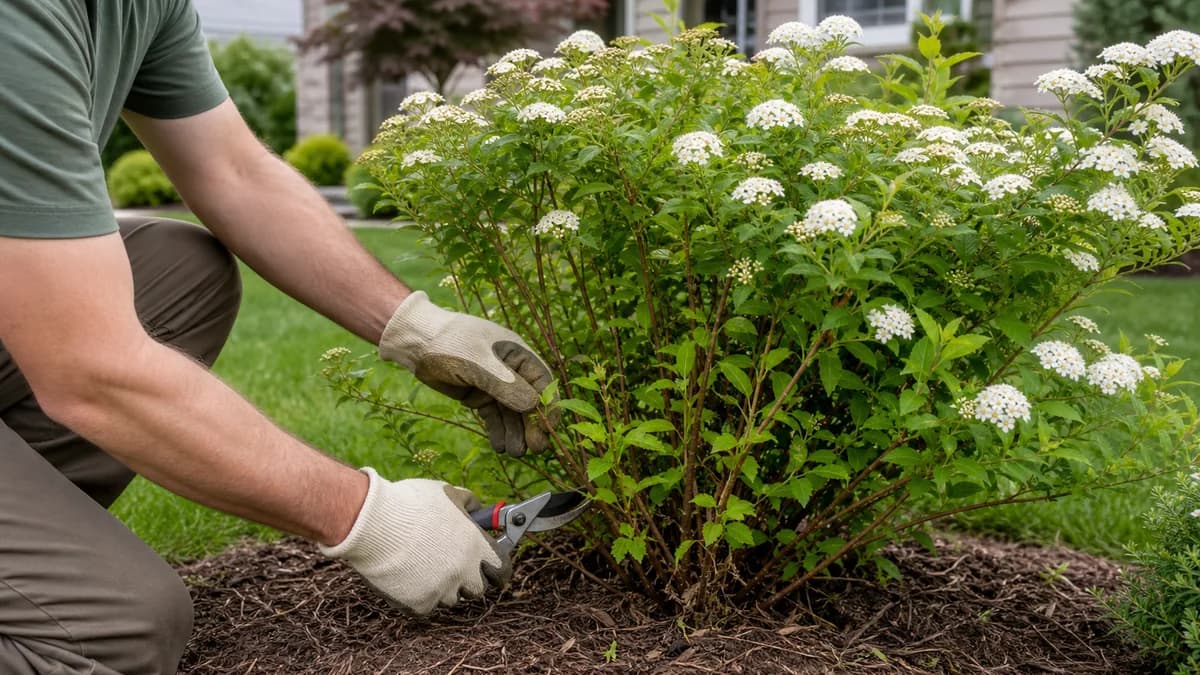
- Plan for professional pruning as trees mature
Minnick Lawn & Landscaping helps Fort Wayne homeowners design landscapes that balance beauty with structural safety. Whether you're planning new tree plantings or managing existing ones, we provide expert guidance on species selection, placement, and ongoing care. Request a free quote today to discuss your property's tree and landscaping needs with our team.