Japanese maples are prized for their delicate foliage, graceful branching, and stunning seasonal colors—but choosing the right variety for your Fort Wayne property requires understanding your yard's specific conditions. With Northeast Indiana's Zone 5b climate, clay-heavy soil, and variable winters, not all Japanese maples perform equally. We'll help you identify the hardiest, most beautiful varieties that will thrive in your landscape for years to come.
Which Japanese Maple Varieties Survive Fort Wayne Winters?
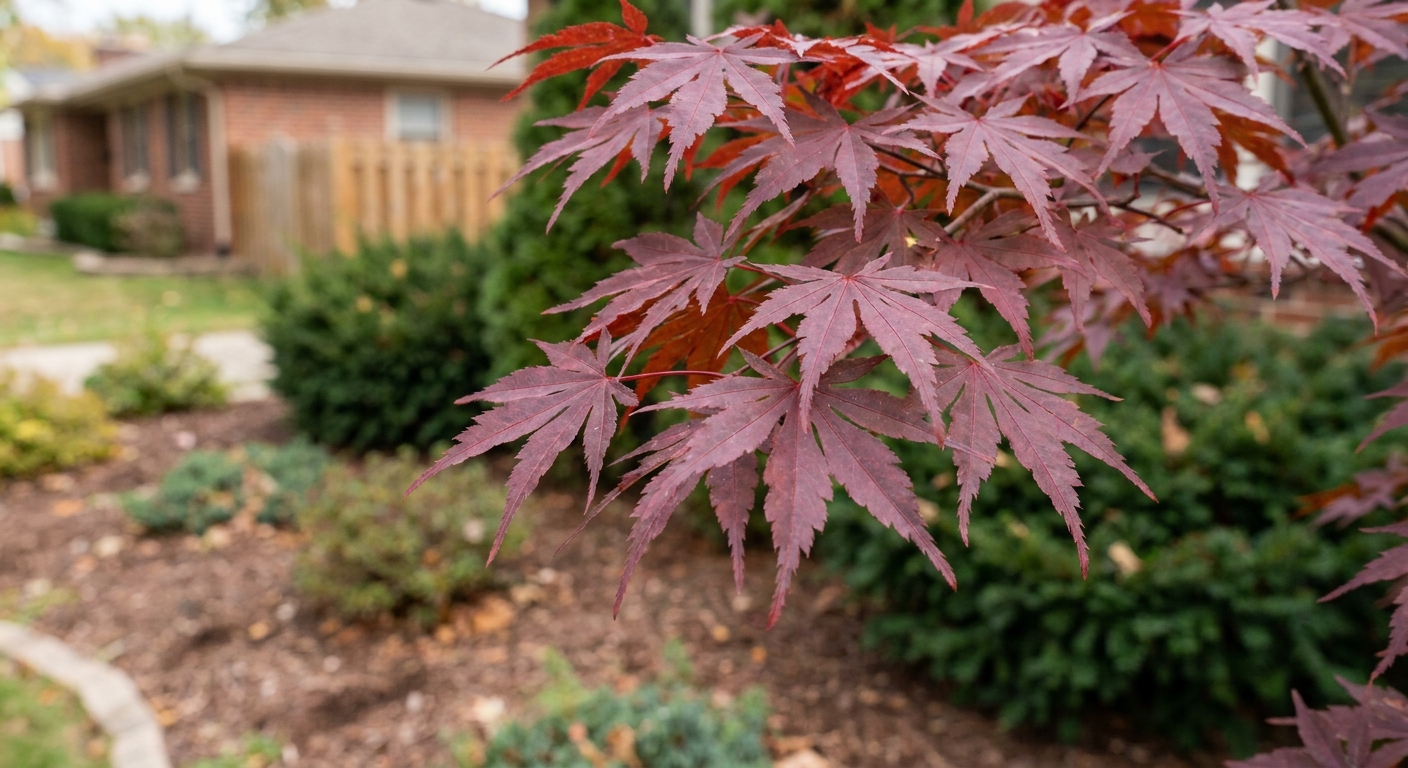
Hardiness is the first consideration when planting Japanese maples in Fort Wayne. While many cultivars struggle with our cold winters and unpredictable spring freezes, several proven varieties consistently outperform others in Zone 5b. The key is selecting maples bred for northern climates rather than those better suited to milder regions.
The hardiest varieties include 'Bloodgood,' 'Bonfire,' 'Fireglow,' and 'October Glory'—all rated for temperatures well below our typical lows. These cultivars have been tested by landscapers and homeowners across Northeast Indiana and demonstrate remarkable resilience. Unlike more tender varieties that may suffer branch dieback in severe winters, hardy selections maintain their structure and bounce back reliably each spring.
Pro tip: Always verify your chosen variety is rated hardy to at least Zone 5a (–20°F). Many mail-order nurseries sell varieties better suited to southern climates—ask your local Fort Wayne nursery or landscaper for Zone 5b-proven selections.
What Size Japanese Maple Works Best for Your Space?
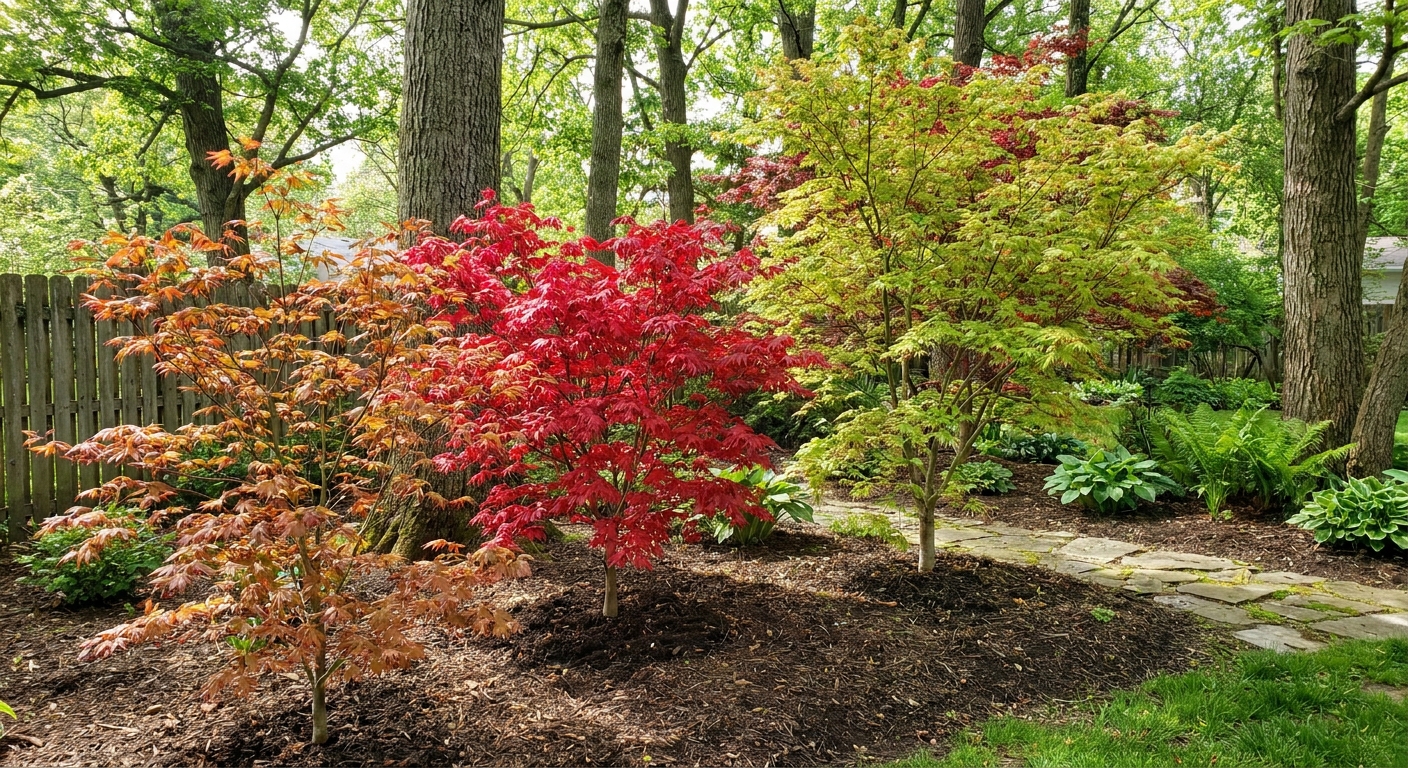
Japanese maples range dramatically in mature size, from delicate 6-foot shrubs to stately 25-foot trees. Understanding the ultimate size of your cultivar prevents costly transplanting and ensures balanced landscape design for your Fort Wayne property. Space, sightlines, and structural proximity all factor into this decision.
Consider these size categories:
- Dwarf varieties (4–8 feet): 'Dissectum,' 'Green Cascade,' and 'Tamukeyama' suit small yards, containers, or focal points near patios. Ideal for Northeast Indiana homeowners with limited space.
- Intermediate varieties (8–15 feet): 'Bloodgood,' 'Bonfire,' and 'Autumn Moon' work as specimen trees or understory plantings. Flexible for most residential Fort Wayne landscapes.
- Large varieties (15–25+ feet): 'Sango Kaku' and 'Osakazuki' create dramatic focal points and shade structures, suitable for open properties.
When selecting size, also consider your maintenance comfort. Smaller varieties require less pruning, while larger selections may benefit from professional tree care services to maintain their graceful form.
How Do Foliage Colors Match Your Landscaping Vision?
Japanese maple foliage colors—from delicate greens and reds to vibrant oranges and purples—offer endless design possibilities for Fort Wayne landscapes. Spring emergence, summer stability, and fall transformation all vary by cultivar, so understanding the full-season color palette is essential for cohesive landscaping.
Red and Purple Varieties
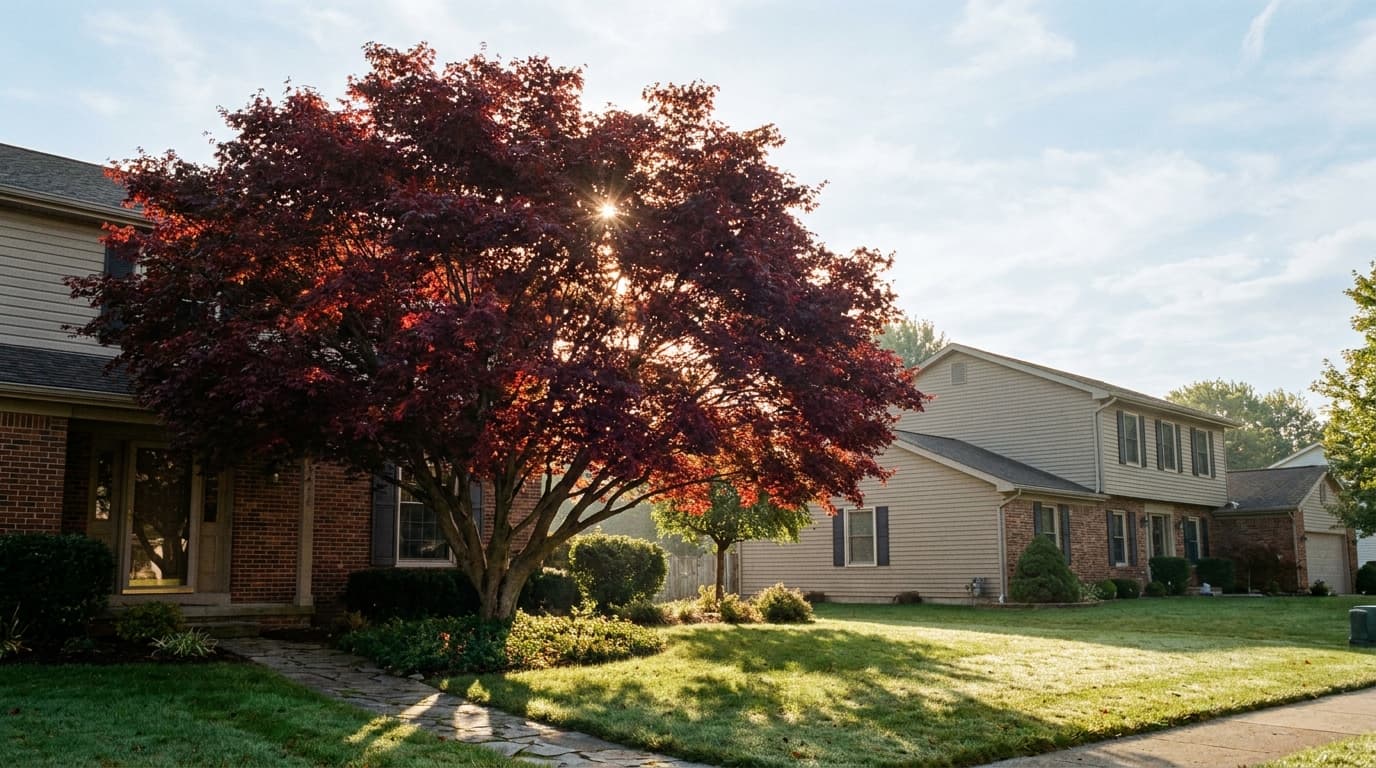
'Bloodgood' displays deep red-purple foliage from spring through fall, intensifying in cooler Northeast Indiana autumn temperatures. 'Fireglow' produces brilliant red new growth with darker summer tones. 'Bonfire' emerges bright red and transitions to deep burgundy. These cultivars pair beautifully with silver-foliaged plants like artemisia or dusty miller in Fort Wayne gardens.
Green and Golden Varieties
'Dissectum' (cutleaf varieties) display feathery bright green or lime foliage, perfect for Asian-inspired or contemporary landscapes. 'Autumn Moon' offers warm golden tones. These gentler colors provide contrast to darker evergreens common in Northeast Indiana foundation plantings.
Fall Transformation Specialists
'Osakazuki' produces soft green summer foliage, then transforms to brilliant crimson in autumn—a standout feature in Fort Wayne neighborhoods. 'October Glory' delivers reliable orange-red fall color that peaks later in the season, extending visual interest through November.
What Soil and Sunlight Conditions Does Your Yard Offer?
Japanese maples have specific environmental preferences that differ from typical Fort Wayne landscape plants. Our region's clay-heavy soil and variable moisture require thoughtful site selection and soil amendment. The right cultivar in the wrong location will struggle regardless of variety hardiness.
Most Japanese maples prefer:
- Afternoon shade: 4–6 hours of morning sun, filtered afternoon shade. Full sun (8+ hours) can scorch foliage, especially red varieties. In Fort Wayne's hot summers, afternoon shade is nearly essential.
- Well-draining soil: Our clay soils retain moisture excessively. Amend planting holes with 50% compost or peat moss to improve drainage and prevent root rot.
- Consistent moisture: Not waterlogged. Establish supplemental watering during dry spells (common in late summer across Northeast Indiana). Mulch heavily to regulate soil temperature and moisture.
- Shelter from harsh winds: Strong winter and spring winds damage delicate branching. Position east or north-facing, or plant near a windbreak.
For landscaping design in Fort Wayne, consider siting Japanese maples on the east side of homes, where they receive gentle morning sun and afternoon shade from the house itself. This mimics their natural forest understory environment.
Should You Choose Upright or Weeping Forms?
Japanese maple growth habits fall into two main categories: upright, branching trees and graceful weeping or spreading forms. Each creates distinct visual effects and requires different maintenance approaches for Fort Wayne landscapes.
Upright Varieties
'Bloodgood,' 'Bonfire,' and 'Osakazuki' grow tall and somewhat columnar, working as specimen focal points or backdrop plantings. They naturally develop strong branch structure with minimal pruning and are easier to integrate into traditional Northeast Indiana landscapes. These suit homeowners preferring clean, architectural forms.
Weeping/Spreading Varieties
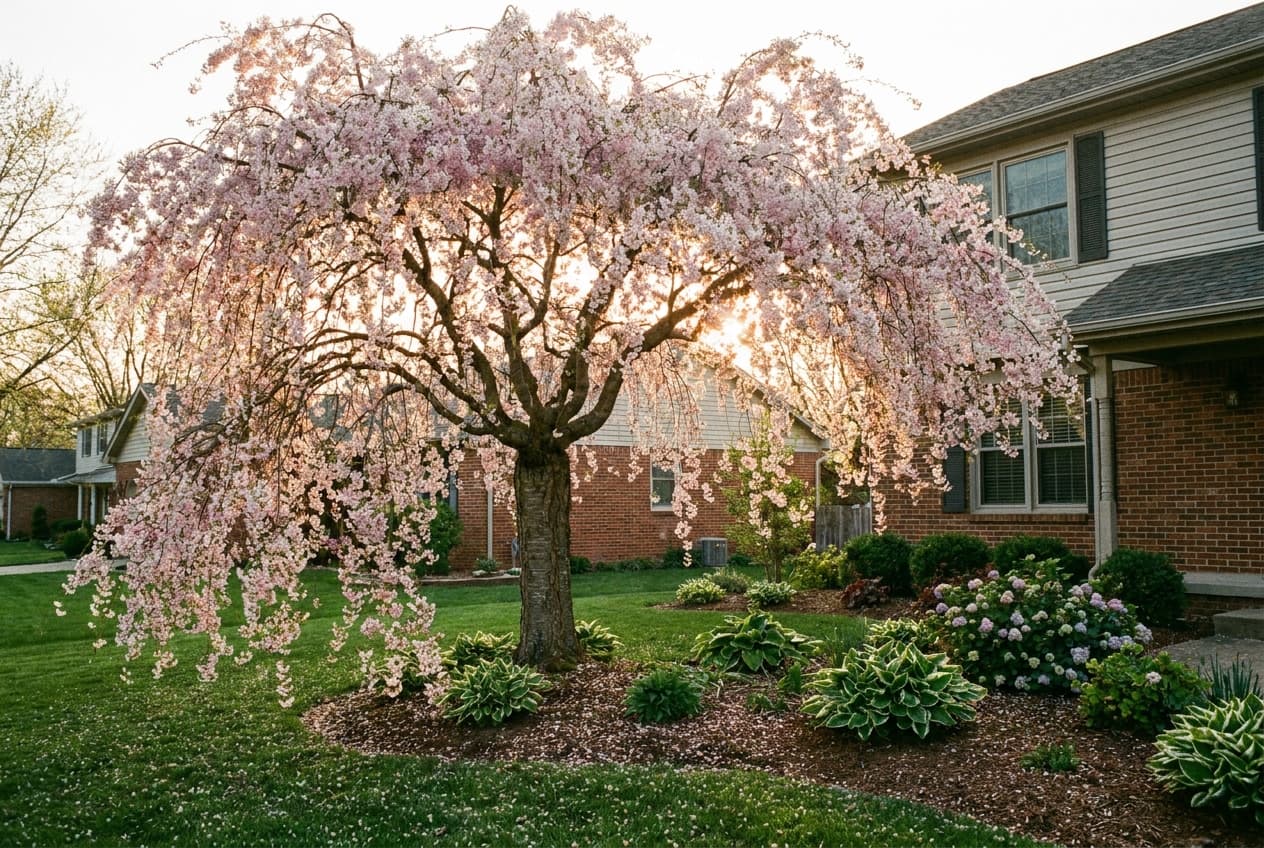
'Dissectum' cultivars ('Green Cascade,' 'Tamukeyama,' 'Inaba Shidare') develop graceful cascading habits perfect for accent plantings, mounding over rocks, or softening hardscape edges. These sculptural forms require occasional pruning to maintain shape but create dramatic focal points. They're stunning on slopes or positioned to overflow a raised hardscape element.
Weeping forms mature shorter but wider than upright types, so verify spread dimensions when planning Fort Wayne yard layouts.
What Maintenance Level Are You Comfortable With?
Japanese maple care requirements vary significantly by cultivar. Some thrive with minimal intervention, while others demand regular pruning, pest management, and precise watering. Honest self-assessment prevents frustration and ensures your investment flourishes.
Low-maintenance varieties: 'Bloodgood,' 'Bonfire,' and 'October Glory' are forgiving selections that tolerate Northeast Indiana conditions without fussing. They need occasional pruning to remove deadwood but adapt well to regional climate fluctuations.
Higher-maintenance varieties: Delicate cutleaf cultivars ('Dissectum' types) and some tender cultivars require more attentive watering, shade management, and pruning to maintain form. In Fort Wayne's variable springs, these need careful monitoring for frost damage.
All Japanese maples benefit from professional pruning every 2–3 years to maintain structure and health. Consider whether your yard maintenance routine includes this commitment, or factor professional tree care services into your long-term budget.
Selecting the perfect Japanese maple for your Fort Wayne property combines hardiness, size, color vision, site conditions, and maintenance honesty. By evaluating these five factors, you'll choose a variety that thrives in Northeast Indiana's Zone 5b climate for decades of graceful beauty. Ready to transform your landscape with a stunning Japanese maple? Contact Minnick Lawn & Landscaping to discuss the ideal variety for your property and get professional planting and placement guidance. Request a free consultation today—let's find the perfect Japanese maple for your Fort Wayne yard.