Choosing the right maple tree for your Fort Wayne property sets the foundation for a healthy, beautiful landscape for decades. Maples thrive in Northeast Indiana's USDA Zone 5b climate, but not all varieties perform equally well in our clay-heavy soil and variable weather patterns. Understanding which maples suit your yard, their water needs, and seed-dropping characteristics helps you make an informed decision that protects your investment and minimizes future maintenance headaches.
\n\nWhat Are the Best Cold-Hardy Maple Varieties for Fort Wayne?
 \n\n
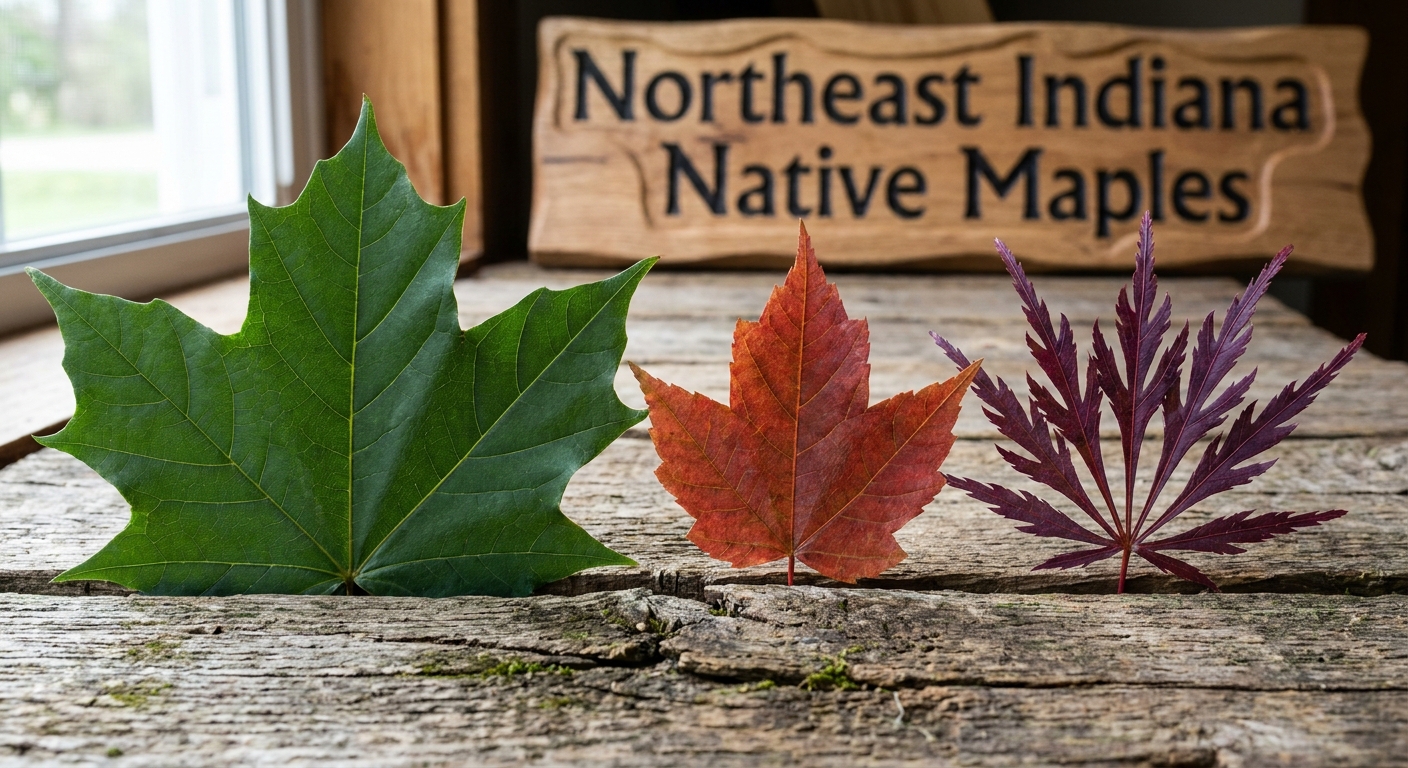
\n\nThe most reliable maples for Northeast Indiana include sugar maples, red maples, Norway maples, and Japanese maples. Sugar and red maples are native to the region and naturally adapted to our soil and climate conditions. These species consistently perform well in Fort Wayne landscapes, offering both aesthetic appeal and longevity. Norway maples, though non-native, have proven hardy in Zone 5b, though they require careful placement to avoid invasive spread.
\n\nSugar Maples (Acer saccharum)
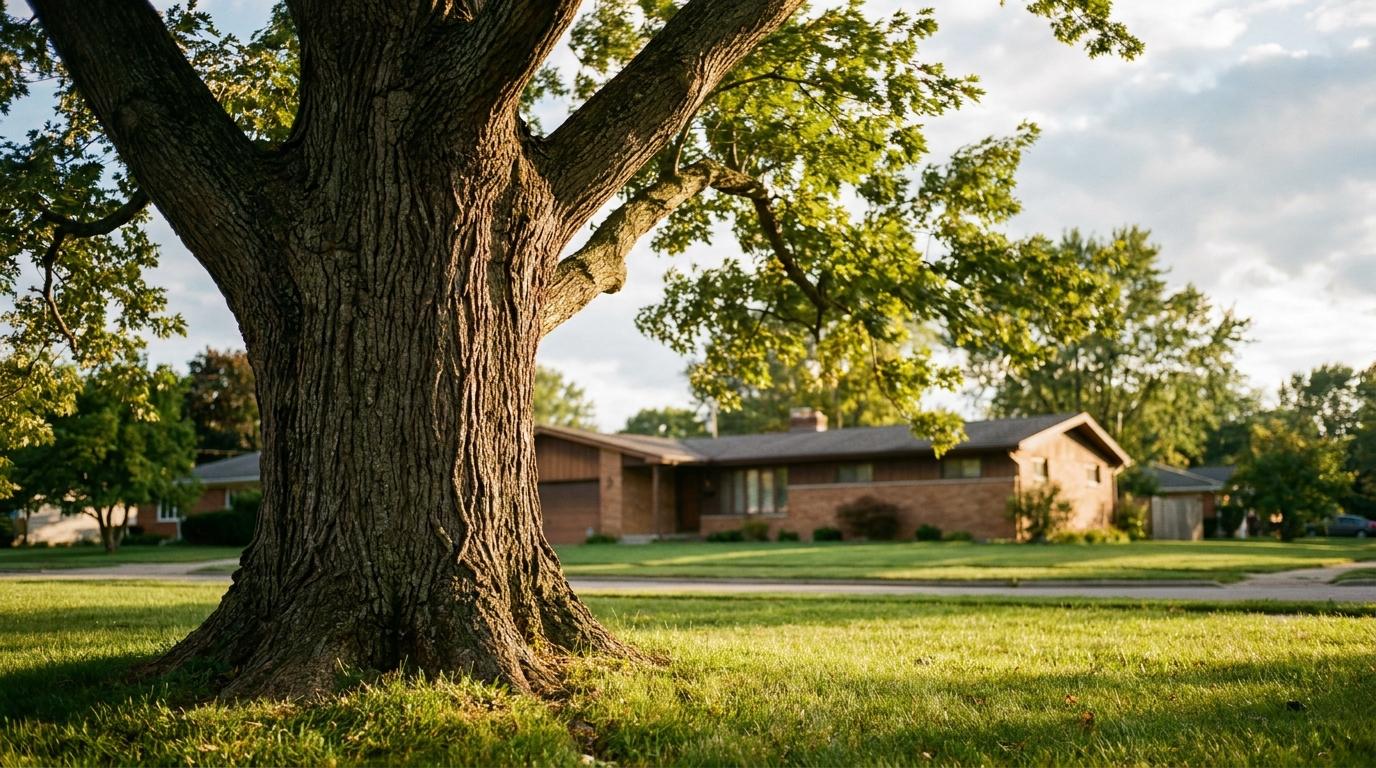
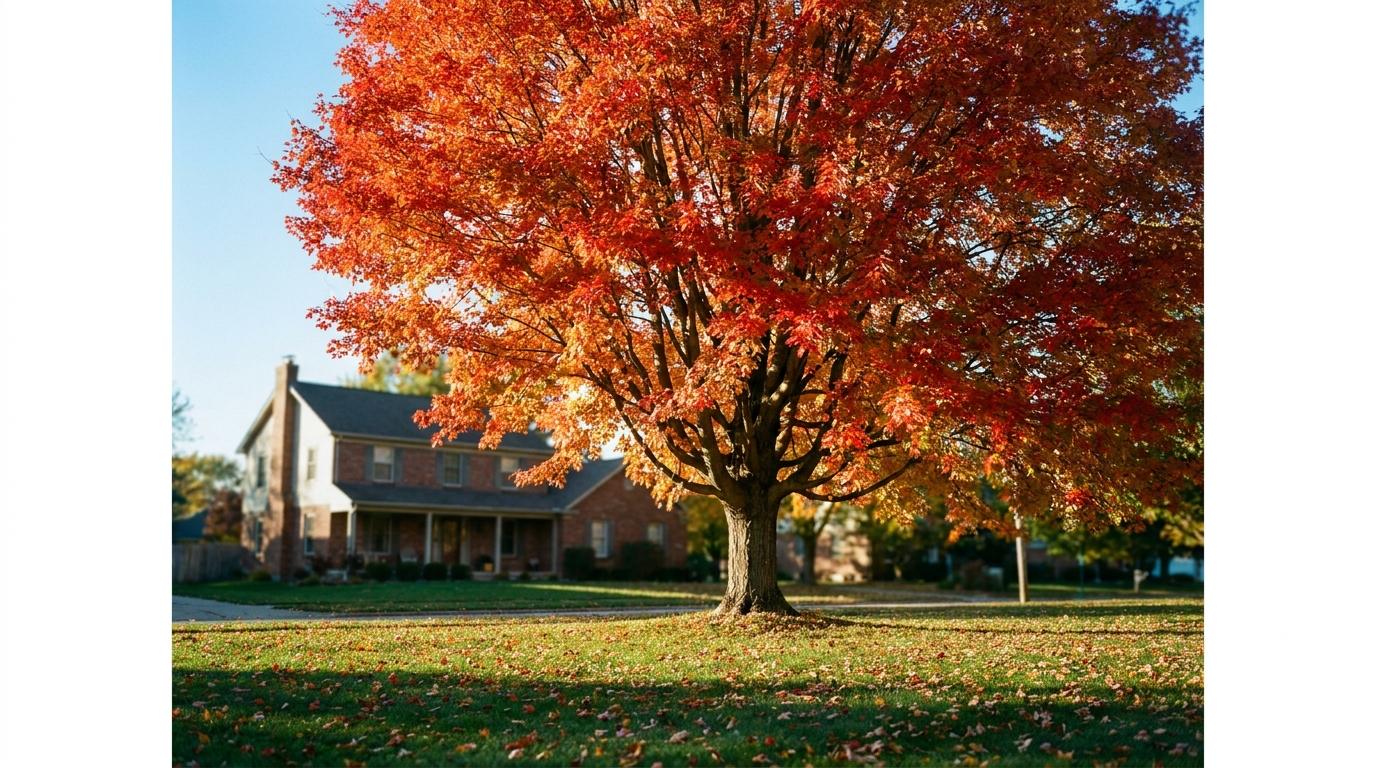
\nSugar maples are the quintessential choice for Fort Wayne homeowners seeking a long-lived, stately shade tree. Native to Northeast Indiana, these trees thrive in our region and deliver stunning fall color—brilliant reds, oranges, and yellows that make autumn spectacular. They grow 60–75 feet tall and wide, making them ideal for larger properties. Sugar maples prefer well-draining soil and consistent moisture, though established trees show good drought tolerance once their root systems develop fully.
\n\nRed Maples (Acer rubrum)
\nRed maples are faster-growing alternatives to sugar maples, reaching mature size in 40–50 years instead of 60+. They adapt well to Fort Wayne's clay soils and tolerate both wet and dry conditions better than sugar maples, making them excellent for properties with challenging drainage. Red maples produce vibrant red foliage in fall and attractive red flowers in spring, adding multi-season interest.
\n\nNorway Maples (Acer platanoides)
\nNorway maples are vigorous, fast-growing trees that handle Zone 5b winters without issue. They're extremely adaptable to Fort Wayne's soil conditions and provide dense shade quickly. However, they're considered invasive in some regions, and their dense canopy can suppress understory growth. They're best suited for larger properties where their size won't dominate the landscape.
\n\nJapanese Maples (Acer palmatum)
\nFor smaller spaces or accent plantings, Japanese maples add delicate texture and refined elegance. Varieties like 'Bloodgood' and 'Dissectum' are cold-hardy to Zone 5b and thrive in Fort Wayne's climate. These trees typically reach 15–25 feet, making them perfect for residential yards. They prefer afternoon shade and well-draining soil, and they're less tolerant of extended drought than their larger cousins.
\n\nWhich Maples Drop Seeds, and Which Don't?
 \n\n
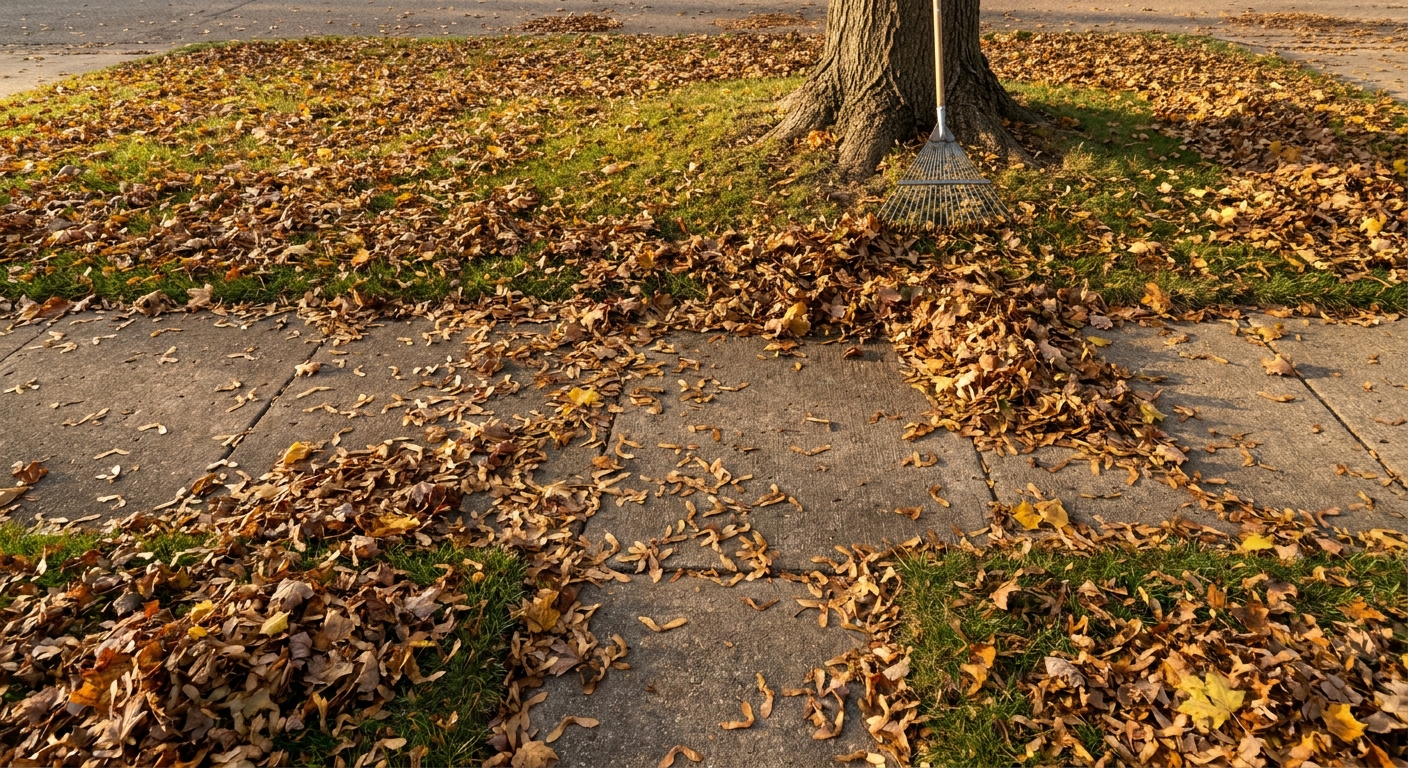
\n\nSeed production varies significantly among maple species, which directly impacts your maintenance burden. All maples produce winged seeds called samaras or "helicopters," but some varieties are prolific seeders while others produce minimal viable seeds. Understanding this distinction helps you anticipate cleanup needs and potential volunteer seedlings in your Fort Wayne yard.
\n\nHeavy Seed Producers
\n- \n
- Sugar Maples – Produce abundant seeds, especially in favorable growing years. Seeds germinate readily in moist soil, leading to volunteer seedlings throughout your property. \n
- Red Maples – Also heavy seed producers, releasing seeds in spring and early summer. Their prolific seeding can result in numerous seedlings in adjacent beds and mulched areas. \n
- Norway Maples – Extremely prolific seeders; their abundance of viable seeds is one reason they're considered invasive. Expect significant seed litter and seedlings throughout your landscape. \n
Light Seed Producers
\n- \n
- Japanese Maples – Produce relatively few seeds, and many ornamental cultivars are sterile or nearly sterile. This makes them excellent choices for low-maintenance yards. \n
- Cultivars Like 'Autumn Blaze' Red Maple – This popular hybrid produces minimal viable seeds while maintaining rapid growth and stunning fall color. It's an excellent compromise for Fort Wayne properties. \n
If seed cleanup is a concern for your Fort Wayne property, choose sterile cultivars or light-producing varieties like 'Autumn Blaze' red maple or Japanese maple. These provide all the beauty of standard maples with significantly less annual maintenance.\n\n
How Much Water Do Maple Trees Need in Northeast Indiana?
\n\nWater requirements depend on the maple species, soil type, and local conditions. Fort Wayne's clay-heavy soil retains moisture longer than sandy soil, which can actually increase root rot risk if maples are overwatered. Mature trees are generally more drought-tolerant than young saplings, but all maples benefit from consistent moisture during establishment and during drought stress.
\n\nYoung Maple Trees (First 2–3 Years)
\nNewly planted maples need regular watering to establish deep roots. Water 1–2 inches per week through rain or irrigation, applied slowly to the root zone rather than the foliage. In Fort Wayne's summer heat, check soil moisture every 2–3 days; if the top 2 inches are dry, water. Mulch with 2–3 inches of wood chips, keeping it 4–6 inches away from the trunk to retain moisture and moderate soil temperature.
\n\nEstablished Maple Trees (3+ Years)
\nOnce established, most maples require supplemental water only during extended droughts lasting 2+ weeks without measurable rain. Water deeply but infrequently—once per week is better than shallow daily watering, as deep watering encourages deep root development. During Fort Wayne's occasional dry spells, a slow-running hose at the drip line for 1–2 hours provides adequate moisture for large maples.
\n\nWhich Maple Varieties Are Most Drought-Tolerant?
\n\nOnce established, red maples and sugar maples show impressive drought tolerance, surviving extended dry periods common to Northeast Indiana summers. Japanese maples are less drought-tolerant and prefer consistent moisture. Norway maples excel in both wet and dry conditions, making them the most adaptable overall, though they're less desirable for other reasons in Fort Wayne landscapes.
\n\nFor properties with poor drainage or seasonal flooding, red maples are your best choice. For dry, sunny exposures with lean soil, sugar maples and 'Autumn Blaze' cultivars prove most resilient. Avoid planting thirsty Japanese maples in hot, dry west-facing locations without afternoon shade.
\n\nWhat Soil Conditions Do Maples Prefer in Fort Wayne?
\n\nFort Wayne's native soils are clay-dominant with moderate to slightly acidic pH—conditions that suit most maples well. Sugar and red maples are naturally adapted to these soil types and rarely struggle with pH issues. However, clay soil drainage is the primary concern; while maples tolerate clay, they don't appreciate waterlogged conditions year-round.
\n\nSoil Preparation Tips
\n- \n
- Amend heavy clay – Mix 20–30% compost or aged bark into the planting hole to improve drainage without creating a soil interface that traps water. \n
- Ensure proper grading – Plant maples on slight slopes or bermed areas to prevent water pooling around the trunk during Fort Wayne's heavy spring rains. \n
- Test pH – While unnecessary for native species, testing confirms your soil pH (ideal range: 6.0–7.5 for most maples). Japanese maples prefer slightly acidic soil (pH 5.5–6.5). \n
- Apply mulch carefully – 2–3 inches of mulch improves moisture retention and moderates soil temperature, but keep it several inches away from the trunk to prevent rot. \n
How Should You Plant and Maintain Maples in Northeast Indiana?
\n\nSuccessful maple establishment in Fort Wayne requires proper planting technique and consistent early care. Plant in spring (March–April) or fall (September–October) when temperatures are mild and trees can establish roots before extreme heat or cold. Dig a planting hole twice as wide as the root ball but no deeper; maples planted too deeply struggle with oxygen availability in our clay soils.
\n\nFor the first two years, monitor soil moisture regularly and provide supplemental water during droughts. Prune only to remove dead or crossing branches; maples bleed sap if pruned in late winter/early spring, so wait until mid-summer for major pruning. Once established, maples need minimal maintenance beyond occasional tree care and seed cleanup—tasks that Minnick Lawn & Landscaping can handle for you.
\n\nReady to add a beautiful, long-lived maple to your Fort Wayne property? Our team has planted hundreds of trees throughout Northeast Indiana and understands exactly which varieties thrive in Fort Wayne's climate and soil conditions. Request a free quote today to discuss maple planting options, ongoing tree maintenance, and seed cleanup services tailored to your landscape.
", "faqs": [ { "question": "What's the best maple tree to plant in Fort Wayne?", "answer": "Sugar and red maples are ideal for Fort Wayne properties. Sugar maples are native to Northeast Indiana and deliver stunning fall color and longevity. Red maples grow faster and tolerate wet soils better. For smaller spaces, 'Autumn Blaze' or Japanese maples work beautifully in Zone 5b." }, { "question": "Do all maple trees drop helicopter seeds in Fort Wayne?", "answer": "All maples produce winged seeds, but some are prolific seeders. Sugar, red, and Norway maples drop abundant seeds requiring cleanup. Japanese maples and cultivars like 'Autumn Blaze' produce few or no viable seeds, making them excellent low-maintenance choices for Fort Wayne yards." }, { "question": "How often should I water my maple tree in Northeast Indiana?", "answer": "Young maples (first 2–3 years) need 1–2 inches weekly until established. Mature maples only need water during extended droughts lasting 2+ weeks without rain. Fort Wayne's clay soil retains moisture well, so avoid overwatering, which can cause root rot in established trees." }, { "question": "Which maples survive drought conditions in Fort Wayne?", "answer": "Red maples and sugar maples show excellent drought tolerance once established. 'Autumn Blaze' is a particularly hardy cultivar. Norway maples handle both wet and dry extremes well. Japanese maples are less drought-tolerant and need consistent moisture and afternoon shade in Fort Wayne summers." }, { "question": "Can I plant a Japanese maple in my Fort Wayne yard?", "answer": "Yes, Japanese maple varieties like 'Bloodgood' and 'Dissectum' are cold-hardy to Zone 5b and thrive in Fort Wayne. They prefer afternoon shade, well-draining soil, and consistent moisture. They're perfect for accent plantings or understory locations in Northeast Indiana landscapes." } ] }