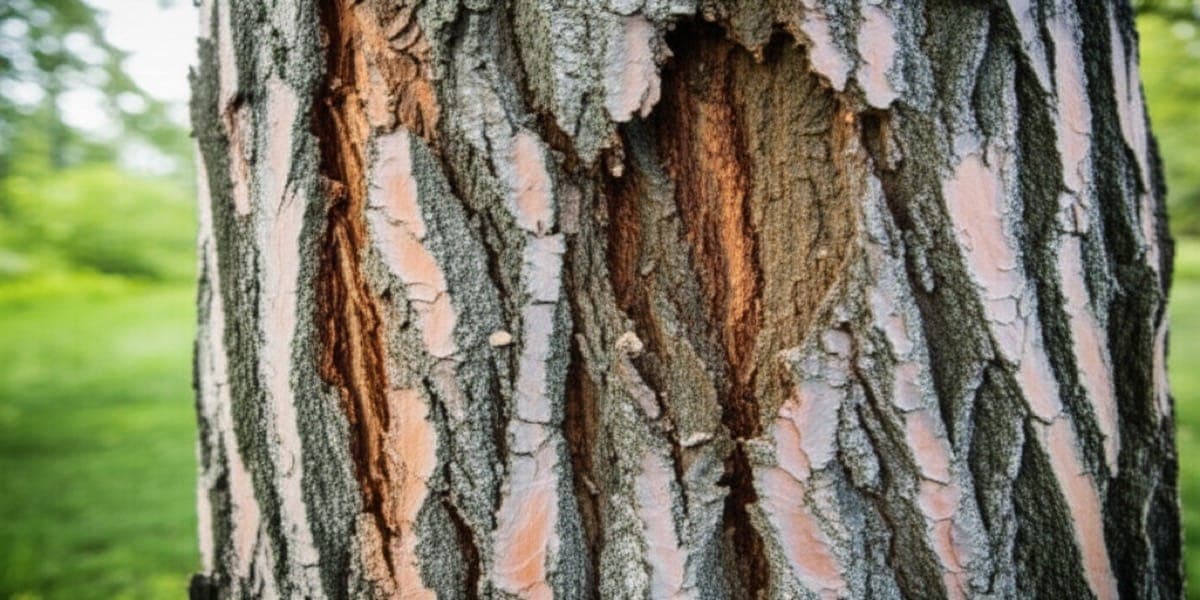
Indiana’s diverse tree population faces numerous disease threats, from the devastating oak wilt and Dutch elm disease to common issues like apple scab and anthracnose. Early identification gives you the best chance of saving affected trees or preventing spread to healthy ones. This guide covers the most common tree diseases in the Fort Wayne area and how to recognize them.

What Are the Most Serious Tree Diseases in Indiana?
Oak wilt and Dutch elm disease are the most devastating tree diseases in Indiana, killing trees within weeks to months. Both are fatal once established and spread easily to nearby trees. Emerald ash borer (a pest, not disease) has similarly devastated ash populations. These threats require immediate attention when detected.
High-Alert Tree Diseases
| Disease | Affected Trees | Severity |
|---|---|---|
| Oak wilt | Red oaks, white oaks | Fatal |
| Dutch elm disease | American elms | Fatal |
| Bacterial leaf scorch | Oaks, maples, others | Often fatal |
| Thousand cankers disease | Walnuts | Fatal |
How Do You Identify Oak Wilt?
Oak wilt causes rapid wilting and death, particularly in red oak group species. Leaves develop bronzing from the margins inward, often while still partially green. Red oaks typically die within 4-6 weeks; white oaks may survive longer but are still affected. The disease spreads through root grafts and insect vectors.
Oak Wilt Symptoms
Red oaks (die quickly):
- Rapid crown wilting
- Leaves bronze from edges
- Green tissue remains at leaf base
- Defoliation in weeks
- Tree death within months
White oaks (slower):
- Scattered branch death
- Slower progression
- May survive years
- Still spreads disease
Oak Wilt Prevention
- Do not prune oaks April-July (insect vector activity)
- Paint wounds immediately if pruning occurs
- Break root grafts between infected and healthy trees
- Remove infected red oaks promptly

What Does Dutch Elm Disease Look Like?
Dutch elm disease causes yellowing and wilting of leaves on individual branches, progressing through the crown. Brown streaking appears in the sapwood when bark is peeled back. The disease spreads via bark beetles and root grafts, often killing trees within one to two seasons.
Dutch Elm Disease Symptoms
- Flagging: Single branches wilt while others stay green
- Yellow/brown leaves: Don’t fall immediately
- Progressive wilting: Spreads through crown
- Sapwood streaking: Brown discoloration under bark
- Rapid death: Often within 1-2 seasons
Management
- Remove and destroy infected trees
- Break root connections
- Preventive fungicide injections (expensive)
- Plant resistant elm varieties
How Do You Recognize Apple Scab?
Apple scab is a common fungal disease affecting crabapples and apples, causing dark, scabby lesions on leaves and fruit. Severely affected trees defoliate by midsummer, weakening them over time. The disease is more aesthetic than fatal but stresses trees.
Apple Scab Symptoms
- Leaf spots: Olive-green turning dark
- Scabby texture: Velvety, rough lesions
- Early defoliation: Leaves drop in summer
- Fruit lesions: Scabby spots on fruit
- Annual recurrence: Worse in wet springs
Control Options
- Plant resistant varieties
- Clean up fallen leaves
- Fungicide sprays (preventive)
- Improve air circulation
What Is Anthracnose?
Anthracnose is a group of fungal diseases causing leaf spots, blotches, and distortion on various trees, particularly sycamore, maple, ash, and oak. It’s worst in cool, wet springs and rarely kills trees but can cause significant defoliation.
Anthracnose Symptoms
General signs:
- Irregular brown spots on leaves
- Leaf distortion and curling
- Tan/brown blotches
- Early leaf drop
- Twig dieback
Species-specific:
- Sycamore: Severe, repeated defoliation
- Maple: Leaf spots along veins
- Ash: Brown areas between veins
- Oak: Spots, may kill emerging leaves
Management
- Rake and destroy fallen leaves
- Improve air circulation
- Usually not necessary to treat
- Trees typically recover

What Causes Leaf Spots on Trees?
Leaf spots result from various fungal and bacterial infections. Most are cosmetic rather than fatal, though severe annual infections can stress trees. Identification often requires lab analysis, but general management is similar for most leaf spot diseases.
Common Leaf Spot Diseases
| Disease | Common Hosts | Season |
|---|---|---|
| Tar spot | Maple | Late summer |
| Tubakia | Oak | Mid-late summer |
| Septoria | Many trees | Variable |
| Cedar-apple rust | Crabapples | Spring |
When to Worry
Concern is warranted when:
- Defoliation exceeds 50%
- Occurs annually
- Tree shows decline
- Combined with other stresses
What Is Bacterial Leaf Scorch?
Bacterial leaf scorch (BLS) causes progressive decline with no cure. The bacteria block water movement, causing leaf browning that resembles drought stress. Affected trees decline over several years and eventually die.
BLS Symptoms
- Marginal leaf scorch: Brown edges with yellow border
- Late summer timing: Symptoms appear in summer
- Progressive: More branches each year
- Eventually fatal: No cure exists
Commonly affected:
- Pin oak
- Red maple
- Sycamore
- Red oak
How Can You Tell Disease from Other Problems?
Tree problems aren’t always disease—drought stress, salt damage, chemical injury, and nutrient deficiencies cause similar symptoms. Proper diagnosis matters for effective treatment.
Symptom Comparison
| Symptom | Possible Causes |
|---|---|
| Leaf scorch | Drought, salt, BLS, hot weather |
| Yellow leaves | Nutrient deficiency, root problems, disease |
| Leaf spots | Fungal disease, chemical injury, insects |
| Wilting | Root problems, disease, drought |
| Dieback | Multiple possible causes |
Diagnostic Clues
Disease indicators:
- Pattern follows infection spread
- Fungal structures visible
- Consistent with known diseases
- Weather-related timing
Other causes:
- Symmetrical damage
- Timing matches events
- Soil/site problems
- Environmental stress
When Should You Call a Professional?
Call a tree care professional when you notice rapid decline, symptoms matching serious diseases, or when you’re unsure of the cause. Early intervention offers the best outcomes for treatable problems.
Seek help for:
- Rapid wilting or decline
- Suspected oak wilt or Dutch elm
- Recurring annual problems
- Valuable trees showing stress
Our tree care services provide disease diagnosis and treatment throughout Fort Wayne.
Request a Free Quote or call us at (260) 450-4676 for tree health evaluation.
Frequently Asked Questions
Can diseased trees be saved?
Some diseases can be managed or treated if caught early. Others, like oak wilt in red oaks, are essentially untreatable once symptomatic.
Should I remove a diseased tree?
It depends on the disease. Some require removal to prevent spread; others don’t. Professional diagnosis helps determine the best course.
How do I prevent tree diseases?
Maintain tree health, prune properly at right times, choose disease-resistant species, and address problems early.
Adam Minnick is the owner of Minnick Lawn & Landscaping, serving Fort Wayne, Auburn, and Northeast Indiana since 2018.