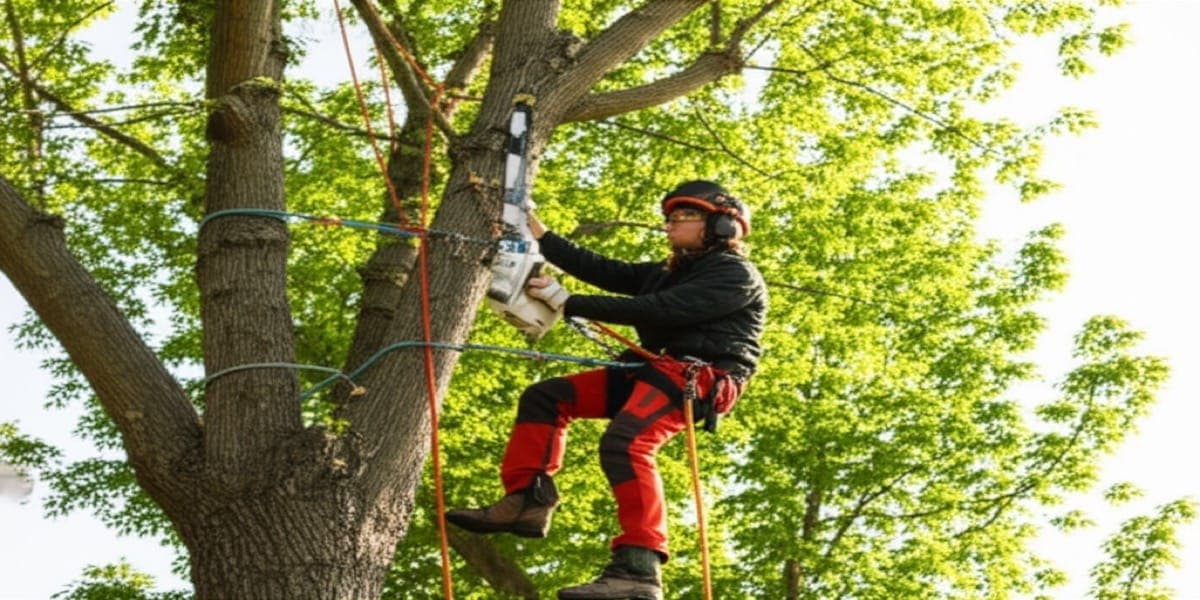
Tree being trimmed during late winter in Fort Wayne

When you trim trees matters as much as how you trim them. Proper timing promotes healing, reduces disease risk, and supports healthy growth. Wrong timing can spread disease, stress trees, or stimulate unwanted growth. For Fort Wayne and Northeast Indiana, seasonal patterns and species-specific requirements guide the best pruning windows.

Late winter tree pruning

When Is the Best Time to Trim Most Trees?

Late dormant season—late winter to early spring before bud break—is the ideal pruning window for most trees. Trees are dormant, reducing stress and sap flow. Disease vectors are inactive. The structure is visible without leaves. And trees heal quickly when growth resumes.

Why Late Dormant Season Works

  • Trees are dormant: Minimal stress response
  • No leaves: Structure clearly visible
  • Diseases inactive: Reduced infection risk
  • Less sap flow: Cleaner cuts
  • Spring growth: Rapid wound closure
  • Frozen ground: Better equipment access

General Timing Guide

TimingRecommendation
Late winter (Feb-early Mar)Best for most trees
Early spring (before leaves)Second best
SummerOK for light pruning
FallAvoid if possible
After leaf-outEmergency only

What Trees Need Special Timing Considerations?

Oaks and elms have strict timing requirements to prevent fatal diseases. Spring-flowering trees should be pruned after blooming. Maples and birches bleed heavily if pruned in late winter but aren’t harmed. Knowing species-specific needs prevents problems.

Species-Specific Timing

SpeciesBest TimeReason
OaksNov-Feb onlyOak wilt prevention
ElmsNov-Mar onlyDutch elm disease
MaplesSummer or early winterReduces bleeding
BirchesSummerReduces bleeding
Spring bloomersAfter floweringPreserve flower buds
Fruit treesLate dormantDisease reduction
EvergreensLate dormant or summerVariable by type

Why Is Oak Timing Critical?

Oak wilt is a fatal fungal disease spread by beetles that are attracted to fresh wounds during the growing season. In Fort Wayne and Indiana, oaks should only be pruned November through February when beetles are inactive. Pruning during the growing season can kill otherwise healthy trees.

Oak Pruning Rules

Safe window: November 1 - February 28 High-risk period: April - July (beetles most active) If emergency pruning needed: Paint wounds immediately

Oak wilt facts:

  • Kills red oaks in 4-6 weeks
  • Spreads through root grafts
  • Beetles carry spores to fresh wounds
  • One wrong cut can infect multiple trees

Proper oak pruning during dormant season

When Should Elms Be Pruned?

Like oaks, elms face a fatal vascular disease—Dutch elm disease—spread by bark beetles. Prune elms only during dormancy (November through March) when beetles are inactive. The disease has devastated American elms across the country.

Elm Pruning Guidelines

Safe window: November - March Avoid: April - October Emergency: Paint wounds, remove infected wood

What About Spring-Flowering Trees?

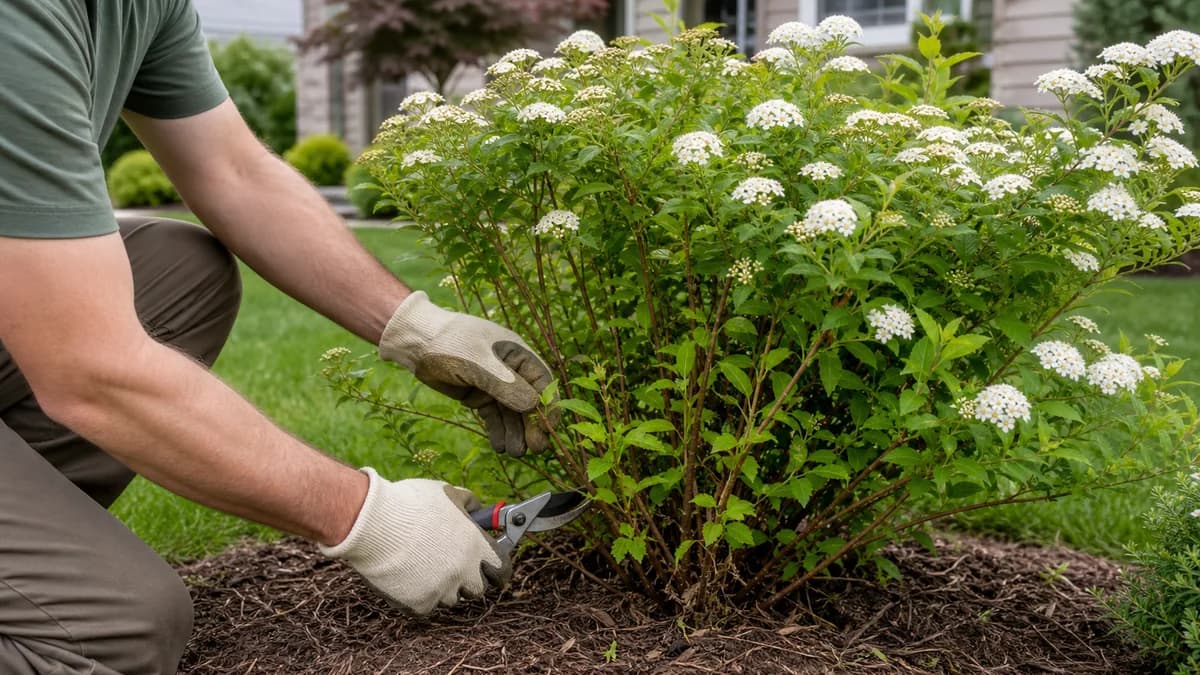
Trees that bloom in spring (dogwood, redbud, magnolia, flowering cherry) set their flower buds the previous year. Pruning in late winter removes those buds. Prune spring bloomers immediately after flowering to enjoy blooms and allow time for next year’s bud formation.

Spring Bloomer Timing

TreeBloom TimePrune After
RedbudAprilMay
DogwoodApril-MayMay-June
MagnoliaApril-MayMay-June
Flowering cherryAprilMay
CrabappleMayJune
LilacMayJune

Do Maples Really Bleed?

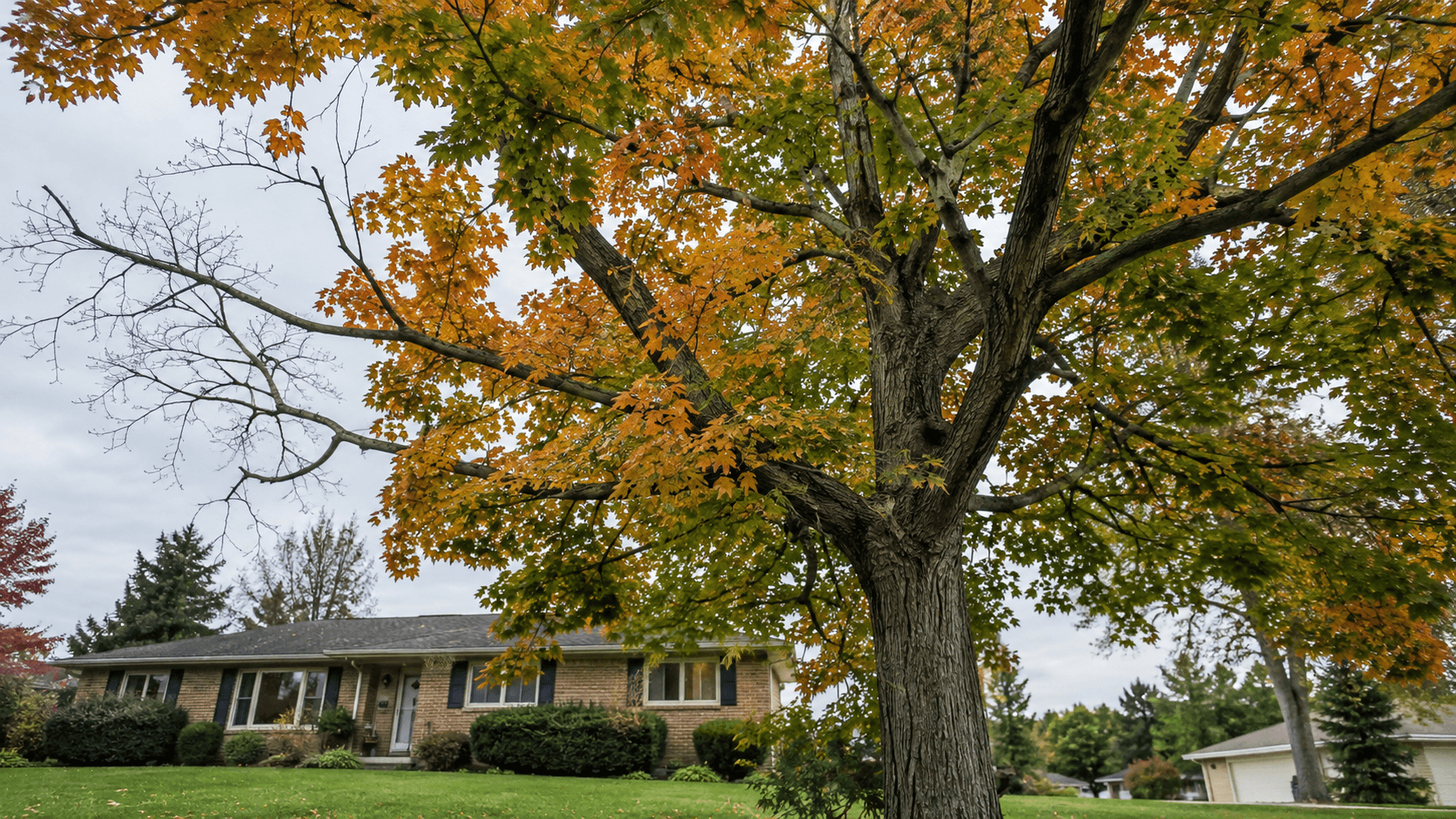
Maples and birches produce heavy sap flow when pruned in late winter or early spring. While this looks alarming, the “bleeding” doesn’t harm the tree. However, if you want to avoid the mess, prune maples in summer or early winter.

Managing Sap-Bleeders

Options:

  • Prune in summer (after leaves harden)
  • Prune in early winter (before sap pressure builds)
  • Accept bleeding (doesn’t harm tree)

Species that bleed:

  • Maples
  • Birches
  • Walnuts
  • Elms (minor)

When Should You Avoid Pruning?

Avoid pruning during active spring growth, during drought stress, in fall when wounds heal slowly, and when disease risk is elevated. Emergency pruning (removing hazards) can happen anytime but should be minimized.

Poor Timing Windows

PeriodWhy Avoid
Spring flushHigh stress, depleted reserves
FallSlow wound closure, disease risk
DroughtAdditional stress
Disease-risk periodsSpecies-specific

Tree showing spring growth flush

Can You Prune in Summer?

Summer pruning is acceptable for light work—removing dead wood, controlling water sprouts, and light shaping. Avoid heavy pruning in summer as it stresses trees and stimulates unwanted growth. Summer is actually preferred for maples and birches to avoid bleeding.

Summer Pruning Appropriate For

  • Dead branch removal (anytime)
  • Water sprout removal
  • Light shaping
  • Maples and birches
  • Fruit tree training

Summer Pruning Concerns

  • Heat stress
  • Drought stress
  • Heavy cuts stimulate sprouts
  • Some disease risks

What About Evergreens?

Evergreen timing varies by type. Pines are best pruned in late spring when candles (new growth) are elongating. Spruce and fir can be pruned late winter or early summer. Arborvitae and junipers accept pruning most of the year except fall.

Evergreen Timing

TypeBest Timing
PineLate spring (candle stage)
SpruceLate winter or late June
FirLate winter
ArborvitaeSpring or early summer
JuniperSpring through summer

How Do You Know When to Schedule Service?

Plan ahead—the best pruning windows fill quickly. Contact tree services in late fall or early winter for scheduling. Emergency work happens as needed, but routine pruning benefits from proper timing and planning.

Planning timeline:

  • Fall: Contact services, schedule
  • Late winter: Best pruning window
  • After storms: Emergency as needed
  • Summer: Light maintenance

Our tree care services schedule pruning at optimal times throughout Fort Wayne.


Request a Free Quote or call us at (260) 450-4676 for tree trimming service.


Frequently Asked Questions

Can I prune trees in spring?

Early spring before bud break is fine for most species. Avoid pruning during active growth (as leaves are emerging) and respect species-specific restrictions.

What if I need emergency pruning during a restricted period?

Safety comes first. For oaks and elms during restricted periods, paint wounds immediately with latex paint to reduce disease risk.

Does fall pruning really hurt trees?

Fall pruning delays wound closure since trees are preparing for dormancy. It’s not catastrophic but not ideal—better to wait for late winter.


Adam Minnick is the owner of Minnick Lawn & Landscaping, serving Fort Wayne, Auburn, and Northeast Indiana since 2018.