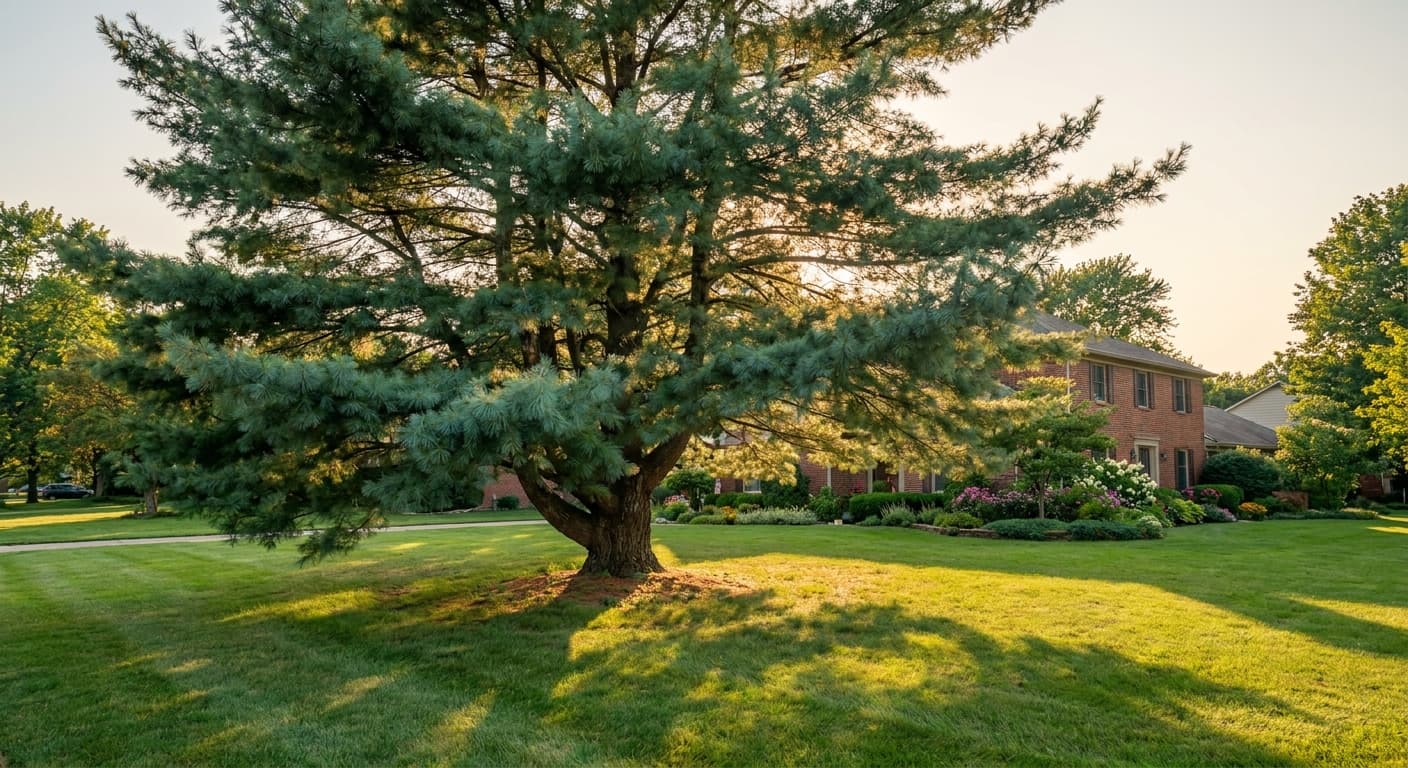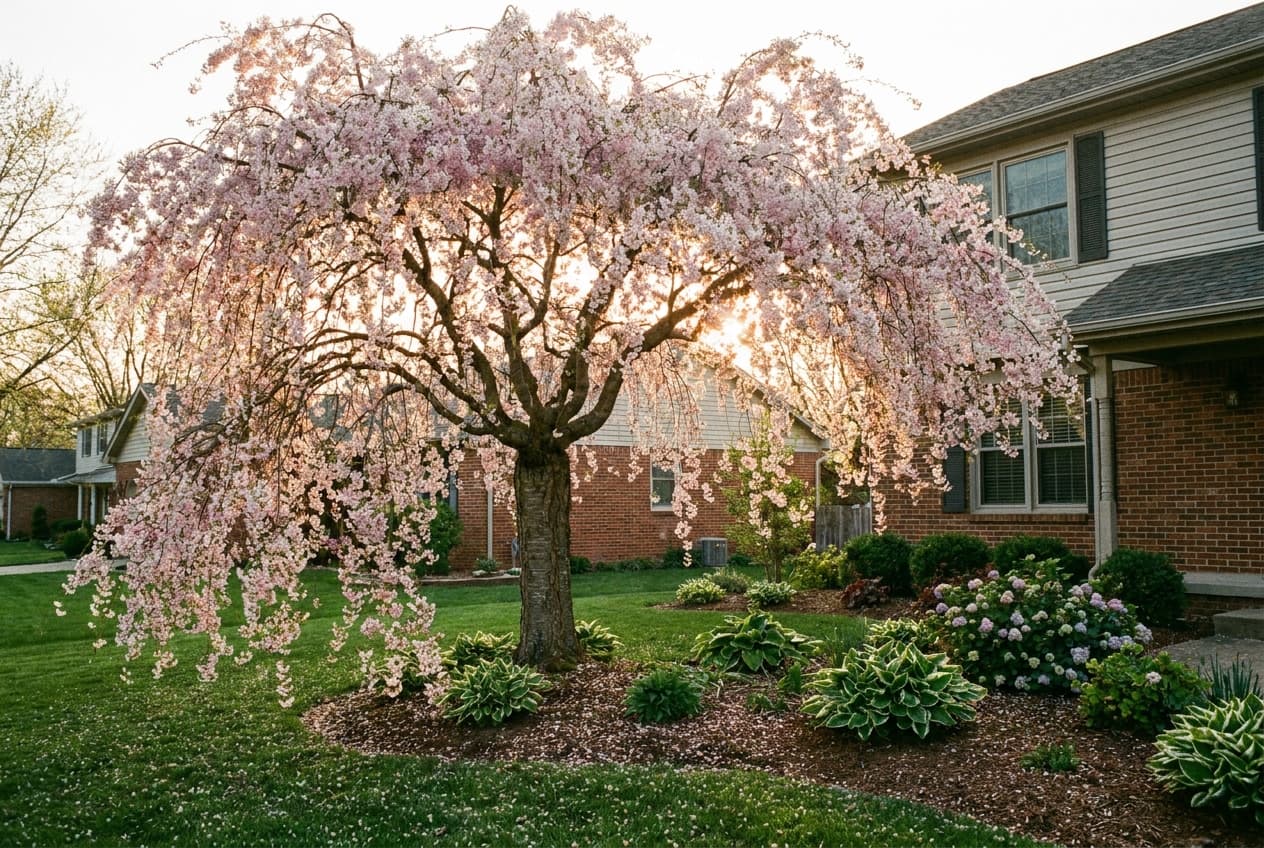
Most Fort Wayne homeowners think of wind as a threat to their trees, but moderate wind actually plays a crucial role in keeping trees healthy and strong. Wind naturally strengthens tree trunks and branches, improves air circulation around the canopy, and helps trees develop deeper, more resilient root systems. Understanding how wind benefits your trees can help you make better decisions about tree placement, pruning, and care in Northeast Indiana's variable climate.
Why Do Trees Need Wind to Develop Strong Trunks?
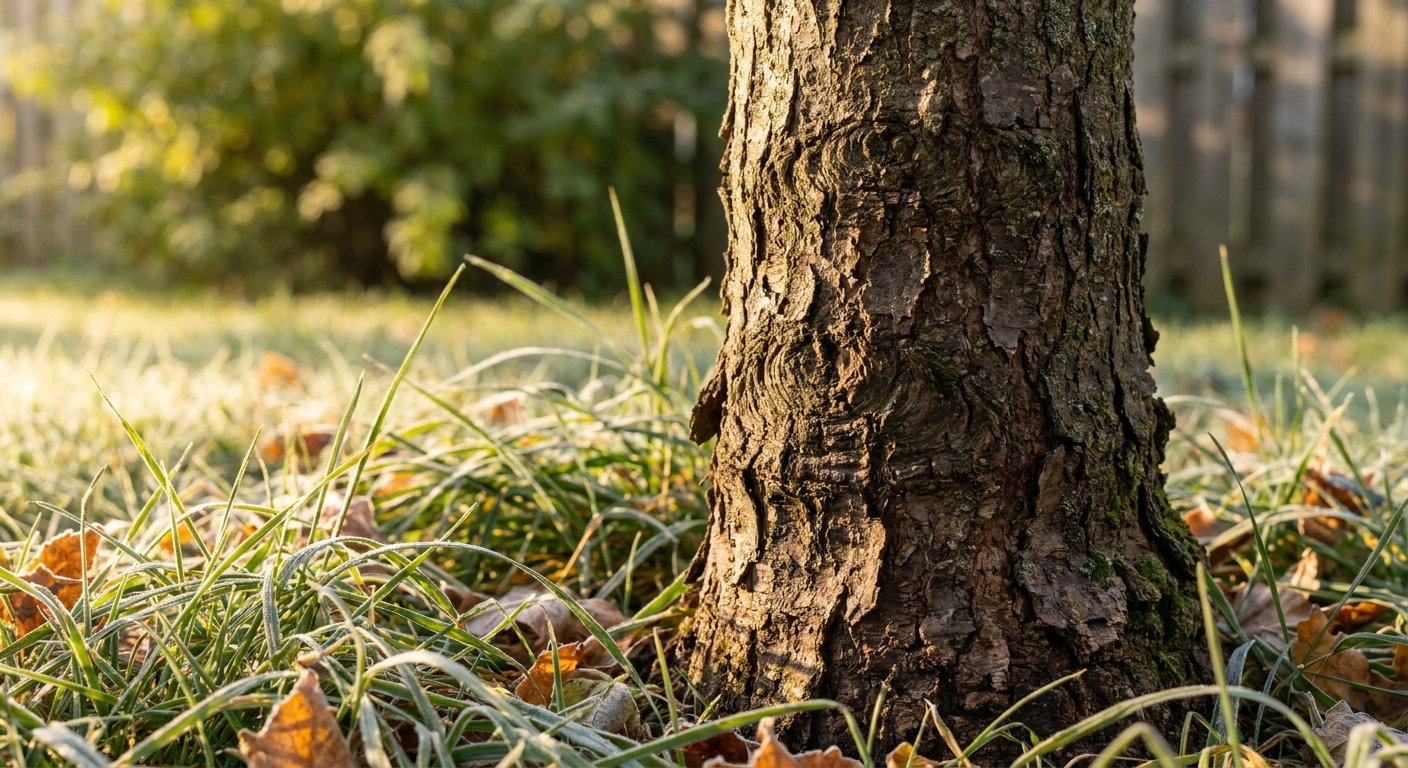
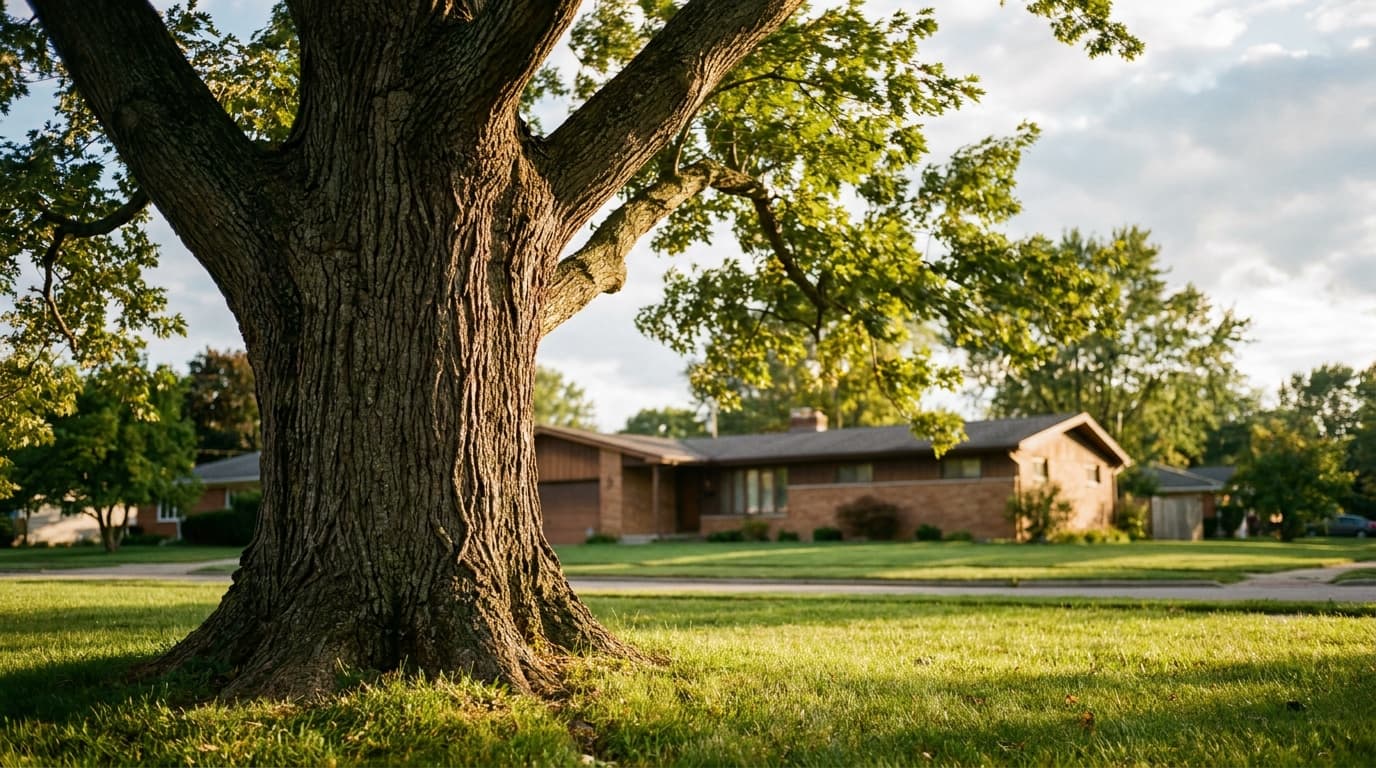
Wind stress triggers trees to build stronger wood fibers and develop thicker, more robust trunks. When trees grow in completely still environments—like nurseries or sheltered areas—they produce thinner, weaker wood because they face no resistance. The constant gentle swaying from wind signals the tree to reinforce its structural tissues, much like how exercise strengthens human muscles. Fort Wayne trees that experience regular, moderate breezes develop significantly stronger wood compared to trees in extremely protected locations.
The Science of Wood Formation Under Wind
Trees respond to wind by producing specialized cells called reaction wood. This wood is denser and stronger than normal wood, and it helps the tree maintain its posture against wind forces. The more a young tree experiences wind during its growth years, the more reaction wood it develops. By the time the tree reaches maturity, it's built a naturally reinforced structure capable of withstanding Northeast Indiana's occasional strong storms and heavy ice events.
How Does Wind Improve Air Circulation in Tree Canopies?
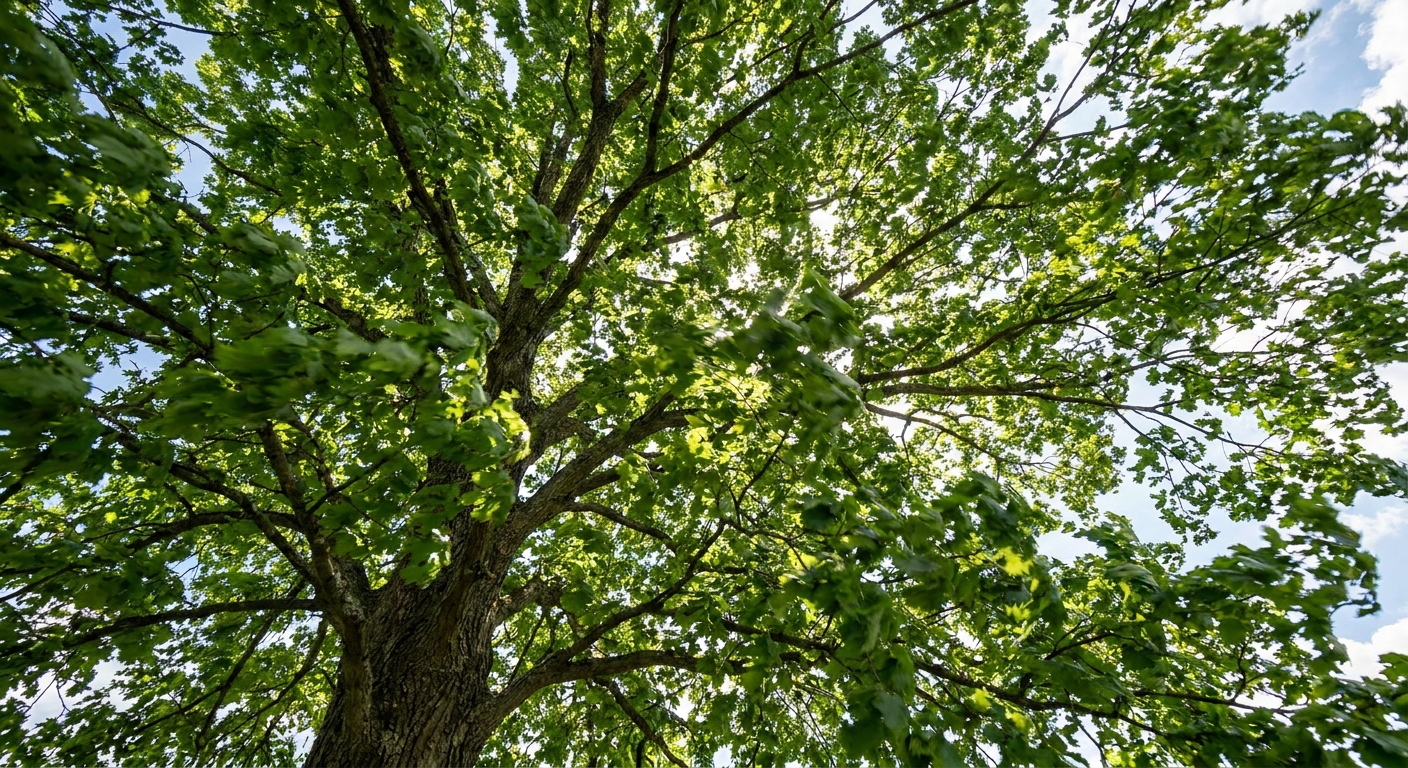
Stagnant air in dense tree canopies creates the perfect environment for fungal diseases, insect infestations, and moisture-related problems. Wind naturally moves through branches and leaves, reducing humidity levels and preventing disease organisms from taking hold. Better air circulation in Fort Wayne's humid growing season means fewer fungal infections like powdery mildew and better overall tree health without extra chemical treatments.
Disease Prevention Through Natural Ventilation
- Wind reduces leaf wetness duration, limiting fungal spore germination
- Improved airflow prevents the buildup of insect populations and their eggs
- Lower humidity in the canopy slows the spread of bacterial diseases
- Natural ventilation reduces the need for fungicide applications
- Drier foliage bounces back faster after rain or heavy dews
Moderate wind is nature's best disease prevention tool—it keeps tree canopies dry, reduces pest habitat, and costs you nothing compared to chemical treatments.
What Role Does Wind Play in Root System Development?
When trees sway in the wind, their movement creates stress on the root system that actually encourages deeper, more extensive root growth. Trees in windy locations develop anchoring roots that penetrate deeper into Northeast Indiana's clay-heavy soil, making them more stable and better able to access moisture during dry periods. A tree with a strong, deep root system is far less likely to topple during storms or become stressed during drought conditions that occasionally affect Fort Wayne.
Root Strength and Stability Benefits
Wind-stressed trees develop thicker root collars and more fibrous feeder roots distributed deeper in the soil profile. This means they're anchored more securely against wind uplift and can weather the intense storms that occasionally sweep through Allen County. Additionally, deeper roots access more stable water supplies, reducing the tree's dependence on surface moisture and reducing your need for supplemental watering during hot Indiana summers.
How Can You Encourage Healthy Wind Exposure for Your Trees?
Fort Wayne property owners should avoid planting trees in completely sheltered spots or removing all surrounding trees that create natural windbreaks. Instead, encourage moderate wind exposure by strategic placement and thoughtful pruning. When trees are too crowded or too protected, they miss out on the developmental benefits of wind. Our tree care experts can help you position trees for optimal health and stability while maintaining your landscaping goals.
Best Practices for Wind-Healthy Tree Placement
- Plant trees in locations where they'll experience gentle, consistent breezes rather than complete shelter
- Avoid dense clustering that blocks all air movement through the canopy
- Space trees appropriately so wind can circulate around each tree's foliage
- Don't remove all windbreaks on your property—just ensure some wind reaches individual trees
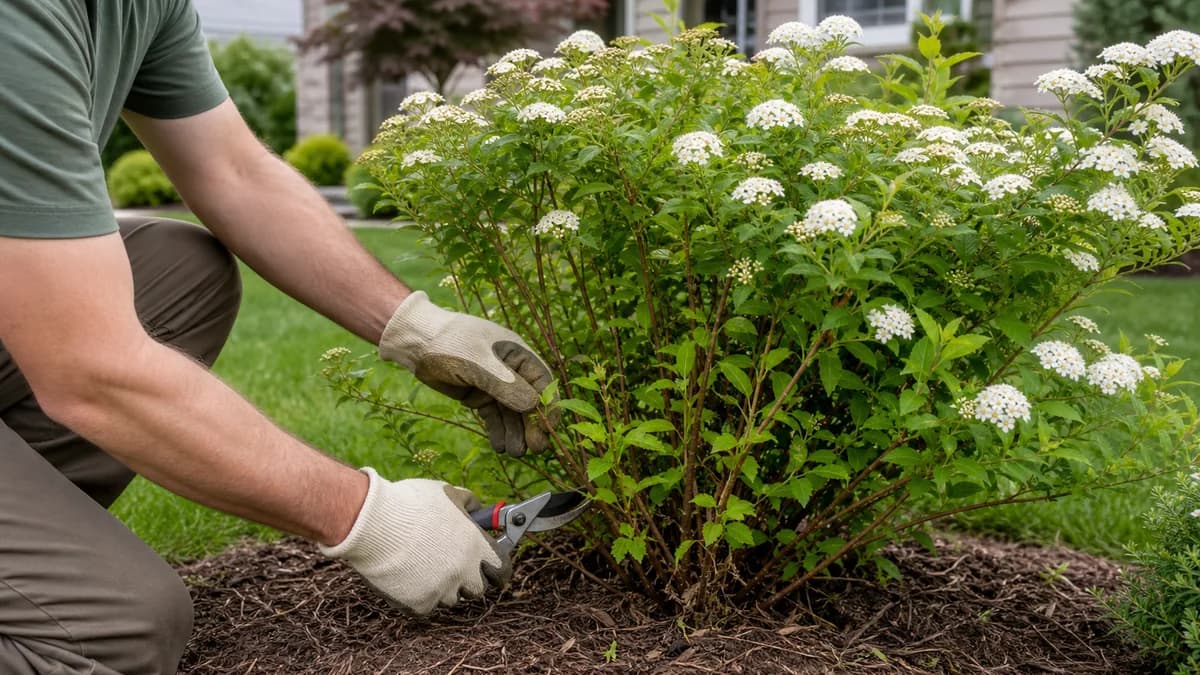
- Prune trees to improve internal air circulation, especially in the lower and middle canopy
- Monitor newly planted trees and stake only if absolutely necessary, allowing some gentle movement
When Is Too Much Wind Bad for Trees?
While moderate wind strengthens trees, extreme winds and severe storms do pose real threats to tree health and safety. Violent wind events can snap branches, strip bark, and create wounds that invite disease. The key is balance—your trees benefit from regular, moderate air movement but need protection from severe weather events. Fort Wayne's location in USDA Zone 5b means occasional severe storms, so proper tree maintenance and care become essential to help trees recover from storm damage.
Understanding Stress vs. Damage
Gentle swaying in a moderate breeze is beneficial stress that strengthens wood and encourages deeper roots. Sustained winds over 35-40 mph or violent gusts can cause actual damage. The difference is significant: beneficial wind creates slight movement that the tree can respond to, while damaging wind tears branches, strips bark, and uproots entire trees. In Northeast Indiana, severe storms do happen, which is why strong, wind-adapted trees are so important for your landscape's resilience.
What's the Bottom Line on Wind and Tree Health?
Wind is an often-overlooked natural benefit for tree health in Fort Wayne and the surrounding areas. Trees that experience moderate wind develop stronger trunks, deeper root systems, better disease resistance, and superior overall structure. Rather than seeking to eliminate all wind from your property, focus on strategic placement and proper maintenance that allows trees to benefit from natural air movement while protecting them from extreme weather. Minnick Lawn & Landscaping's tree care services include proper pruning, bracing, and maintenance that helps your trees thrive with the natural elements.
The healthiest, strongest trees are those that have been gently challenged by wind from a young age—it's nature's strength-training program for your landscape.
Ready to ensure your trees are positioned and maintained for optimal health? Request a free quote from Minnick Lawn & Landscaping to discuss your tree care needs and landscaping goals in Fort Wayne, Indiana. Our team can assess your trees' current health, recommend proper pruning practices, and help you create a landscape that harnesses the benefits of wind while protecting against storm damage.