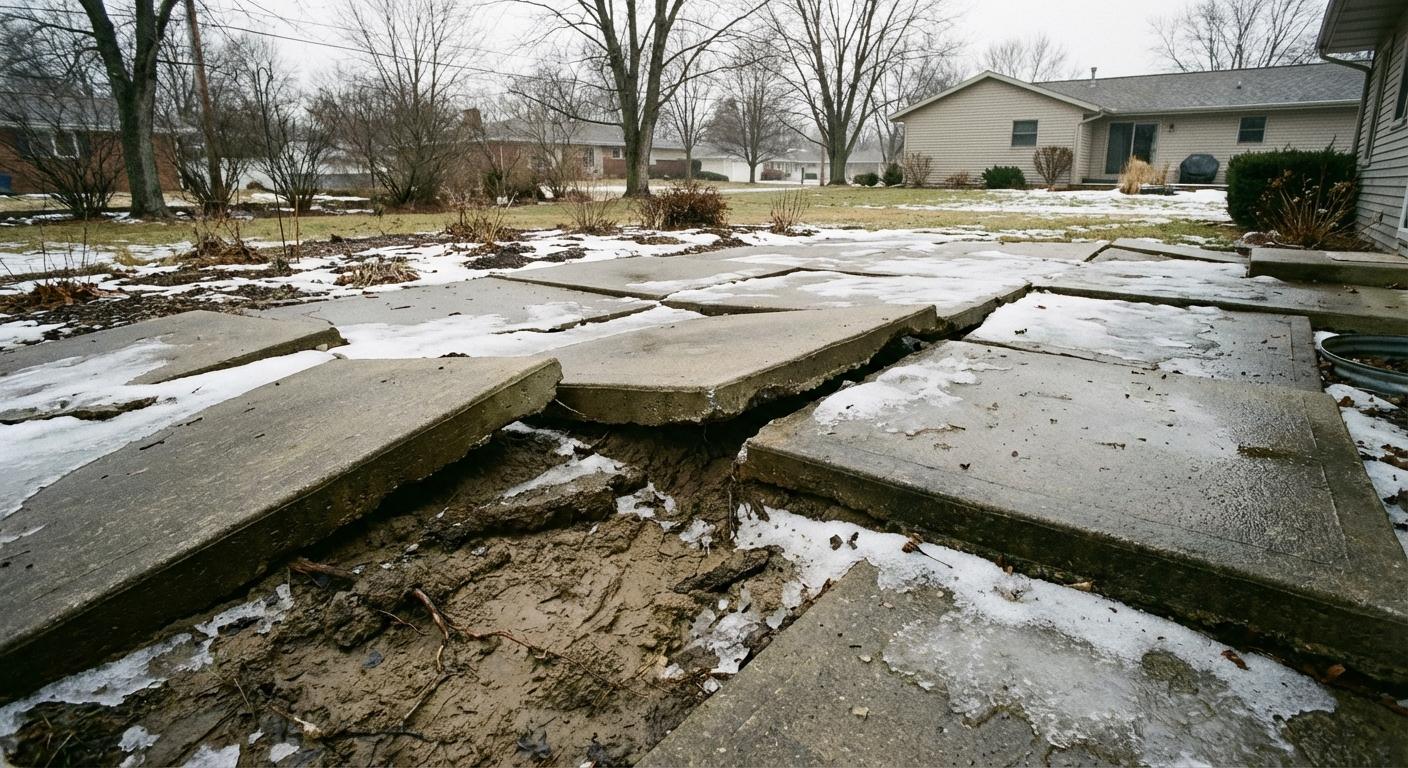
Fort Wayne's brutal winter-to-spring transition causes more hardscape damage than almost anywhere else in the Midwest. With 40 to 50 freeze-thaw cycles per year—far more than southern states—your patio, walkway, and retaining walls are under constant stress from expanding and contracting soil. Understanding how frost heave works and why timing matters can save you thousands in repairs.
What Is Frost Heave and Why Does It Happen in Northeast Indiana?
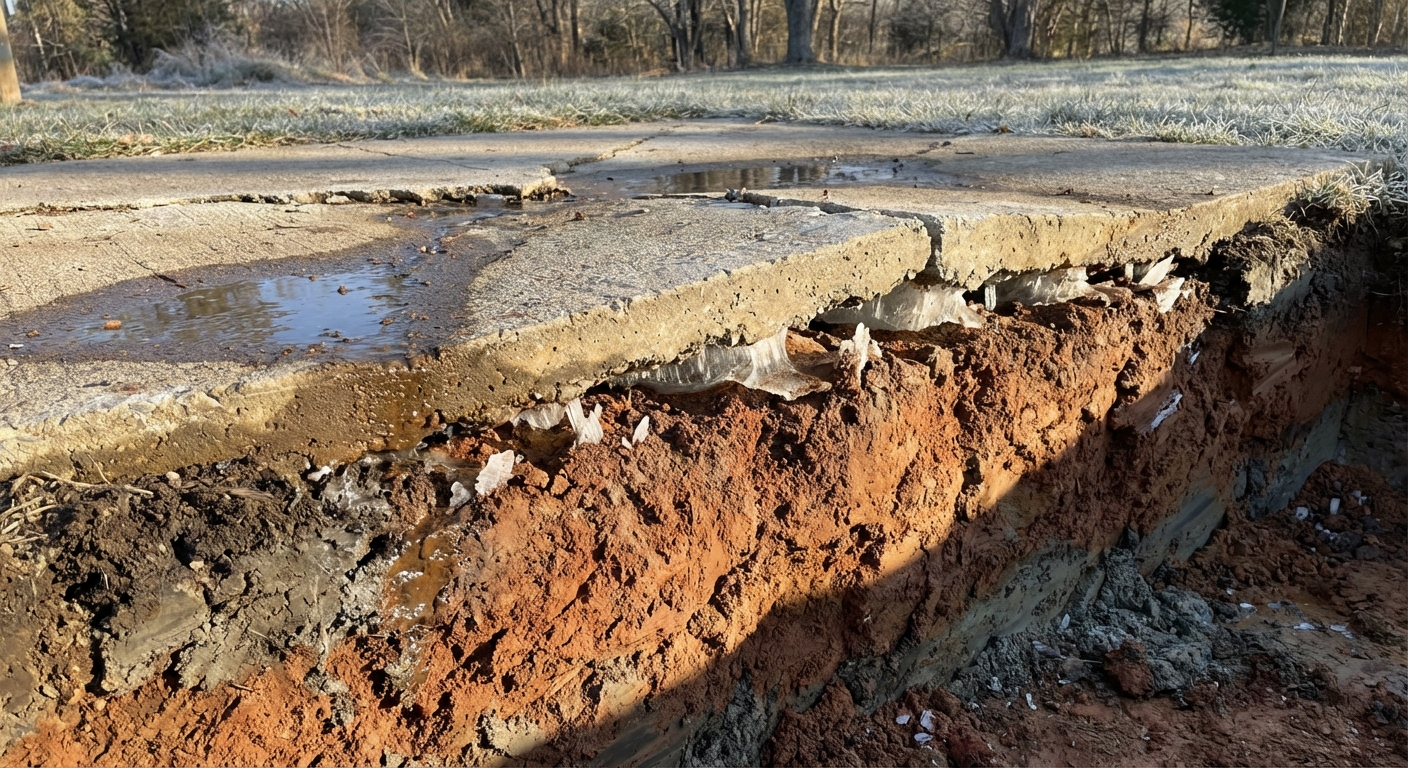
Frost heave is the upward movement of soil caused by ice formation in the ground. When water in Indiana's clay-heavy soil freezes, it expands by approximately 9%—enough to physically lift whatever sits above it. Northeast Indiana's USDA Zone 5b climate, combined with our naturally dense clay composition, creates the perfect conditions for this destructive cycle to repeat 40–50 times every winter and spring.
The problem intensifies because our region experiences frequent temperature swings. A 40-degree day followed by a 20-degree night creates multiple freeze-thaw cycles within a single week. Each cycle pushes your hardscape up, then allows it to settle unevenly as it thaws. Over months, these small movements compound into visible damage.
Indiana's clay soil expands 9% when frozen—enough to lift several tons of hardscape material. This isn't a minor inconvenience; it's geology working against your investment.
How Do Improper Installation and Shallow Bases Make Things Worse?
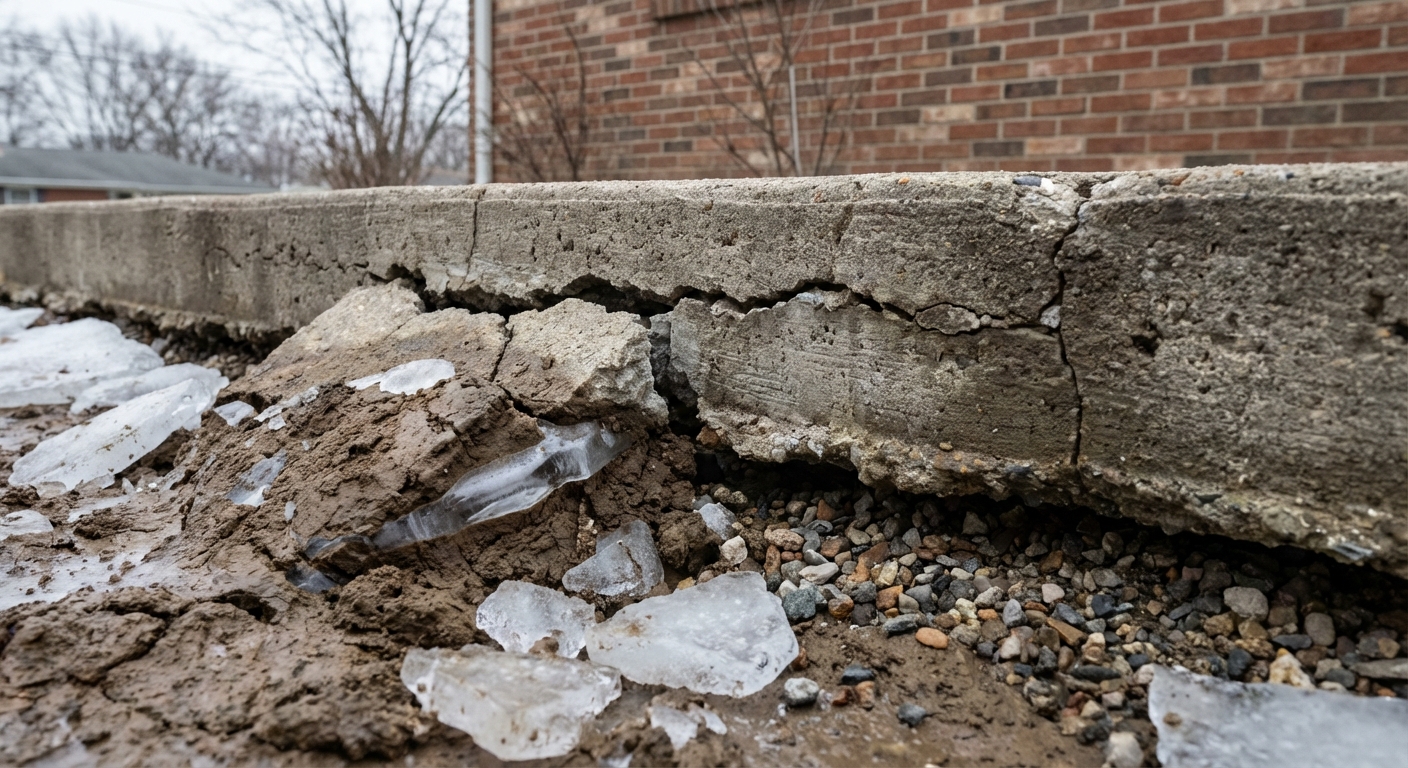
Many DIY patios and walkways fail faster in Fort Wayne because homeowners don't account for our region's unique frost depth. Indiana's frost line—the depth at which soil freezes solid—reaches 42 inches in some areas. A proper hardscaping installation requires a gravel base significantly deeper than what contractors use in warmer climates.
Here's why base depth matters:
- Shallow bases (2–4 inches): Frost penetrates directly to the soil beneath pavers. Water freezes, expands, and heaves the entire surface within 2–3 winters.
- Proper bases (6–8 inches of compacted gravel): Creates an insulating layer that reduces water retention and allows better drainage, protecting against frost heave.
- Professional compaction: Loose gravel shifts under freeze-thaw pressure. Each layer must be compacted to 95% density to resist movement.
- Drainage slope: Water must flow away from the hardscape. Even 1–2% slope prevents standing water that will freeze and expand.
Northeast Indiana's clay soil compounds the problem. Unlike sandy or well-draining soils, clay holds water longer and freezes more aggressively. This is why patio installations that work fine in southern states fail within seasons in Fort Wayne.
What's the Difference Between a Heaved Paver and a Cracked Concrete Slab?
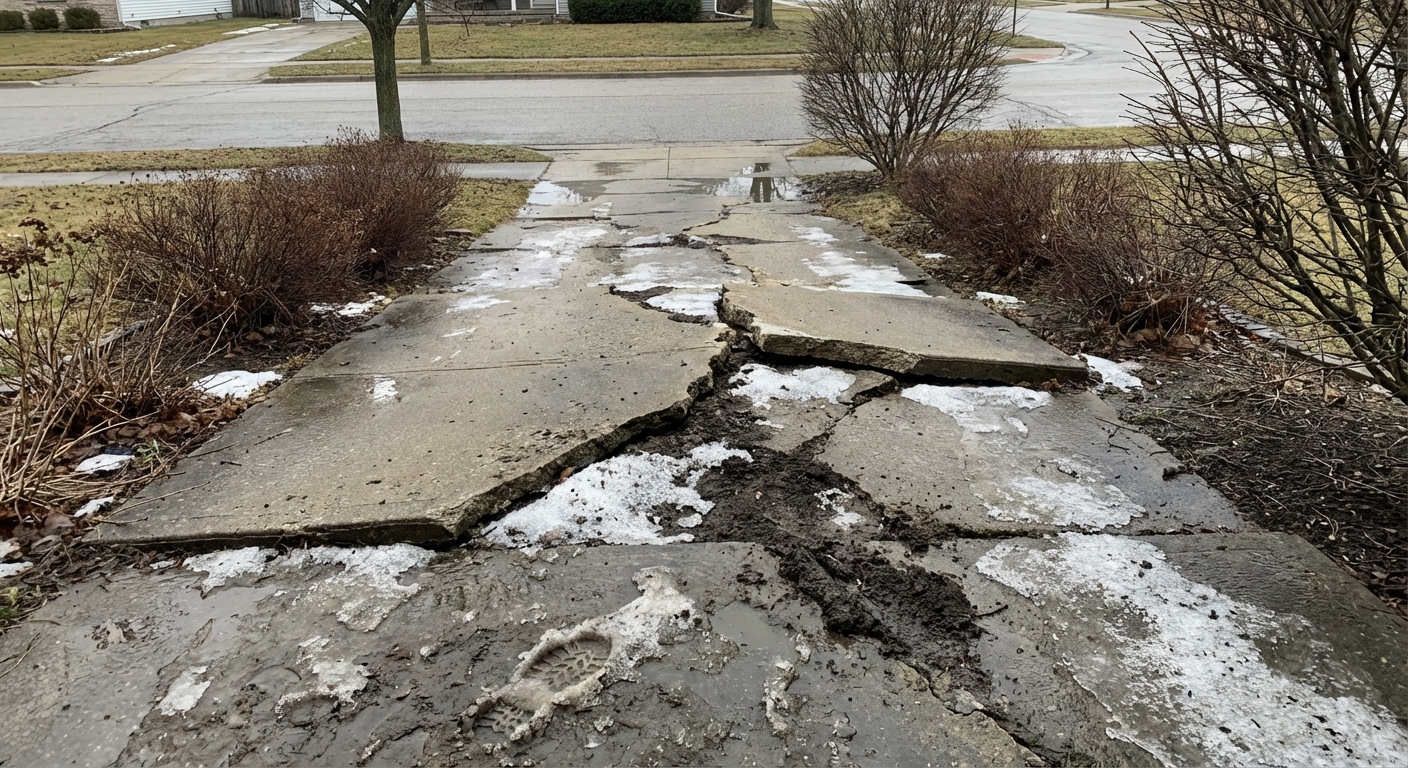
Not all frost damage requires full replacement—and understanding the difference can save you significant money. A heaved paver is often fixable; a cracked concrete slab usually means replacement is necessary.
Heaved Pavers (Repairable)
When individual pavers lift 1–3 inches above their neighbors, the damage is localized. A professional can remove the affected pavers, assess the base, add gravel, re-compact, and reinstall. The remaining hardscape stays intact. In Fort Wayne, we typically see 10–15% of a paver patio affected by heave in the first 3–5 years after poor installation. Repair costs are 30–40% of full replacement.
Cracked Concrete (Replacement Conversation)
Concrete slabs crack under frost heave because they're rigid. Once a crack appears, water enters it, freezes, and widens the crack further. Within one winter, a hairline crack becomes a gap; within two winters, structural failure begins. Fort Wayne's 40–50 annual freeze-thaw cycles mean concrete patios rarely last beyond 10–12 years without significant cracking. Unlike pavers, a cracked concrete slab cannot be repaired without pouring a new one.
What Are the Warning Signs of Retaining Wall Failure?
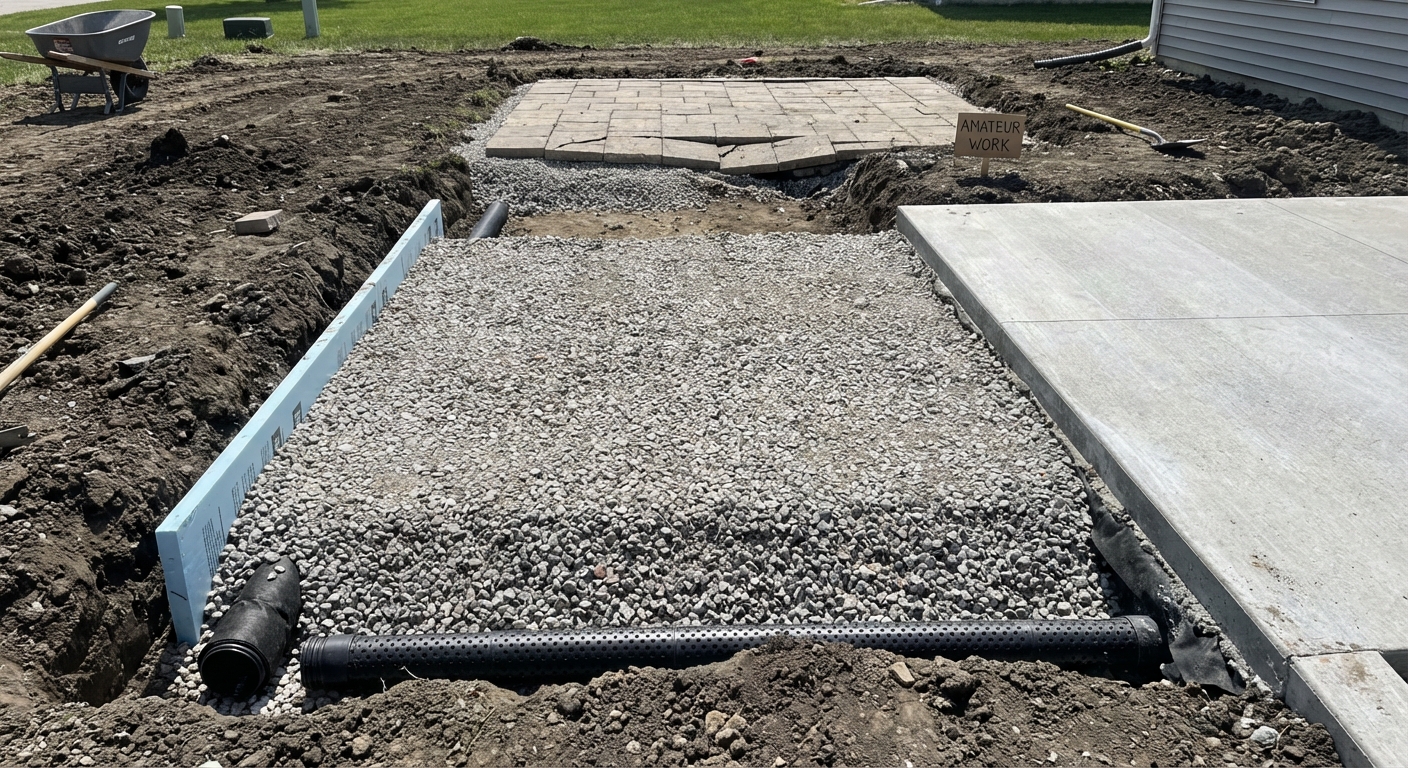
Retaining walls take even more punishment from freeze-thaw cycles because they hold back tons of soil. Early detection of problems can prevent catastrophic failure and expensive emergency repairs in Northeast Indiana.
- Horizontal cracks: Indicate internal pressure from frozen soil behind the wall. This is a red flag that the base is compromised.
- Bulging or bowing: The wall leans outward at the top or middle. Frost heave is pushing soil against the structure faster than it can settle back.
- Vertical cracks widening over months: Take photos and measure. If a crack widens noticeably from April to June, frost heave is still active.
- Uneven settlement or stepping: Different sections of the wall settle at different rates, creating visible ledges or height differences.
- Water seeping from the base: Indicates poor drainage behind the wall—the exact condition that causes frost heave damage.
- Displaced or missing stones: Individual units moving or falling suggests the base has failed and the structure is collapsing.
If you notice any of these signs on a retaining wall in Fort Wayne or the surrounding areas, contact a professional immediately. A small repair in spring costs far less than rebuilding a collapsed wall in summer.
Why Is Spring the Critical Window for Assessment and Repair?
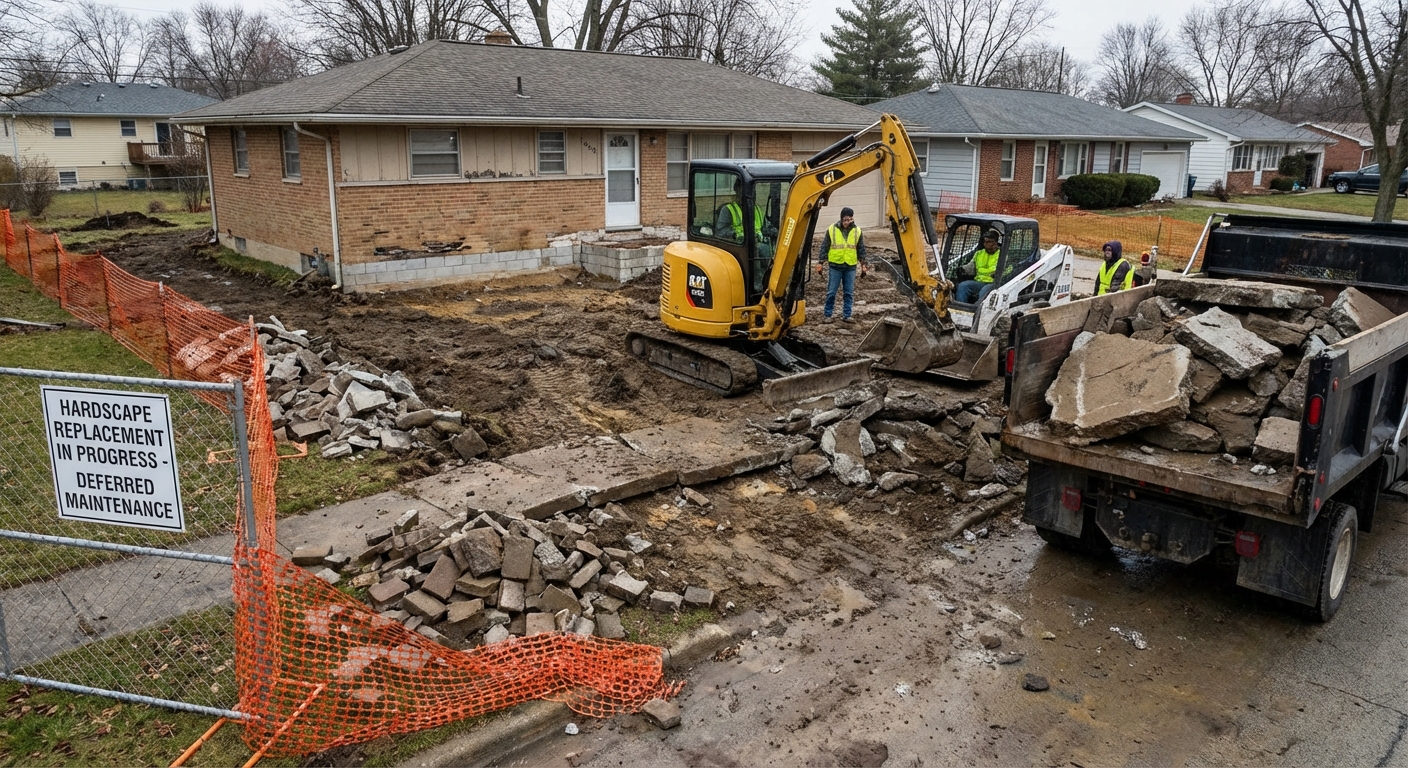
Spring is the ideal time to assess hardscape damage in Fort Wayne and Northeast Indiana. By April and May, the final freeze-thaw cycles have completed, and the ground has fully settled. Damage is visible, but the soil is stable enough to work with safely.
Waiting until summer or fall has serious consequences:
- Ground continues to shift: Even though major freezing has stopped, minor settling occurs through June. Repairs made in May hold; repairs made in July may shift again.
- Contractor availability: Reputable hardscaping crews in Fort Wayne book spring work 4–6 weeks in advance. Delays until June mean waiting until July or August.
- Hidden problems emerge: Spring rain tests drainage and reveals base failures that summer's drier weather would hide until next winter.
- Insurance documentation: If freeze-thaw damage is severe, documenting it in spring with photos and professional assessment protects warranty claims and future insurance coverage.
A professional spring inspection identifies whether your patio needs simple releveling, base repair, or full hardscape replacement. Acting before summer ground settling locks problems in place ensures repairs stay stable for years.
How Can You Prevent Freeze-Thaw Damage to New Hardscapes?
Prevention is dramatically cheaper than repair. If you're planning new hardscaping in Fort Wayne or Northeast Indiana, design with our climate in mind from day one.
- Use permeable pavers or segmental retaining walls: They accommodate small movements without cracking. Concrete monolithic slabs cannot.
- Install a 6–8 inch compacted gravel base: Non-negotiable in USDA Zone 5b. Skimping on base depth guarantees frost heave within 3 years.
- Grade for positive drainage: Slope at least 1–2% away from the hardscape. Water that stands will freeze and expand.
- Install French drains or perforated pipe behind retaining walls: Remove water before it freezes. This is the #1 prevention for wall failure.
- Choose contractors familiar with Fort Wayne's climate: A crew experienced with Northeast Indiana's freeze-thaw cycles knows the depth, compaction, and drainage standards that work here.
Ready to protect your outdoor investment from Fort Wayne's harsh winters? The team at Minnick Lawn & Landscaping has built hundreds of freeze-thaw resistant hardscapes across Northeast Indiana since 2017. We understand local soil conditions, frost depths, and the timing that matters. Request a free hardscape assessment this spring and stop losing ground to freeze-thaw damage.