Hardscaping trends in 2026 are shifting toward sustainable materials, multi-functional outdoor spaces, and designs that complement Fort Wayne's natural landscape. Whether you're planning a patio renovation or building new walkways, understanding these emerging trends helps you create an outdoor space that's both beautiful and built to last in our Northeast Indiana climate.
What Are the Most Popular Hardscaping Materials for 2026?
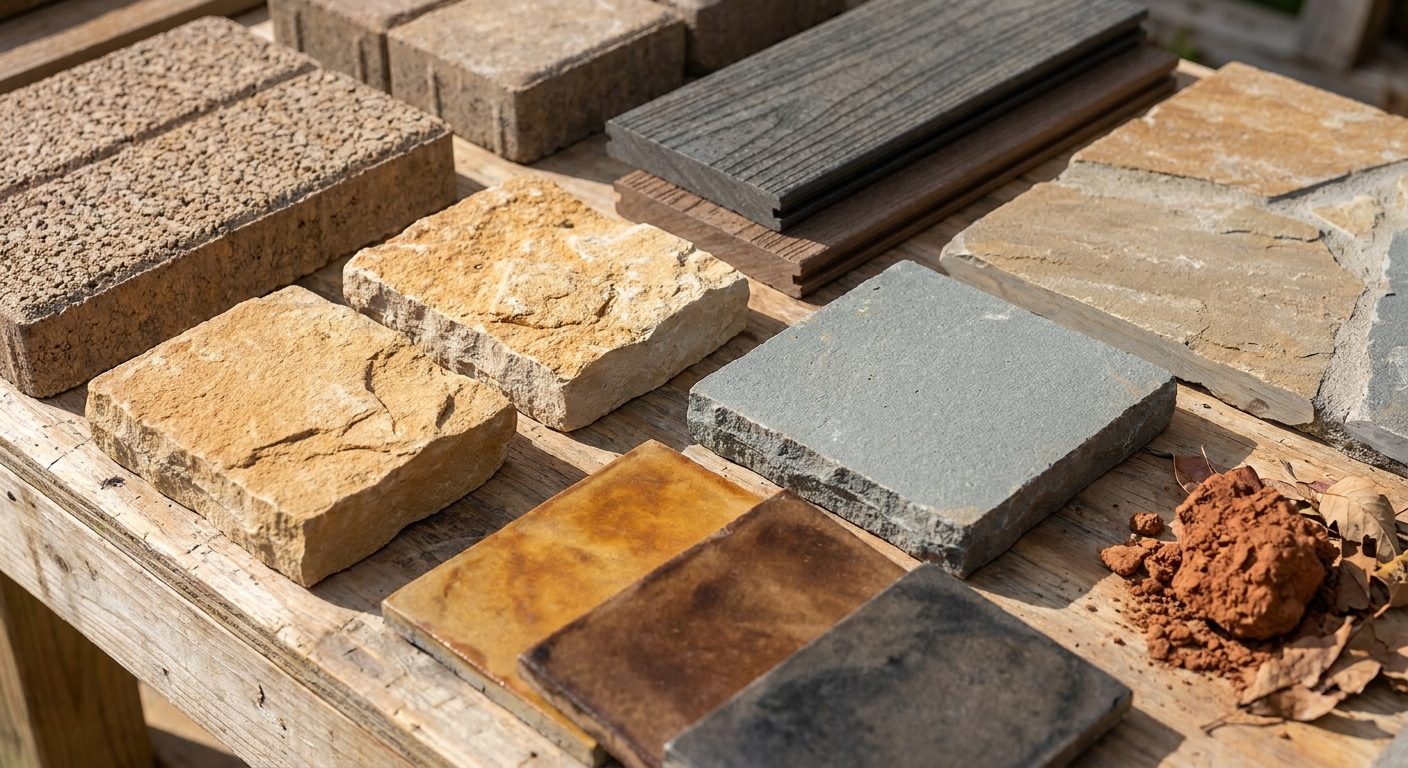
Permeable pavers and natural stone are dominating hardscaping design in 2026, offering both aesthetic appeal and environmental benefits. In Fort Wayne, where seasonal moisture and clay-based soil create drainage challenges, permeable materials have become essential for homeowners. These materials allow water to filter through rather than pooling on surfaces, reducing erosion and supporting healthy landscaping.
Beyond permeable options, hardscaping trends in 2026 include:
- Recycled composite materials – durable, low-maintenance alternatives to traditional wood or plastic
- Natural stone in warm earth tones – limestone, flagstone, and bluestone that blend with Northeast Indiana's natural palette
- Locally-sourced materials – reducing environmental impact while supporting regional suppliers
- Textured finishes – non-slip surfaces for safer patios and walkways year-round
- Decorative concrete with custom staining – versatile and cost-effective for driveways and entertaining spaces
Minnick Lawn & Landscaping specializes in hardscaping projects that incorporate these trending materials into designs tailored to Fort Wayne's unique soil and weather conditions.
How Are Multi-Functional Outdoor Spaces Changing Hardscaping Design?
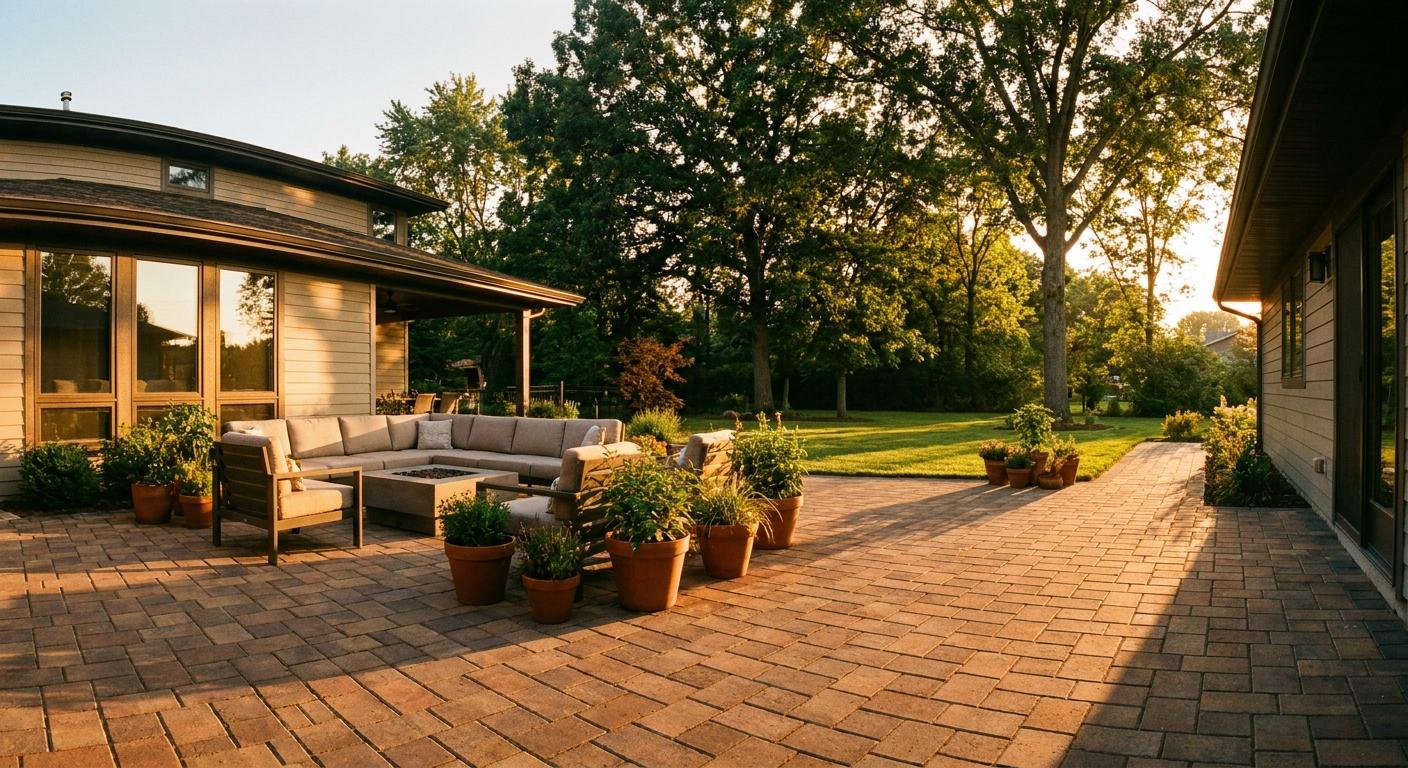
2026 marks a shift toward outdoor spaces that serve multiple purposes—entertainment, dining, relaxation, and work. This trend has reshaped how hardscaping is planned, with Fort Wayne homeowners now designing patios and pathways that integrate seating areas, outdoor kitchens, fire pits, and garden zones into cohesive layouts.
Key elements of multi-functional hardscaping include:
- Zoned patio designs – separate areas for cooking, dining, and lounging using subtle elevation changes and material transitions
- Integrated seating walls – retaining walls that double as seating for entertaining
- Pathway connectivity – hardscaping that links garden beds, outdoor kitchens, and seating areas into flowing routes
- Shade structures – pergolas and pavilions that extend usability into spring and fall months in Northeast Indiana
- Water features – fountains, ponds, or pondless water elements that add visual interest and ambient sound
Multi-functional hardscaping maximizes your outdoor living investment. By designing spaces that serve multiple purposes, you create an outdoor room that's used year-round in Fort Wayne's four-season climate.
Why Are Sustainable Hardscaping Practices Trending in 2026?
Environmental consciousness is reshaping hardscaping decisions in 2026. Fort Wayne homeowners increasingly choose materials and installation methods that reduce water runoff, minimize waste, and support local ecosystems. This trend reflects both personal values and practical benefits—sustainable hardscaping often performs better in our clay-heavy Northeast Indiana soil.
Sustainable practices gaining traction include:
- Permeable paving systems – reduce runoff and allow groundwater recharge
- Native plant integration – hardscaping designs that create planting pockets for native trees and shrubs
- Recycled materials – reclaimed brick, salvaged stone, and composite recycled plastics
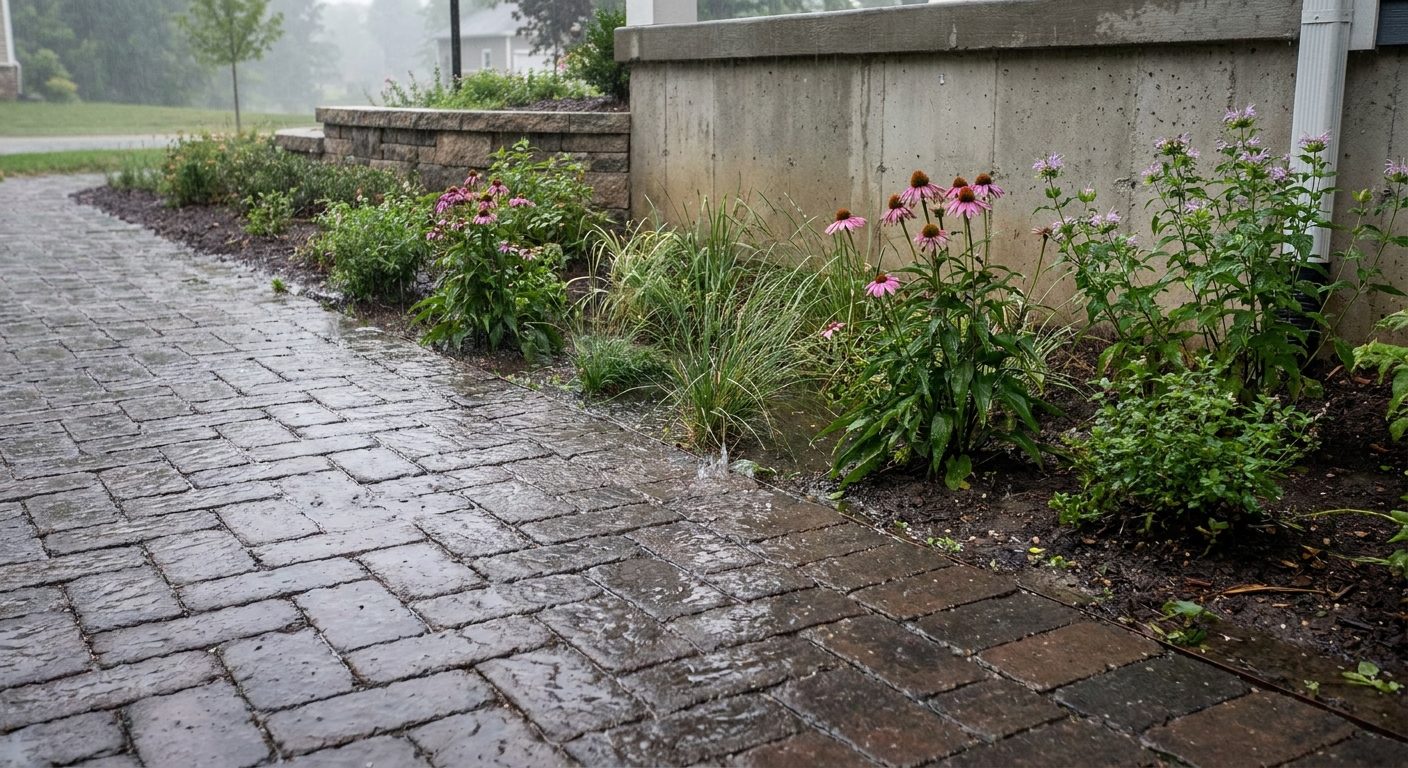
- Rainwater management – hardscaping graded to direct water toward landscape features and rain gardens
- Low-impact installation – methods that minimize soil disruption and heavy equipment use
When planning hardscaping in Fort Wayne, sustainable choices protect your investment against our region's heavy spring rains and freeze-thaw cycles while supporting environmental stewardship.
What Design Styles Are Dominating Hardscaping in 2026?
Contemporary minimalist and naturalistic design styles are leading 2026 hardscaping trends. Fort Wayne homeowners are moving away from ornate, formal garden designs toward cleaner lines, open layouts, and hardscaping that celebrates natural materials in their authentic form.
Contemporary minimalist hardscaping features clean edges, neutral color palettes, and strategic use of negative space. This style works particularly well in Northeast Indiana suburban settings, where simplicity creates visual calm and reduces maintenance demands.
Naturalistic design embraces irregular stone shapes, curved pathways, and layered planting zones. Rather than fighting our region's terrain, this approach works with slopes and existing vegetation to create flowing, organic spaces.
Transitional styles—blending contemporary and traditional elements—are also popular in Fort Wayne, offering homeowners flexibility to update existing landscapes gradually without complete overhauls.
How Should Fort Wayne Homeowners Plan Hardscaping for Seasonal Changes?
Northeast Indiana's dramatic seasonal transitions demand hardscaping that performs through freeze-thaw cycles, heavy snow, and spring flooding. In 2026, successful hardscaping in Fort Wayne accounts for these climate realities during the design and material selection phase.
Climate-conscious hardscaping planning includes:
- Frost-resistant materials – choosing pavers and stone rated for USDA Zone 5b seasonal stress
- Proper base preparation – adequate gravel, sand, and drainage layers that prevent heaving and settling
- Strategic grading – directing water away from structures and low-lying areas prone to pooling
- Seasonal accessibility – ensuring pathways remain safe for winter and remain clear for snow removal equipment
- Expansion joints – allowing concrete and stone to shift with temperature without cracking
Hardscaping failures in Fort Wayne often stem from inadequate planning for seasonal stress. Working with experienced professionals like Minnick Lawn & Landscaping ensures your outdoor investment withstands our challenging climate.
What Budget Should Fort Wayne Homeowners Allocate for 2026 Hardscaping Projects?
Hardscaping costs in Fort Wayne vary widely based on materials, complexity, and project scope. In 2026, homeowners should expect to invest $8–$25 per square foot for basic patio installation, with premium materials and complex designs reaching $35+ per square foot. A typical 400-square-foot patio ranges from $3,200 to $10,000+.
Factors affecting hardscaping costs in Northeast Indiana include:
- Material selection (recycled composite vs. natural stone vs. concrete)
- Site preparation and excavation requirements
- Drainage and base layer complexity
- Design intricacy and custom features
- Seasonal timing and local labor availability
While sustainable materials may carry higher upfront costs, they typically require less maintenance over time and resist Northeast Indiana weather better than budget alternatives. Investing in quality hardscaping services protects your outdoor space for 15–25 years.
Ready to transform your Fort Wayne outdoor space with 2026 hardscaping trends? Minnick Lawn & Landscaping has completed 79+ five-star projects throughout Northeast Indiana. Request a free hardscaping quote today and discover how we can bring your vision to life while accounting for Fort Wayne's unique climate and soil conditions.