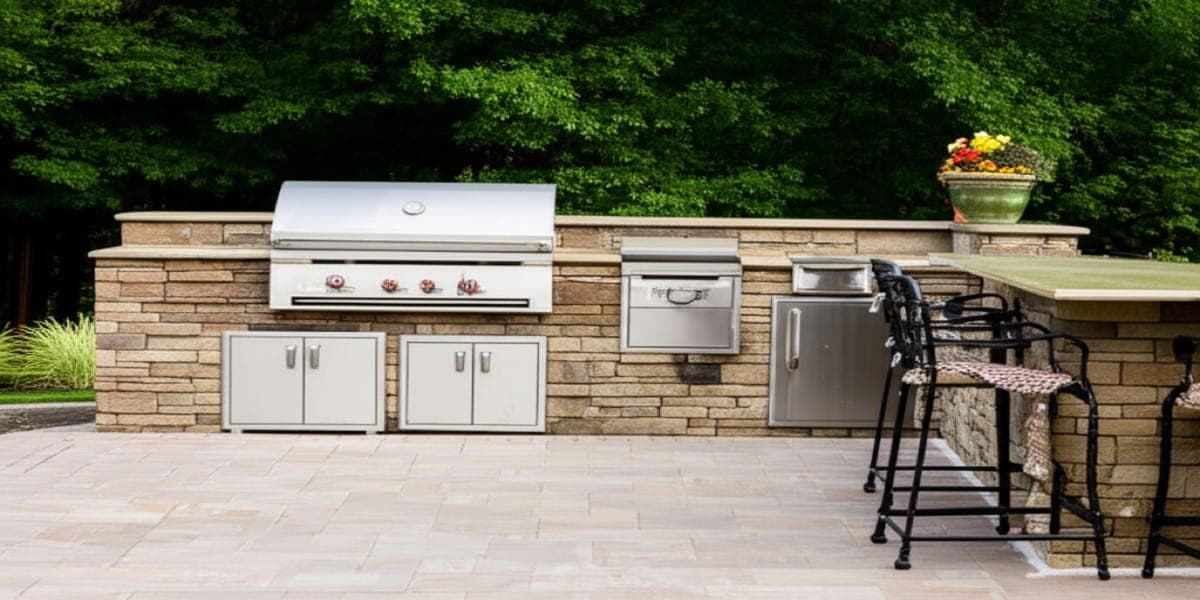
An outdoor kitchen transforms your backyard into an entertainment destination and extends your living space into the outdoors. As one of the highest-return outdoor investments, a well-designed outdoor kitchen adds both functionality and significant property value. Here is what to consider before breaking ground on your Fort Wayne outdoor kitchen project.
Location and Layout
Placement is the first major decision. Position your outdoor kitchen close enough to your indoor kitchen for convenient access to refrigeration, supplies, and cleanup facilities. Consider prevailing wind direction to keep smoke and cooking odors away from dining areas and open windows. Ensure the location has adequate shade, either from existing structures, trees, or a planned pergola or roof. The most popular layout configurations include L-shaped, U-shaped, and linear designs, each suited to different space constraints and cooking styles.
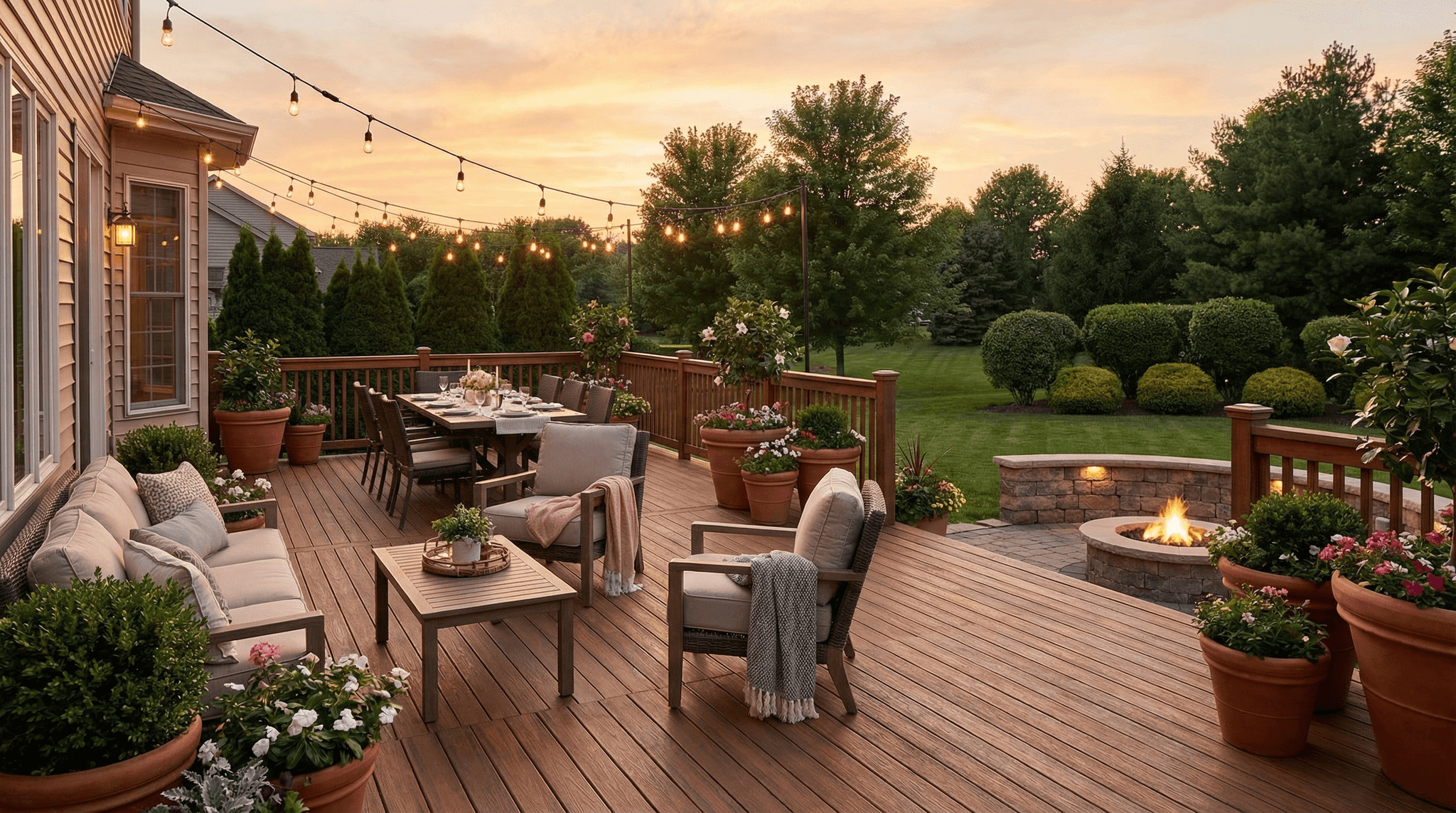
Essential Components
A built-in grill is the centerpiece of most outdoor kitchens. Beyond the grill, consider adding counter space for food preparation, a sink with running water for convenience and food safety, storage cabinets for tools and supplies, and a small refrigerator to keep ingredients cold. Popular upgrades include pizza ovens, smokers, side burners, warming drawers, and ice makers. Start with the essentials and design the space to accommodate additions over time.
Materials and Construction
Outdoor kitchen structures must withstand Fort Wayne's freeze-thaw cycles, summer heat, and rain. Concrete block or steel frame construction faced with natural stone, stucco, or brick provides the best combination of durability and aesthetics. Countertops should be weather-resistant materials like granite, concrete, or tile rated for outdoor use. Stainless steel appliances are standard for outdoor kitchens due to their corrosion resistance.
Utilities and Permits
Plan for gas lines if you want a natural gas grill, electrical connections for lighting and appliances, and plumbing for sinks and drainage. These installations typically require permits and must comply with local building codes. Hire licensed professionals for all utility connections. Check with your HOA if applicable, as some communities have restrictions on outdoor kitchen structures.
Related Services from Minnick Lawn & Landscaping
- Hardscaping & Patio Installation – Patios, walkways, retaining walls, and more
- Landscaping & Garden Design – Custom landscape design and installation
- Tree Trimming & Removal – Expert tree care, pruning, and safe removal
Request a free quote from Minnick Lawn & Landscaping for your Fort Wayne property today.
Minnick Lawn & Landscaping designs and builds custom outdoor kitchens and living spaces for Fort Wayne homeowners. Contact us to start planning your outdoor kitchen and bring your backyard entertaining vision to life.