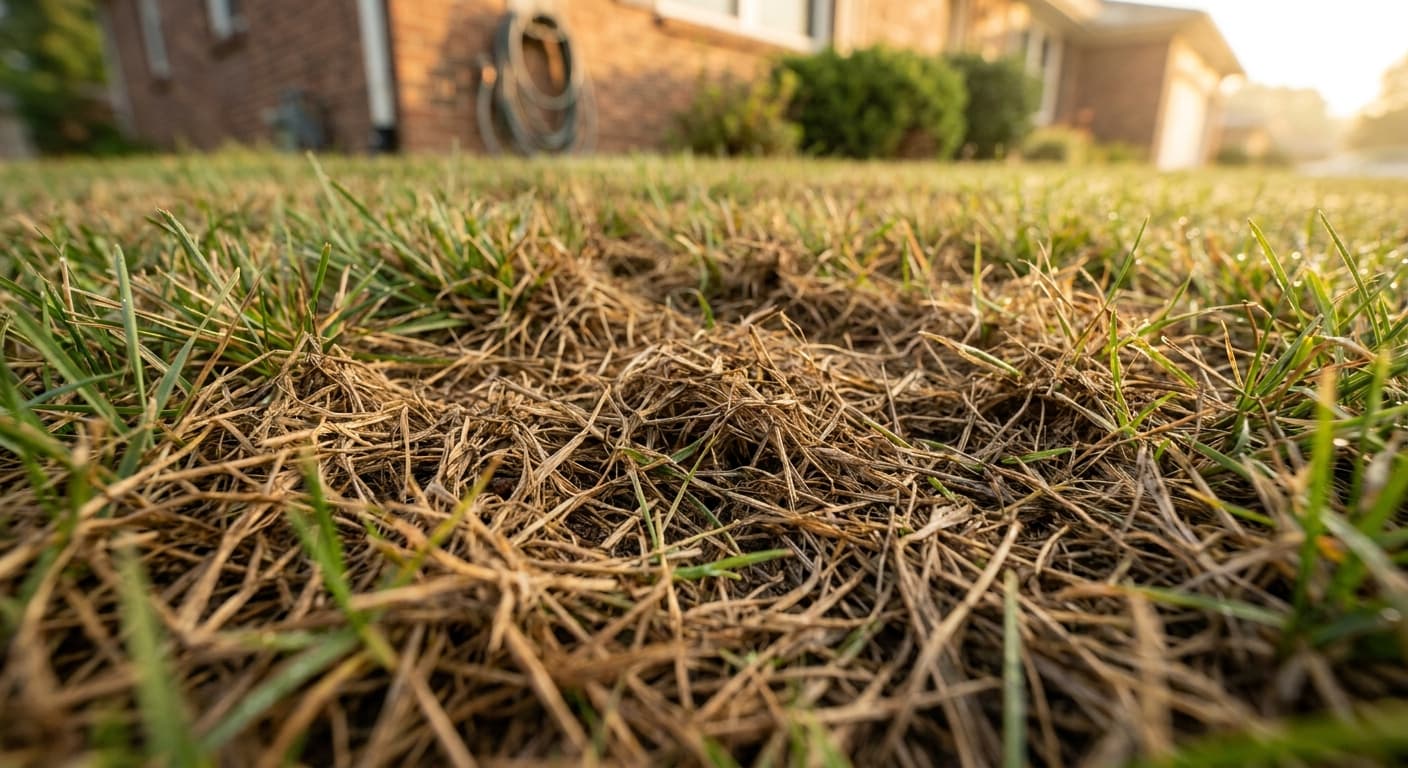
Dethatching is one of the most effective ways to restore your Fort Wayne lawn's health, but timing is everything. Thatch—that layer of dead grass and roots sitting between the soil and green grass blades—can strangle your lawn if it gets too thick. In Northeast Indiana's Zone 5b climate, the best time to dethatch is during active growth periods when your grass can quickly recover. Spring and fall are your prime windows, with early fall being the ideal choice for most homeowners.
Why Does Timing Matter for Dethatching?
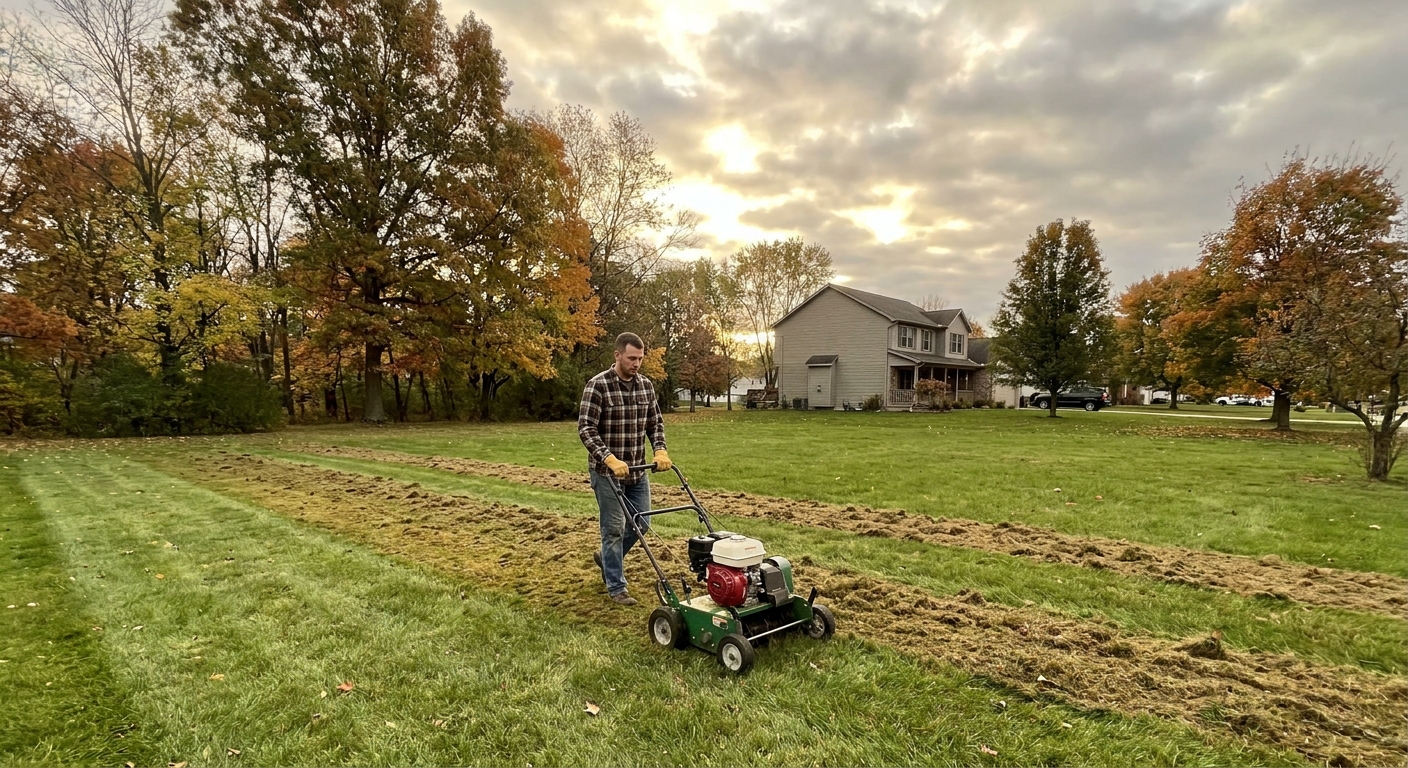
Dethatching stresses your lawn temporarily. You're essentially tearing out a significant layer of material, exposing soil, and creating visible patches where the thatch was removed. Your grass needs ideal growing conditions to bounce back quickly. If you dethatch during dormancy or extreme heat, your lawn will struggle to recover, leaving it vulnerable to weeds and erosion. Proper timing in Fort Wayne means choosing when cool temperatures and natural moisture support vigorous growth.
Is Fall the Best Season to Dethatch Your Lawn?
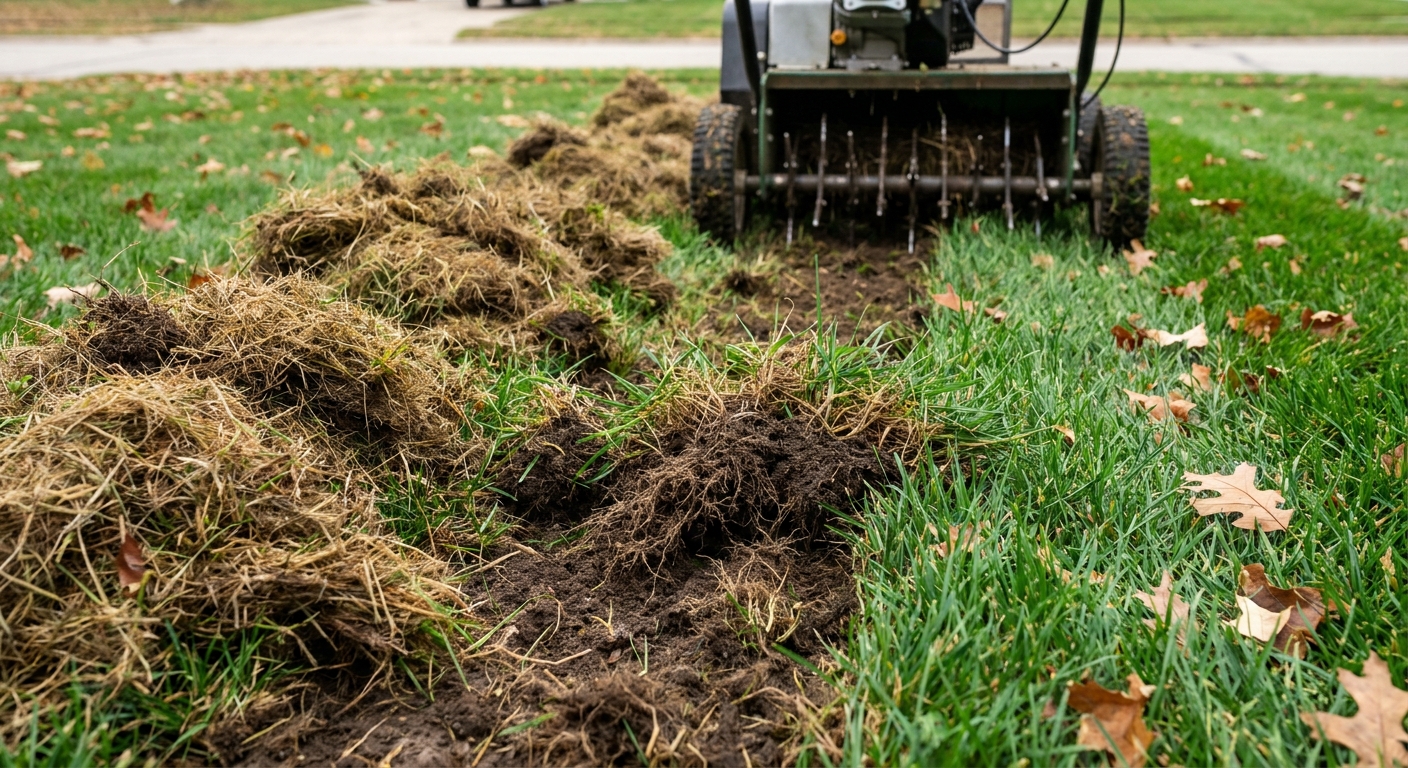
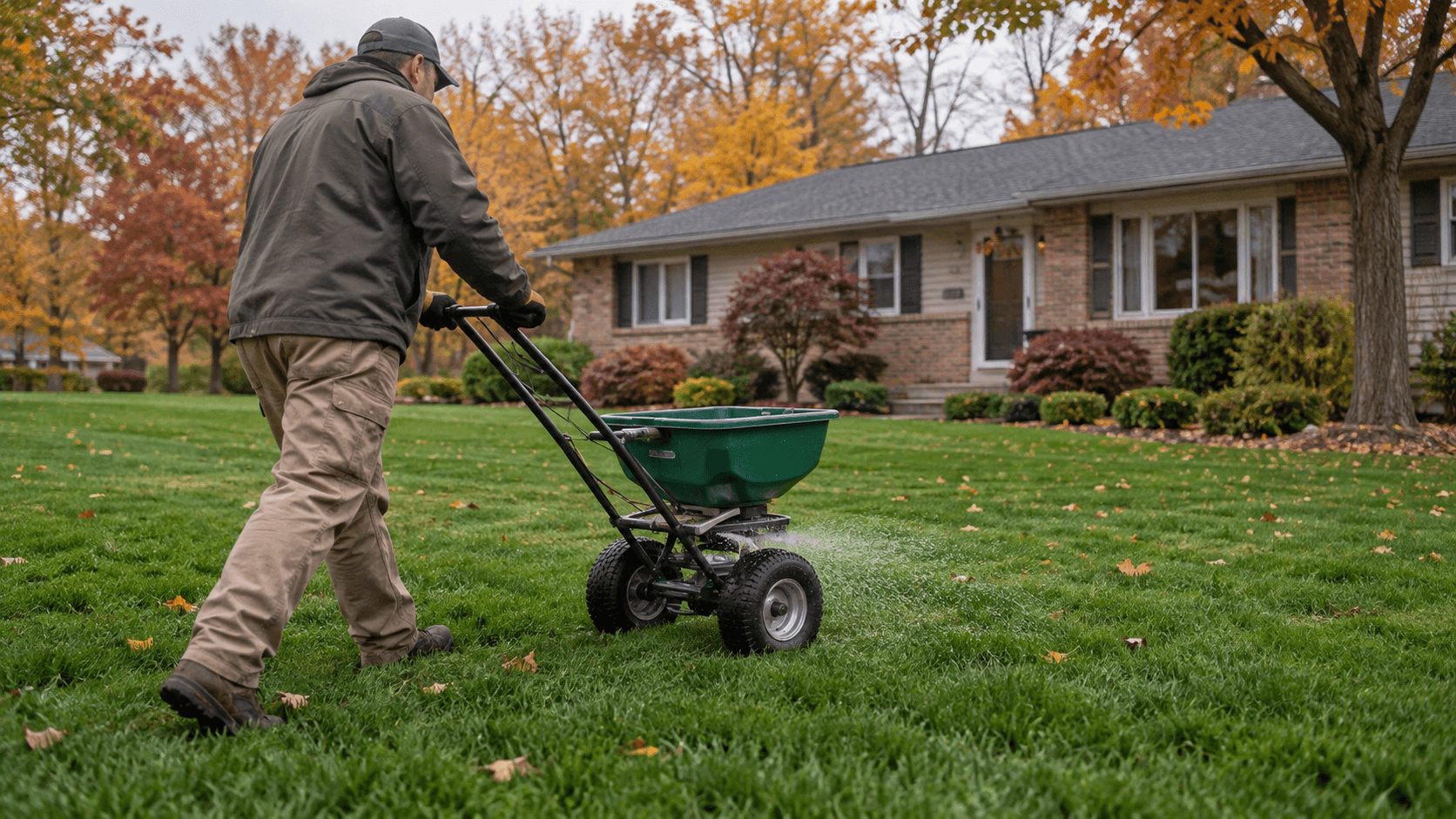
Yes, fall is the preferred dethatching window for most Fort Wayne properties. Late August through September offers the ideal combination: cooler soil temperatures (ideal for cool-season grasses), natural rainfall, and maximum growing energy before winter dormancy. Your lawn will recover beautifully before winter, establishing strong roots and dense growth for the next spring. Fall-dethatched lawns enter winter more resilient and emerge greener in spring.
Why Fall Works So Well
- Soil temperature sweet spot—Cool nights (50-60°F) and warm days (70-75°F) in late August and September trigger aggressive root growth without heat stress
- Increased rainfall—Northeast Indiana's fall weather brings natural moisture, reducing irrigation needs during recovery
- Slower weed growth—Unlike spring, fall dethatching exposes soil when most weeds are preparing for dormancy
- Winter preparation—Your lawn establishes a strong root system before the cold, leading to a vigorous spring
- Extended recovery time—Six to eight weeks of growth before winter allows your lawn to fully heal
Can You Dethatch in Spring in Fort Wayne?
Spring dethatching is possible but riskier in Northeast Indiana. Early spring (late March through April) is your only option—dethatch too late and you'll expose your lawn during the transition to summer heat. The advantage is that your lawn has the entire growing season to recover. The disadvantage is unpredictable spring weather: sudden frosts can damage young growth, and heavy rains can cause erosion on freshly exposed soil. If you must dethatch in spring, aim for early April when soil temps consistently stay above 45°F.
Spring Dethatching Considerations
- Wait until soil temperatures reach 45-50°F consistently
- Choose a window before late May (avoid summer transition)
- Expect slower recovery than fall dethatching
- Have an irrigation plan ready for dry spells
- Monitor for opportunistic weed invasion during healing
What Months Should You Avoid for Dethatching?
Never dethatch during summer dormancy (June through August) or winter (November through February) in Fort Wayne. Summer heat creates massive stress on recovering grass, leading to dead patches and weed invasion. Winter dethatching leaves bare soil exposed to freeze-thaw cycles, erosion, and spring runoff damage. Also avoid late spring (mid-May onward) when you're transitioning toward summer heat. The timing window is narrow but crucial—your lawn's recovery depends on it.
Fall dethatching in Northeast Indiana is the gold standard. Your cool-season grass peaks in growth energy, natural moisture supports recovery, and you'll see dramatic improvement by spring.
How Do You Know If Your Lawn Needs Dethatching?
Before scheduling, determine if dethatching is actually necessary. Measure the thatch layer by cutting a small square of sod and examining the debris between soil and green growth. If thatch exceeds ½ inch, dethatching is warranted. Signs include spongy feel underfoot, poor water penetration, thin or patchy grass despite fertilization, and moss growth. Many Fort Wayne lawns develop excessive thatch due to our heavy clay soil and cool-season grass varieties. A professional assessment ensures you're timing the service when it'll have maximum impact.
What's Your Post-Dethatching Care Timeline?
After dethatching, your lawn needs 6-8 weeks of proper care to fully recover. If dethatched in fall, this healing window takes you through October and into early November before dormancy. Water regularly if rainfall is sparse, apply a balanced fertilizer to support new growth, and avoid foot traffic on freshly dethatched areas. Don't overseed immediately after dethatching—wait 2-3 weeks, then overseed to fill in any bare spots. The goal is allowing your existing grass to recover first, then filling gaps with new seed.
Timing your dethatching correctly transforms your Fort Wayne lawn from sluggish and stressed to thick and healthy. Professional lawn care services like Minnick Lawn & Landscaping can assess your thatch layer, recommend the ideal timing, and execute the work when conditions are perfect. Our team understands Northeast Indiana's climate and soil conditions—we know exactly when your lawn will respond best to dethatching. If you've noticed your grass struggling despite your best efforts, it's likely time for a professional evaluation. Request a free quote today and let's get your Fort Wayne lawn thriving again. Call us at (260) 927-5185 or visit our contact page to schedule your lawn assessment.