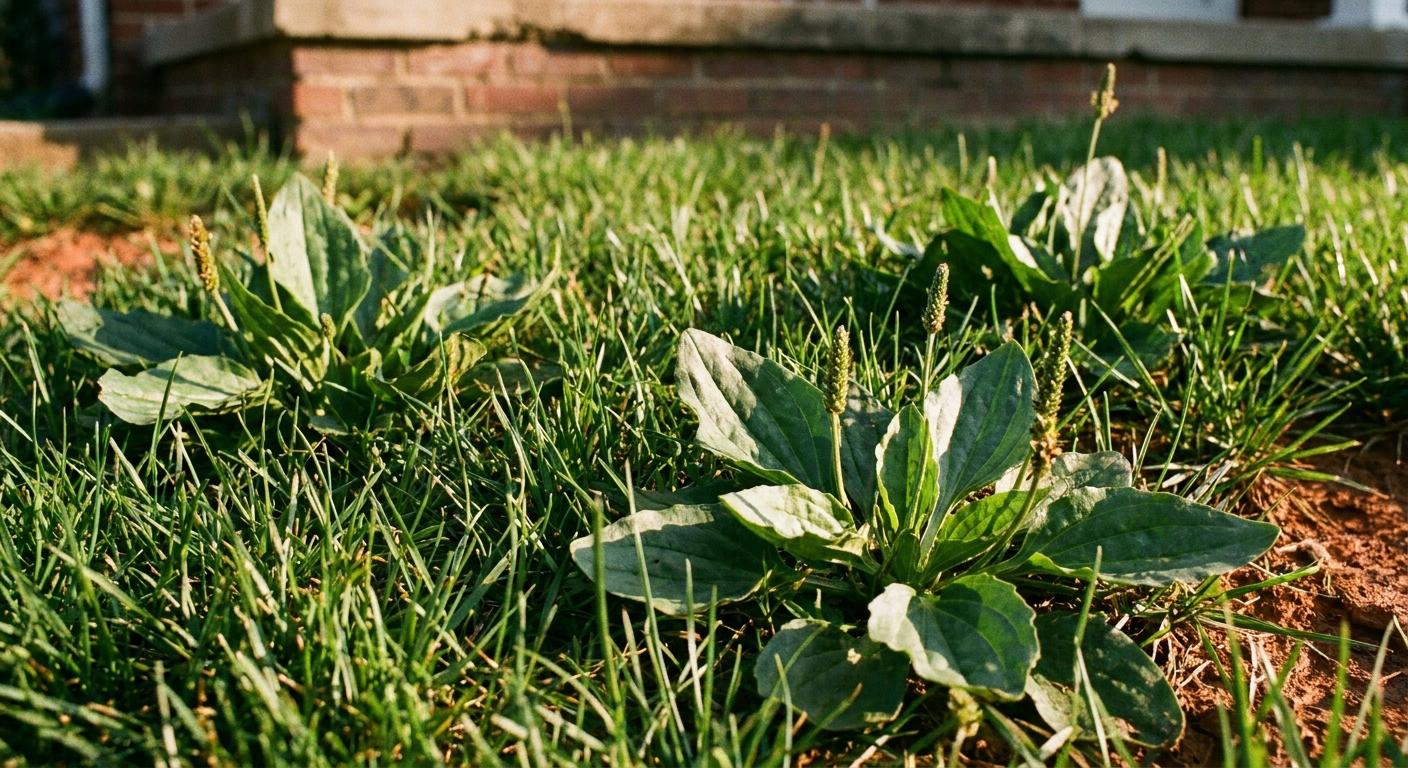

Dandelions are one of the most common lawn weeds in Fort Wayne, Indiana, and they seem to multiply overnight. While some people appreciate their cheerful yellow flowers, most homeowners want them gone. The good news is that removing dandelions is entirely possible with the right approach—whether you prefer manual removal, herbicides, or a combination strategy tailored to Northeast Indiana's clay-heavy soil and USDA Zone 5b climate.
Why Are Dandelions So Hard to Remove from Fort Wayne Lawns?
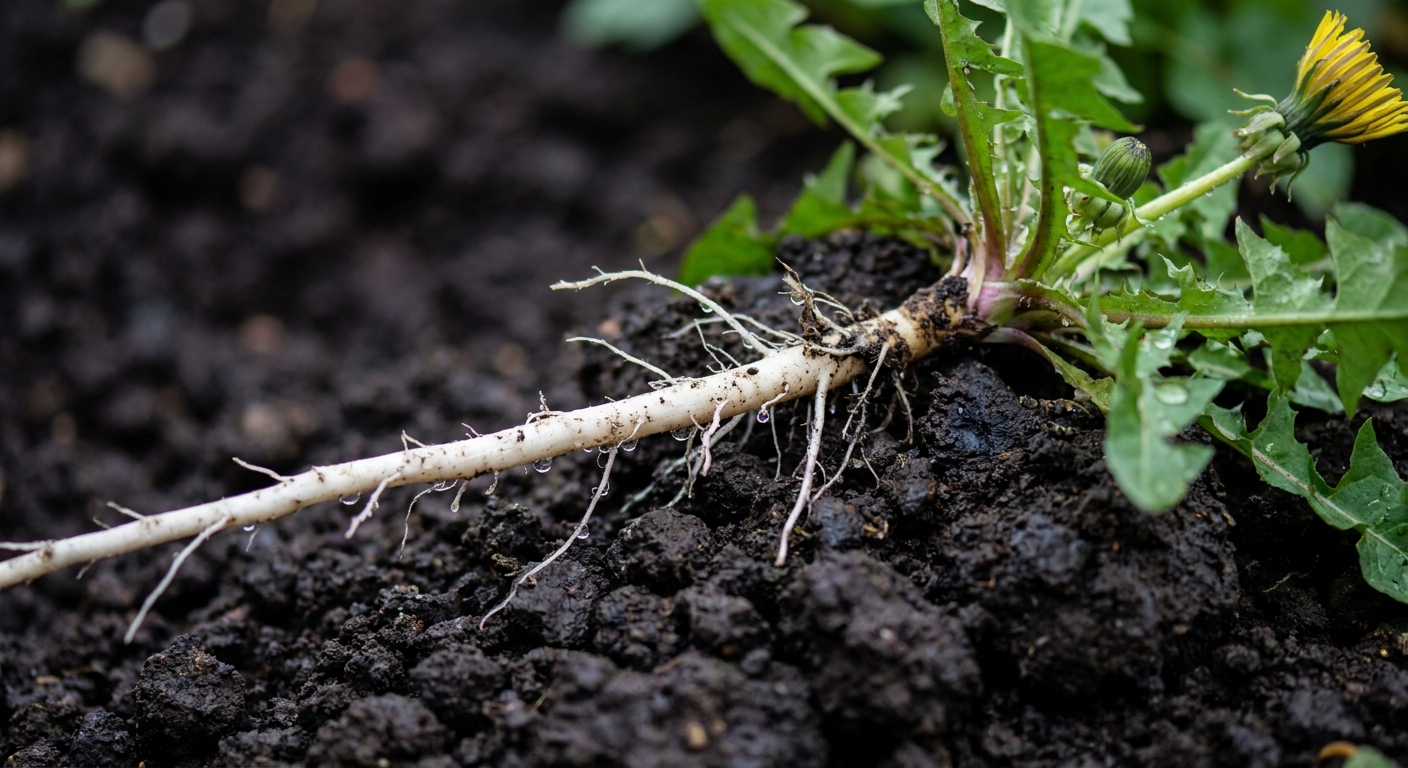
Dandelions thrive in Fort Wayne yards because they're incredibly resilient plants designed by nature to survive nearly anything. Their long taproot—sometimes extending 12 inches or deeper into our heavy clay soil—makes them difficult to kill with surface-level treatments. Even if you remove the visible plant, any remaining root fragments can regrow into new dandelions within weeks.
The challenge is compounded by dandelions' seed production. A single mature dandelion can produce 200 seeds, and those seeds travel on the wind throughout Northeast Indiana neighborhoods. This is why prevention is just as important as removal in maintaining a weed-free lawn.
What's the Most Effective Manual Removal Method?
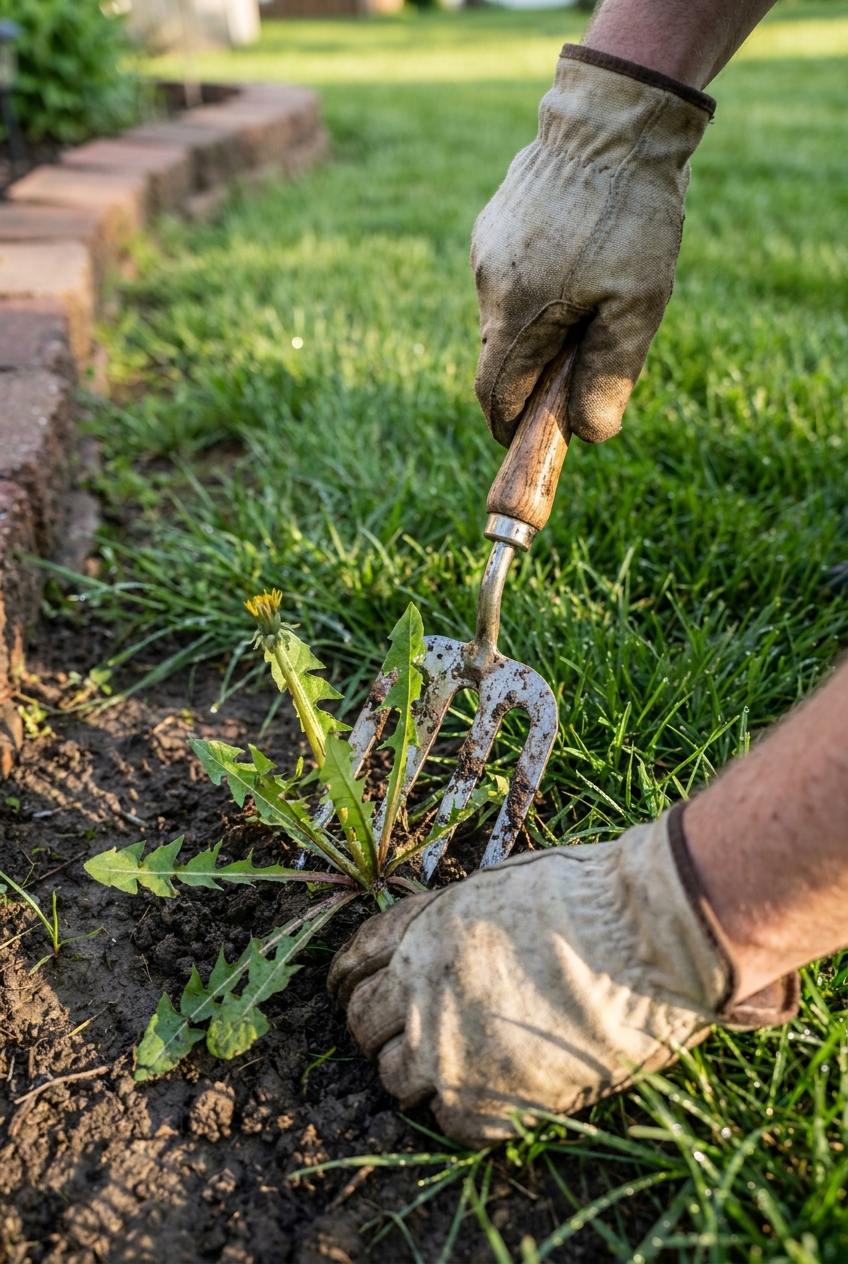
Hand-pulling works best when your Fort Wayne yard has recently received rain or when you water thoroughly before attempting removal. Moist soil loosens the grip on those deep taproots, making extraction significantly easier. Grab the dandelion as close to the base as possible and pull steadily upward at a slight angle.
For the most thorough results, use these tools and techniques:
- Dandelion digger tool – A long, narrow tool specifically designed to penetrate deep into soil and extract the entire taproot intact
- Garden fork – Push it deep around the plant, then lever upward to loosen the soil and root system
- Knife or spade – Cut 4-6 inches below the soil surface to remove as much root as possible
- Boiling water method – Pour boiling water directly on the plant and root area (most effective on isolated dandelions)
The key to success is removing the entire taproot. If even a small piece remains in your Northeast Indiana clay soil, it will likely regenerate. After removal, fill the hole with topsoil and grass seed to prevent new weeds from establishing in that bare spot.
Complete taproot removal is non-negotiable. Leaving behind even a small root fragment in Fort Wayne's clay soil will result in the dandelion returning within 2-3 weeks.
How Do Herbicides Compare to Manual Removal?
Herbicides offer a convenient alternative to manual labor, especially for lawns heavily infested with dandelions across Fort Wayne and surrounding areas. There are two main types: selective herbicides (which target broadleaf weeds like dandelions without harming grass) and non-selective herbicides (which kill everything they touch).
Selective Herbicides (Broadleaf Weed Killers)
These are your best option for maintaining a healthy lawn while eliminating dandelions. Products containing 2,4-D, MCPA, or dicamba are effective on dandelions and won't damage established turf grass. Spring and fall are the ideal times to apply in Northeast Indiana because:
- Dandelions actively grow during cooler seasons
- Rain is more predictable in spring/fall, which helps with herbicide uptake
- Stress on your grass is minimized when it's not in peak summer heat
Apply selective herbicides when dandelions are actively growing and the soil is moist. Most products require 3-7 days of dry weather after application for best results. Always follow label directions carefully and consider wearing protective equipment.
Non-Selective Herbicides
Glyphosate-based products (like Roundup) kill dandelions effectively but will also damage or kill your grass. Use these only on dandelions growing in cracks, driveways, or areas where you're not concerned about surrounding vegetation.
What's the Best Prevention Strategy for Fort Wayne Yards?
The most cost-effective long-term approach is preventing dandelions from establishing in the first place. A thick, healthy lawn is your best defense because dandelions struggle to compete with vigorous grass.
Implement these prevention tactics:
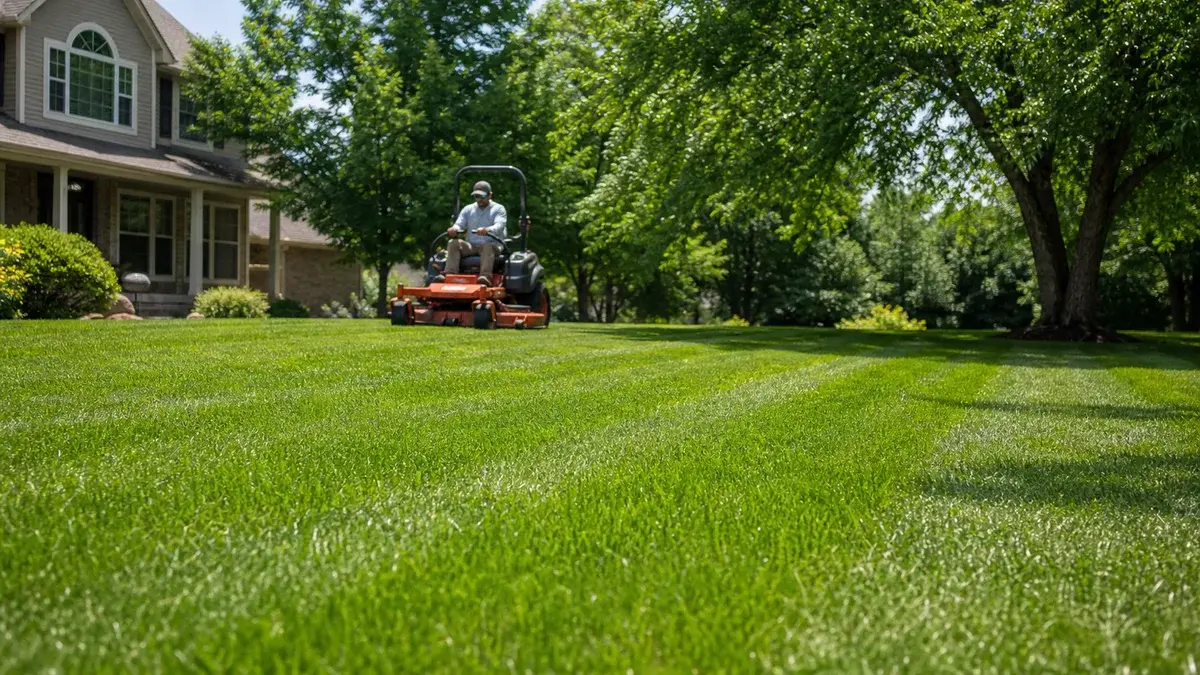
- Maintain proper mowing height – Keep grass 2.5-3.5 inches tall; this shades soil and prevents dandelion seeds from germinating
- Regular fertilization – Dense, nutrient-rich grass outcompetes weeds naturally
- Proper watering – Deep, infrequent watering promotes strong grass roots while discouraging shallow-rooted weeds
- Aerate annually – Our heavy Northeast Indiana clay soil compacts easily; aeration improves soil health and grass vigor
- Overseed thin areas – Bare patches are invitations for dandelions to move in
- Apply pre-emergent herbicide – In early spring (March-April in Fort Wayne), pre-emergent products prevent dandelion seeds from germinating
When you invest in comprehensive lawn care services, you're not just treating weeds—you're building soil health and grass strength that naturally resists future weed invasions.
Should You Combine Methods for Best Results?
For Fort Wayne homeowners dealing with moderate to heavy dandelion infestations, a combination approach often works best. Start by hand-removing larger clusters, then apply a selective herbicide to remaining plants. Follow up with preventive practices like proper mowing, fertilization, and pre-emergent application to stop new dandelions from establishing.
This multi-pronged strategy addresses immediate problems while building long-term resistance. The timing matters in Northeast Indiana: spring (April-May) and fall (September-October) are optimal windows when soil moisture and temperature favor both manual removal and herbicide effectiveness.
Professional lawn care teams can assess your specific situation, recommend the best combination of treatments for your soil type, and execute the plan consistently throughout the growing season. If dandelions consistently return despite your efforts, professional guidance can identify underlying issues like soil pH imbalances or poor drainage that might be encouraging their growth.
How Often Will You Need to Treat Dandelions?
Your treatment frequency depends on how established the infestation is and how diligently you maintain prevention practices. Most Fort Wayne yards benefit from initial intensive treatment (monthly for 2-3 months), followed by seasonal maintenance (spring and fall applications) to catch new growth before it spreads.
Once you've eliminated 80-90% of your dandelion population and implemented solid prevention practices, you should only encounter occasional weeds requiring spot treatment. Consistent lawn maintenance—proper mowing height, regular fertilization, and annual aeration—means dandelions become increasingly rare rather than a recurring seasonal battle.
If you're tired of fighting dandelions on your own, Minnick Lawn & Landscaping offers comprehensive lawn care services throughout Fort Wayne and Northeast Indiana, including weed control programs tailored to your property's unique needs. Our team understands the specific challenges of this region's clay soil and climate. Request a free quote today to learn how we can help restore your lawn to its healthiest, weed-free best.