
Buckthorn weeds are a persistent headache for Fort Wayne homeowners, especially in Northeast Indiana's clay-heavy soil where they thrive. These spiny, low-growing plants spread quickly and compete fiercely with your desirable lawn grasses. The good news? You can eliminate buckthorn weeds with the right combination of timing, technique, and follow-up care. This guide covers the most effective removal strategies for your specific climate and soil conditions.
What exactly are buckthorn weeds and why are they a problem?
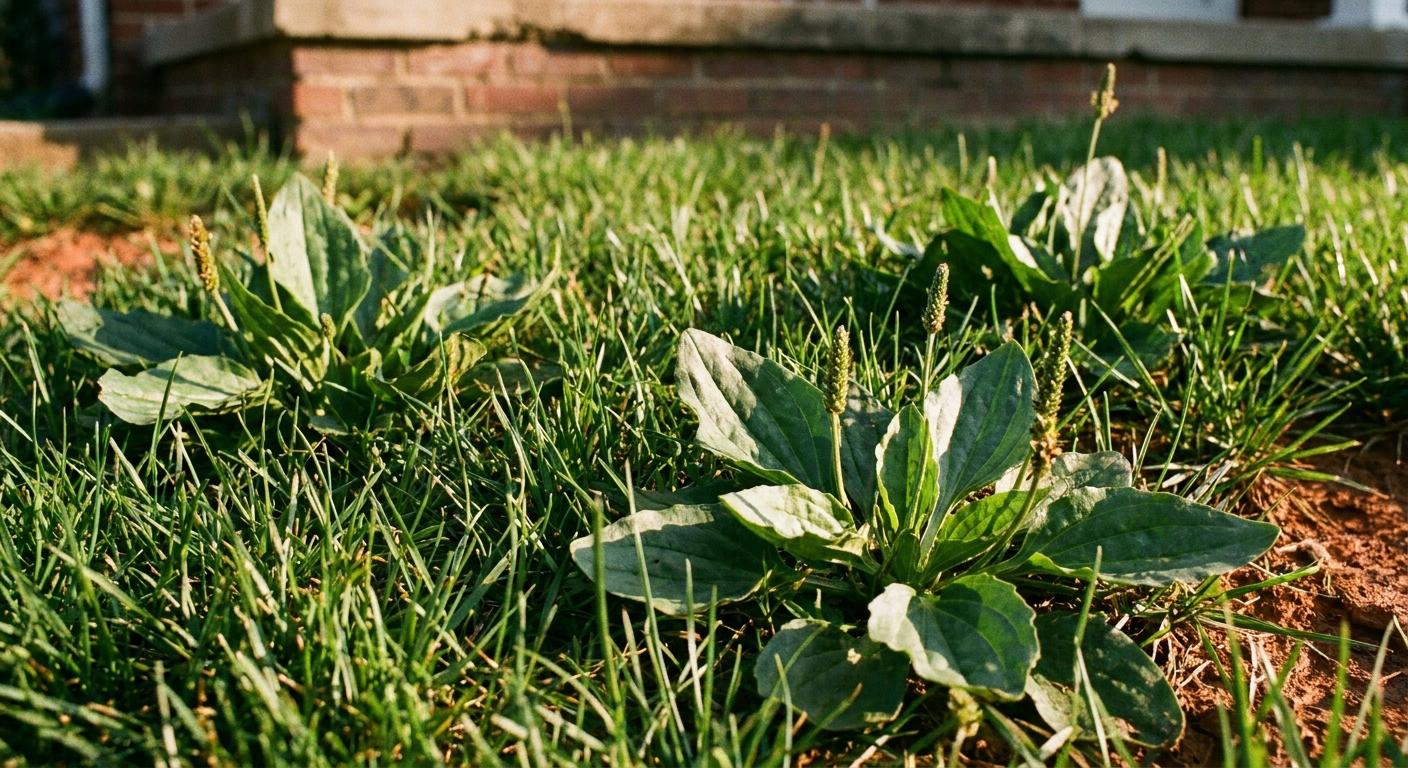
Buckthorn weeds (also called prostrate knapweed or other low-growing thistle-like plants) are broadleaf weeds that spread along the ground in dense mats. They're a major concern in Fort Wayne lawns because they're incredibly competitive—their shallow but extensive root system steals nutrients, water, and sunlight from your grass. Once established, they're difficult to remove and can reseed themselves, creating a cycle of reinfestation.
- Low-growing spreading habit makes them hard to mow out
- Spiny leaves and stems make hand-pulling uncomfortable
- Produce numerous seeds that spread via wind and soil movement
- Thrive in thin, weak lawns where grass density is poor
- More prevalent in Northeast Indiana's Zone 5b clay soils
Is manual removal an effective buckthorn weed solution?
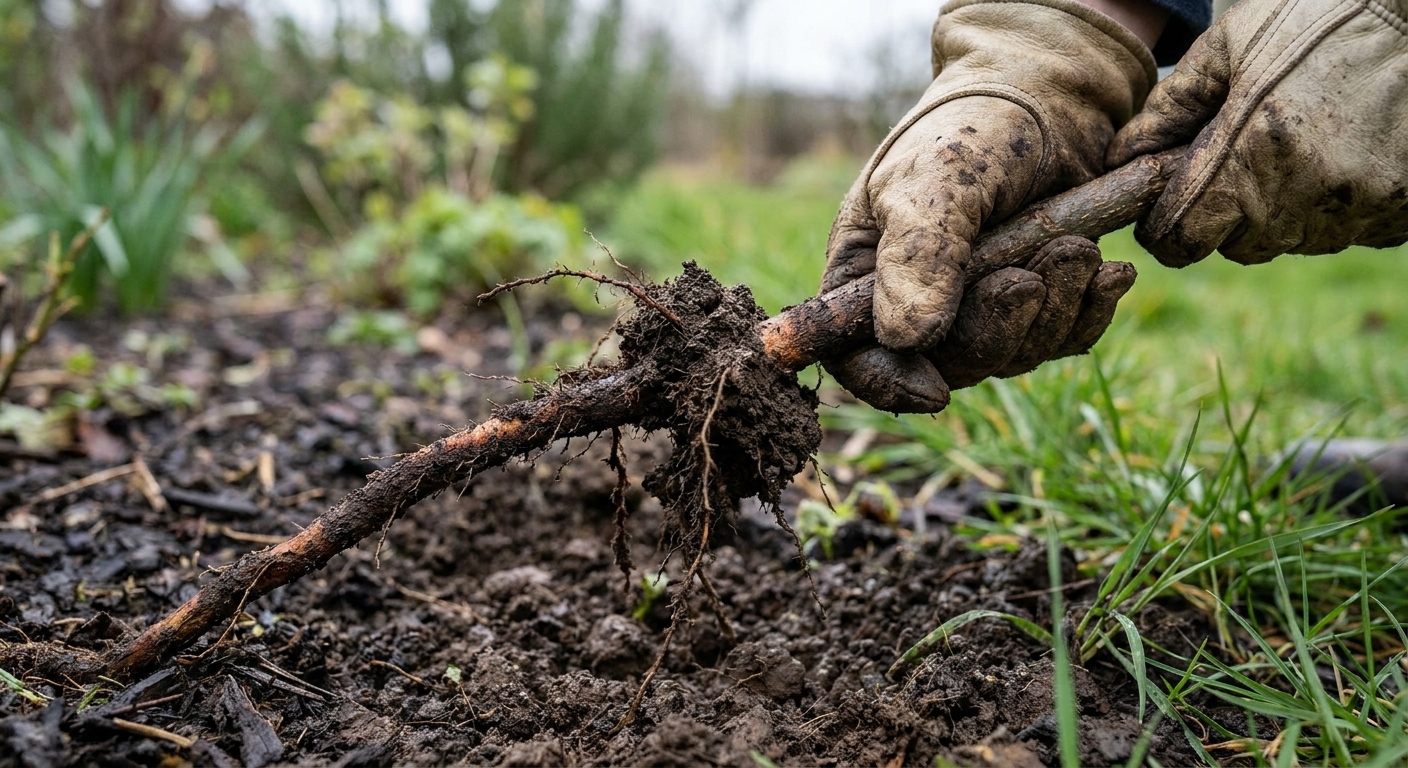
Manual removal works best when buckthorn weeds are young and your soil is moist, which is common in Fort Wayne spring weather. The key is pulling out the entire taproot—if you leave any root fragments, the plant will regrow. This method is ideal for small infestations or scattered plants rather than widespread coverage across your lawn.
How to manually remove buckthorn weeds
Wear heavy gloves to protect yourself from the spiny stems. Water your lawn the day before pulling to soften the soil—Northeast Indiana's clay soil especially needs this moisture to release its grip on deep roots. Use a weeding fork or hori-hori knife to loosen soil around the base, then pull firmly at the crown. For small areas, this single-application approach can be quite effective.
The best time to pull buckthorn weeds in Fort Wayne is spring (April-May) when soil moisture is highest and the plant is putting energy into new growth, not seed production.
What herbicides work best against buckthorn weeds?
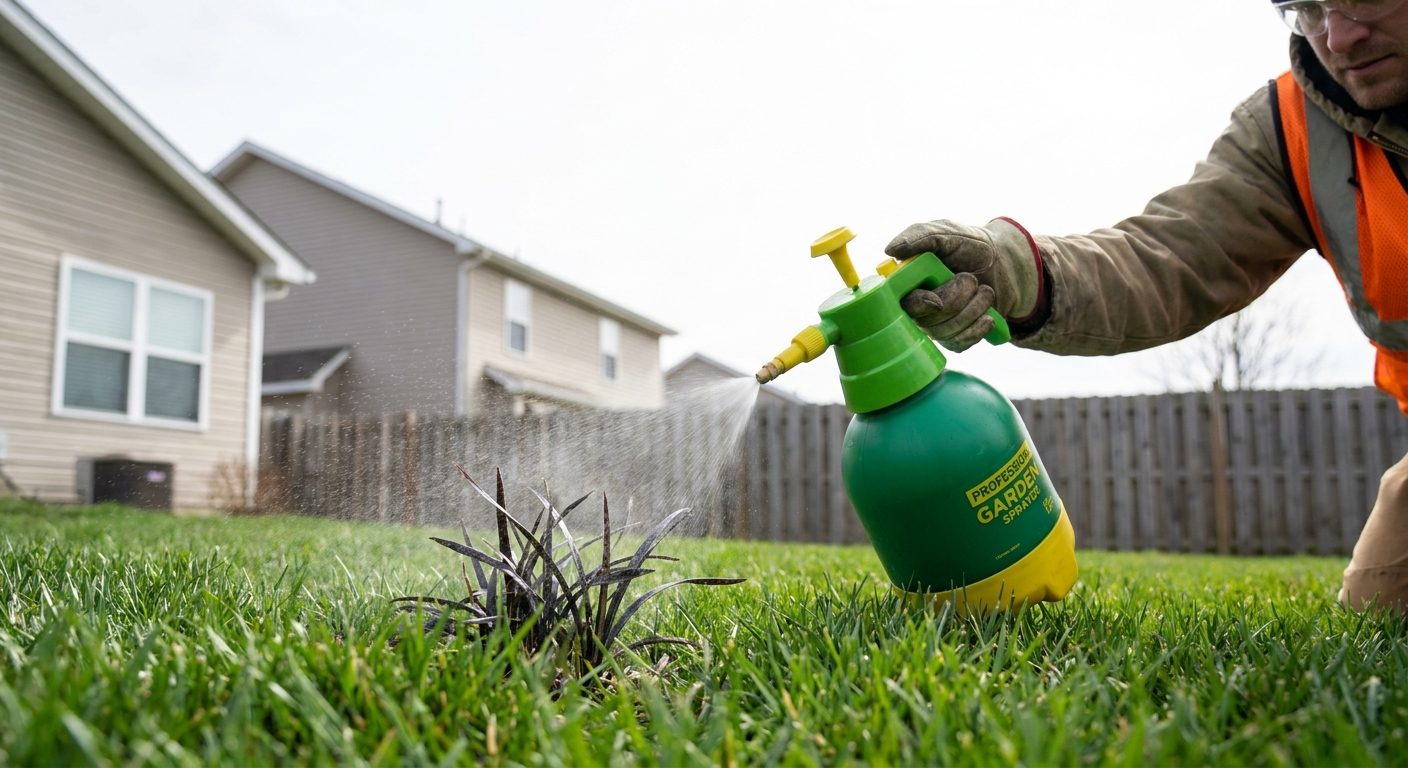
For larger infestations across your Fort Wayne property, herbicides are the most practical solution. Post-emergent broadleaf herbicides containing 2,4-D, dicamba, or MCPA target buckthorn without harming established lawn grasses. Timing matters significantly in Northeast Indiana's climate—apply in spring (late April through May) or early fall (September) when plants are actively growing.
Selective vs. non-selective herbicides
Selective herbicides like those used in lawn care services kill broadleaf weeds while preserving your grass. Non-selective options like glyphosate kill everything they touch, so use them only on dead patches where you plan to reseed. For most Fort Wayne homeowners dealing with buckthorn in an otherwise healthy lawn, selective herbicides are the right choice.
- Choose a selective broadleaf herbicide labeled for buckthorn or knapweed
- Apply when daytime temps are 60-85°F (ideal spring/fall conditions in Northeast Indiana)
- Spray thoroughly to completely wet all foliage—repeat applications may be needed
- Wait 7-10 days before mowing to allow herbicide absorption
- Plan a second application 3-4 weeks later if plants reappear
How can you prevent buckthorn weeds from coming back?
Prevention is far easier than removal. Buckthorn weeds thrive in thin, weak lawns where they face little competition from desirable grasses. Maintaining a dense, healthy turf is your best long-term defense against reinfestation in Fort Wayne yards. This means regular mowing, proper fertilization, and addressing bare patches before weeds take hold.
Build a stronger, thicker lawn
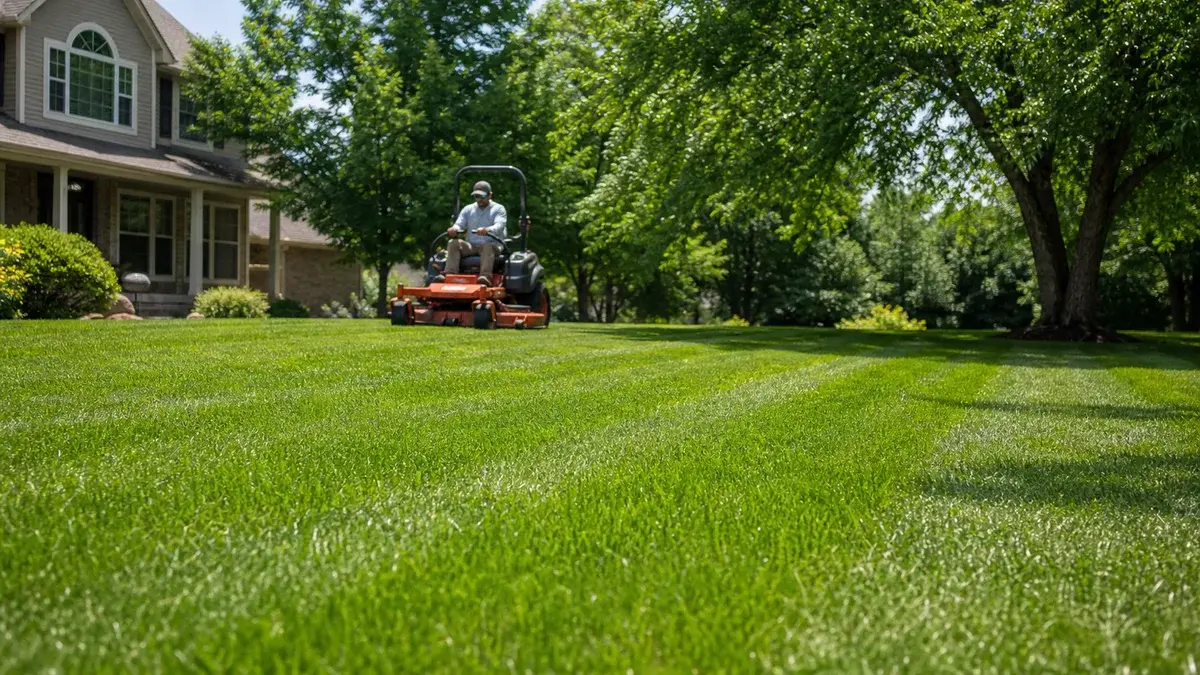
Our lawn care services focus on the fundamentals that make your grass competitive against weeds. Regular fertilization feeds your grass while promoting density. Proper mowing height (2.5-3.5 inches for cool-season grasses common in Zone 5b) shades the soil and prevents light from reaching buckthorn seeds. Aeration helps water and nutrients penetrate Northeast Indiana's clay soil, strengthening root systems.
Should you combine multiple removal methods?
The most effective buckthorn elimination strategy often combines manual removal or herbicide treatment with aggressive lawn improvement. In Fort Wayne, we recommend treating existing weeds while simultaneously thickening your lawn through proper care. This two-pronged approach prevents the empty spaces where buckthorn naturally establishes.
If you spot buckthorn returning after your initial removal effort, address it immediately—single plants are far easier to control than established patches. A second herbicide application 3-4 weeks after the first typically catches any regrowth before it sets seed.
When should you call a professional for buckthorn control?
If buckthorn weeds cover more than 10-15% of your lawn, or if you've tried removal and they keep returning, professional help makes financial sense. The team at Minnick Lawn & Landscaping knows Northeast Indiana soil and climate conditions intimately, and we can apply targeted herbicide treatments combined with customized lawn care services to eliminate the problem and prevent recurrence. We've earned 79+ five-star reviews by delivering results that Fort Wayne homeowners can count on.
Don't let buckthorn weeds take over your Northeast Indiana lawn. Whether you choose DIY removal or professional treatment, the key is acting quickly and following up with lawn strengthening. Request a free quote today and let Minnick Lawn & Landscaping develop a customized plan to restore your Fort Wayne yard to full health.