Pre-emergent herbicide is one of the most effective tools for preventing weeds before they germinate in your Fort Wayne lawn. Timing is everything—apply it too early and it breaks down before weeds sprout, apply it too late and crabgrass is already growing. In Northeast Indiana's USDA Zone 5b climate, soil temperature and season are your guides to perfect pre-emergent application.
Why Does Timing Matter for Pre-Emergent Weed Control?
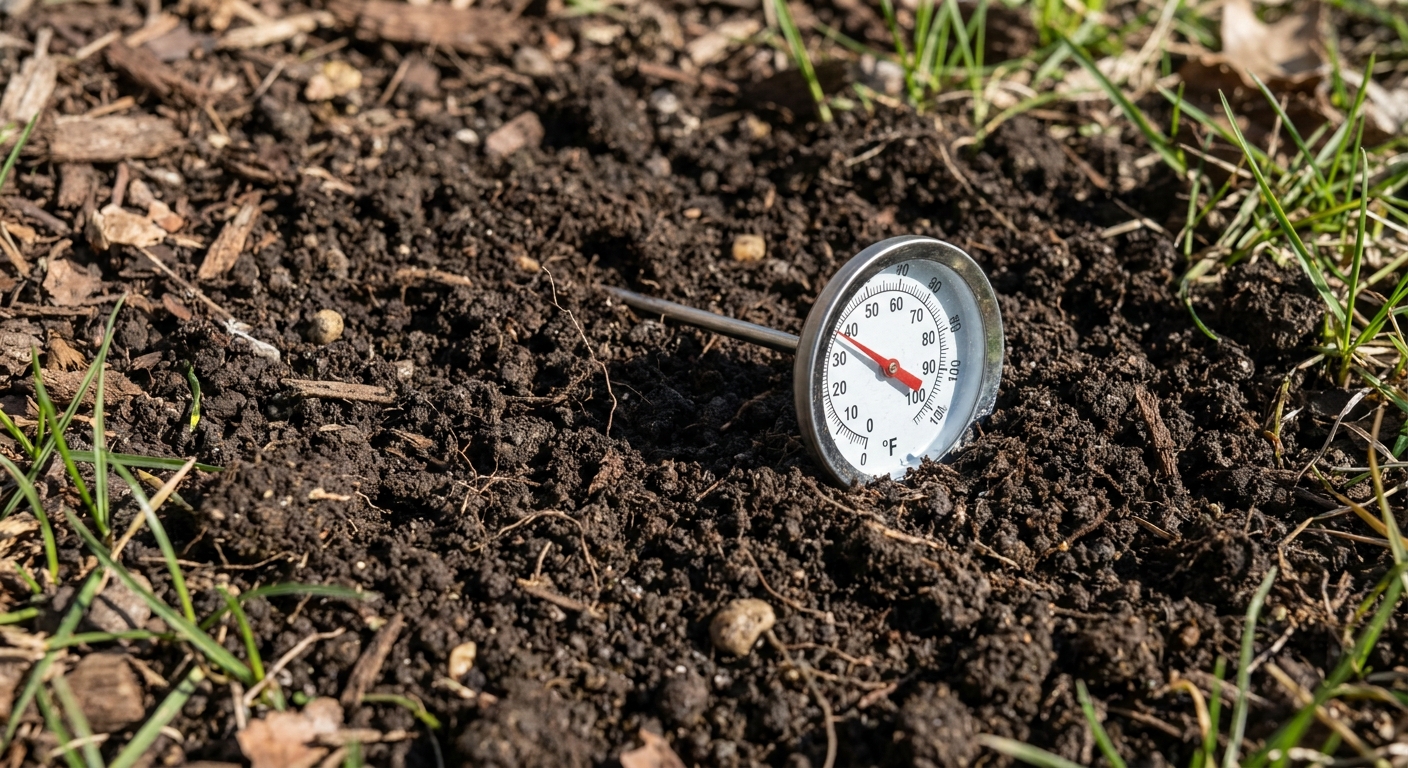
Pre-emergent works by creating a barrier in your soil that stops weed seeds from germinating. Unlike post-emergent herbicides that kill existing weeds, pre-emergent is preventative—it only works on seeds that haven't sprouted yet. Once weeds break through the soil surface, pre-emergent is ineffective. In Fort Wayne and surrounding areas like Auburn and New Haven, timing your application to coincide with when weed seeds naturally want to germinate makes the difference between a pristine lawn and constant weed battles.
The effectiveness window is typically 8-12 weeks, depending on rainfall, soil type, and product quality. Apply too early and you're wasting product on protection that's already expired. Apply too late and fast-germinating seeds like crabgrass are already sprouting.
What Soil Temperature Should Trigger Spring Pre-Emergent Application?
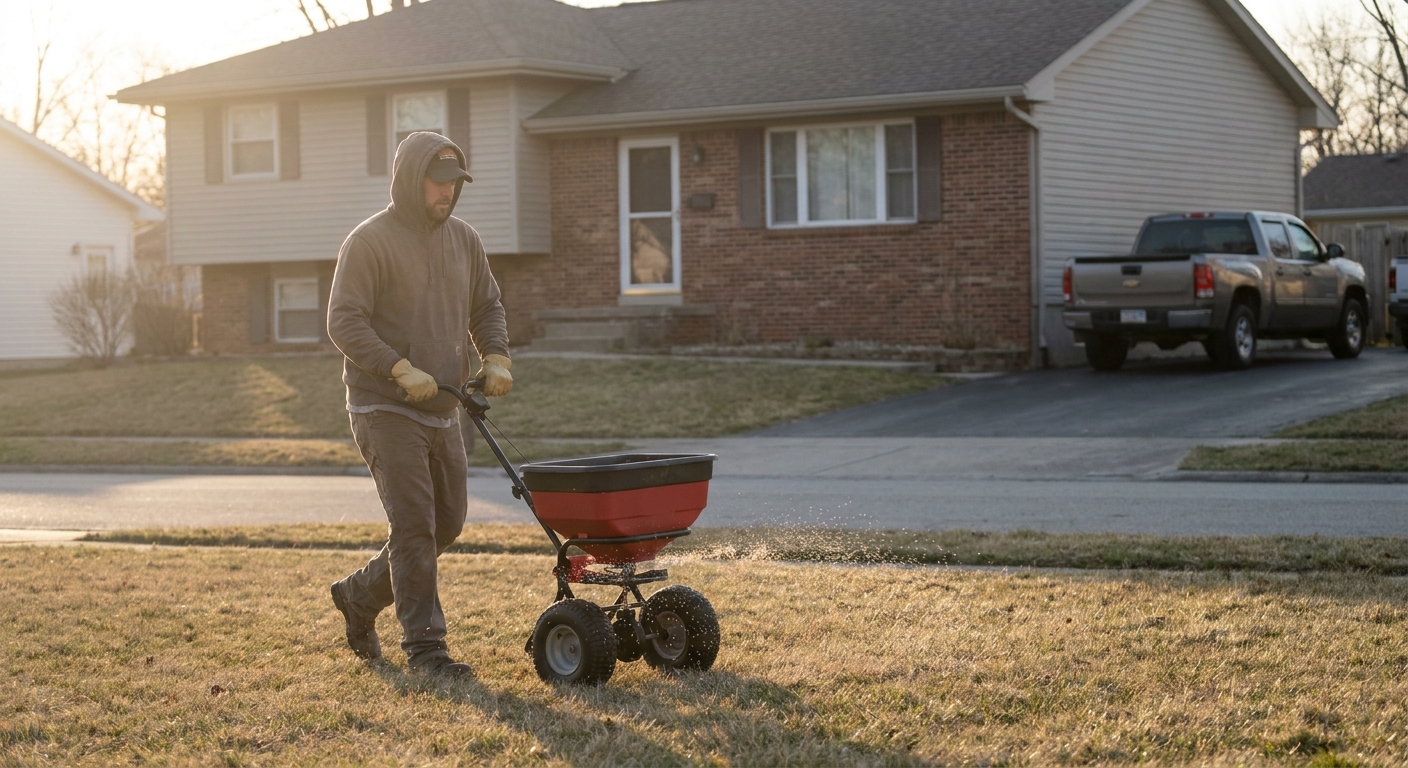
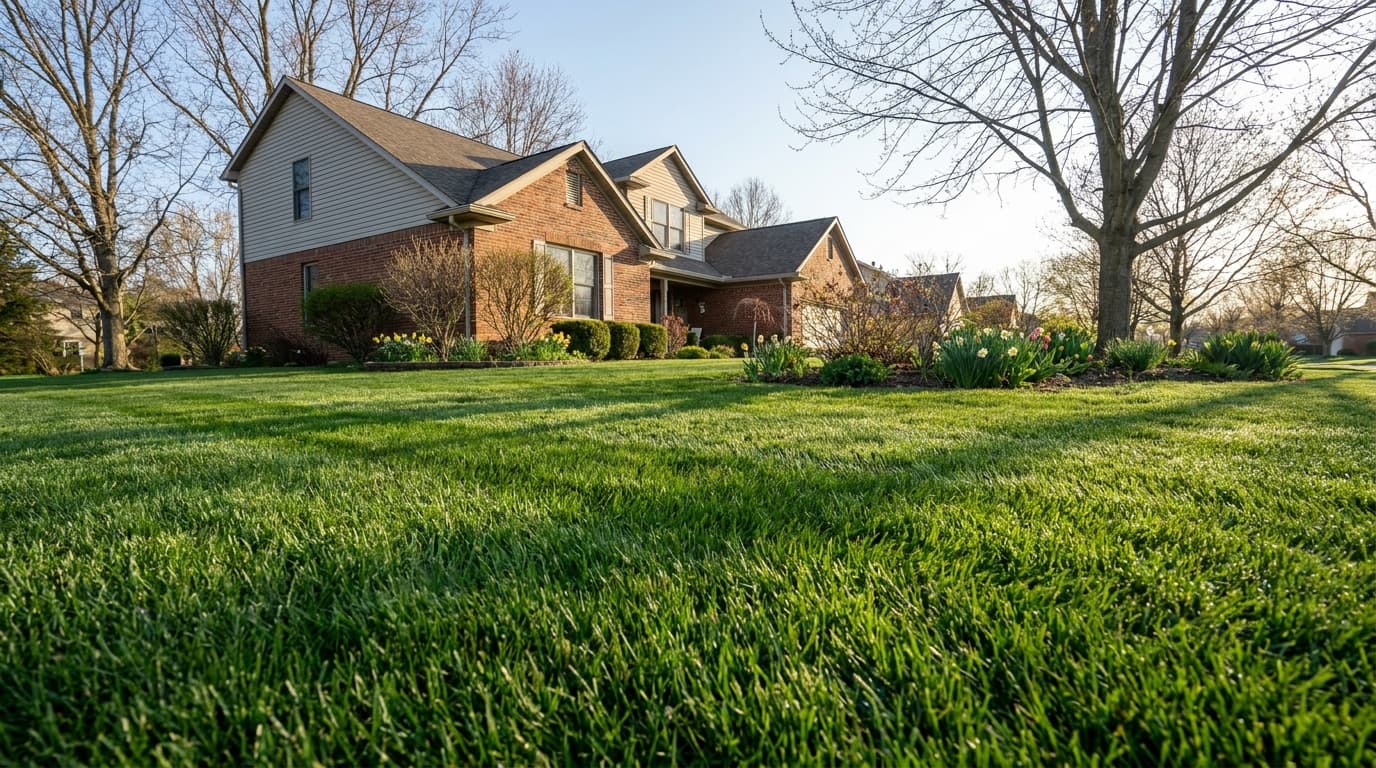
The magic number for spring pre-emergent in Fort Wayne is a soil temperature of 55°F, measured at a 2-inch depth, for 3 consecutive days. This is when cool-season annuals and crabgrass seeds begin to germinate. Most experts recommend applying spring pre-emergent when daytime air temperatures consistently reach the mid-60s to low-70s—this indicates soil temps are climbing into the activation zone.
- Late March to early April: Typical window for Fort Wayne and Northeast Indiana based on historical climate data
- Watch for budbreak: When flowering trees and shrubs begin to leaf out (forsythia, lilac), soil temps are usually right
- Monitor local weather: A week of 65°F+ days is your green light to apply
- Avoid cold snaps: A late frost after application won't harm pre-emergent, but waiting for stable warmth ensures better results
In Fort Wayne's clay-heavy soil, pre-emergent needs soil moisture to activate properly. If you apply it to bone-dry lawn, water lightly within a few days to help incorporation. Don't oversaturate—you want the product in the top 1-2 inches of soil where weed seeds live.
Is Fall Pre-Emergent Application Necessary in Fort Wayne?
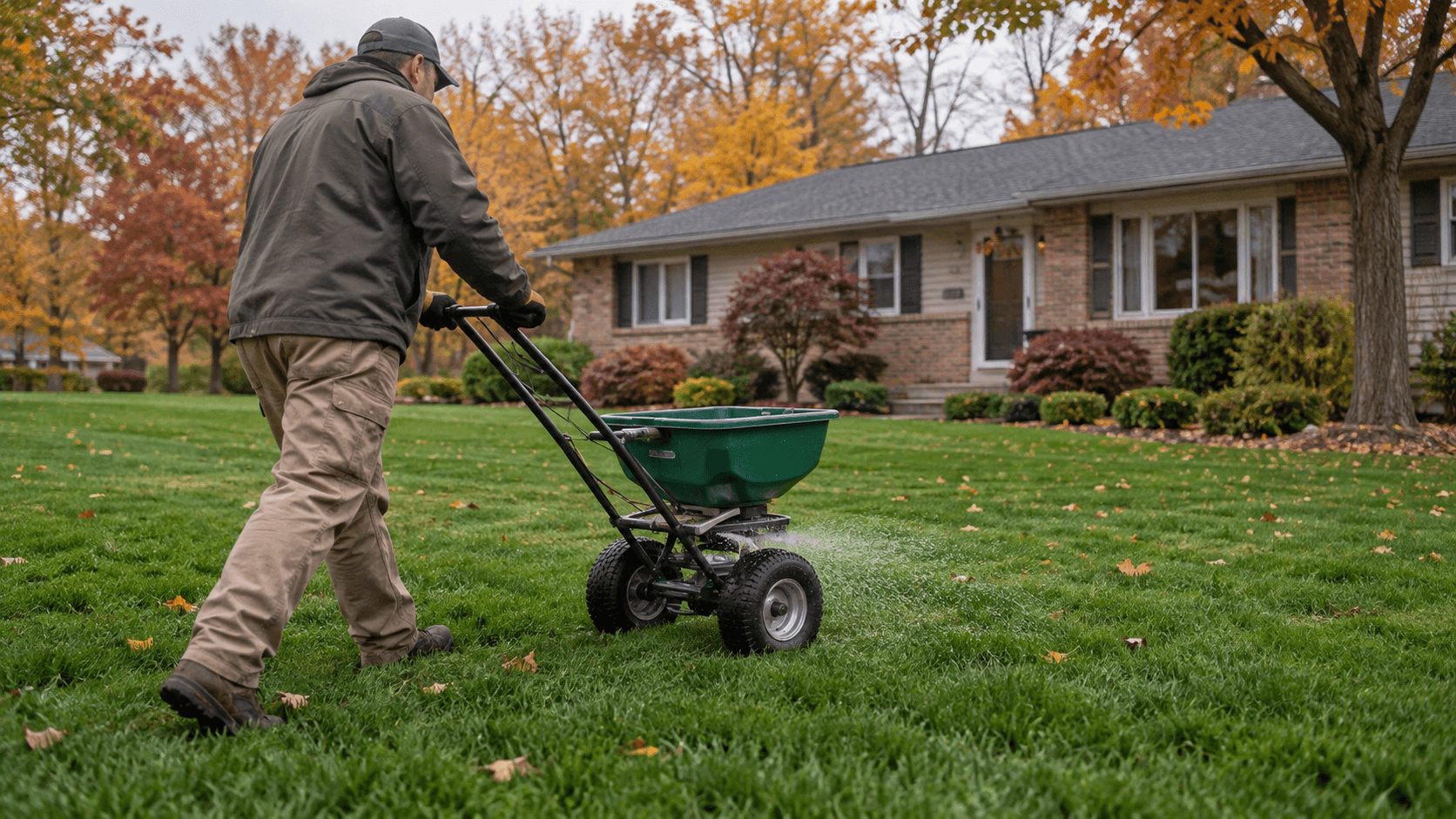
Yes—fall pre-emergent targets winter annual weeds like henbit, chickweed, and winter wheat. These germinate when soil temperatures drop below 70°F in fall, typically starting in late August or September in Northeast Indiana. A second application in early fall prevents a completely different population of weeds from taking over your lawn before winter dormancy.
For Fort Wayne lawns, apply fall pre-emergent when soil temps consistently read below 70°F for 3 days. This usually occurs in late August to mid-September. Many homeowners skip fall pre-emergent and regret it when their lawn is invaded by chickweed and other winter annual broadleaf weeds by November. These weeds are already established and thriving when spring arrives, making them harder to control.
Pro tip: The two-application strategy (spring + fall pre-emergent) is the gold standard for maintaining a weed-free lawn year-round in Fort Wayne and the surrounding Auburn, Huntertown, and New Haven areas.
How Does Northeast Indiana Weather Affect Pre-Emergent Timing?
Fort Wayne's unpredictable spring weather can complicate timing. Late freezes aren't uncommon in April, but they don't harm pre-emergent already applied to soil. The real challenge is rain—or lack of it. Pre-emergent needs moisture to activate and move into the soil where it forms a protective barrier.
If you apply pre-emergent and no rain falls within 5-7 days, irrigate lightly (about ¼ inch of water). Conversely, heavy downpours can push pre-emergent too deep into clay soils, reducing effectiveness in the critical upper 1-2 inches where weed seeds germinate. In our region's clay-heavy soil composition, moderate moisture is ideal—not drought-dry, not waterlogged.
Summer heat and drought in Northeast Indiana can shorten pre-emergent effectiveness. If you're facing a dry spring/early summer, you may need a second application by late May to extend coverage through mid-summer when opportunistic weeds can still germinate.
What's the Difference Between Granular and Liquid Pre-Emergent Timing?
Both granular and liquid pre-emergent are applied at the same soil temperature triggers, but their activation differs slightly. Granular pre-emergent requires immediate moisture—rain or irrigation—to dissolve and move into soil. Liquid pre-emergent can activate with less moisture and covers larger areas more quickly, making it ideal for Fort Wayne properties with established weed problems.
| Application Type | Activation Requirement | Best For | Timing Flexibility |
|---|---|---|---|
| Granular Pre-Emergent | Rain or irrigation within 5-7 days | Damp springs, clay soil | Must apply before rain forecasted |
| Liquid Pre-Emergent | Light moisture or dew | Dry springs, large lawns | More forgiving, works within 24-48 hours |
For Northeast Indiana's variable spring conditions, many professionals prefer liquid applications because they're less dependent on perfect timing with rainfall. However, granular products are more affordable and work excellently when soil moisture is present—which is often in Fort Wayne during April.
Can You Miss the Pre-Emergent Window and Still Prevent Weeds?
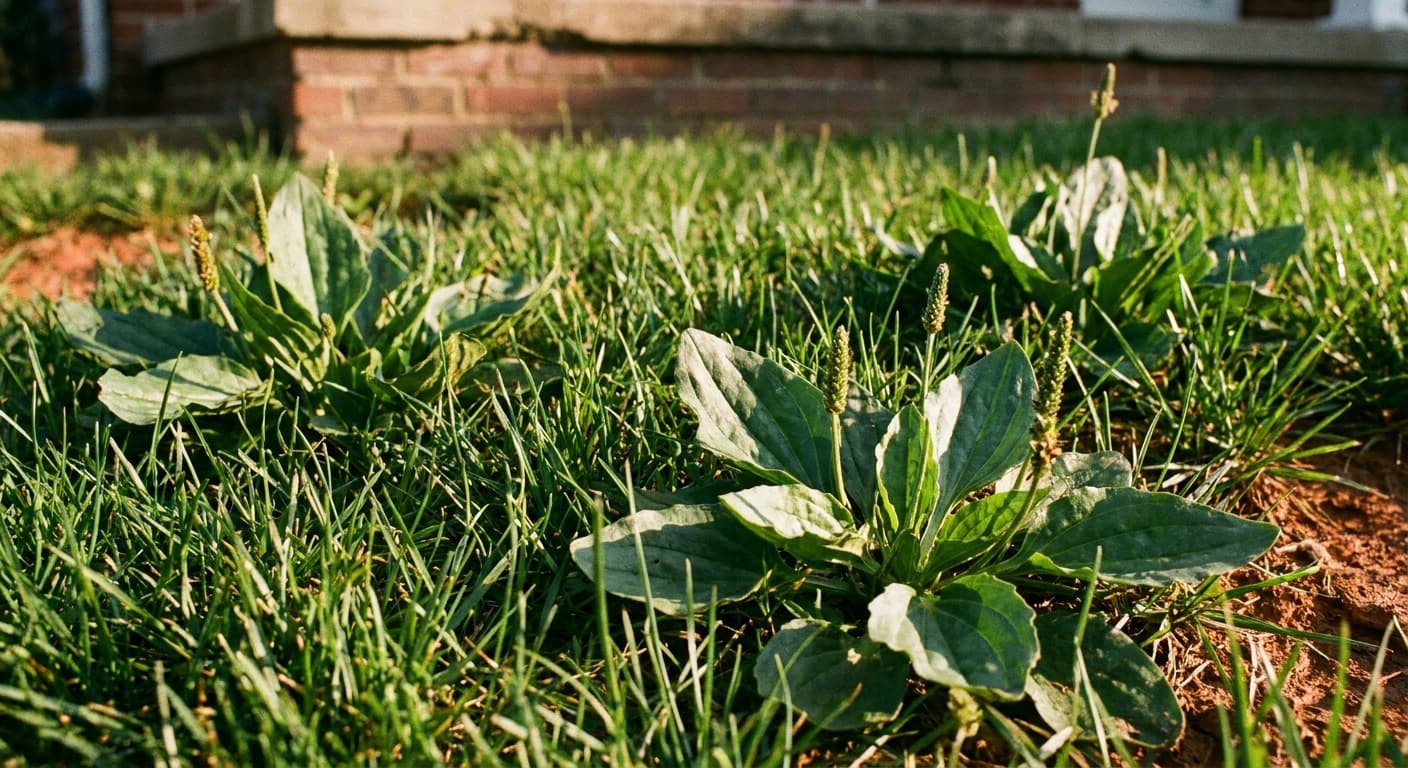
If you've missed the spring pre-emergent window in Fort Wayne, don't panic. Post-emergent herbicides and lawn care services can still control young weeds. However, prevention is always easier and more cost-effective than treatment. Once crabgrass or other summer annuals are actively growing (visible green rosettes), pre-emergent won't stop them—you need post-emergent control.
If you miss the spring application, prioritize fall pre-emergent in August-September. This prevents winter annuals and gives you a fresh start in spring. For summer and early fall management, focus on regular lawn mowing, proper watering, and post-emergent treatments as needed. Many Fort Wayne homeowners find that consistent seasonal pre-emergent paired with professional lawn care eliminates the weed-control scramble entirely.
The right time to apply pre-emergent in Fort Wayne boils down to soil temperature and seasonal cycles. Spring applications (late March-early April at 55°F soil temps) prevent crabgrass and summer annuals, while fall applications (late August-September below 70°F) stop winter weeds before they establish. Miss these windows and you'll spend the rest of the season fighting active weeds. Ready to stop the weed cycle before it starts? Get a free quote from Minnick Lawn & Landscaping for professional pre-emergent application and comprehensive lawn care across Fort Wayne and Northeast Indiana.