Frost seeding is one of the most cost-effective ways to fill in bare spots and thin areas of your lawn without waiting for summer to arrive. In Fort Wayne and Northeast Indiana, where our USDA Zone 5b climate creates unique growing challenges, frost seeding takes advantage of natural freeze-thaw cycles to get grass seed into the soil with minimal effort. This dormant seeding method works best in late February through early March, before active growing season begins, and can transform a patchy lawn into a lush, healthy turf by late spring.
How Does Frost Seeding Actually Work?
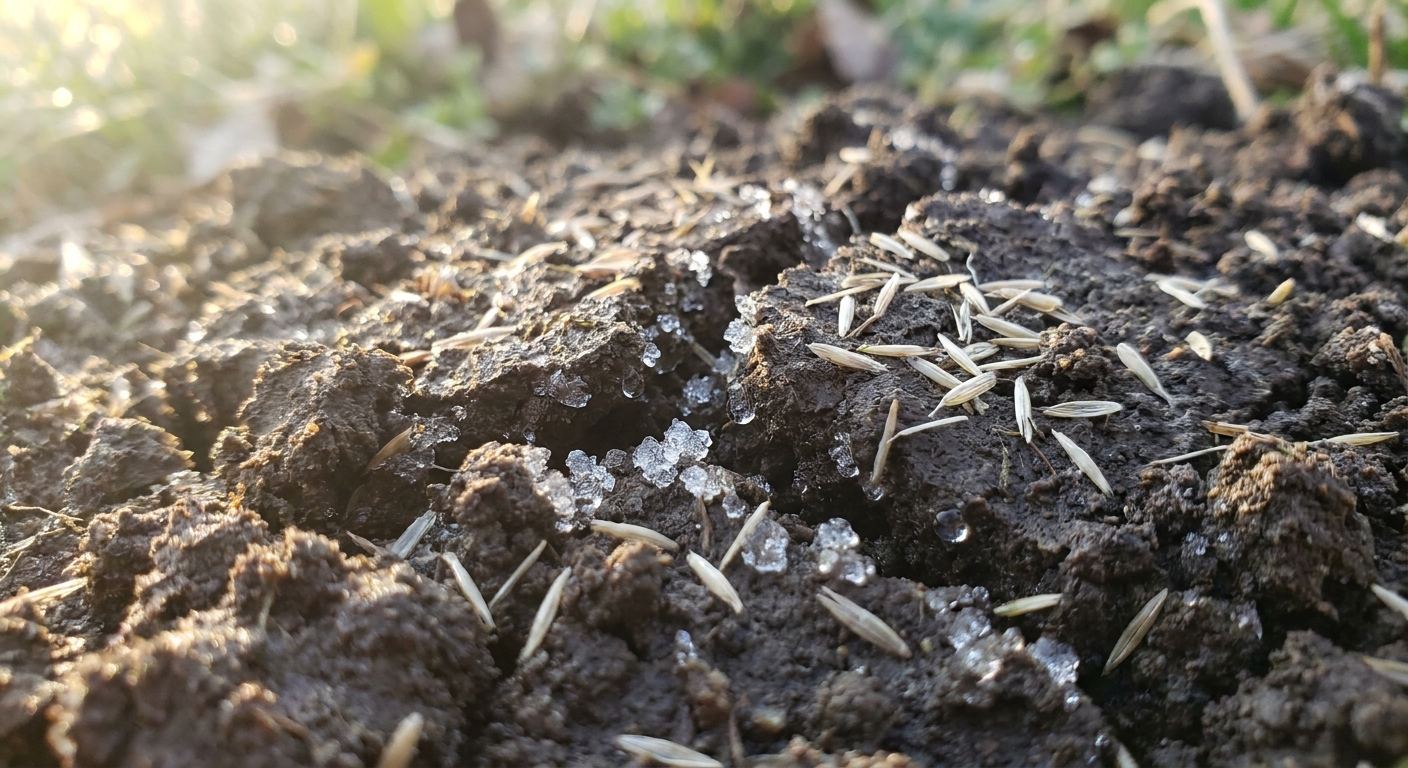
Frost seeding relies on the natural expansion and contraction of soil caused by freezing and thawing cycles. When water in the soil freezes, it expands, creating tiny cracks and air pockets that allow grass seed to work its way down to bare soil. As the ground thaws in spring, the seed makes direct contact with moist earth—ideal conditions for germination. This process requires no tilling, aerating, or raking, making it an incredibly simple way to overseed your lawn without disturbing existing grass.
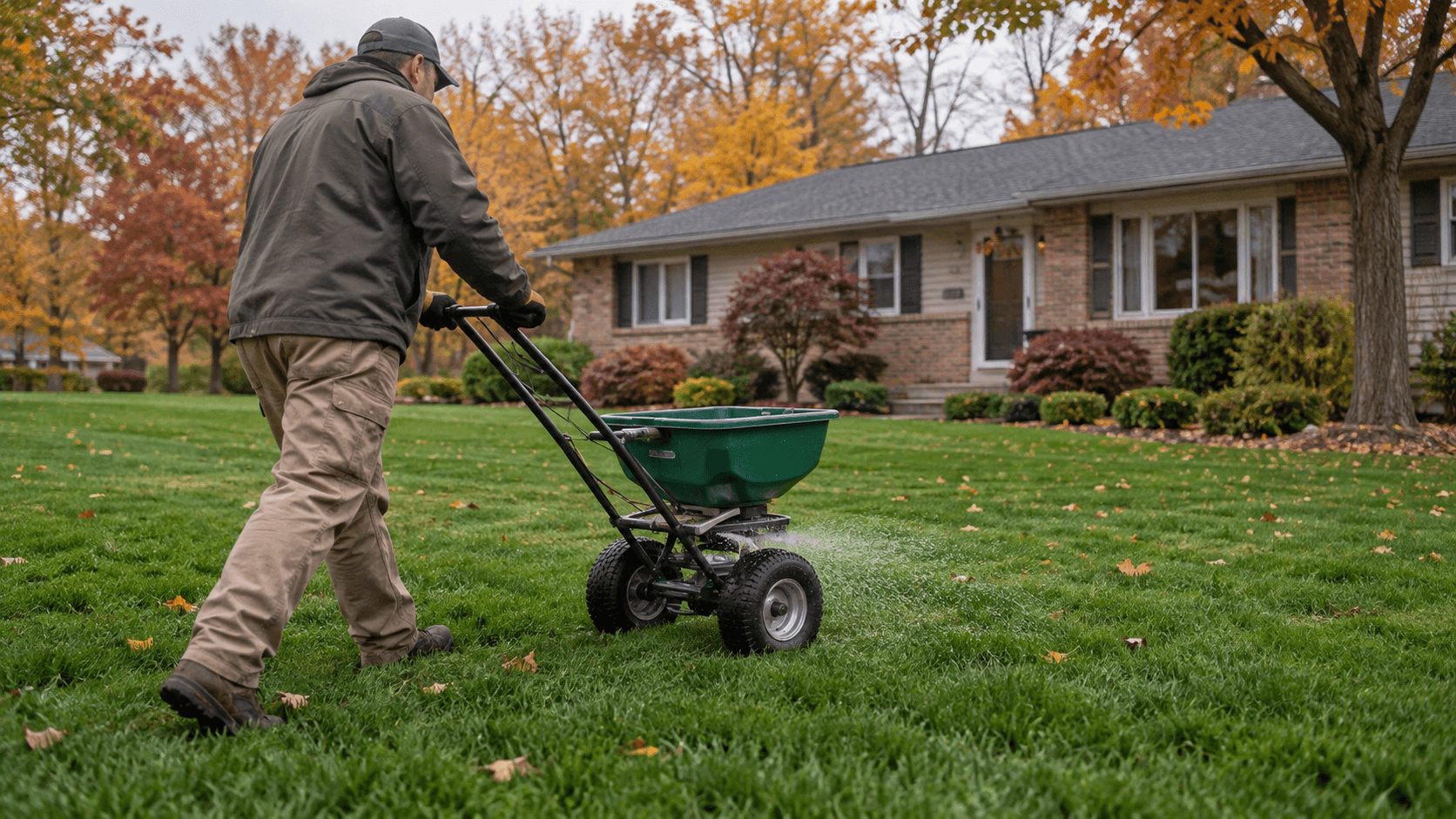
The timing is critical in Fort Wayne. Wait until after the last hard freeze (typically mid-March) but before grass actively breaks dormancy. Broadcast seed directly over your existing lawn, and nature handles the rest. The seed sits dormant through remaining cold snaps, then germinates as soil temperatures warm to 40-50°F.
What Makes Frost Seeding Perfect for Northeast Indiana's Climate?
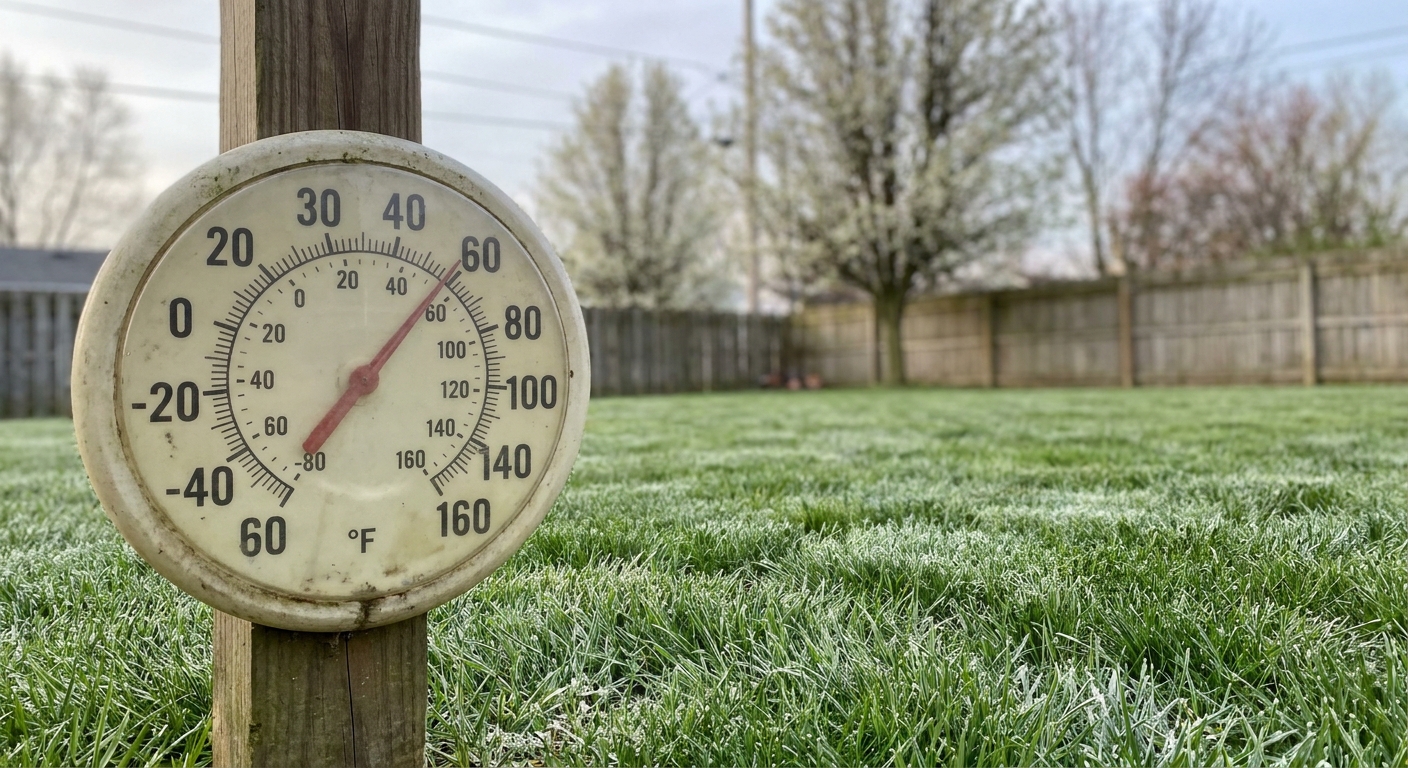
Fort Wayne's climate is practically designed for frost seeding success. Our region experiences 10-15 hard freeze-thaw cycles between February and April, creating optimal conditions for seed-to-soil contact. Our clay-heavy Northeast Indiana soil, which can be challenging for traditional seeding, actually becomes an advantage—the freeze-thaw action breaks up compacted earth naturally. Cool-season grasses like Kentucky bluegrass and perennial ryegrass, which thrive in Zone 5b, germinate perfectly during spring's cool, moist weather.
Unlike summer seeding, which requires constant irrigation to prevent heat stress on young seedlings, frost seeding lets rainfall and spring moisture do the work. This reduces water requirements and gives seedlings the stable conditions they need to establish strong root systems before summer heat arrives.
What Are the Key Benefits for Your Lawn?
Frost seeding offers several advantages that make it the smart choice for Fort Wayne property owners:
- Cost-effective: No equipment rental, aerator rental, or extensive labor needed—just seed and time
- Low maintenance: Nature does the work; minimal effort required from you
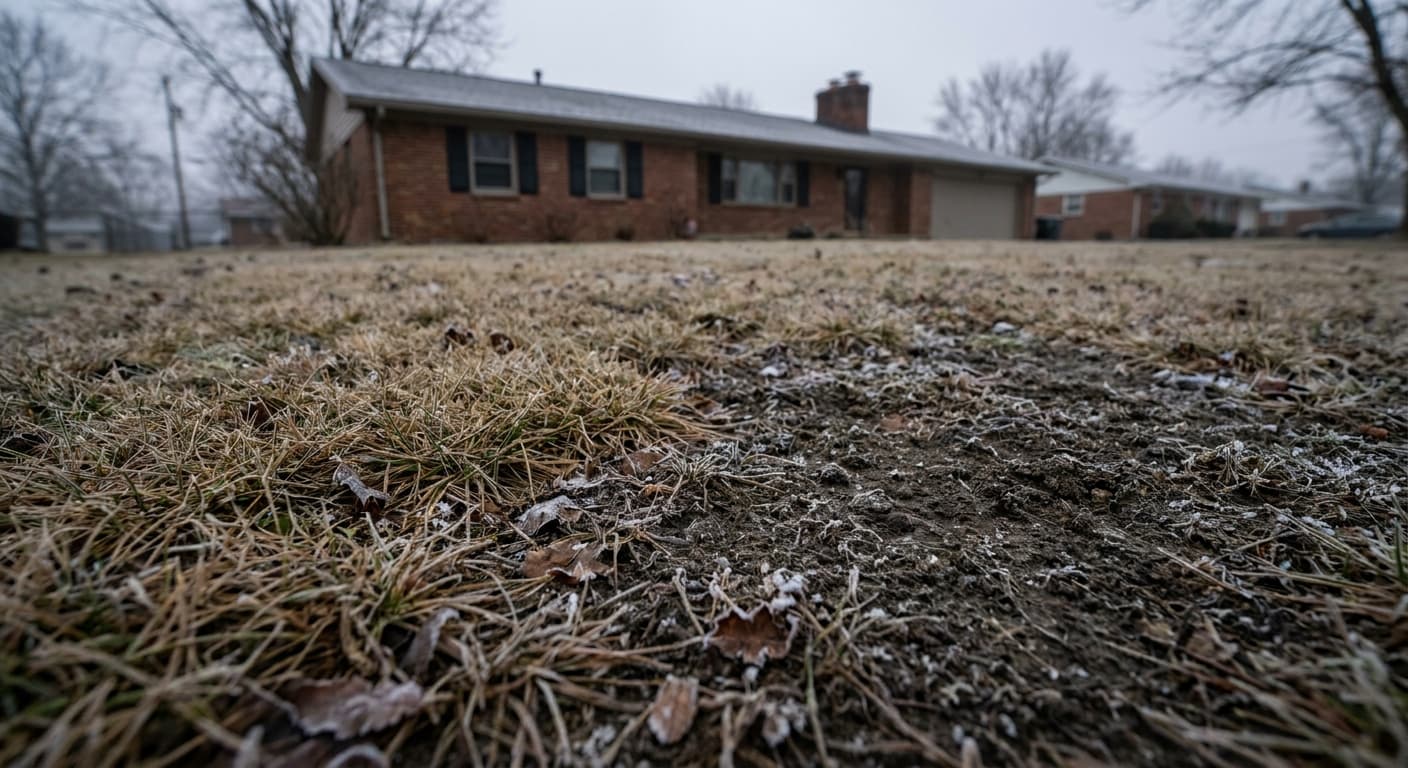
- Fills thin spots: Addresses areas weakened by winter damage, foot traffic, or poor drainage without killing existing grass
- Improves density: Thicker turf crowds out weeds naturally and improves lawn appearance by June
- Perfect timing: Northeast Indiana's spring weather provides ideal growing conditions for cool-season grass
- Early results: Seedlings establish strong roots before summer stress, creating hardier grass by fall
Frost seeding takes advantage of Fort Wayne's natural spring conditions—it's like getting Mother Nature to do your lawn renovation work for you.
When Should You Frost Seed in Fort Wayne?
Timing is everything for frost seeding success in Northeast Indiana. The ideal window opens in late February and closes by mid-April. You want soil that's actively freezing and thawing—typically 3-5 cycles per week. Frost seeding too early (January) means seed will sit dormant through months of winter. Seeding too late (May) misses the freeze-thaw cycle and summer heat will stress tender seedlings. In Fort Wayne, the sweet spot is early March when soil temperatures fluctuate between 30-50°F.
Watch your local forecast for freeze-thaw patterns rather than a calendar date. The moment soil begins thawing during the day but refreezes at night, you have ideal conditions. Check your lawn's moisture level—it should feel damp from spring snowmelt or rain, not soggy or drought-stressed.
How Does Frost Seeding Compare to Other Seeding Methods?
| Seeding Method | Best Time | Cost | Effort | Results |
|---|---|---|---|---|
| Frost Seeding | Late Feb–Mid Mar | Low | Minimal | Excellent for thin spots |
| Spring Seeding (after aeration) | April–May | Medium-High | High | Great for bare areas |
| Fall Seeding (after aeration) | Aug–Sept | Medium-High | High | Excellent germination |
| Hydroseeding | Spring/Fall | High | Low | Fast for large areas |
Frost seeding works best for thin lawns that need patching, while full-lawn renovation typically requires aeration and professional spring or fall seeding. For spot repairs and density improvement in Fort Wayne, frost seeding is unbeatable in cost and simplicity.
What Should You Do After Frost Seeding Your Fort Wayne Lawn?
Once you've broadcast seed, your job is mostly done—but a few spring maintenance steps maximize results. Don't rake heavily or disturb the soil; let freeze-thaw cycles do that work. Avoid walking on seeded areas during muddy spring conditions. Resume normal lawn care services like mowing once new grass reaches 3 inches tall (typically late May in Northeast Indiana). Don't apply weed pre-emergent in early March if you're frost seeding, as it can prevent seed germination.
By late May and June, you'll notice significantly thicker, greener turf filling in those thin spots. New seedlings will establish deep roots through the cool growing season, making them more drought-tolerant by July and August. By fall, your lawn's density and health will be noticeably improved.
Frost seeding gives you a head start on spring lawn improvement—thick, healthy grass by summer with minimal time or money invested.
If your Fort Wayne lawn has suffered winter damage, thin areas, or persistent bare spots, frost seeding is the smart way to restore it without expensive equipment or lengthy recovery time. The freeze-thaw cycles happening right now in Northeast Indiana are working in your favor. Contact Minnick Lawn & Landscaping today for a free consultation about whether frost seeding is right for your property, or let our team handle the work professionally. Call us at (260) 927-5185 to discuss your lawn's specific needs and get started on a thicker, healthier lawn this spring.