Timing is everything when it comes to trimming hydrangeas in Fort Wayne, Indiana. Prune at the wrong time and you'll cut off next year's flower buds, leaving you with leafy branches but no blooms. The answer depends on your hydrangea variety, but most Fort Wayne gardeners should prune in late winter or early spring before new growth begins.
What's the Best Time to Prune Hydrangeas in Fort Wayne?
The ideal pruning window for most hydrangea varieties in Northeast Indiana falls between late February and mid-April, before the buds break and new growth emerges. In Fort Wayne's USDA Zone 5b climate, this timing protects your plants from late spring freezes while allowing them to develop strong new branches. Big-leaf hydrangeas form flower buds on old wood, so timing becomes critical to avoid removing next year's blooms.
Wait until after the last hard frost (typically around May 15 in Fort Wayne) before removing winter-damaged stems. Even if branches look dead, they may still be alive below the frost line. Cutting them back too early exposes the plant to additional cold damage. A good rule of thumb: prune hydrangeas when forsythia bushes are blooming across Northeast Indiana—that's your signal that the worst of winter has passed.
How Do Big-Leaf Hydrangeas Differ in Pruning Needs?
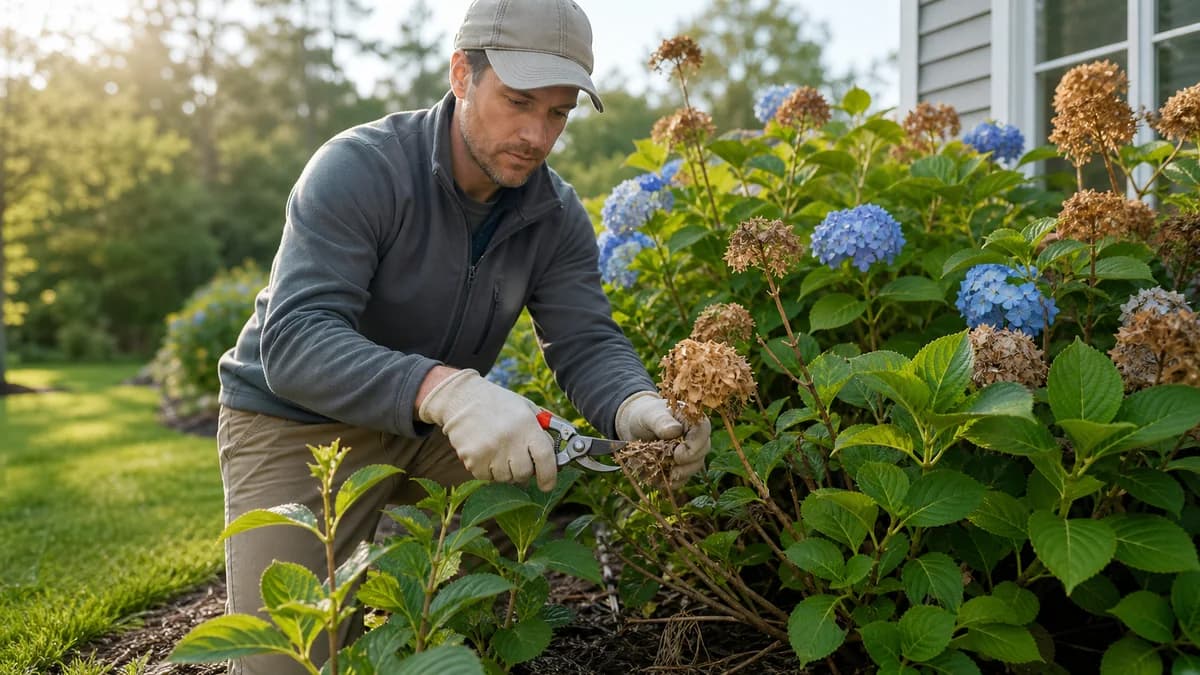
Big-leaf hydrangeas (the popular mophead and lacecap varieties with large blue or pink flowers) set their flower buds on old wood during late summer and fall. In Fort Wayne, this means pruning these varieties too aggressively in spring will eliminate your blooms for the entire season. These plants need the most careful handling of all hydrangea types.
For big-leaf hydrangeas, your pruning strategy should focus on light maintenance:
- Remove dead or diseased wood in late winter
- Cut out crossing or rubbing branches
- Thin out one-third of the oldest stems at ground level
- Avoid heading back stems by more than 12 inches
- Never shear the top like a hedge—this destroys flower production
If your big-leaf hydrangea grows too large for your Fort Wayne landscape, the solution is patience. Spread pruning over several years, removing one or two of the oldest stems annually. This gradual approach maintains blooms while slowly reshaping the plant.
What About Panicle Hydrangeas—Can You Prune Them More Heavily?
Panicle hydrangeas (like 'PeeWee' and 'Limelight') are far more forgiving than big-leaf varieties because they bloom on new wood. In Fort Wayne's climate, you can prune these varieties more heavily in early spring without sacrificing flowers. They'll still produce abundant blooms on the new growth that emerges after pruning.
Panicle hydrangeas can tolerate:
- Hard pruning back to 2-3 feet in late February to early March
- Selective heading to shape and control size
- Removal of all dead wood without hesitation
- Reduction by one-third to one-half of their height annually
This flexibility makes panicle hydrangeas excellent choices for Fort Wayne homeowners who want more control over plant size and shape. If you need a hydrangea that handles aggressive pruning well, consider this variety when planning your Northeast Indiana landscape.
When Should You Prune Oakleaf Hydrangeas?
Oakleaf hydrangeas offer another option for Fort Wayne gardens, prized for their distinctive lobed leaves and cone-shaped white flowers. Like big-leaf varieties, they set buds on old wood, so timing matters. Prune oakleaf hydrangeas in late February through mid-March, just as new growth begins to emerge.
Oakleaf hydrangeas need even lighter pruning than big-leaf types. These plants naturally develop a graceful, multi-stemmed form that looks best with minimal intervention. Simply remove dead canes, thin out crossing branches, and let the plant's natural architecture show. In Northeast Indiana's climate, oakleaf hydrangeas are tough and rarely need heavy pruning to thrive.
Should You Remove Spent Flowers in Fall or Winter?
Many Fort Wayne gardeners wonder about deadheading spent hydrangea flowers throughout the growing season. The answer depends on your aesthetic preference and whether you want to preserve blooms for cutting. Removing faded flowers (deadheading) in summer and early fall often encourages more blooms on panicle varieties.
However, leave the seed heads on big-leaf and oakleaf hydrangeas after summer bloom. These dried flowers actually protect the developing flower buds underneath from winter damage in Northeast Indiana's Zone 5b climate. Leave them in place until spring pruning time—they'll provide winter interest in your landscape and safeguard next year's flowers.
The cardinal rule for hydrangea pruning in Fort Wayne: when in doubt, prune lightly. It's easier to remove more growth next year than to recover from over-pruning that eliminates an entire season of blooms.
What Winter Damage Should You Address in Spring?
Fort Wayne winters can be harsh on hydrangeas, especially tender varieties and new plantings. When pruning in spring, assess the damage carefully before cutting. Stems that look brown or gray on the outside might still have green tissue inside. Bend them gently—if they're flexible, they're likely alive. Only cut back to where you see green tissue in the center.
Common winter damage to address during spring pruning includes:
- Frost crack or split wood on thick stems
- Blackened or withered branch tips
- Entire canes killed by extreme cold
- Dieback from drying winter winds
In Northeast Indiana's variable climate, hydrangeas planted in protected microclimates (south-facing walls, shelter from north winds) often suffer less winter damage than exposed plantings. When choosing locations for new hydrangeas in Fort Wayne, consider these protective factors.
Proper hydrangea trimming ensures abundant blooms year after year in Fort Wayne's climate. Whether you have big-leaf, panicle, or oakleaf varieties, understanding your specific type and respecting its bud-setting cycle makes all the difference. If you're unsure about your hydrangea variety or need help with pruning technique, the team at Minnick Lawn & Landscaping can assess your plants and create a custom maintenance plan. We're familiar with hydrangea care across Northeast Indiana and can ensure your plants stay healthy and beautiful. Request a free consultation to discuss your hydrangea care needs, or call us at (260) 927-5185 to learn more about our landscaping and plant care services in Fort Wayne.