Crabgrass is the most problematic annual weed in Fort Wayne lawns, capable of transforming a beautiful yard into a patchy, unkempt mess by midsummer. Effective crabgrass treatment requires a two-pronged approach: preventing new plants from germinating and eliminating any that break through. Here is a detailed procedure for controlling crabgrass in your Northeast Indiana lawn.
Understanding the Crabgrass Life Cycle
Crabgrass is an annual weed, meaning it germinates from seed each spring, grows through summer, sets seed, and dies with the first fall frost. A single plant can produce 150,000 or more seeds, which remain viable in the soil for several years. This prolific seed production is why crabgrass problems tend to worsen each year without intervention. Breaking the cycle requires preventing seed production and reducing the existing seed bank in your soil.
Pre-Emergent Application Procedure
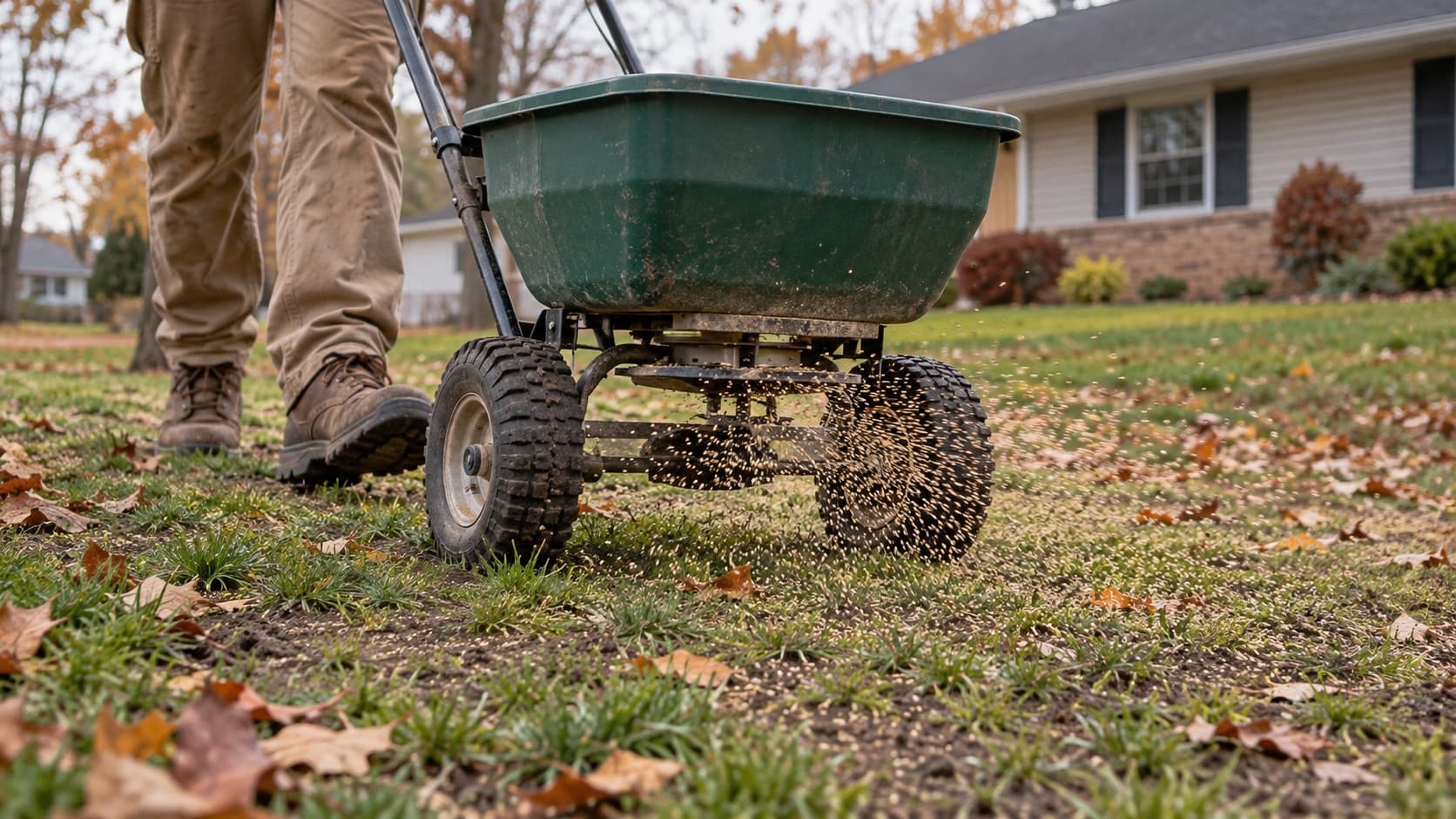
Pre-emergent herbicides are the cornerstone of crabgrass control. In the Fort Wayne area, apply pre-emergent when soil temperatures reach 50 to 55 degrees Fahrenheit at a four-inch depth, typically between late March and mid-April. Apply the product evenly using a calibrated broadcast spreader, ensuring complete coverage with no gaps or overlaps. Water in the product with a half inch of irrigation or rain within 48 hours of application to activate the chemical barrier. Common active ingredients include prodiamine, pendimethalin, and dithiopyr.
Post-Emergent Treatment for Breakthrough
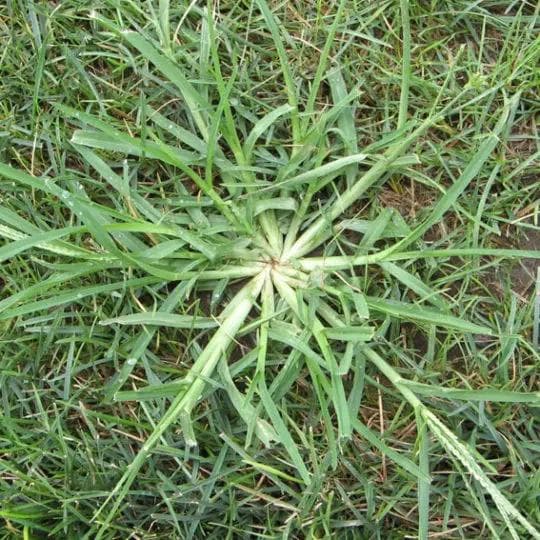
If crabgrass plants appear despite pre-emergent treatment, act quickly while plants are young and small. Post-emergent herbicides containing quinclorac or fenoxaprop are selective for crabgrass and safe for most cool-season lawn grasses when applied according to label directions. Apply when crabgrass has fewer than three tillers for best results. Spot-treat individual plants or small patches rather than broadcasting across the entire lawn. Mature crabgrass with seed heads is very difficult to kill chemically and is best removed by hand.
Integrated Crabgrass Management
Chemical control alone is not sufficient for long-term crabgrass management. Maintain your lawn at the proper mowing height, three to four inches for most cool-season grasses, to shade the soil and block the sunlight crabgrass seeds need to germinate. Water deeply and infrequently to encourage deep grass roots rather than the shallow root system that favors crabgrass. Overseed thin areas in the fall to increase turf density and reduce available space for crabgrass the following spring.
Related Services from Minnick Lawn & Landscaping
- Professional Lawn Care Services – Mowing, fertilization, and year-round lawn maintenance
- Landscaping & Garden Design – Custom landscape design and installation
- Mulch Delivery & Installation – Premium mulch products delivered and installed
Request a free quote from Minnick Lawn & Landscaping for your Fort Wayne property today.
For a comprehensive crabgrass prevention and treatment program, contact Minnick Lawn & Landscaping. We time our applications precisely for Fort Wayne conditions and use professional-grade products that deliver superior results.