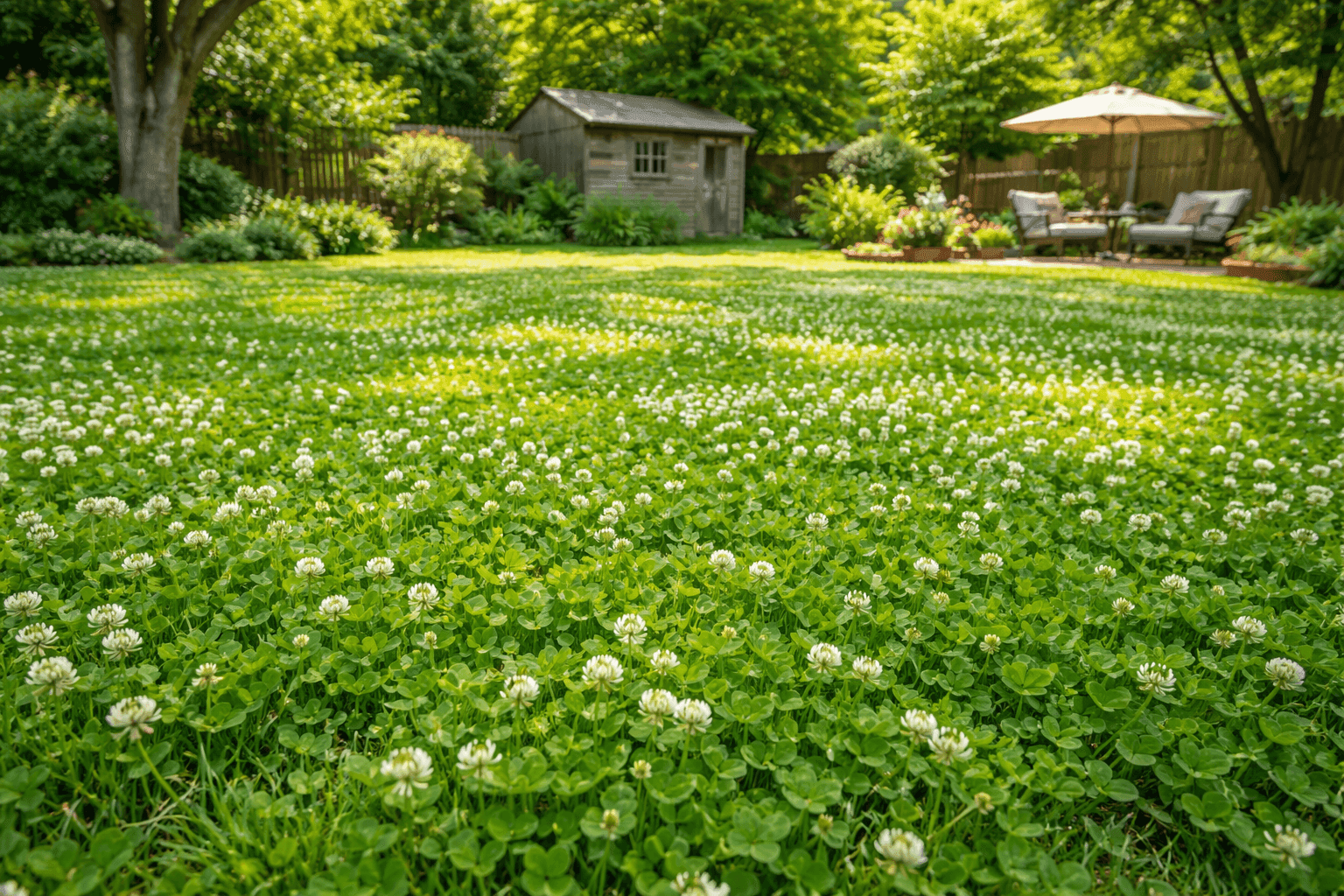
Clover is one of the most persistent and widespread lawn weeds in Fort Wayne and across Northeast Indiana. While some homeowners appreciate clover for its ability to fix nitrogen and stay green during drought, most prefer a uniform turf lawn free of clover patches. Fortunately, clover can be effectively controlled with the right approach and timing.
Identifying Clover in Your Lawn
White clover (Trifolium repens) is the most common species found in residential lawns. It is easily identified by its three-part leaflets, creeping stems that root at nodes, and small white or pinkish flower heads. Clover tends to thrive in areas where the lawn is thin, poorly fertilized, or has compacted soil. Its presence often indicates a nitrogen deficiency in the soil, as clover produces its own nitrogen through symbiotic bacteria in its root nodules.
Cultural Control Methods
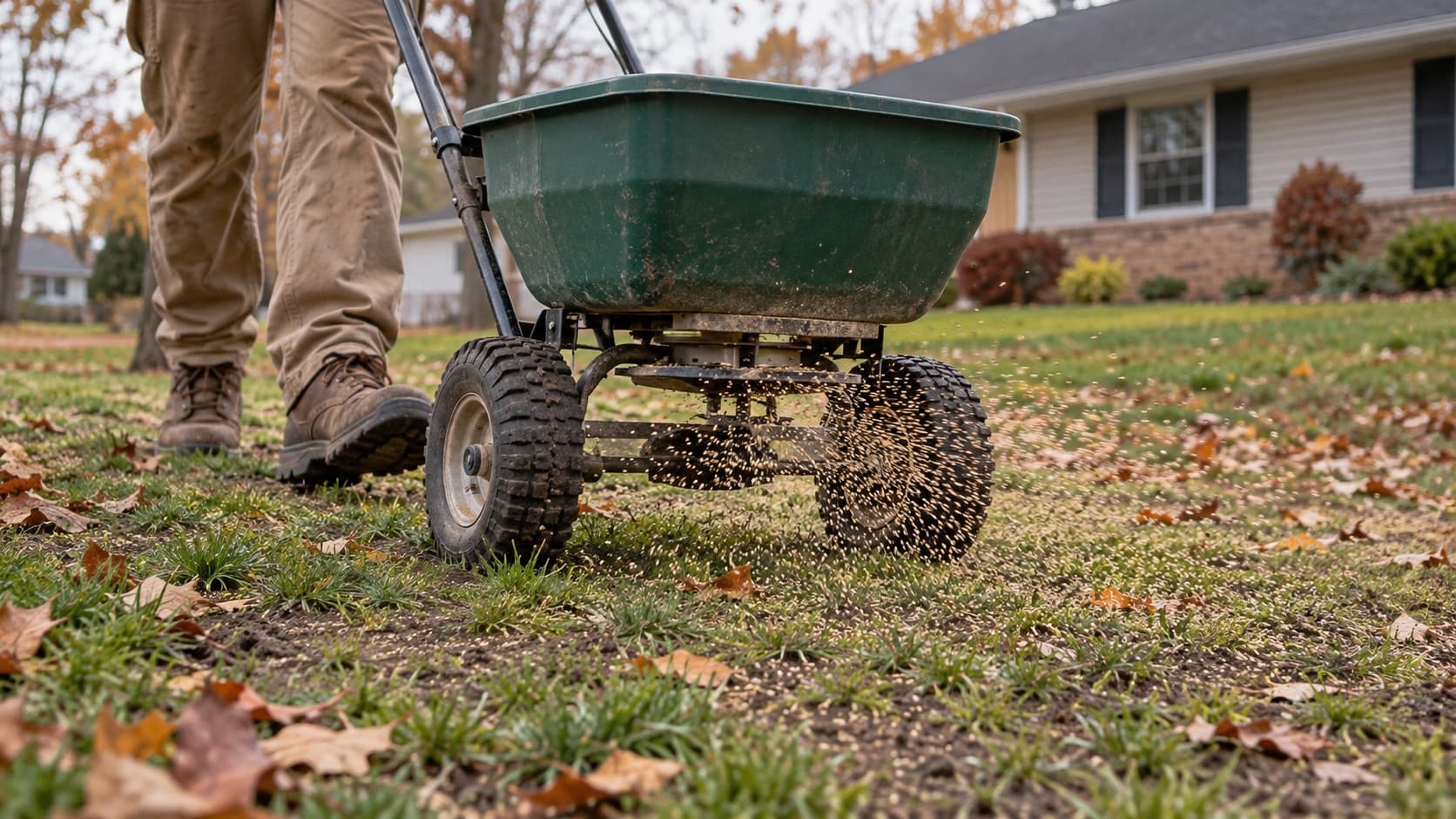
The most effective long-term strategy for controlling clover is maintaining a thick, healthy lawn that outcompetes it. Mow at the proper height for your grass type to shade out clover, which prefers sunny conditions. Apply nitrogen fertilizer on a regular schedule to eliminate the competitive advantage clover has in low-nitrogen soils. Core aerate compacted areas and overseed thin spots to increase turf density. A thick, well-fed lawn is naturally resistant to clover invasion.
Chemical Treatment Options
For established clover infestations, broadleaf herbicides containing triclopyr, dicamba, or combination products like Trimec are effective. Apply when clover is actively growing, typically in spring or early fall, and when temperatures are between 60 and 80 degrees Fahrenheit. Liquid spot treatments work well for scattered patches, while granular weed-and-feed products can treat larger areas. Always follow label directions for application rates and reentry intervals. A second application may be needed three to four weeks after the first for heavy infestations.
Organic Alternatives
For homeowners who prefer to avoid synthetic herbicides, vinegar-based herbicides can burn back clover foliage, though multiple applications are usually needed and these products are non-selective, meaning they will also damage grass. Corn gluten meal applied in early spring acts as a natural pre-emergent, preventing clover seeds from germinating while providing nitrogen to the lawn. Hand-pulling small patches before they spread is also effective for minor infestations.
Related Services from Minnick Lawn & Landscaping
- Professional Lawn Care Services – Mowing, fertilization, and year-round lawn maintenance
- Landscaping & Garden Design – Custom landscape design and installation
- Mulch Delivery & Installation – Premium mulch products delivered and installed
Request a free quote from Minnick Lawn & Landscaping for your Fort Wayne property today.
Consistent lawn care is the foundation of clover-free turf. Minnick Lawn & Landscaping offers complete weed control programs that keep clover and other broadleaf weeds in check. Contact us for a lawn assessment and customized treatment plan for your Fort Wayne property.