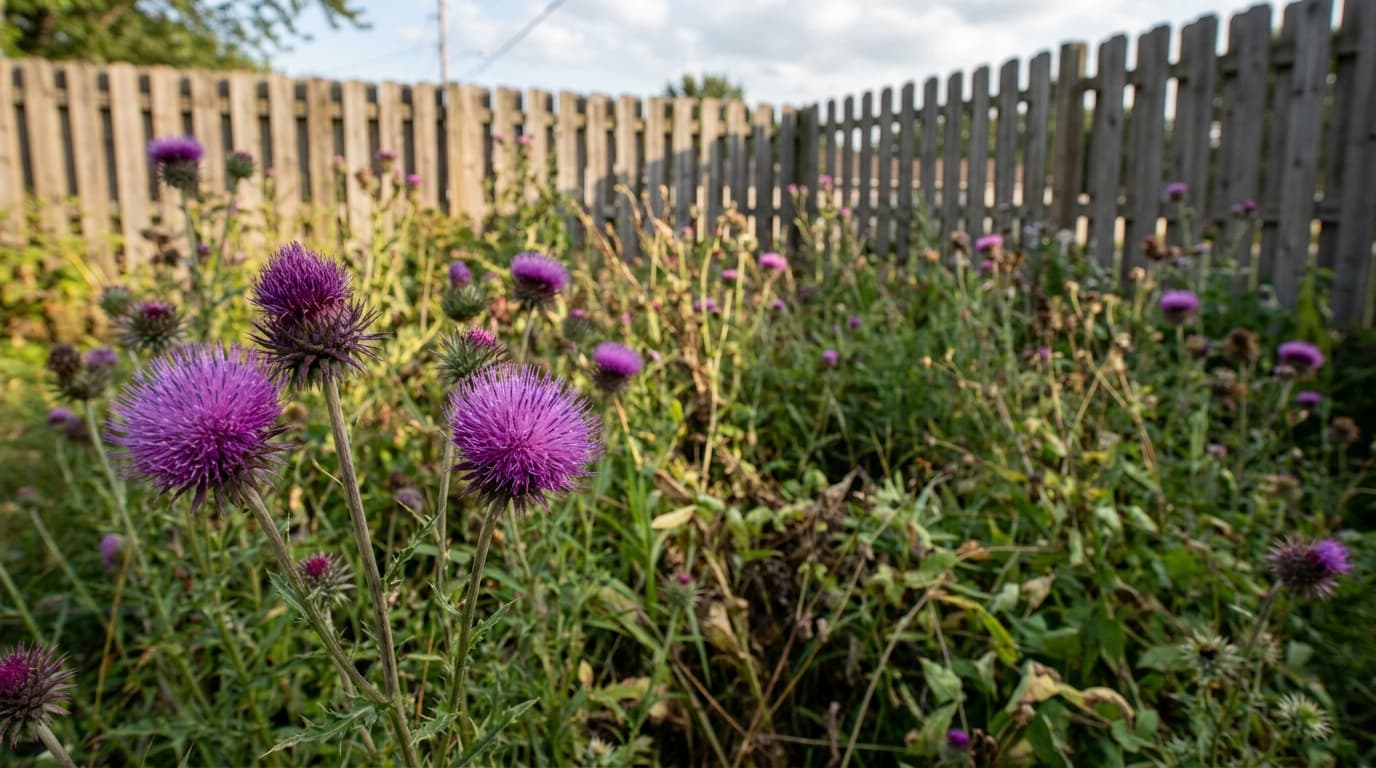
Thistles are one of the most stubborn weeds Fort Wayne gardeners face, especially in flower beds where they can quickly overtake your carefully planned landscapes. These prickly invaders spread rapidly through seeds and deep root systems, making them frustrating to control. The good news is that with the right combination of removal techniques and prevention strategies, you can reclaim your flower beds and keep thistles from returning.
Why Are Thistles So Difficult to Remove?
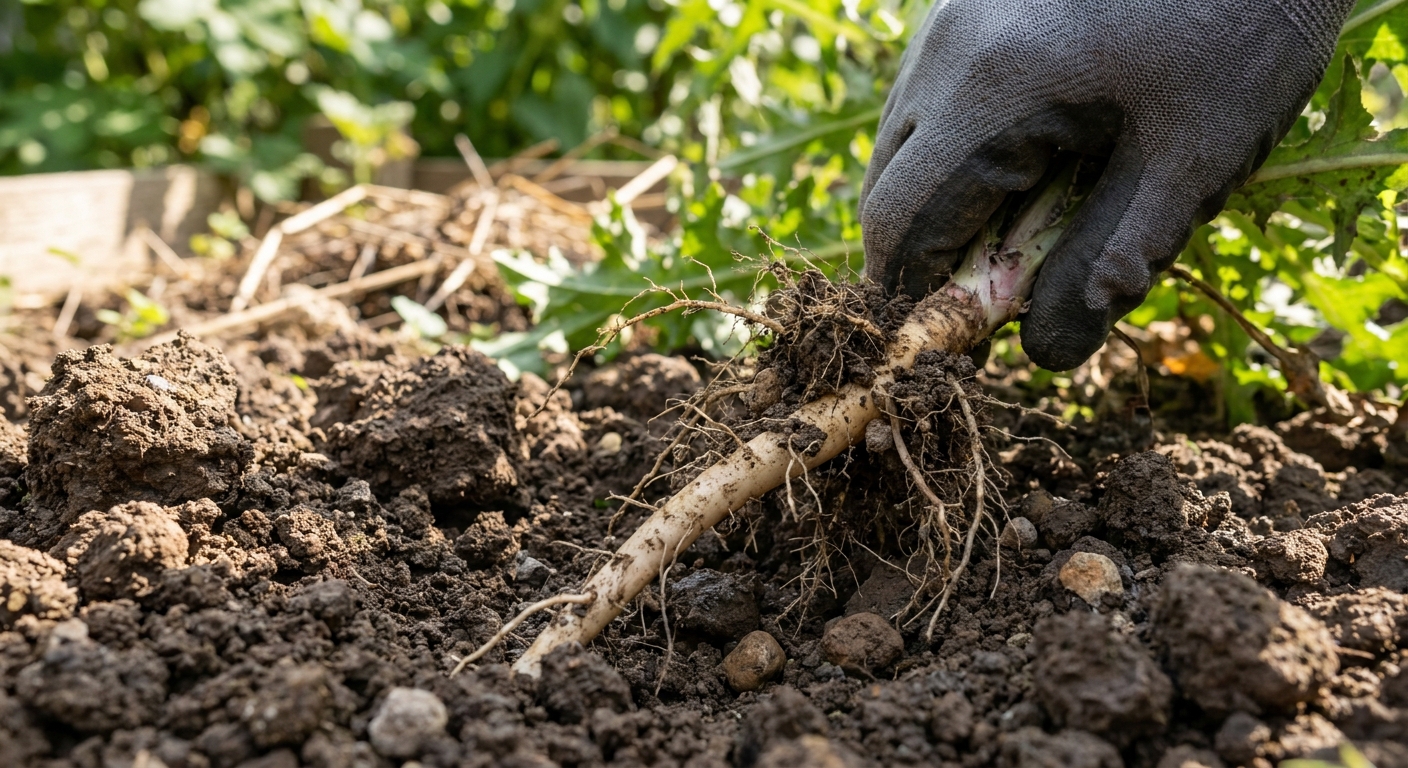
Thistles thrive in Northeast Indiana's clay-heavy soil and can complete their life cycle in just one season. Once established, their deep taproot system makes them incredibly resilient—breaking off the top leaves just encourages regrowth. Understanding why thistles are so persistent helps you choose the most effective removal strategy for your Fort Wayne property.
The key challenge is that thistles are prolific seed producers. A single plant can produce thousands of seeds that spread on the wind, landing in your flower beds months after you thought you'd eliminated the problem. Additionally, their spiky leaves protect them from casual removal efforts, and their robust root system allows them to survive in poor soil conditions that other weeds struggle with.
What's the Best Time to Remove Thistles from Flower Beds?
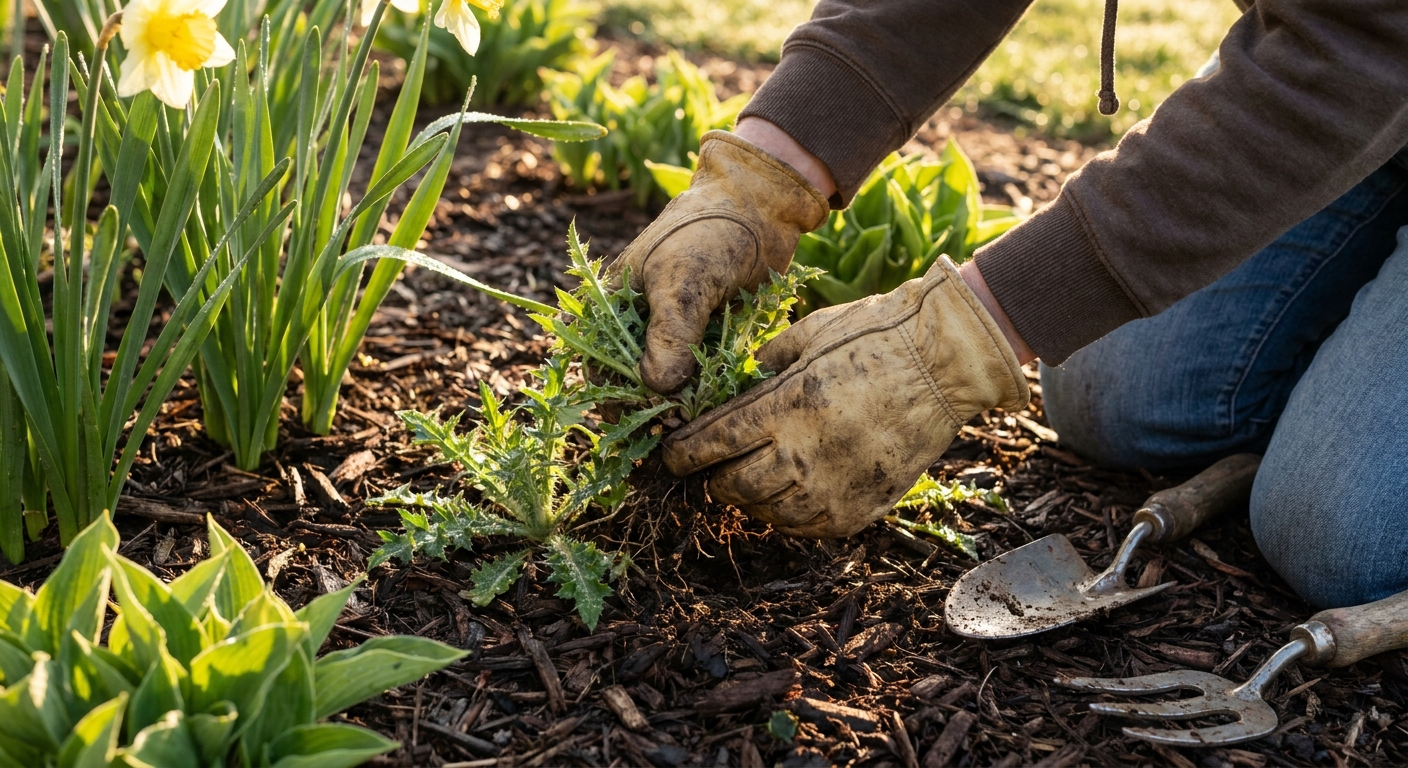
Early spring and fall offer the optimal window for thistle removal in Fort Wayne. When thistles are young rosettes (pre-flowering), they're easiest to pull because their roots haven't fully developed. Spring removal (April through May) targets thistles before they bolt, while fall cleanup (August through September) catches any summer-germinated plants before winter dormancy.
Timing matters because thistles progress through distinct growth stages. In their first year, they form a low rosette of leaves close to the ground—this is your best removal window. By their second year, they develop the tall, flowering stalks you recognize. Never wait until flowers appear, as each bloom head contains hundreds of viable seeds ready to disperse across your Northeast Indiana landscape.
How Do You Manually Remove Thistles Without Herbicides?
Manual removal works best for small infestations and isolated plants in ornamental beds. The key is extracting the entire taproot, which can extend 12-18 inches deep in Fort Wayne's dense soil. Here's the most effective approach:
- Dig deep: Water your flower bed first to soften the soil, then use a narrow spade or weeding fork to loosen soil around the plant's base
- Extract completely: Carefully work the spade down and around the thistle, then pry upward to lift the entire root system
- Remove all root fragments: Even small pieces left behind can regenerate, so inspect the hole thoroughly
- Dispose properly: Place pulled thistles in sealed bags or burn them (if local regulations allow)—never compost them
- Fill and replant: Refill the hole with quality garden soil and add mulch to prevent seed germination
This method requires patience but provides immediate results and protects nearby plants. Wear heavy gloves—thistle spines can penetrate thin gardening gloves and cause irritating puncture wounds.
Which Herbicides Work Best on Thistles in Flower Beds?
For larger thistle problems in Fort Wayne, selective herbicides offer effective control. Pre-emergent herbicides prevent thistle seeds from germinating, while post-emergent options target established plants. For ornamental beds specifically, dicamba-based or 2,4-D herbicides work well on broadleaf thistles without harming most flowering plants.
Application timing is critical. Spray post-emergent herbicides on young plants in early spring when they're most vulnerable. Follow these guidelines:
- Choose cool, calm mornings (below 85°F) to apply herbicide
- Thoroughly coat all leaf surfaces—thistles have waxy leaves that resist penetration
- Apply when thistles are actively growing but before flowering
- Read labels carefully to ensure the product is safe for your specific ornamental plants
- Repeat applications may be needed for stubborn plants or heavy infestations
Pro tip: Combining manual removal of visible plants with pre-emergent herbicide applications gives Fort Wayne gardeners the best long-term thistle control in flower beds.
If you prefer not to use chemical herbicides, vinegar-based herbicides (20% acetic acid) can burn down foliage, though they won't kill established roots. Boiling water poured directly on thistle rosettes works as a chemical-free option for isolated plants.
How Can You Prevent Thistles from Returning to Your Flower Beds?
Prevention is always easier than removal. Once you've cleared thistles from your Fort Wayne beds, these strategies will keep them from making a comeback and protect your landscaping investment.
- Apply heavy mulch: A 3-4 inch layer blocks light and prevents seed germination
- Use landscape fabric: Under mulch, it creates a barrier against wind-blown seeds
- Keep beds densely planted: Crowded ornamentals leave no space for thistle seedlings to establish
- Maintain healthy soil: Thistles prefer disturbed, compacted areas—improve soil structure with compost
- Remove seed heads immediately: Deadhead any escaping thistles before they flower and spread
Should You Call a Professional for Thistle Control?
For extensive thistle infestations across multiple flower beds, professional lawn care makes economic sense. Northeast Indiana's unique clay soil and extended growing season can work against homeowners trying to manage thistles alone. At Minnick Lawn & Landscaping, we handle stubborn weeds while protecting your valuable ornamental plantings.
Professional treatment combines targeted herbicide application, mulch installation, and ongoing monitoring to ensure long-term results. We understand Fort Wayne's specific weed pressures and can recommend prevention strategies tailored to your property's soil conditions and plant palette. Our experience managing Northeast Indiana's challenging growing environment means faster results and fewer replanting headaches for you.
Tired of battling thistles in your Fort Wayne flower beds? Minnick Lawn & Landscaping specializes in weed management and landscape restoration across Northeast Indiana. Our team can eliminate existing thistles and implement prevention strategies to keep your beds pristine all season. Request a free quote today and let us handle the prickly work for you.