Mosquitoes are a summertime nuisance in Fort Wayne, Indiana, and controlling them requires a multi-faceted approach. The most effective mosquito management combines eliminating breeding grounds, improving yard drainage, and strategic landscaping modifications. Our team at Minnick Lawn & Landscaping has helped Northeast Indiana homeowners reclaim their outdoor spaces by targeting the root causes of mosquito infestations rather than relying on temporary fixes alone.
Why Are Mosquitoes Such a Problem in Fort Wayne?
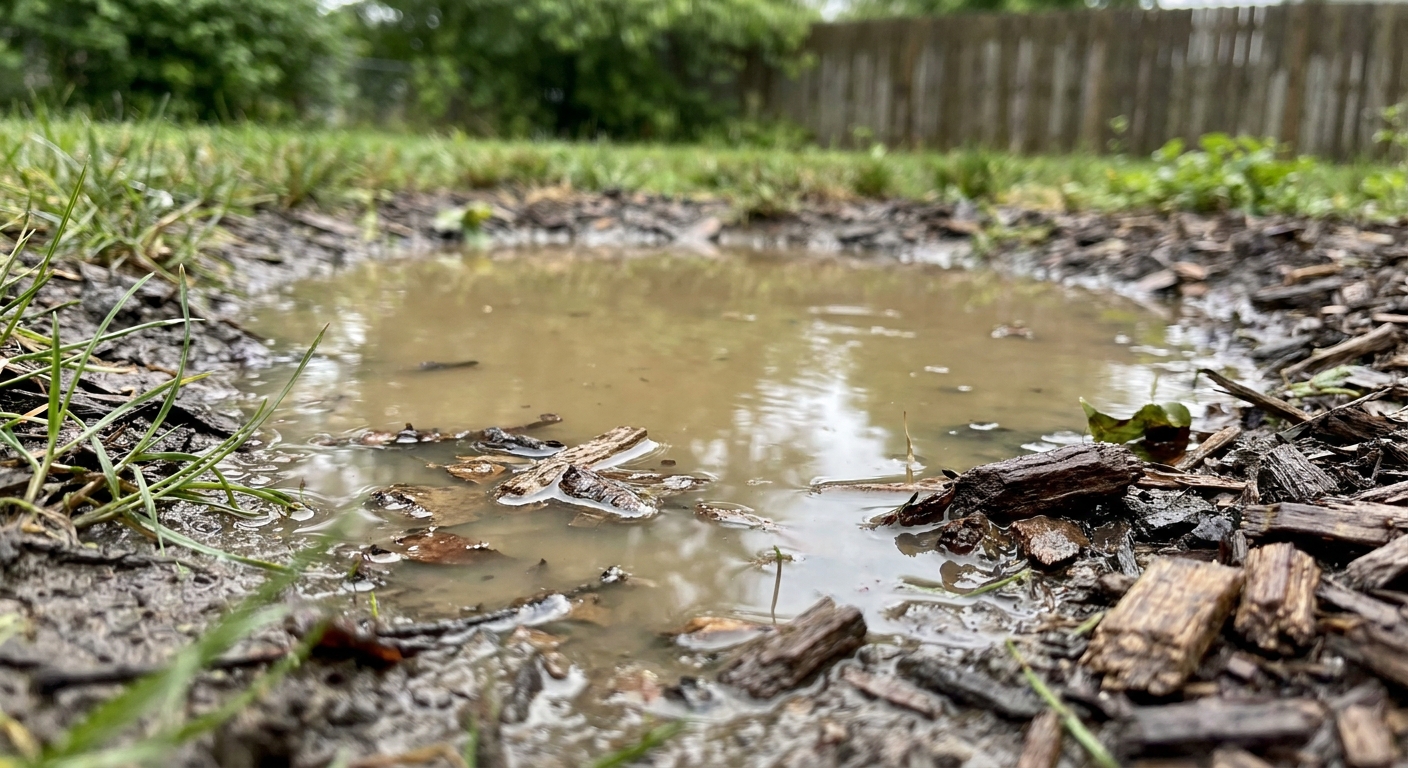
Fort Wayne's humid summers and clay-heavy soil create ideal conditions for mosquito breeding. Mosquitoes need standing water to reproduce—even small amounts. Our region's frequent rain and poor drainage patterns mean water sits in yards longer, giving mosquitoes the 7-10 day breeding cycle they need to establish populations. Understanding this cycle is the first step to effective control.
The most common Fort Wayne mosquito species thrive in warm, moist conditions from June through September. Female mosquitoes can lay up to 300 eggs at a time, which means one overlooked wet spot can become hundreds of biting insects within weeks.
How Can You Eliminate Standing Water in Your Yard?
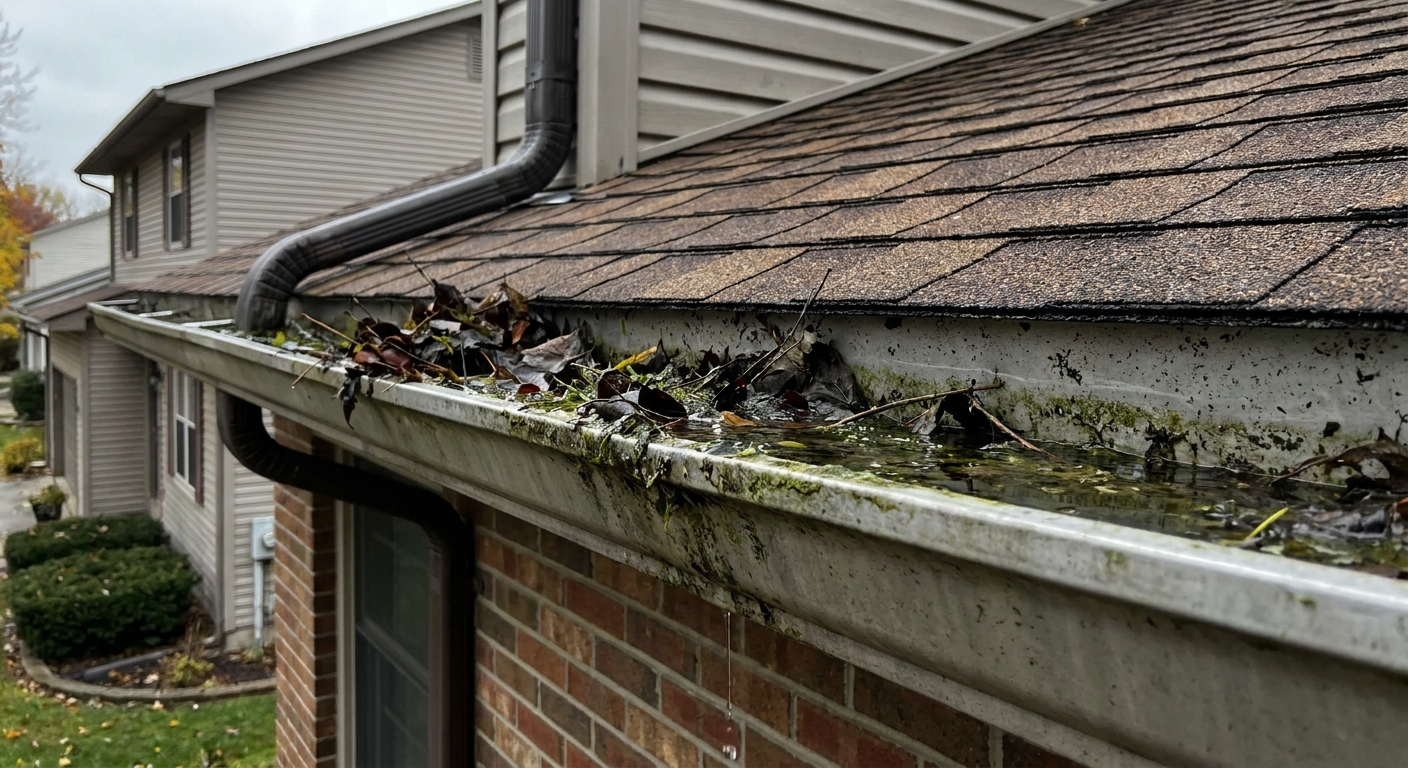
Standing water is the primary breeding ground for mosquitoes. Eliminating it immediately reduces populations by 80% or more. Walk your Fort Wayne property after rain and identify every puddle, clogged gutter, and collection point. This is the single most important mosquito control step you can take.
- Clean gutters and downspouts – Clogged gutters collect standing water that becomes mosquito nurseries. Clean them monthly during growing season.
- Fix low spots in the lawn – Compacted or poorly graded areas collect water. Consider professional grading and drainage solutions for chronic problem areas.
- Empty birdbaths and flower pots – Change water every 2-3 days. Mosquito larvae can develop in flower pot saucers.
- Check window wells – These collect debris and water. Install screens or drain plugs.
- Maintain proper pool maintenance – Chlorinated pools aren't breeding grounds, but neglected pools are. Keep filters running daily.
- Empty trash cans and planters – Even small amounts of water in tires, buckets, and cans support mosquito larvae.
Mosquitoes need water to breed—eliminate standing water, and you eliminate most of your mosquito problem. It's that simple.
What Landscaping Changes Improve Drainage?
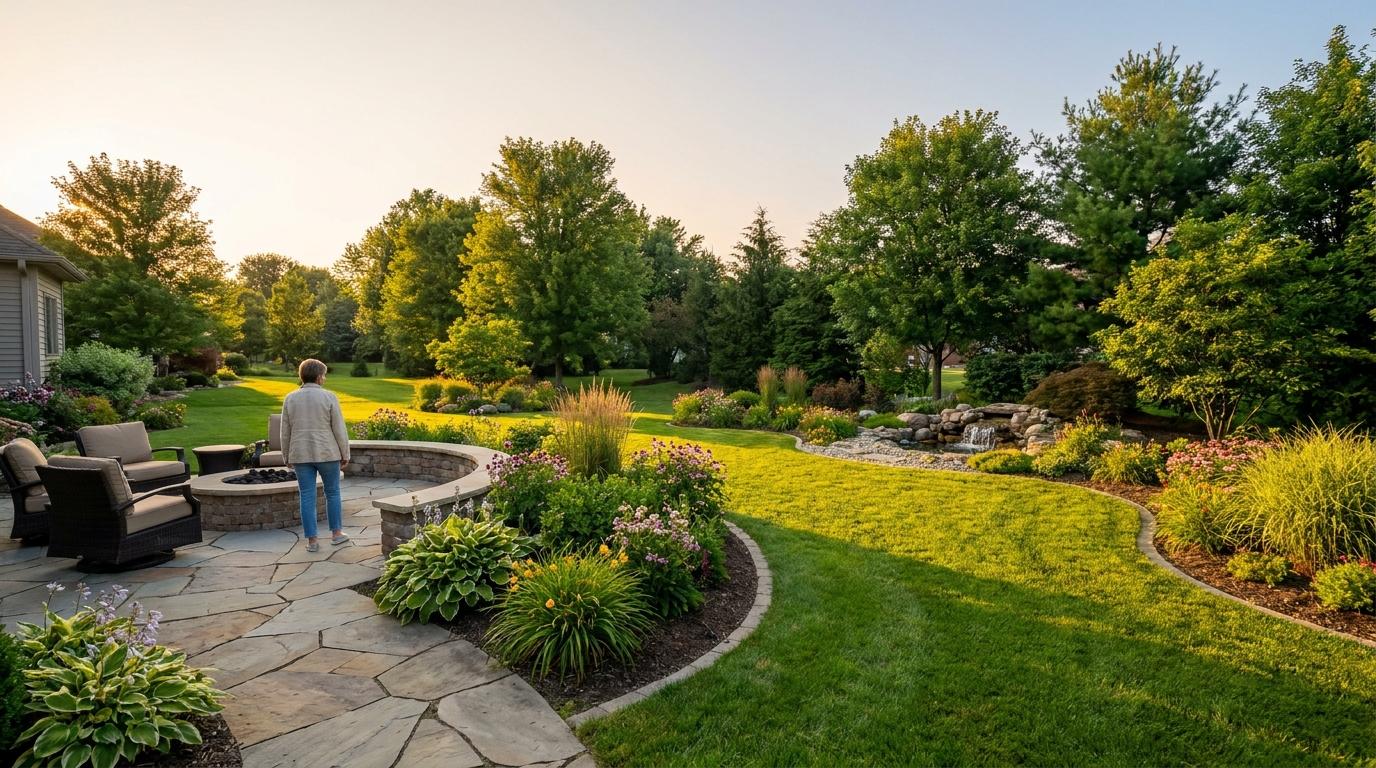
Poor drainage is endemic in Northeast Indiana due to heavy clay soil. If water regularly stands in your yard for more than a few hours after rain, professional drainage improvements become necessary. Strategic hardscaping and drainage work can transform a mosquito-prone yard into a dry, enjoyable outdoor space.
Grading and Slope Correction
Proper grading slopes lawn away from foundations and toward drainage points. Most Fort Wayne properties need 1-2% slope. If your yard is flat or slopes toward your home, water pools during normal rainfall. Professional grading redistributes soil to create proper drainage patterns.
Rain Gardens and Bioswales
These landscape features capture runoff and allow water to permeate the soil rather than pooling. A rain garden is a shallow, planted depression that drains completely within 24-48 hours—too fast for mosquito breeding. They're attractive landscaping elements that increase property value while solving drainage problems.
French Drains and Underground Drainage
For serious drainage issues, subsurface systems move water away from problem areas. French drains consist of perforated pipe buried in gravel-filled trenches. They're invisible but highly effective for low spots that collect water repeatedly.
Which Plants and Landscaping Choices Repel Mosquitoes?
While no plant completely repels mosquitoes, certain plants are less attractive to them and can reduce populations when combined with other control methods. Strategic planting also improves overall yard drainage and appearance.
Mosquito-resistant plants include:
- Lavender – Aromatic oils deter insects; thrives in well-drained soil
- Marigolds – Contain pyrethrin, a natural insecticide
- Citronella grass – Traditional mosquito deterrent (though less effective than people think)
- Basil – Culinary herb that also repels mosquitoes
- Catnip – Contains nepetalactone, which insects dislike
- Rosemary – Woody perennial with repellent properties
- Sage – Aromatic herb that deters flying insects
Plant these in well-drained areas and near outdoor seating zones. Avoid overwatering them, as wet soil attracts mosquitoes. Combine plantings with proper landscape design to maximize both mosquito control and curb appeal.
Should You Maintain Your Lawn More Frequently?
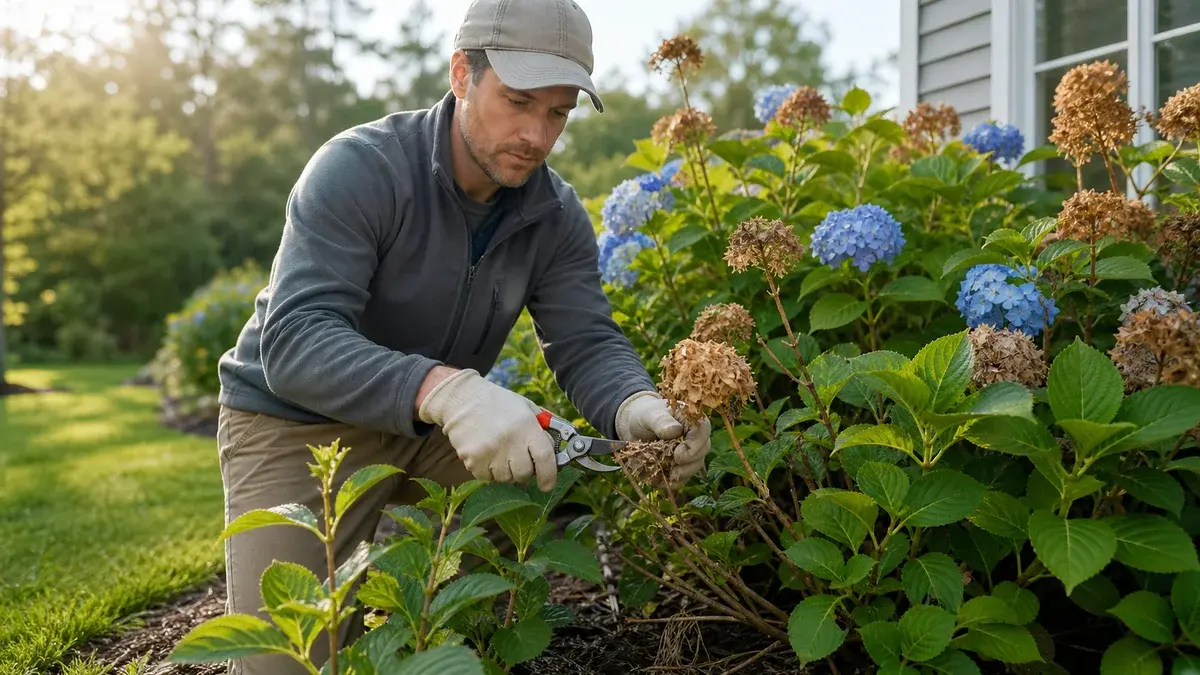
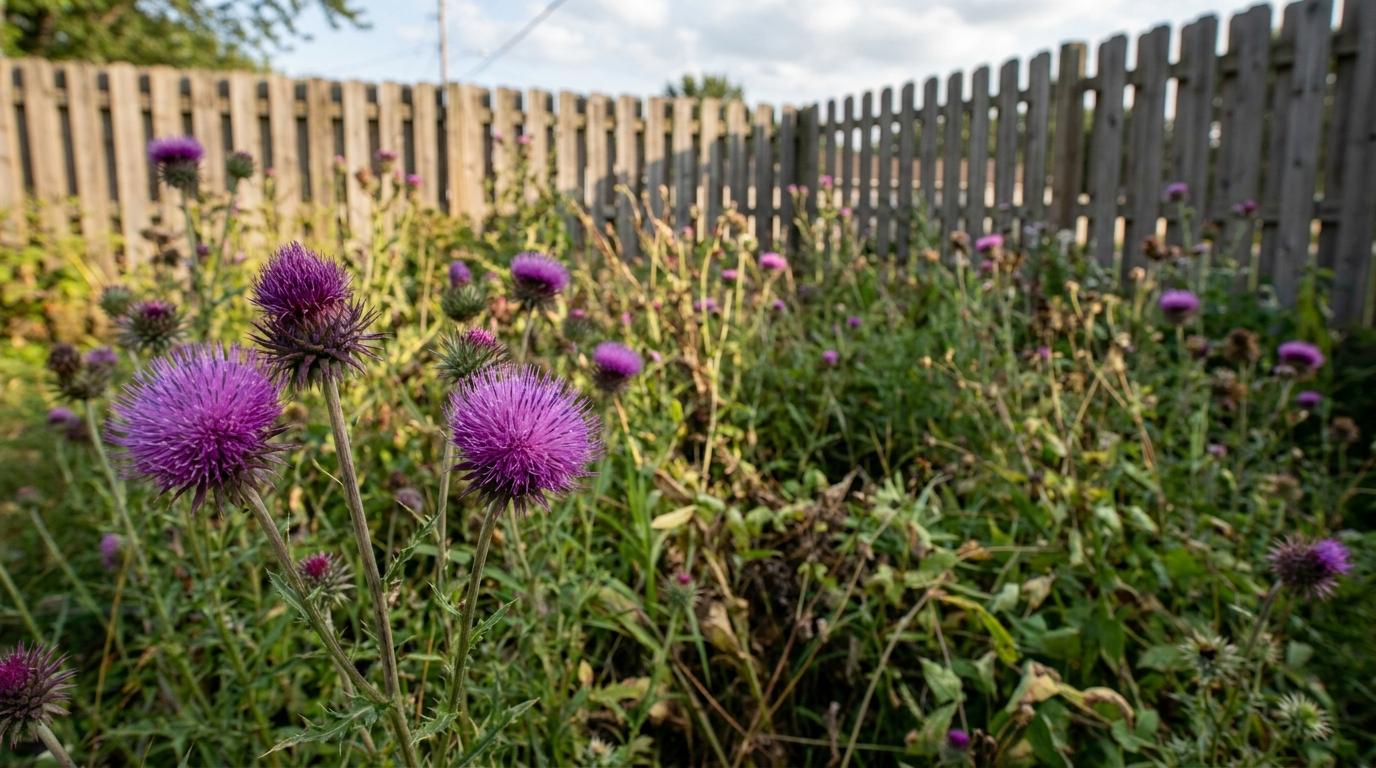
Yes. Mosquitoes rest in tall grass, weeds, and dense brush during the day. Regular lawn mowing and maintenance removes resting habitat, forcing mosquitoes to relocate. Keep grass 2-3 inches tall and remove weeds regularly. Trim shrubs and tree branches so sunlight reaches the lawn—mosquitoes prefer shaded, humid areas.
Weekly lawn care practices that reduce mosquitoes:
- Mow grass to 2.5-3 inches weekly during growing season
- Remove dead leaves and organic debris where mosquitoes hide
- Prune tree branches to improve air circulation
- Clear weeds from landscape beds
- Keep mulch depth to 2-3 inches (excessive mulch stays moist)
When Should You Consider Professional Treatment?
If you've eliminated standing water, improved drainage, and adjusted landscaping but still have mosquito problems, professional intervention may help. Mosquito control sprays work best as a final layer after you've addressed environmental factors. They're not a substitute for eliminating breeding habitat.
Fort Wayne pest control professionals can assess your specific situation and recommend targeted treatments. However, remember that year-round chemical treatments require ongoing investment and multiple applications during summer months. Most successful mosquito control starts with the fundamentals: water removal, drainage, and landscaping.
The best mosquito control strategy is preventative. By eliminating standing water, improving drainage, maintaining your lawn, and choosing mosquito-resistant plants, you can enjoy your Fort Wayne yard without constant buzzing interruptions. Most homeowners see 70-90% mosquito reduction within 2-3 weeks of implementing these changes.
If your yard has persistent drainage problems or needs professional grading work, the team at Minnick Lawn & Landscaping can help. We've designed and installed countless drainage solutions across Northeast Indiana that solve both mosquito problems and water damage concerns. Request a free quote today to learn how we can transform your yard into a mosquito-free outdoor oasis.