“Trimming” and “pruning” are often used interchangeably, but in professional tree care, they describe different objectives. Trimming focuses on appearance and clearance—shaping hedges, cutting back overgrowth. Pruning focuses on tree health and structure—removing dead wood, correcting form, managing risk. Understanding the difference helps you communicate needs and ensure your trees get proper care.

What’s the Main Difference Between Trimming and Pruning?
Trimming primarily addresses aesthetics and clearance—maintaining shape, controlling size, and keeping growth away from structures. Pruning addresses health and structure—removing dead, diseased, or dangerous branches, improving form, and managing long-term tree development. Both involve cutting, but the goals and techniques differ.
Quick Comparison
| Aspect | Trimming | Pruning |
|---|---|---|
| Primary goal | Appearance, clearance | Health, structure |
| Focus | Shape, size | Branch selection |
| Timing | Often seasonal | Year-round possible |
| Tools | Often hedge trimmers | Hand saws, loppers |
| Skill level | Basic to moderate | Moderate to expert |
| Common on | Shrubs, hedges | Trees, shrubs |
What Does Tree Trimming Involve?
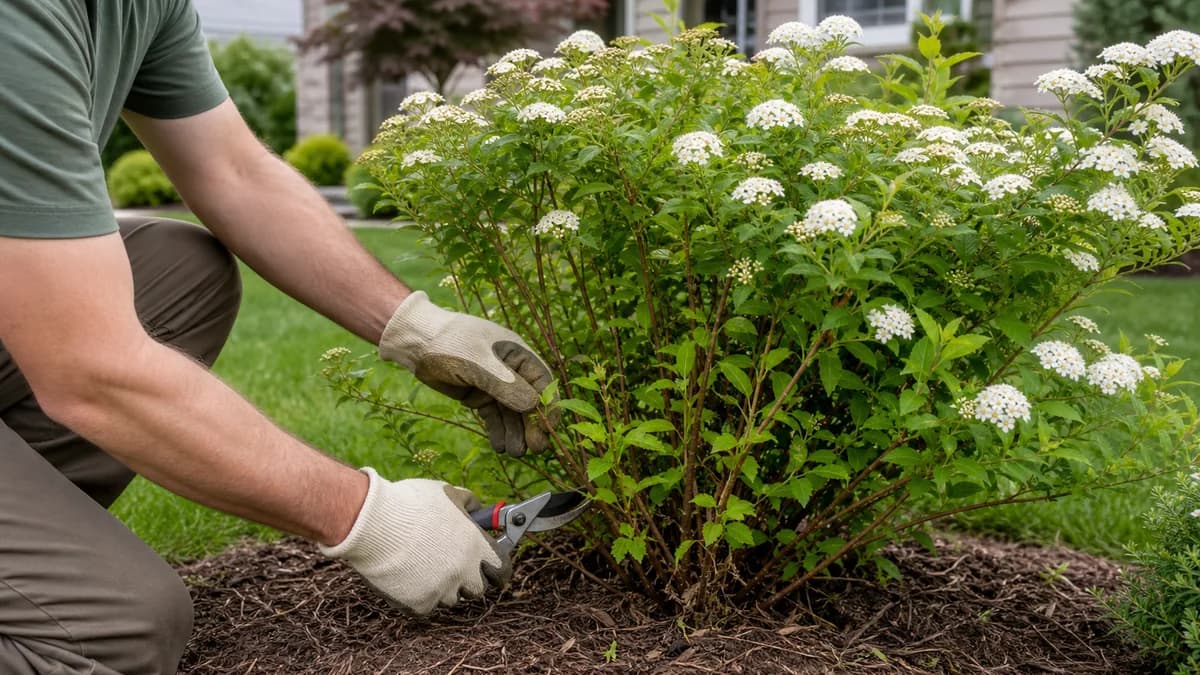
Trimming typically means cutting back growth to maintain desired size and shape, clear structures, or improve appearance. For hedges and shrubs, trimming often uses powered hedge trimmers. For trees, trimming usually refers to cutting branches for clearance rather than structural purposes.
Common Trimming Tasks
- Shaping hedges
- Cutting back overgrown shrubs
- Clearing branches from roofs/gutters
- Maintaining desired tree size
- Improving curb appeal
Trimming characteristics:
- Often shears multiple stems
- May not target specific branches
- Focuses on outer canopy
- Regular, seasonal timing
- Aesthetic priority
What Does Tree Pruning Involve?
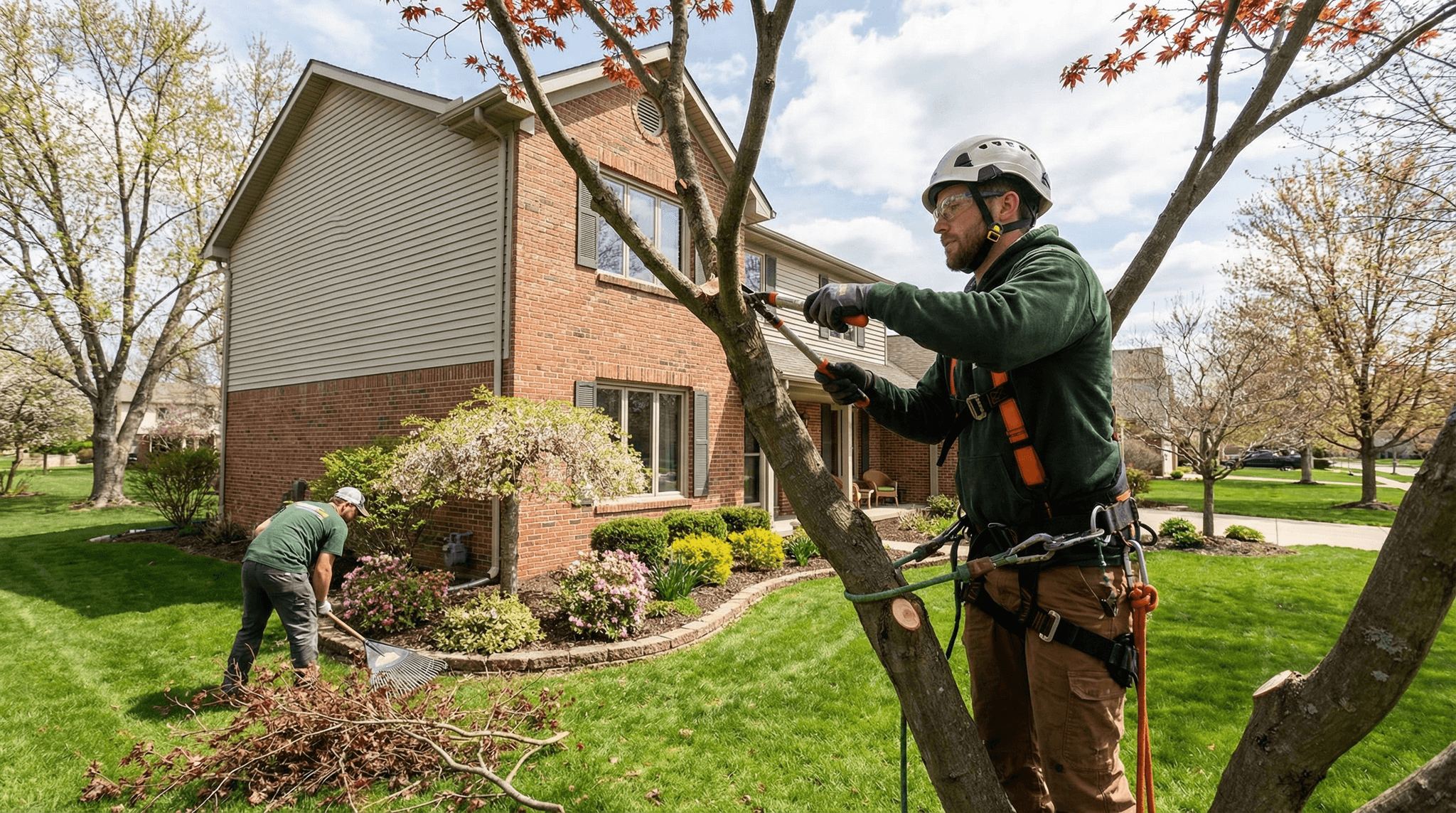
Pruning selectively removes specific branches to improve tree health, structure, or safety. Proper pruning considers the tree’s biology—where and how to cut, what to remove, how much to remove—to achieve goals without harming the tree.
Pruning Objectives
| Objective | Description |
|---|---|
| Deadwood removal | Remove dead/dying branches |
| Crown cleaning | Remove dead, diseased, crossing branches |
| Crown thinning | Reduce density, improve light/air |
| Crown raising | Remove lower branches for clearance |
| Crown reduction | Reduce height/spread carefully |
| Structural pruning | Improve form, address defects |
Pruning Priorities
Health pruning:
- Remove dead wood
- Eliminate diseased branches
- Address pest problems
- Improve air circulation
Structural pruning:
- Correct co-dominant stems
- Address included bark
- Establish central leader
- Space scaffold branches
Risk reduction:
- Remove hazard branches
- Reduce end weight
- Address failure-prone unions
- Clear targets

When Should You Prune Trees?
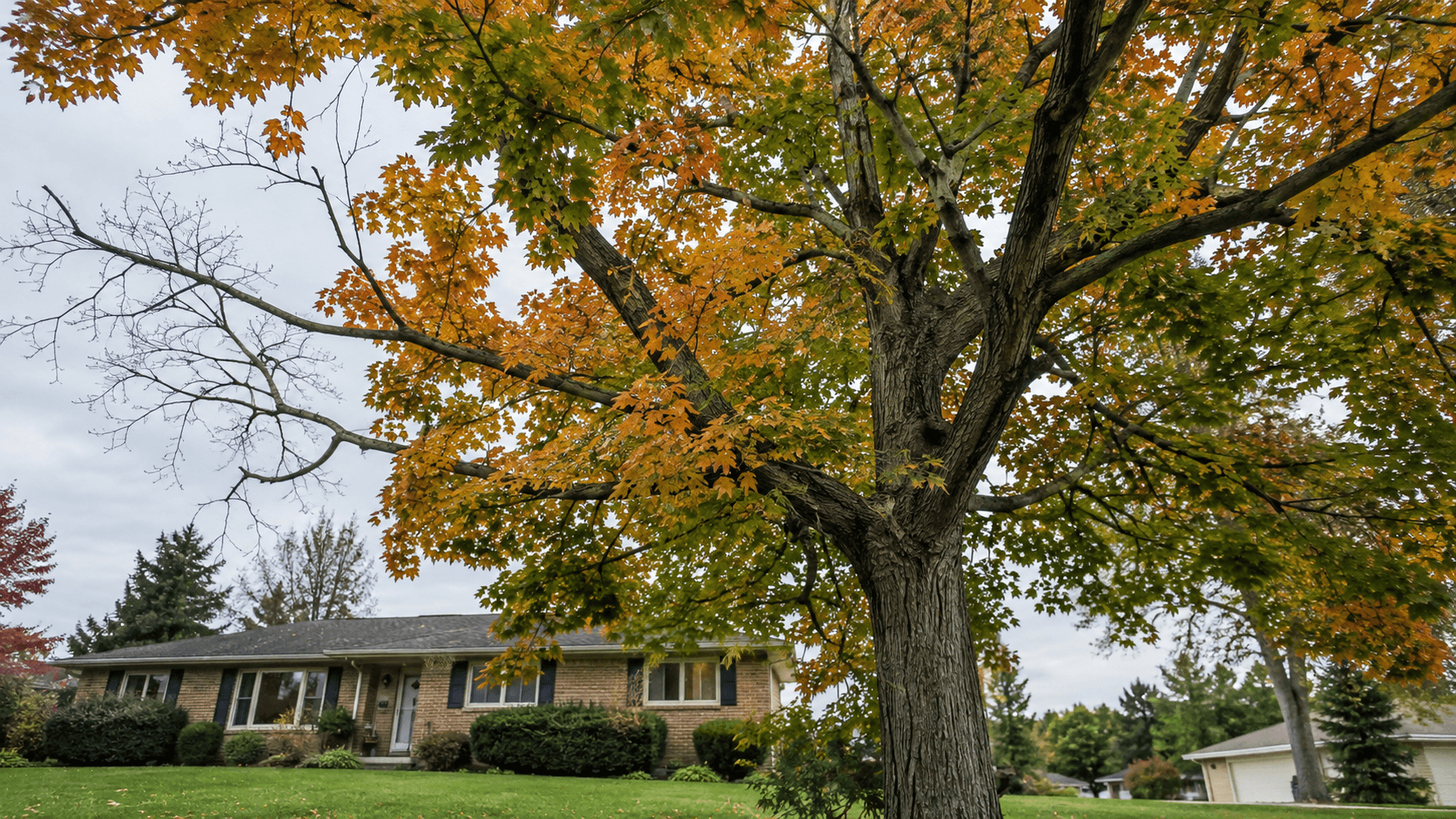
Most trees can be pruned year-round for dead, diseased, or hazardous branches. For general pruning, timing depends on species and goals. Late dormant season (late winter/early spring) works well for most deciduous trees, while spring-flowering trees should be pruned after blooming.
Pruning Timing Guide
| Tree Type | Best Timing | Why |
|---|---|---|
| Most deciduous | Late winter | Before growth flush |
| Spring bloomers | After flowering | Don’t remove flower buds |
| Summer bloomers | Late winter | Bloom on new growth |
| Oaks | Winter only | Oak wilt prevention |
| Elms | Winter only | Dutch elm disease |
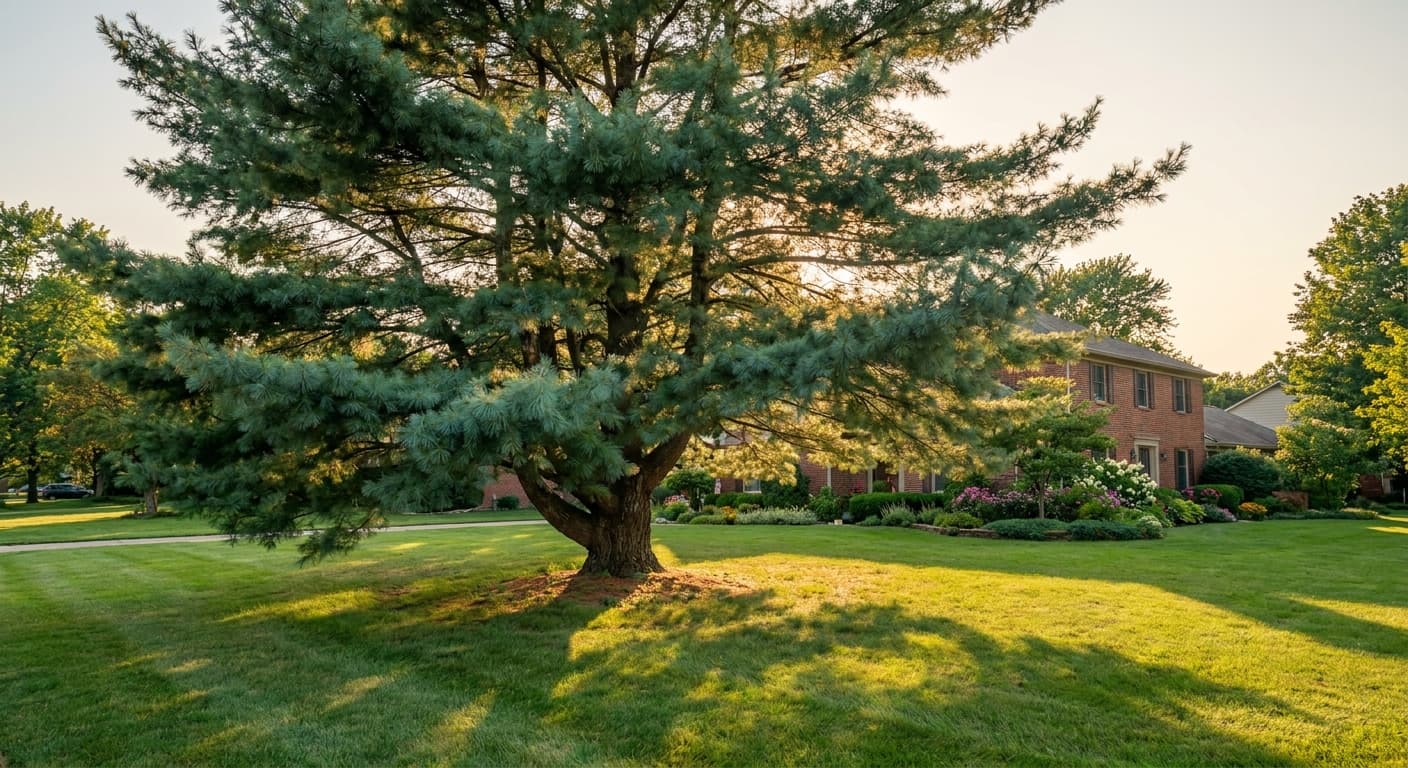
| Conifers | Late winter or summer | Depends on goals |
Avoid Pruning
- During active growth (spring flush)
- In fall (wounds heal slowly)
- During drought stress
- When trees are weakened
How Much Can You Prune at Once?
The general guideline limits pruning to 25% of live foliage in one season, though less is often better. Removing too much stresses trees, triggers excessive sprouting, and can cause decline. Young trees tolerate more aggressive pruning than mature trees.
Pruning Limits
| Tree Age | General Limit | Notes |
|---|---|---|
| Young (under 10 yr) | Up to 25% | Establish structure |
| Mature | 15-20% | Less is more |
| Stressed | 5-10% | Only necessary cuts |
| Declining | Minimal | Focus on safety |
What’s the Right Way to Make Pruning Cuts?
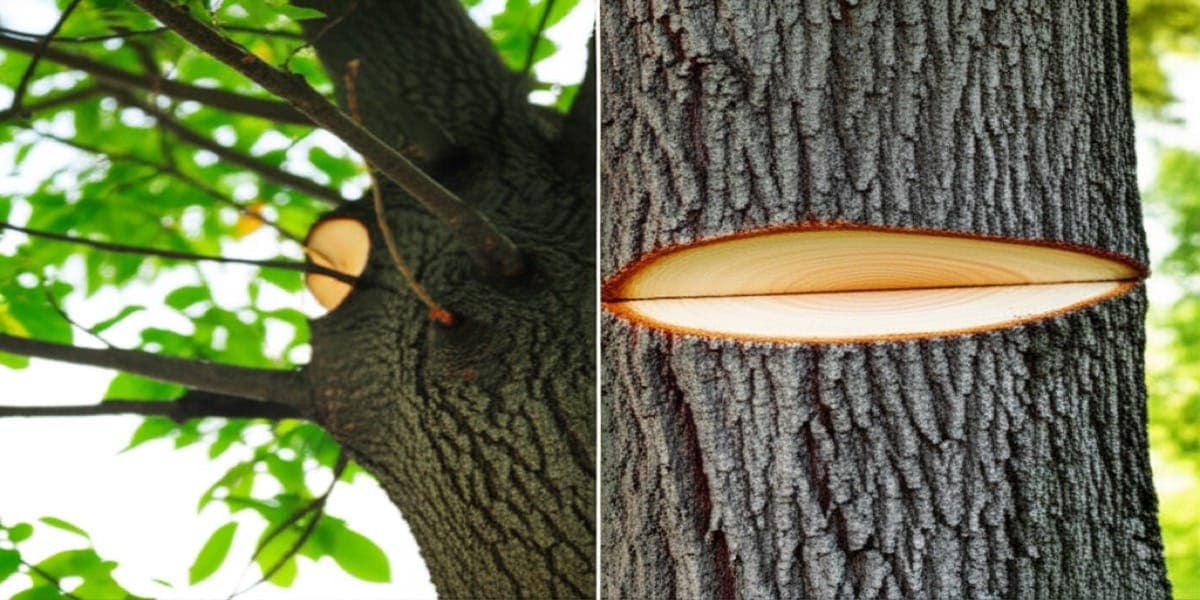
Proper pruning cuts preserve the branch collar (the swollen area at the branch base) and avoid leaving stubs. The three-cut method prevents bark tearing on larger branches. Cuts heal from the edges—never use wound paint or sealers.
Proper Technique
Branch removal (3-cut method):
- Undercut 12-18" from trunk
- Top cut slightly farther out
- Final cut at branch collar
Key principles:
- Preserve branch collar
- No flush cuts
- No stubs
- Clean, sharp tools
- No wound paint

What Tools Are Used for Each?
Trimming often uses powered hedge trimmers for efficiency on shrubs. Pruning uses hand tools—loppers, hand saws, and pole pruners—that allow precise, individual cuts on specific branches.
Tool Comparison
| Task | Tools |
|---|---|
| Hedge trimming | Powered hedge trimmer |
| Shrub shaping | Hedge shears, loppers |
| Tree pruning | Hand saw, loppers, pole pruner |
| Large branch removal | Chainsaw (professional) |
Quality matters:
- Sharp blades make clean cuts
- Dull tools crush tissue
- Clean tools prevent disease spread
- Right size for the job
What Happens With Improper Pruning?
Bad pruning causes lasting damage. Topping—cutting branches back to stubs—is the most harmful practice, creating weak regrowth, decay, and long-term problems. Lion’s tailing (removing interior branches) and flush cuts also harm trees.
Harmful Practices
| Practice | Problem |
|---|---|
| Topping | Weak sprouts, decay, stress |
| Flush cuts | Trunk decay |
| Stubs | Decay entry points |
| Over-thinning | Sunscald, sprouts |
| Lion’s tailing | Branch failure |
Should You DIY or Hire a Professional?
Small shrubs and hedge trimming are reasonable DIY projects. Tree pruning, especially on larger trees or near structures, is best left to professionals with training, equipment, and insurance.
When to Call a Pro
- Trees taller than you can reach safely
- Branches over 4" diameter
- Near power lines
- Near structures
- Structural pruning
- Hazard assessment
Our tree care services provide professional pruning throughout Fort Wayne.
Request a Free Quote or call us at (260) 450-4676 for tree pruning service.
Frequently Asked Questions
How often should trees be pruned?
Young trees benefit from pruning every 2-3 years to establish structure. Mature trees may need pruning every 3-5 years for maintenance.
Will pruning hurt my tree?
Proper pruning, following best practices and limits, benefits trees. Improper pruning causes lasting harm.
Can pruning save a declining tree?
Pruning can remove dead and diseased parts, but it can’t fix underlying problems like root damage or environmental stress.
Adam Minnick is the owner of Minnick Lawn & Landscaping, serving Fort Wayne, Auburn, and Northeast Indiana since 2018.