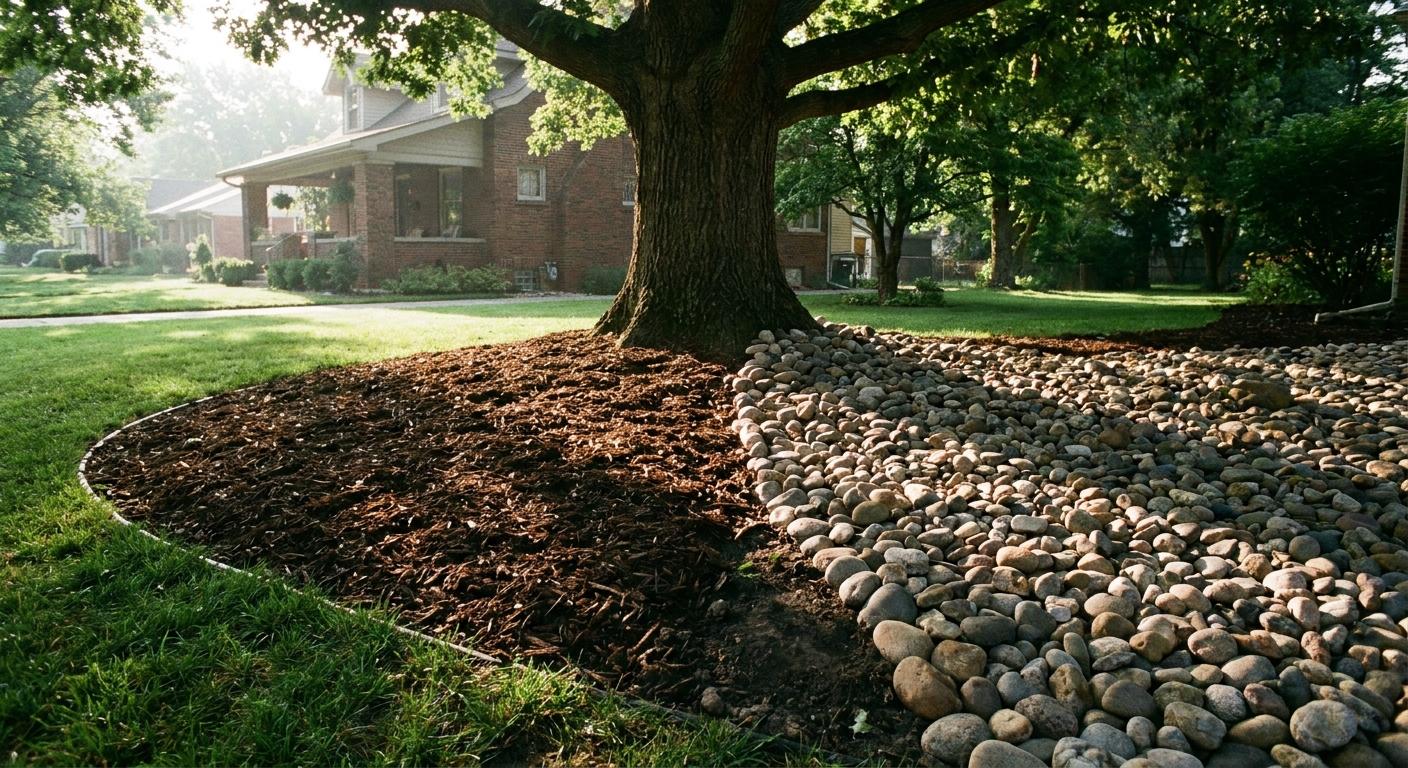
When it comes to protecting and beautifying the area around your trees, Fort Wayne homeowners often ask: should I use rock or mulch? Both materials have distinct advantages and drawbacks depending on your climate, soil conditions, and landscaping goals. The best choice depends on your specific needs—whether you prioritize moisture retention, aesthetics, weed control, or long-term cost savings.
What Are the Key Differences Between Rock and Mulch?
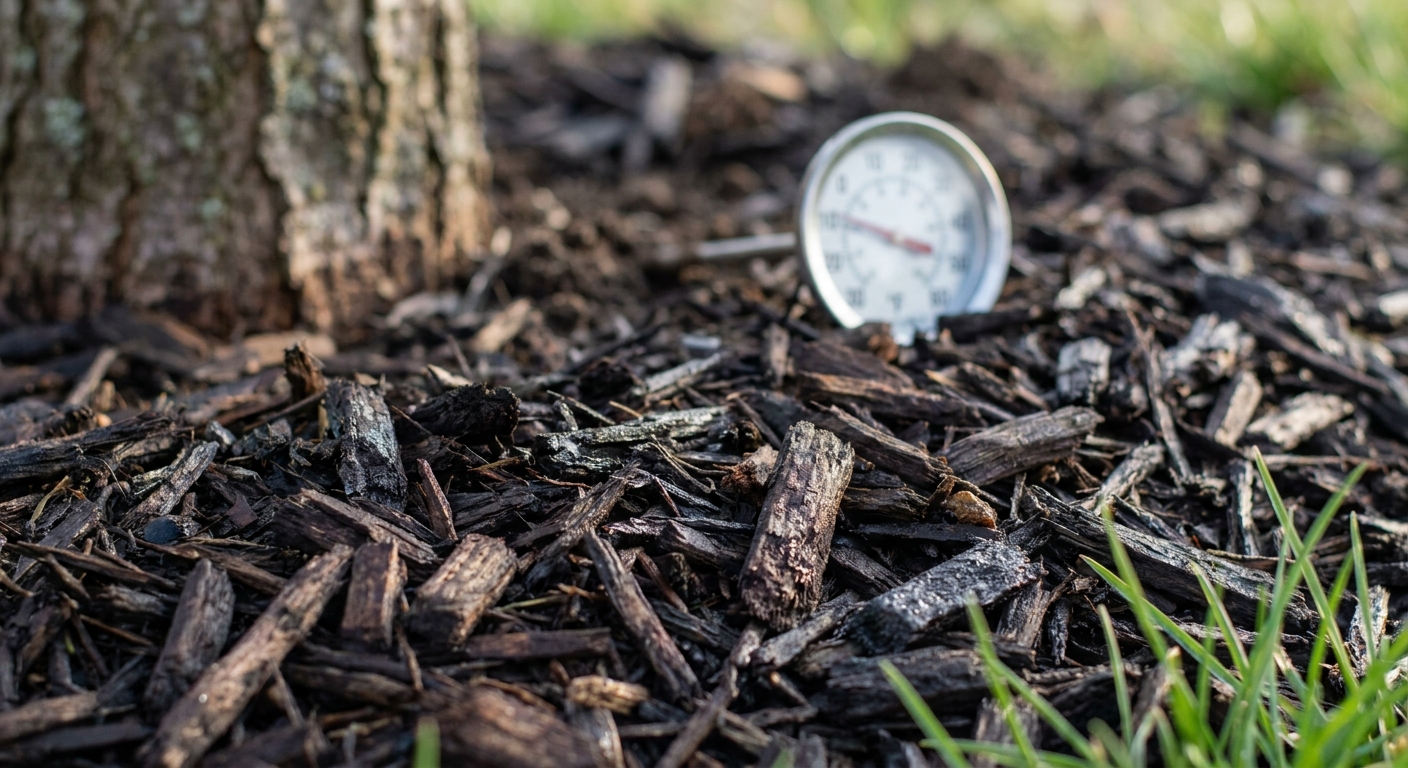
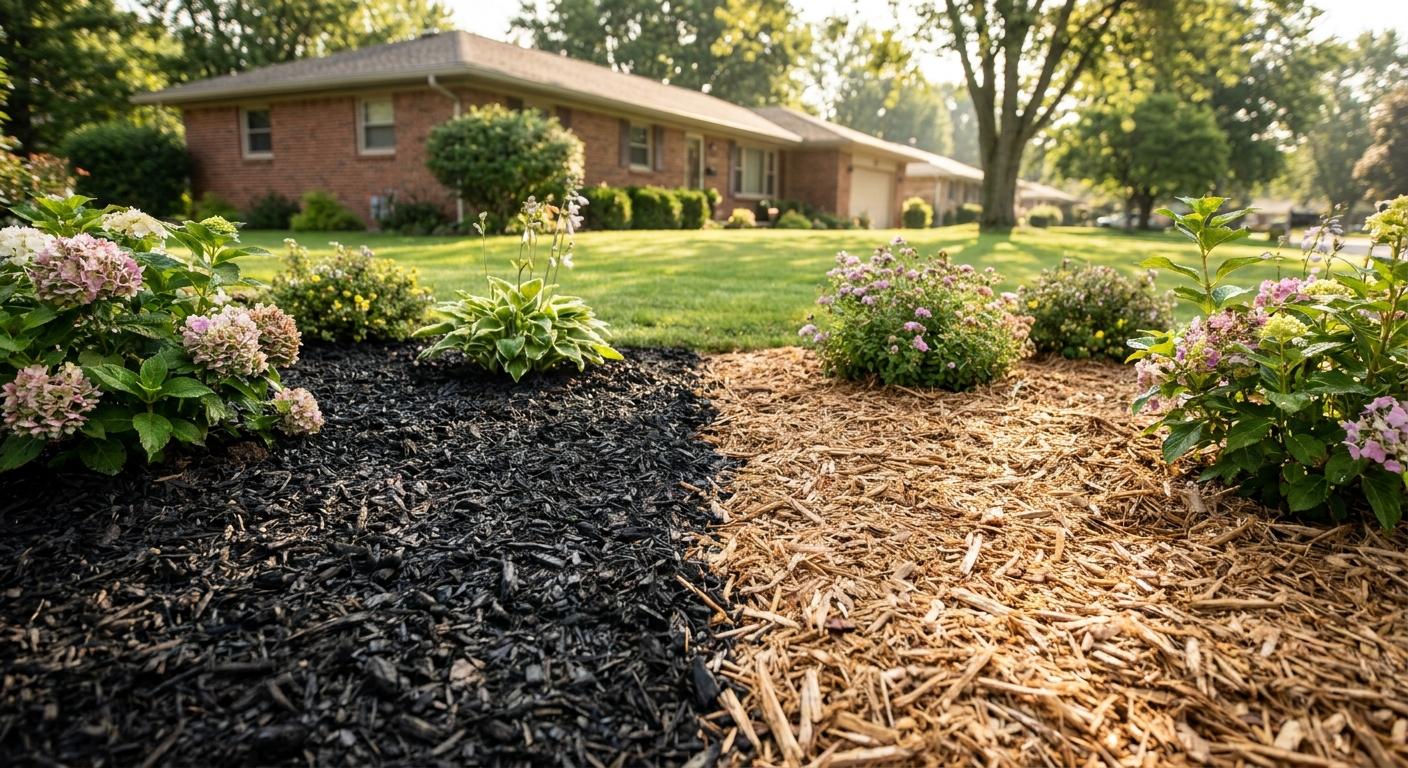
Rock and mulch serve similar purposes—suppressing weeds, regulating soil temperature, and defining tree beds—but they work very differently. Mulch is organic material that breaks down over time, enriching your soil and creating a natural appearance. Rock is inorganic, permanent, and requires no replacement, making it a one-time investment for many homeowners in Northeast Indiana.
Understanding these core differences helps clarify which material fits your landscaping vision:
- Mulch is made from wood chips, bark, or shredded wood that decomposes naturally
- Rock includes river rock, crushed stone, or decorative pebbles that never break down
- Mulch requires annual replenishment; rock requires only occasional raking
- Mulch enriches soil with organic matter; rock does not improve soil composition
- Rock reflects heat and can warm soil; mulch insulates and keeps soil cool
Does Mulch or Rock Better Protect Trees in Fort Wayne's Climate?
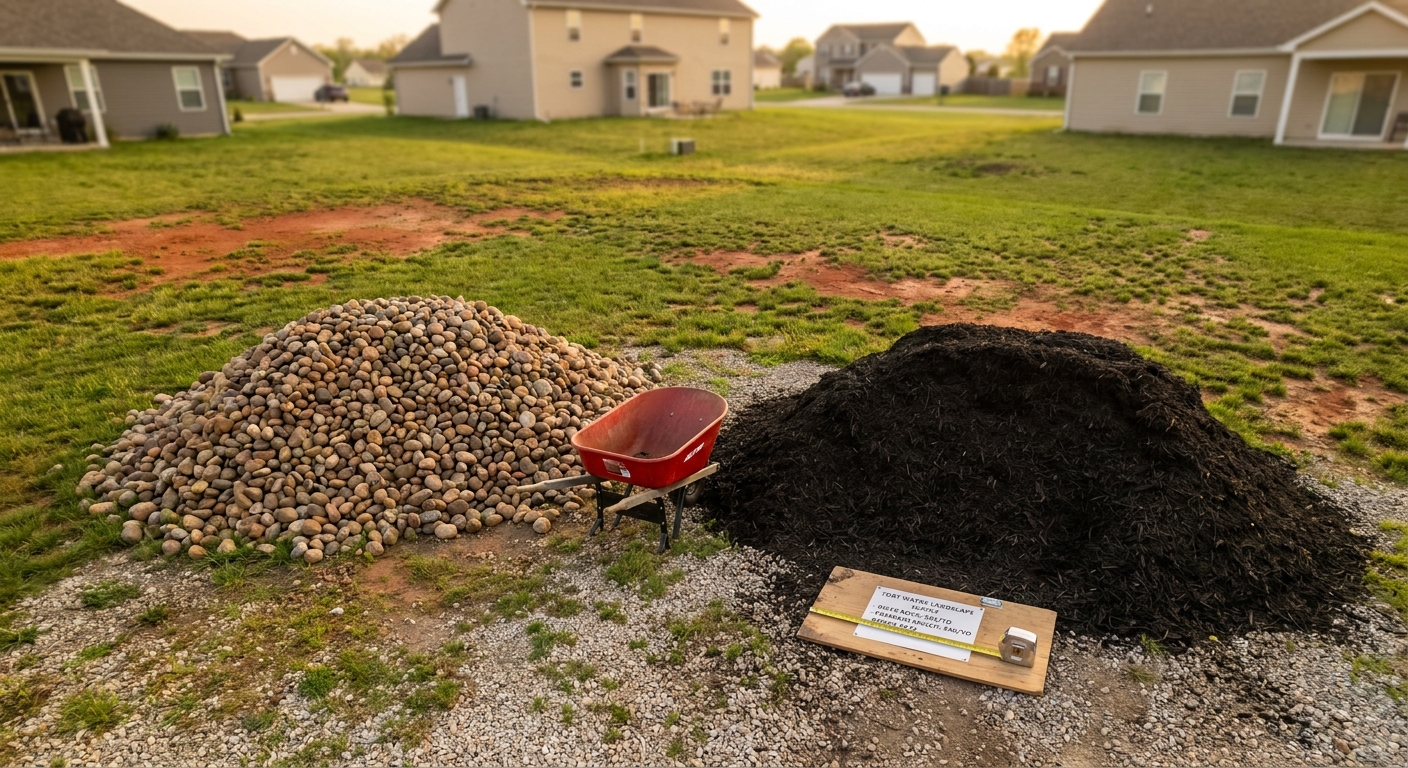
Fort Wayne and Northeast Indiana experience USDA Zone 5b winters with clay-heavy soil that retains moisture inconsistently. Mulch excels in these conditions because it moderates soil temperature fluctuations, retains water during dry spells, and breaks down to improve poor clay soil over time. Rock, while durable, provides no soil enrichment and can absorb summer heat excessively, potentially stressing tree roots during hot spells.
For tree health specifically:
- Moisture retention: Mulch holds water 2-3 times longer than bare soil, critical for Fort Wayne's variable spring rainfall
- Soil structure: Decomposing mulch creates better soil porosity, helping water penetrate clay soil
- Root zone insulation: Mulch keeps roots cooler in summer and warmer in winter
- Nutrient cycling: As mulch breaks down, it feeds beneficial soil microbes that support tree growth
- Winter protection: A 3-4 inch mulch layer protects shallow roots from frost heave in harsh Northeast Indiana winters
Mulch is the clear winner for tree health in Fort Wayne's clay-based soil and fluctuating climate. While rock looks clean, it doesn't improve the soil conditions your trees depend on.
What Are the Cost and Maintenance Differences?
Cost analysis matters when choosing between rock and mulch for your Fort Wayne landscape. While rock costs more upfront, mulch requires annual top-ups. Our mulch delivery and installation service makes it affordable to maintain year-round, and the long-term investment in soil health pays dividends.
Mulch costs and maintenance:
- Initial cost: $3-$6 per cubic yard delivered in Fort Wayne
- Annual replenishment: Every 12-18 months as material breaks down
- Maintenance: Occasional raking and monitoring for displacement
- Total 5-year cost: $150-$250 for a typical 4' x 10' tree bed
Rock costs and maintenance:
- Initial cost: $8-$15 per ton (40-50% more than premium mulch)
- Replenishment: Once every 5-10 years, if at all
- Maintenance: Monthly raking to remove organic debris, annual power washing
- Total 5-year cost: $200-$300, but lower long-term
Can Rock or Mulch Cause Problems for Trees in Northeast Indiana?
Both materials can harm trees if installed incorrectly, and Fort Wayne's moist climate makes proper application essential. The most common mistake is piling mulch against the tree trunk, which traps moisture and invites disease. Rock brings different risks: it concentrates heat around roots, compacts soil, and provides no soil improvement—issues that worsen over time in Northeast Indiana's clay-heavy landscapes.
Potential problems to avoid:
- Mulch volcano: Piling mulch against the trunk creates rot and pest habitat—leave 6 inches of clearance around the base
- Excessive depth: More than 4 inches of mulch can suffocate roots and attract termites
- Rock compaction: Heavy rock crushes soil structure, reducing water infiltration in clay soil
- Heat stress from rock: In Fort Wayne's hot summers, rock-surrounded trees experience root stress
- Rock displacement: Seasonal freeze-thaw cycles in Northeast Indiana shift rock, exposing soil
Which Material Works Best for Fort Wayne Landscaping Aesthetics?
Aesthetics are personal, but each material serves different design goals. Mulch provides a natural, warm appearance that complements residential Fort Wayne landscapes and blends into wooded settings. Rock offers a cleaner, more contemporary look and works well in modern or xeriscaping designs, though it's less common in Northeast Indiana's traditional residential areas.
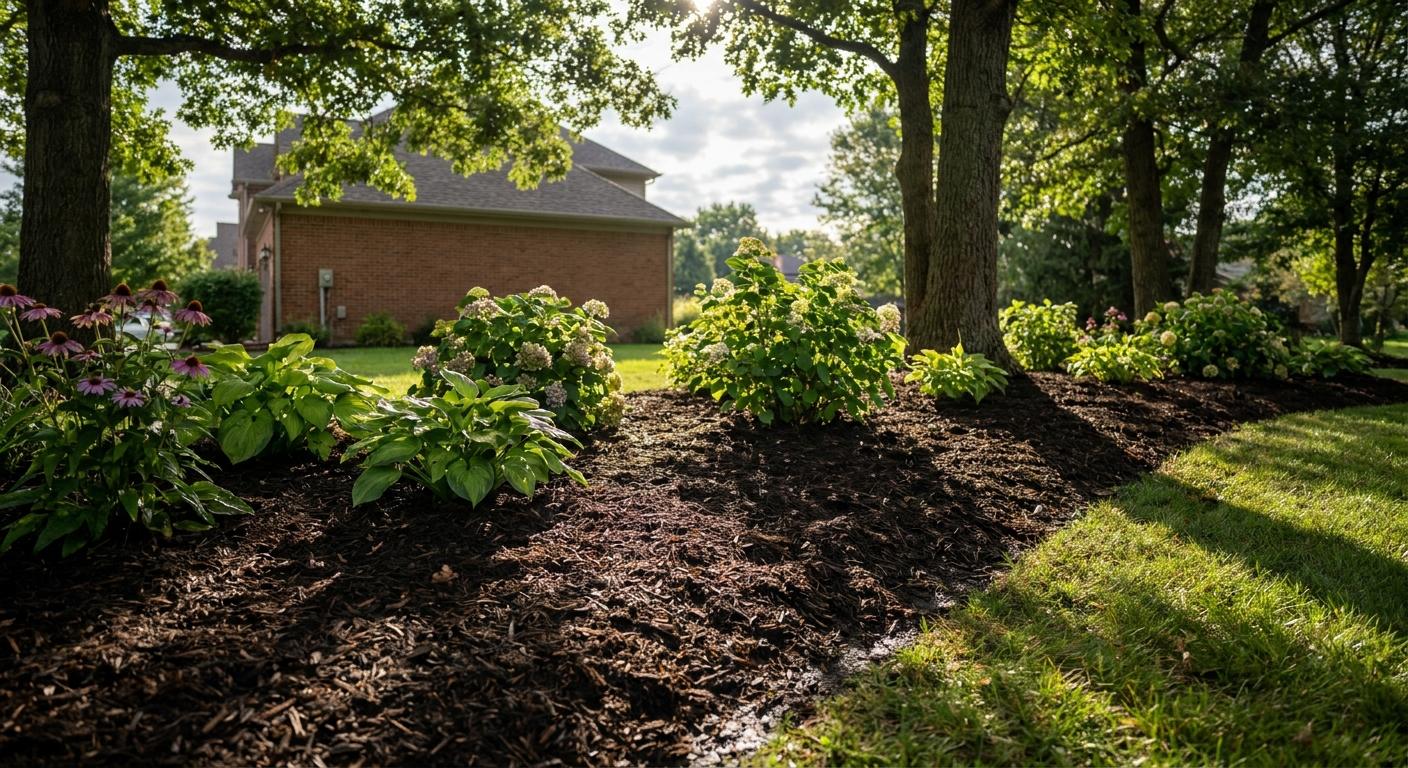
Consider your home's style and neighborhood when deciding. Most Fort Wayne homes look better framed by natural mulch, which softens landscape beds and creates a cohesive appearance with tree canopies above. Rock suits specialty designs—Japanese gardens, modern minimalist yards, or commercial properties—but can look out of place in traditional residential settings.
What's the Best Choice for Your Fort Wayne Trees?
For most Northeast Indiana homeowners, mulch is the superior choice. It protects tree health, improves poor clay soil, costs less over time, and looks more natural in residential landscapes. Rock may appeal to those prioritizing minimal maintenance, but the trade-off—sacrificing soil health and tree vitality—isn't worth it in Fort Wayne's climate.
If you're unsure about your specific trees or soil conditions, Minnick Lawn & Landscaping can assess your yard and recommend the best solution. We provide professional mulch delivery and installation throughout Fort Wayne and Auburn, and our team knows Northeast Indiana's unique soil challenges intimately. Ready to protect your trees properly? Request a free quote today, and let's create a landscape that supports healthy, thriving trees for years to come.