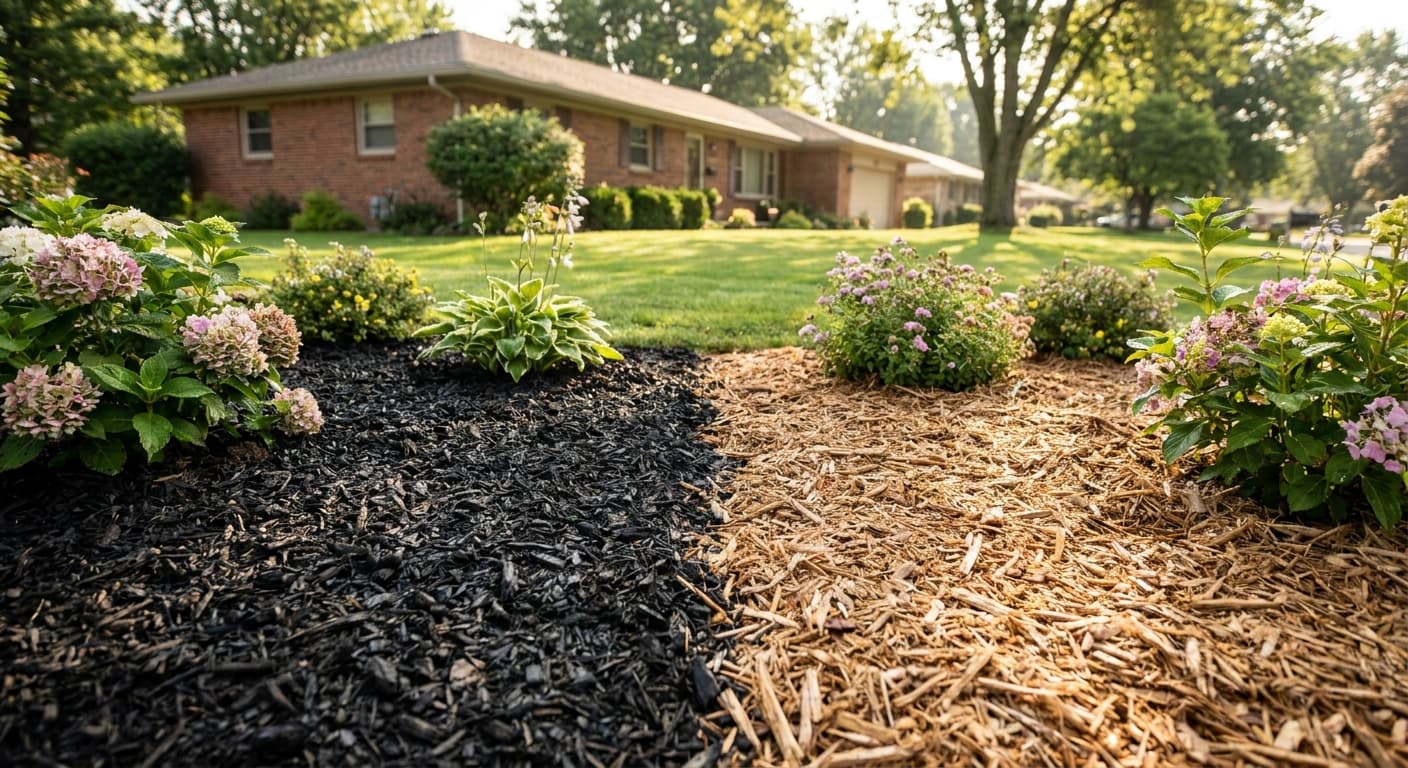
Rubber mulch has become an increasingly popular landscaping choice in Fort Wayne and Northeast Indiana, offering distinct advantages over traditional wood mulch—but it's not without drawbacks. Understanding the real pros and cons helps you make an informed decision for your garden beds, playgrounds, or pathways.
What Are the Main Advantages of Rubber Mulch?
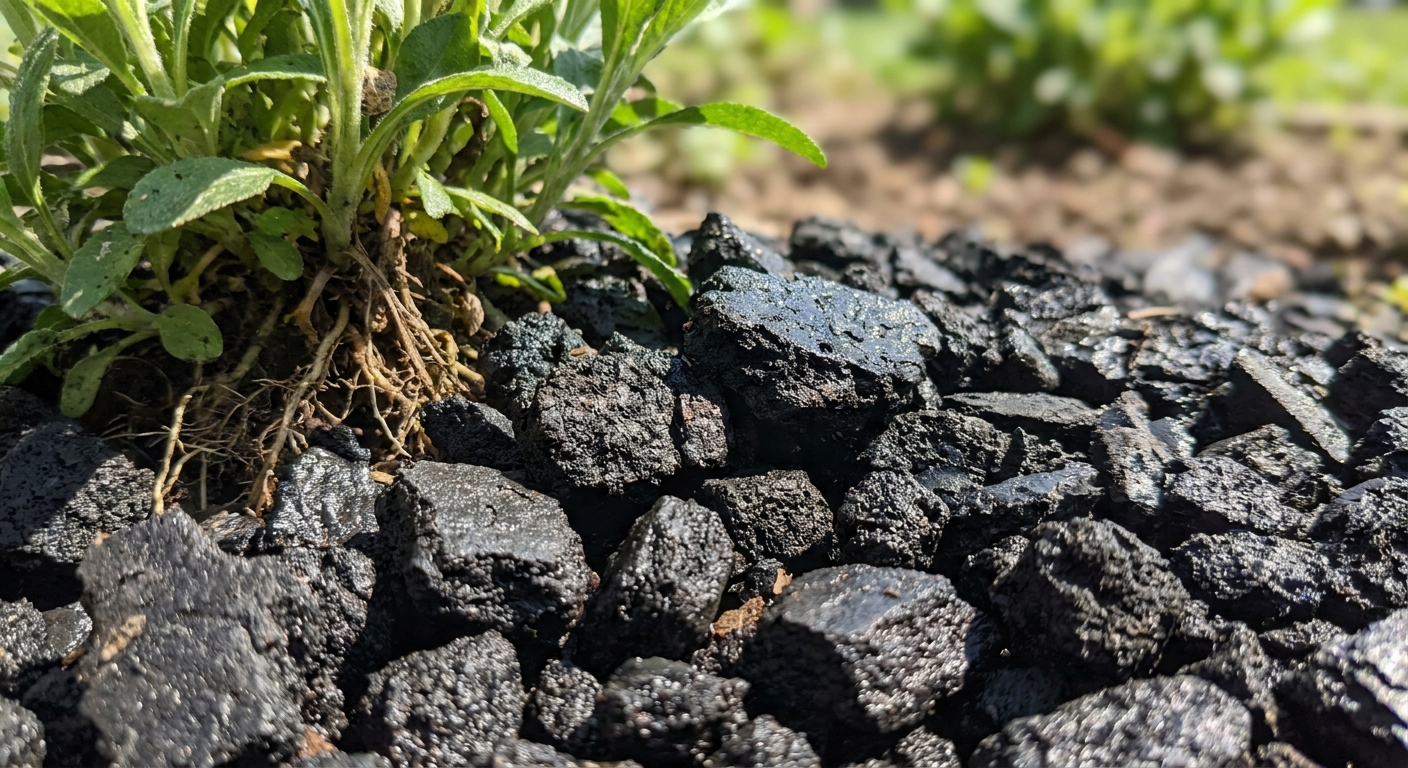
Rubber mulch excels in durability and requires minimal maintenance compared to wood alternatives. Made from recycled tire rubber, it resists decomposition, lasts 8-10 years or longer, and doesn't need frequent replacement—saving you time and money over time in Northeast Indiana's variable climate.
Longevity and Cost-Effectiveness Over Time
While rubber mulch costs more upfront ($0.50–$1.00 per pound versus $0.10–$0.30 for wood mulch), the long lifespan makes it economical. You won't need to reapply it annually like wood mulch, which breaks down rapidly in Fort Wayne's humid summers and freeze-thaw winters. A single application can protect your landscape for nearly a decade.
Weed Suppression and Pest Resistance
Rubber mulch creates an effective barrier against weeds and doesn't harbor insects, fungi, or termites the way decomposing wood mulch can. This is especially valuable in Northeast Indiana gardens where wood-boring pests thrive. You'll spend less time weeding and less money on pest control treatments.
Safety Benefits for Play Areas
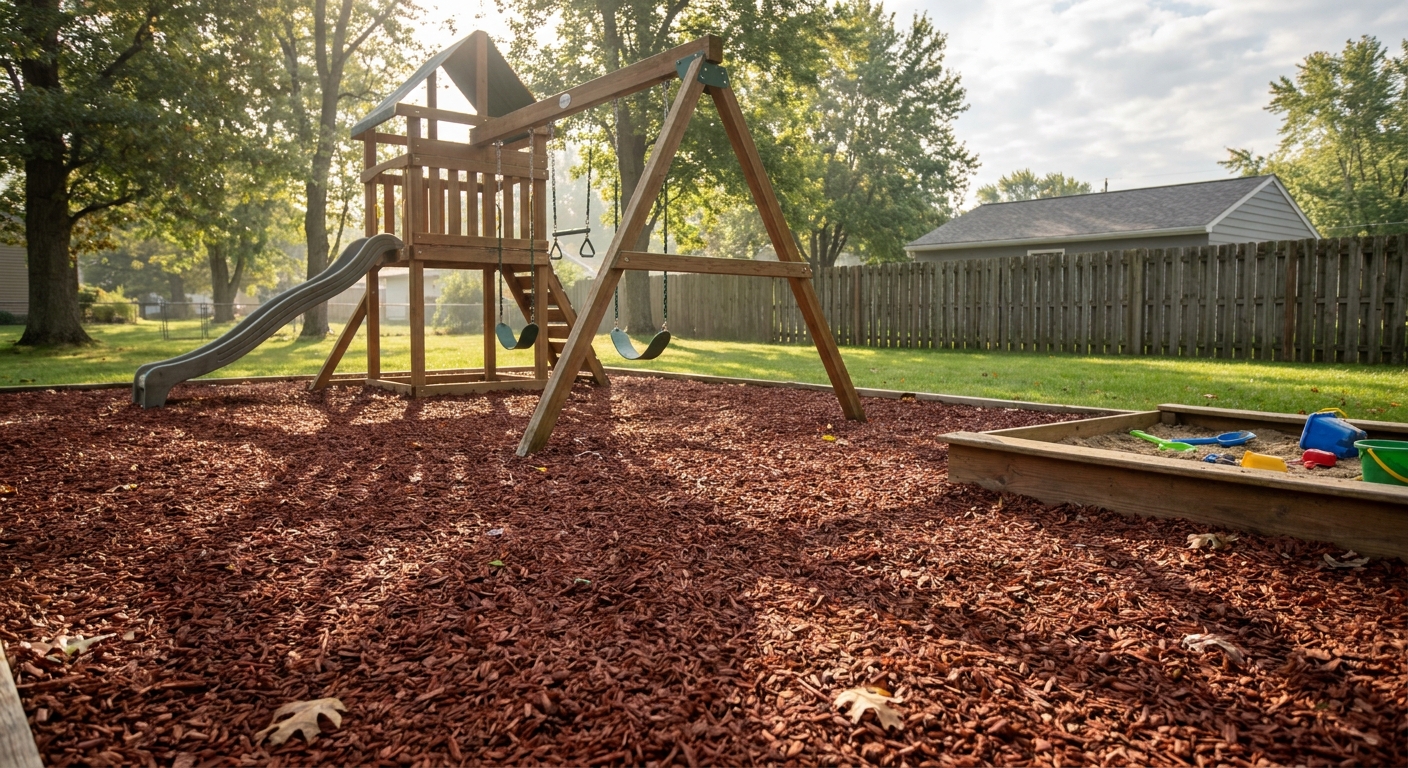
Shredded rubber mulch is engineered for impact protection and is commonly used under playgrounds and swing sets. It meets ASTM safety standards and provides excellent shock absorption—a significant advantage if you have children or want a cushioned surface around trees and shrubs.
What Are the Disadvantages of Rubber Mulch?
Despite its benefits, rubber mulch comes with environmental concerns, temperature issues, and aesthetic limitations that matter for Fort Wayne homeowners. It doesn't improve soil health, can absorb heat excessively, and may leach chemicals over time—factors worth carefully considering.
Environmental and Health Concerns
Rubber mulch is made from recycled tires, which can release trace chemicals like zinc and heavy metals into surrounding soil. Some studies suggest potential health risks in high-contact areas, though the EPA maintains it's safe. Environmental advocates argue that promoting recycled rubber products incentivizes tire production and isn't truly sustainable.
Heat Absorption and Plant Stress
Rubber mulch absorbs and retains heat significantly more than wood mulch. During Fort Wayne's hot summers, this can raise soil temperatures by 10–15 degrees, potentially stressing heat-sensitive plants. The dark color and dense texture make it particularly problematic in full-sun beds unless you're planting heat-tolerant species.
Poor Soil Amendment Benefits
Unlike wood mulch, rubber doesn't decompose or improve soil structure. It provides no organic matter, won't enrich your soil with nutrients, and won't enhance water retention for plant roots. If you're focused on soil health—crucial for Northeast Indiana's clay-heavy earth—rubber mulch offers zero benefit.
How Does Rubber Mulch Compare to Wood Mulch in Fort Wayne?
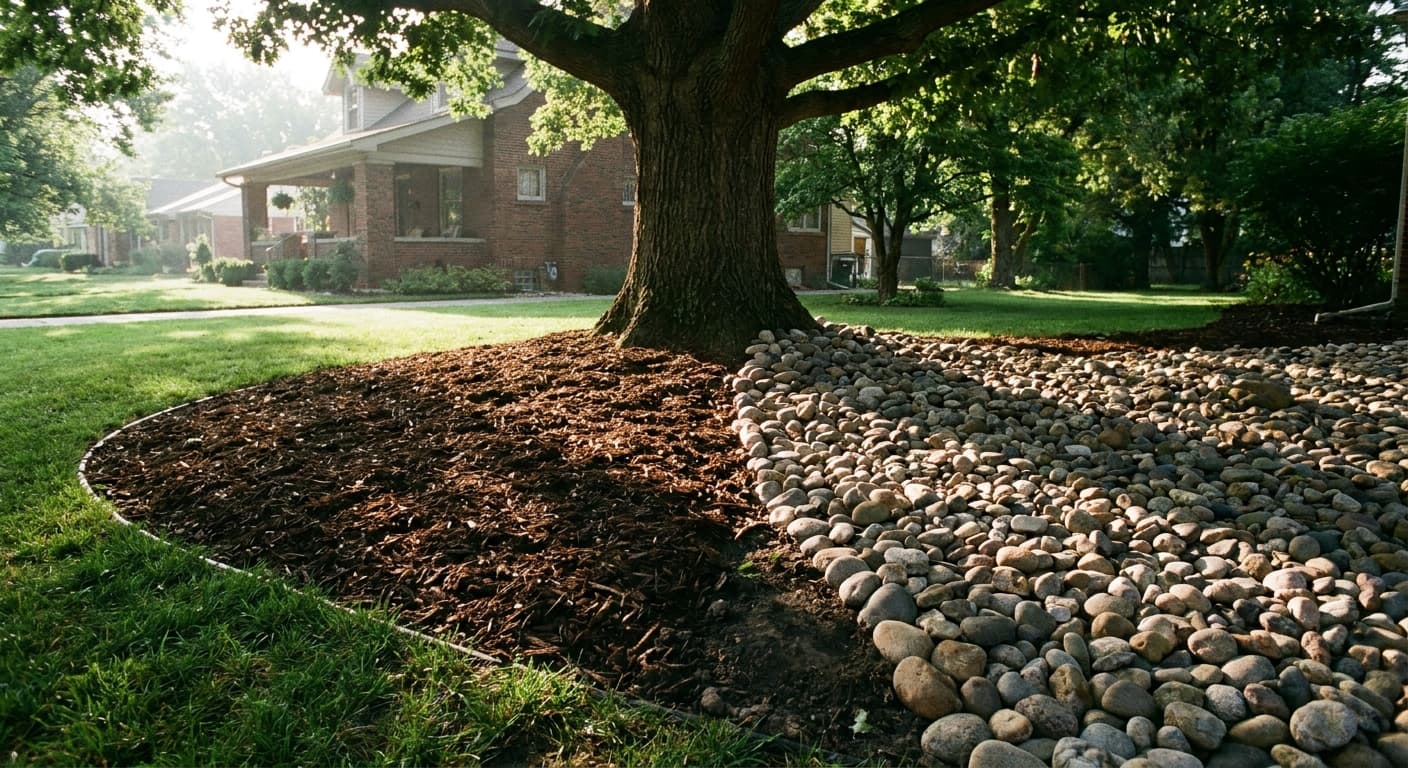
Wood and rubber mulch serve different purposes. Wood mulch is organic, improves soil, costs less, and looks natural—but requires annual reapplication. Rubber mulch lasts longer, resists pests, and needs less maintenance—but doesn't feed your soil or add visual warmth to landscape beds.
- Durability: Rubber wins (8–10+ years vs. 1–3 years for wood)
- Soil Health: Wood wins (adds organic matter and nutrients)
- Appearance: Wood wins (natural, blends with plants)
- Cost Long-Term: Rubber wins (fewer replacements needed)
- Environmental Impact: Wood wins (biodegradable and sustainable)
- Heat Management: Wood wins (stays cooler in sun)
- Pest Prevention: Rubber wins (no termites or fungal growth)
The best mulch choice depends on your priorities: choose rubber for play areas and high-traffic zones where durability matters most, and choose wood mulch for landscape beds where soil enrichment and plant health are your primary goals.
Is Rubber Mulch Right for Your Fort Wayne Landscaping?
Rubber mulch works best in specific applications: playgrounds, athletic fields, pathways, and dog runs where durability and safety are priorities. For ornamental garden beds, vegetable gardens, or landscape designs where soil quality matters, traditional wood mulch or compost typically delivers better results in Northeast Indiana's climate.
Best Uses for Rubber Mulch
- Playground surfaces and areas under play equipment
- Dog runs and pet areas (pest-resistant, non-toxic when manufactured properly)
- High-traffic pathways and hardscape borders
- Around trees in commercial or institutional landscapes
- Areas where aesthetic concerns are secondary to durability
When to Choose Wood Mulch Instead
For Fort Wayne homeowners prioritizing curb appeal, soil enrichment, and sustainability, premium hardwood mulch or shredded bark remains the better choice. It works beautifully in front-yard landscape beds, around shrubs and trees, and in vegetable gardens where organic matter supports plant nutrition and long-term soil structure.
How Should You Apply Rubber Mulch for Best Results?
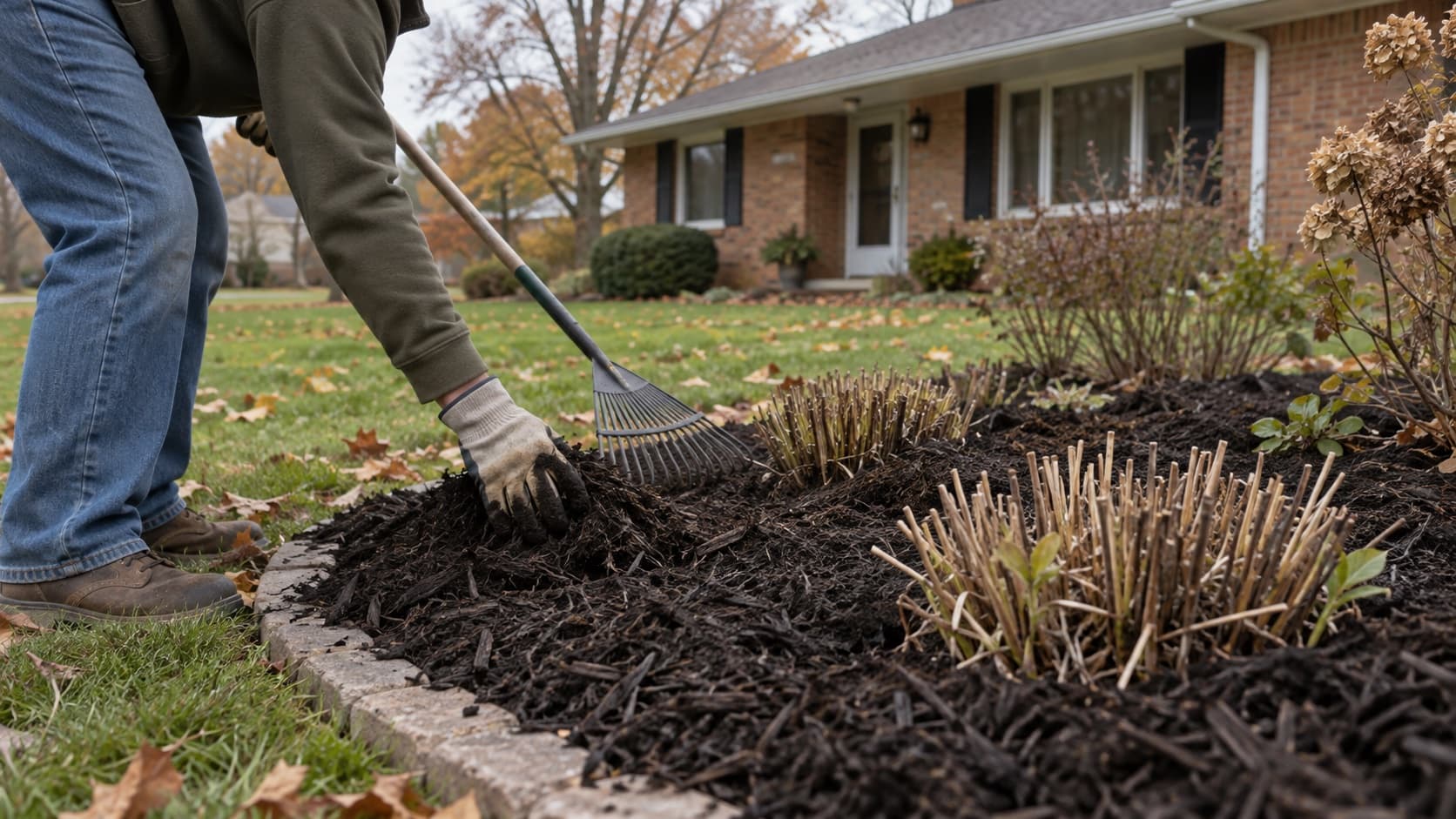
If you choose rubber mulch for your Northeast Indiana property, proper installation ensures maximum benefits. Apply 2–4 inches deep in landscape beds, avoid piling it against tree trunks, and consider landscape fabric underneath to prevent mixing with soil below.
In Fort Wayne's variable climate, rubber mulch won't migrate or compress as quickly as wood, so you won't need seasonal top-ups. However, monitor for excess heat in summer and consider lighter-colored rubber products if you're concerned about soil temperature in shade-sensitive plantings.
Should You Switch to Rubber Mulch in Fort Wayne?
The decision comes down to your specific landscape goals. Rubber mulch excels at longevity, pest prevention, and safety—making it ideal for playgrounds and utility areas. But if you want a natural-looking landscape that builds healthier soil and supports thriving plants across Northeast Indiana, quality wood mulch remains the superior choice for ornamental beds.
Whether you're considering rubber mulch or exploring other landscaping options for your Fort Wayne property, our team at Minnick Lawn & Landscaping can help you choose the right materials and installation approach. We offer mulch delivery and installation services and can provide expert guidance on both rubber and wood options. Ready to refresh your landscape beds? Request a free quote today and let us help you create outdoor spaces that look and perform beautifully.