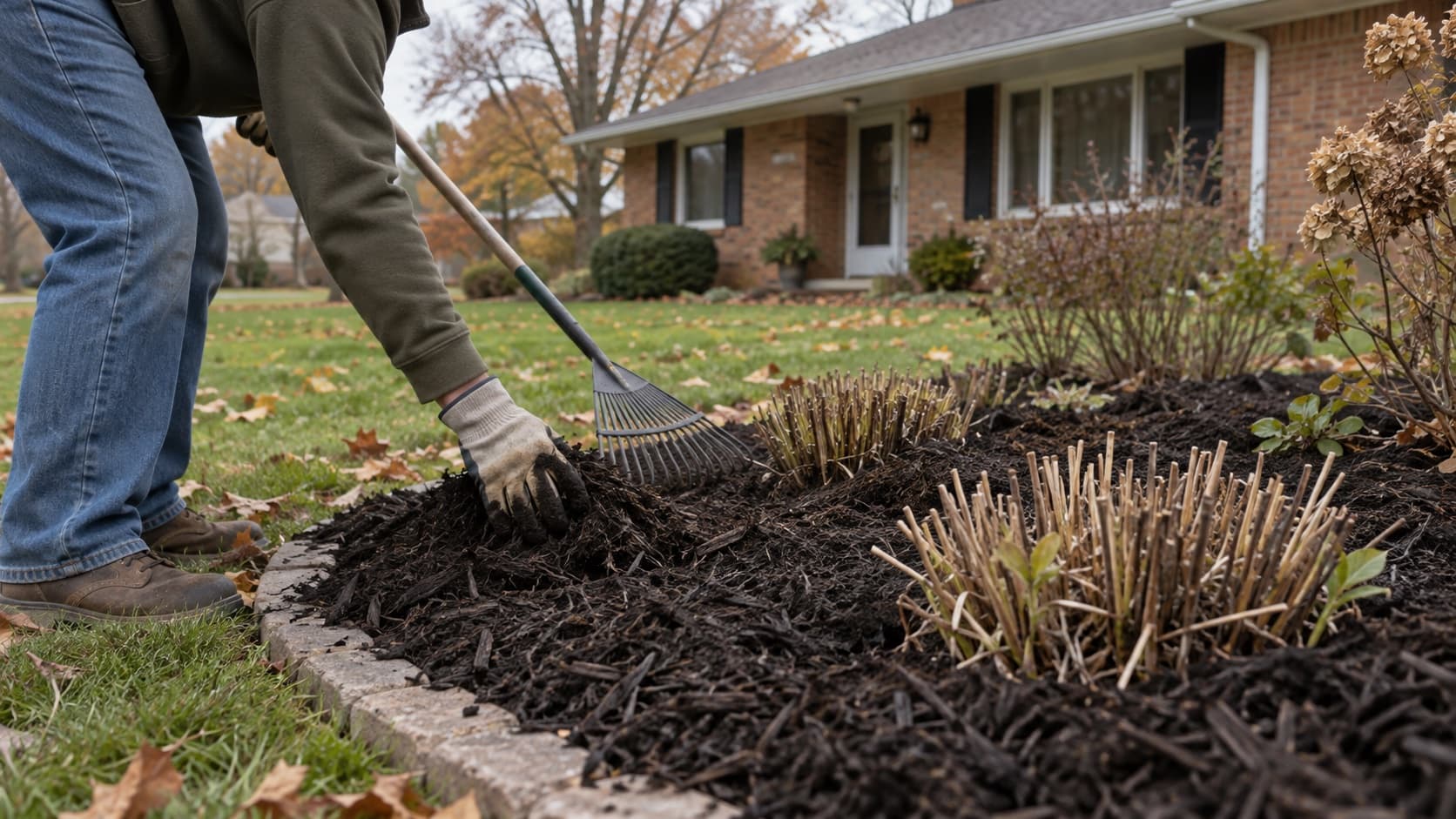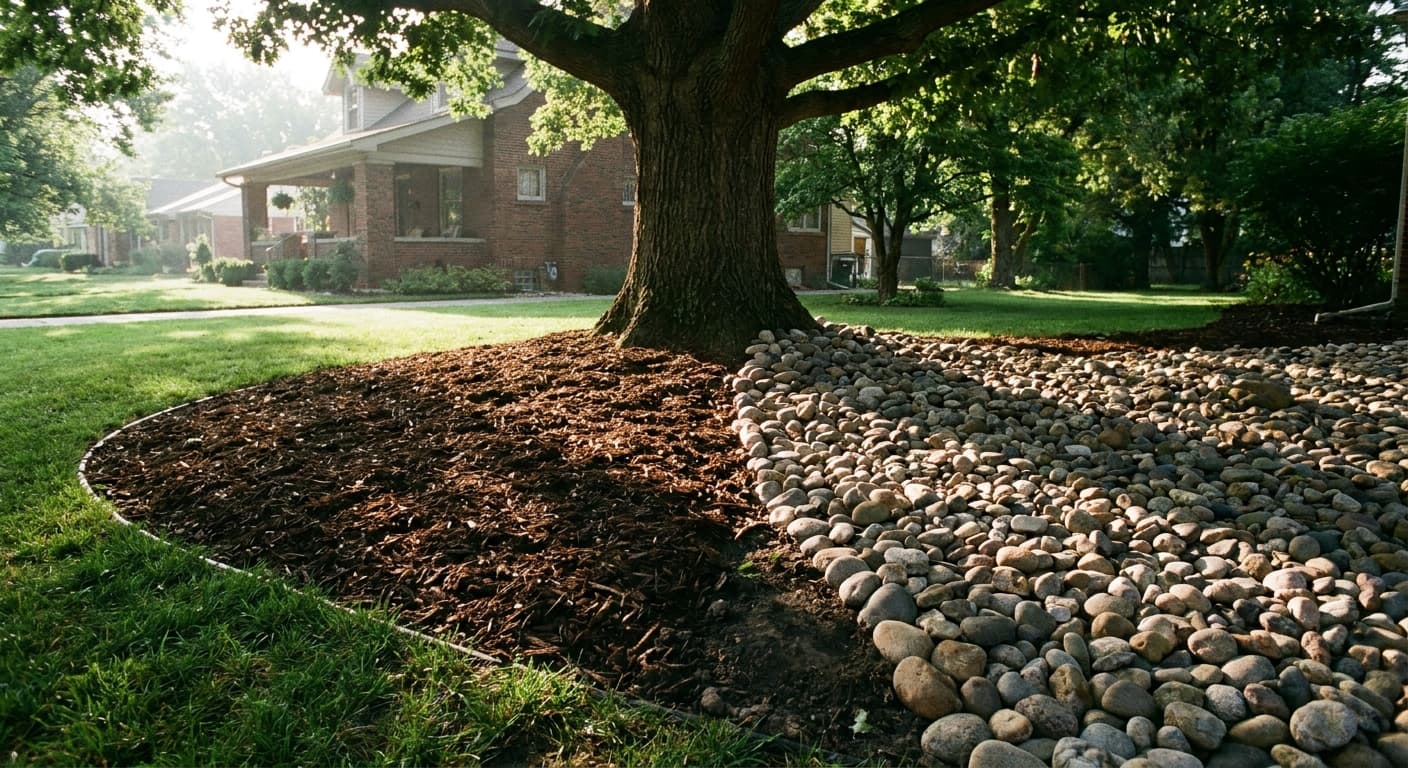
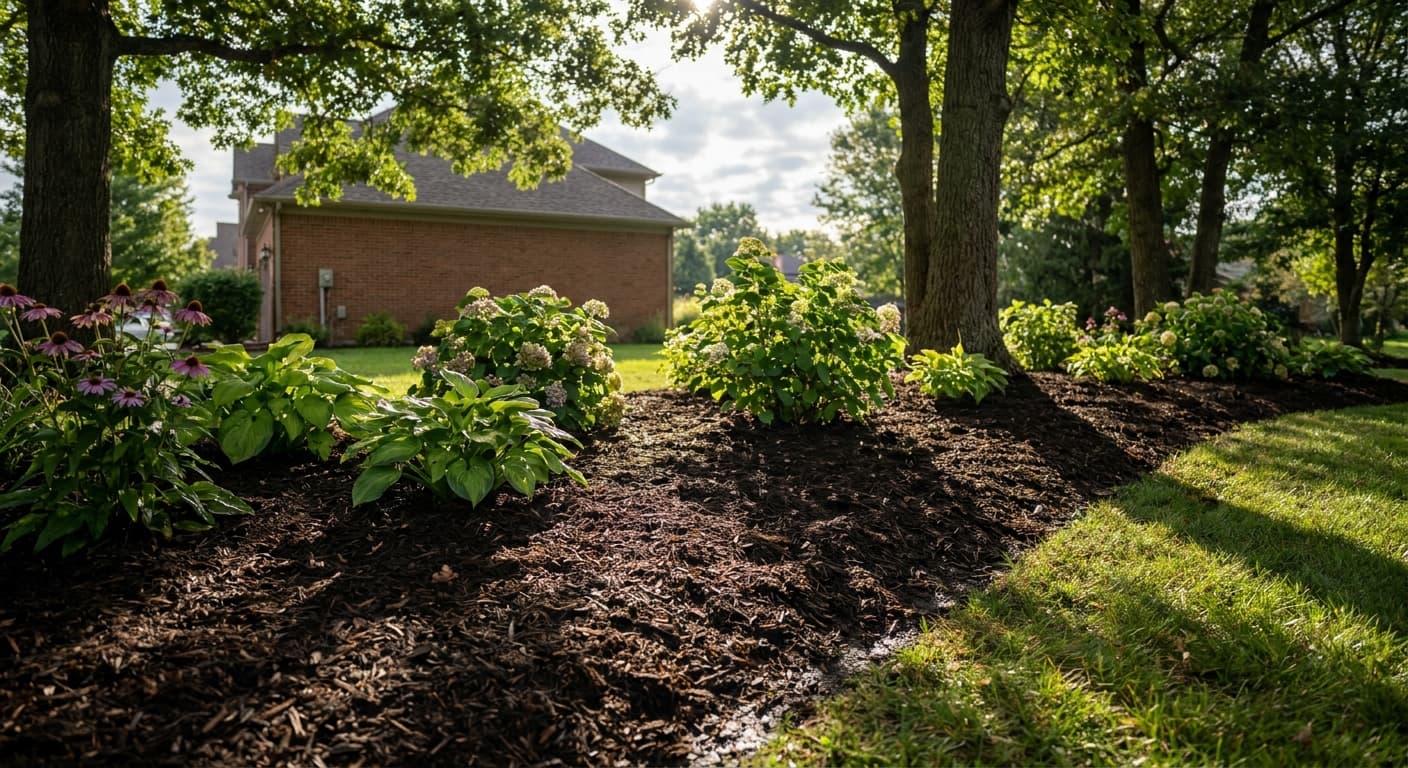
When it comes to mulching your Fort Wayne landscape, the choice between organic and rubber mulch matters more than you might think. Organic mulch—made from wood chips, bark, and leaves—works with your soil to improve health and fertility, while rubber mulch, made from recycled tires, offers durability without the nutritional benefits. In Northeast Indiana's clay-heavy soil and variable climate, organic mulch is the superior choice for most homeowners who want thriving gardens and healthy lawns.
Why Does Organic Mulch Improve Soil Health Better Than Rubber?
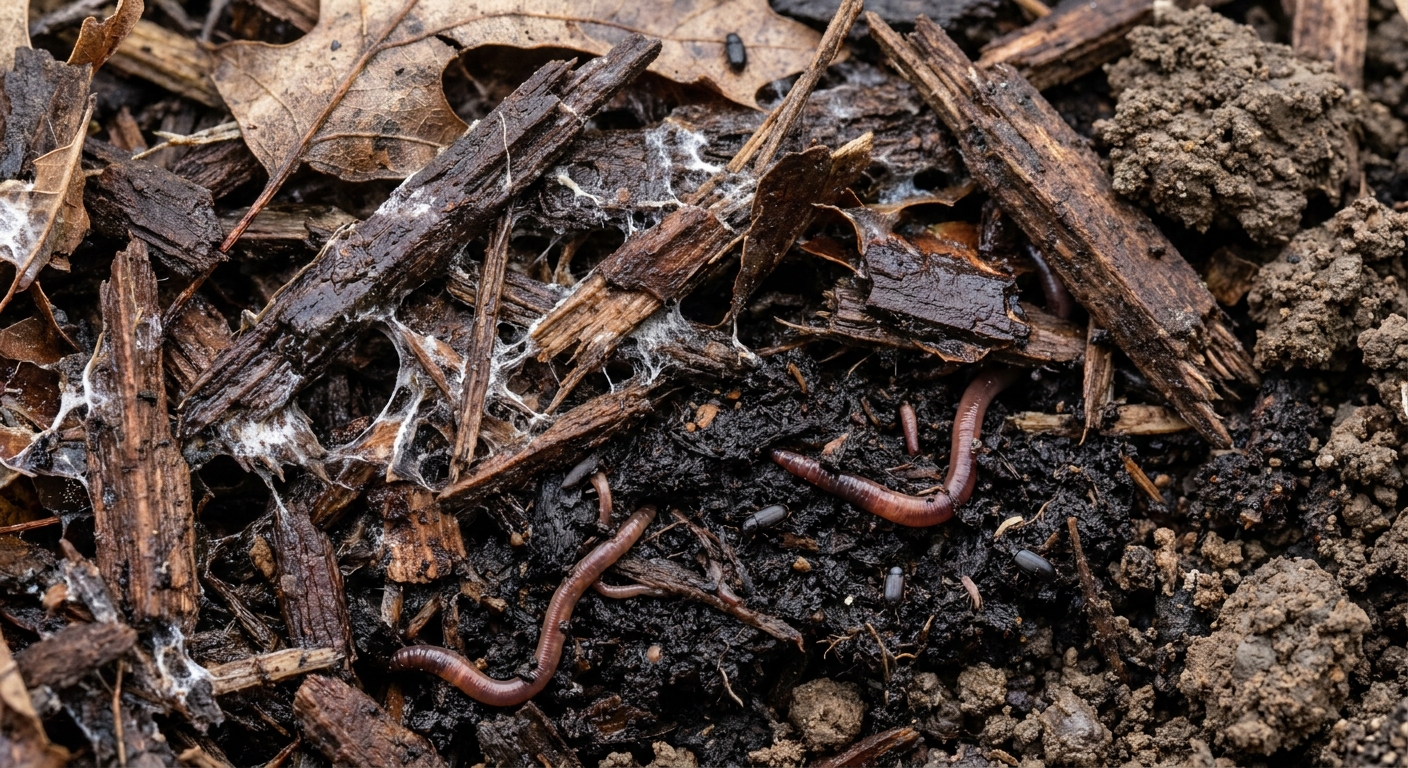
Organic mulch breaks down over time, adding valuable organic matter and nutrients directly into your Fort Wayne soil. This decomposition process enriches your beds naturally, improving soil structure, water retention, and microbial activity—all critical in our Zone 5b climate with dense clay. Rubber mulch doesn't decompose, so it never feeds your soil or contribute to long-term ground health.
As organic mulch breaks down in Northeast Indiana's moist springs and falls, it creates humus—a dark, nutrient-rich layer that acts like a sponge for water and nutrients. This is especially valuable in Fort Wayne's clay soils, which tend to compact and drain poorly. Over seasons, organic mulch gradually transforms your soil texture, making it easier for roots to penetrate and water to move through.
- Adds nitrogen, phosphorus, and potassium as it decomposes
- Increases earthworm and beneficial microbe populations
- Improves soil's ability to hold moisture in dry spells
- Reduces soil compaction over time
- Naturally regulates soil temperature year-round
How Does Organic Mulch Support Plant Growth in Fort Wayne?
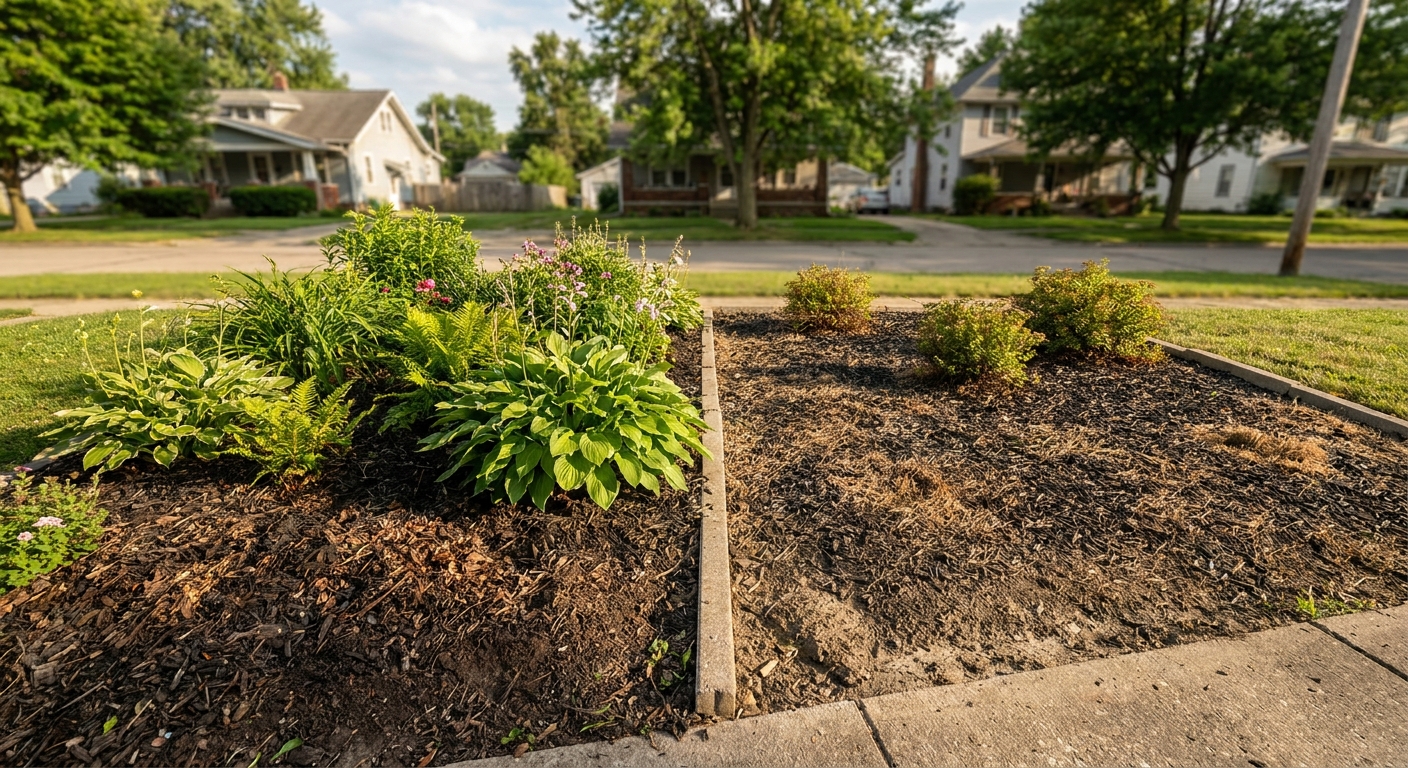
Plants thrive when they're surrounded by decomposing organic matter because it releases slow-release nutrients directly at the root zone. Unlike synthetic fertilizers that spike and fade, organic mulch provides steady nutrition throughout the growing season. Fort Wayne gardeners using quality mulch delivery and installation see noticeably healthier plants, deeper green foliage, and stronger root systems compared to those using rubber alternatives.
The biological activity in organic mulch is remarkable. Fungi, bacteria, and decomposers break down wood and leaves, transforming them into plant-available nutrients. This means your shrubs, perennials, and trees in Fort Wayne get a continuous gentle feeding without you having to apply costly fertilizers. Over a five-year period, homeowners often reduce their fertilizer spending by 30-40% just by using quality organic mulch.
Nutrient Release Over Time
Fresh wood chip mulch in Northeast Indiana starts releasing nutrients within weeks. By month three, you'll see increased microbial activity. By year one, the bottom layer is noticeably darker and richer. This multi-year nutrient release is impossible with rubber, which remains chemically inert indefinitely.
What Environmental and Safety Concerns Exist With Rubber Mulch?
Rubber mulch made from recycled tires has raised legitimate environmental and health concerns for Fort Wayne homeowners. Studies have found heavy metals and chemical leachates in some rubber mulch products, and the material can heat up significantly in summer sun—reaching temperatures 40+ degrees hotter than organic mulch, which stresses nearby plants and creates an uncomfortable surface for bare feet.
Additionally, rubber mulch never breaks down, so it accumulates in your landscape indefinitely. When you eventually want to remove it—which many Fort Wayne homeowners do after 8-10 years—you're faced with hauling tons of material to a landfill. The environmental footprint of production, shipping, and eventual disposal makes rubber mulch a less sustainable choice for Northeast Indiana.
- Can contain zinc, lead, and other metals from tire manufacturing
- Leaches chemicals into soil and groundwater over time
- Heats to 160°F+ on hot days, harming plant roots and killing beneficial organisms
- Creates fire hazard in dry conditions (a concern during Fort Wayne summers)
- Never biodegrades, causing permanent landscape waste
- Expensive to remove once you want it replaced
Organic mulch is nature's own soil amendment—it feeds your plants, builds your soil, and disappears responsibly over time. Rubber mulch is a one-way ticket to long-term landscape costs with no real benefits for Fort Wayne gardens.
How Does Organic Mulch Perform Through Fort Wayne's Seasons?
Northeast Indiana's four distinct seasons test mulch durability in unique ways. Organic mulch excels in our climate because it naturally regulates soil temperature—keeping roots cooler in summer and protecting them in our cold Zone 5b winters. In Fort Wayne springs, organic mulch prevents soil from rapidly heating, which reduces transplant shock. In fall, as leaves break down, they insulate soil and add carbon for next year's growing cycle.
Rubber mulch doesn't adjust with seasons. It stays the same whether it's January in Fort Wayne or July, providing no temperature regulation benefits. Worse, in our freeze-thaw cycles typical of Northeast Indiana winters, rubber mulch can shift and settle unevenly as ground beneath it moves.
Spring Performance
Organic mulch warms gradually in Fort Wayne spring, allowing soil temperature to rise naturally without shocking early plants. It also absorbs and releases moisture evenly as spring rains give way to drier days.
Summer in Fort Wayne
Organic mulch keeps soil 8-12 degrees cooler than bare ground, critical during our occasional hot, dry spells. Rubber mulch has the opposite effect, potentially cooking soil and plant roots.
Fall and Winter
As organic mulch decomposes in Northeast Indiana's moist autumn, it provides insulation. By winter, it protects perennials and shrub roots from our frost heaves and freeze-thaw cycles that shift rubber mulch around.
What's the Real Cost Comparison Between Organic and Rubber Mulch?
While rubber mulch sometimes appears cheaper upfront for Fort Wayne homeowners, the true cost analysis reveals organic mulch's financial advantage. Organic mulch costs $35-60 per cubic yard installed in Northeast Indiana, and you'll need to refresh it every 2-3 years as it decomposes. Rubber mulch runs $50-80 per cubic yard but lasts longer—until you decide to remove it, which often costs as much as installation.
Over ten years in a Fort Wayne landscape, organic mulch users typically spend less total money because they're not paying for expensive mulch removal or dealing with the damage rubber mulch causes to plants and soil. Plus, reduced fertilizer costs and healthier, more valuable plantings offset the mulch refreshing cycles.
| Factor | Organic Mulch | Rubber Mulch |
|---|---|---|
| Initial Cost per Cubic Yard | $35-60 | $50-80 |
| Lifespan in Fort Wayne Climate | 2-3 years | 8-10 years |
| Soil Improvement | Excellent | None |
| Removal Cost at End-of-Life | Minimal (decomposes naturally) | $40-60 per cubic yard |
| Fertilizer Savings Over 5 Years | 30-40% reduction | No reduction |
When Might You Choose Rubber Mulch Over Organic in Fort Wayne?
There are limited scenarios where rubber mulch makes sense for Northeast Indiana homeowners. Playgrounds and areas needing impact absorption for safety might benefit from rubber. High-traffic commercial properties in Fort Wayne sometimes choose rubber for longevity despite the downsides. But for residential gardens, landscaping beds, and anywhere you want plant health, organic mulch is the clear winner.
If you're specifically concerned about mulch replacement frequency, consider that many Fort Wayne homeowners use a thick layer (3-4 inches) of quality organic mulch initially, then refresh with 1-2 inches every other year—a manageable maintenance task that returns genuine value to your landscape.
Ready to upgrade your Fort Wayne landscape with nutrient-rich organic mulch? Minnick Lawn & Landscaping delivers and installs premium mulch throughout Northeast Indiana, tailored to your soil and plants. Our team understands Fort Wayne's unique climate and soil challenges, and we'll help you choose the right organic mulch for thriving gardens. Request a free quote today and let's build healthier soil together.