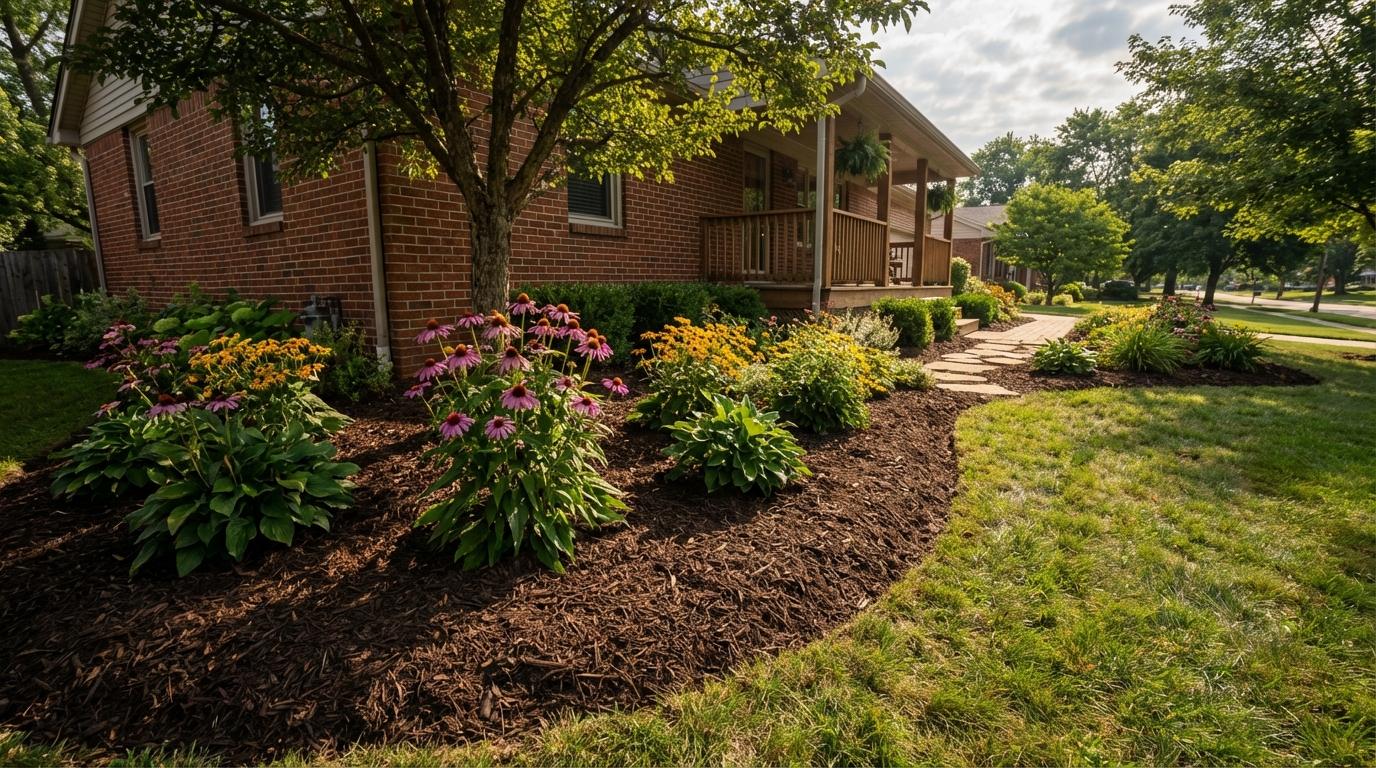
Mulch is one of the most effective—yet underrated—tools for maintaining healthy, attractive flower beds across Fort Wayne and Northeast Indiana. The right mulch not only makes your landscaping look polished, but it also protects your plants from weeds, regulates soil temperature, retains moisture, and improves soil quality over time. Whether you're planting new beds or refreshing existing ones, understanding mulch types and application is essential for success in our USDA Zone 5b climate.
What Types of Mulch Work Best in Fort Wayne?
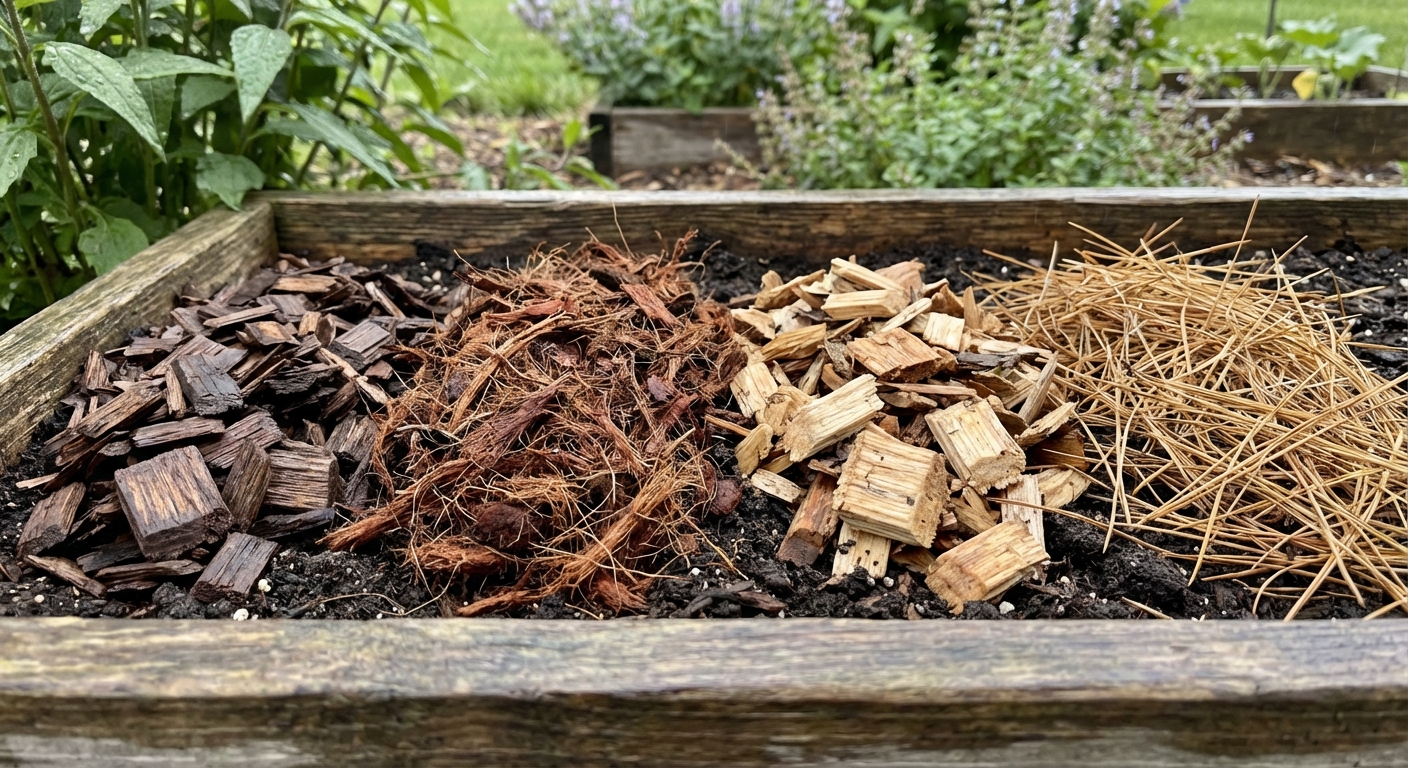
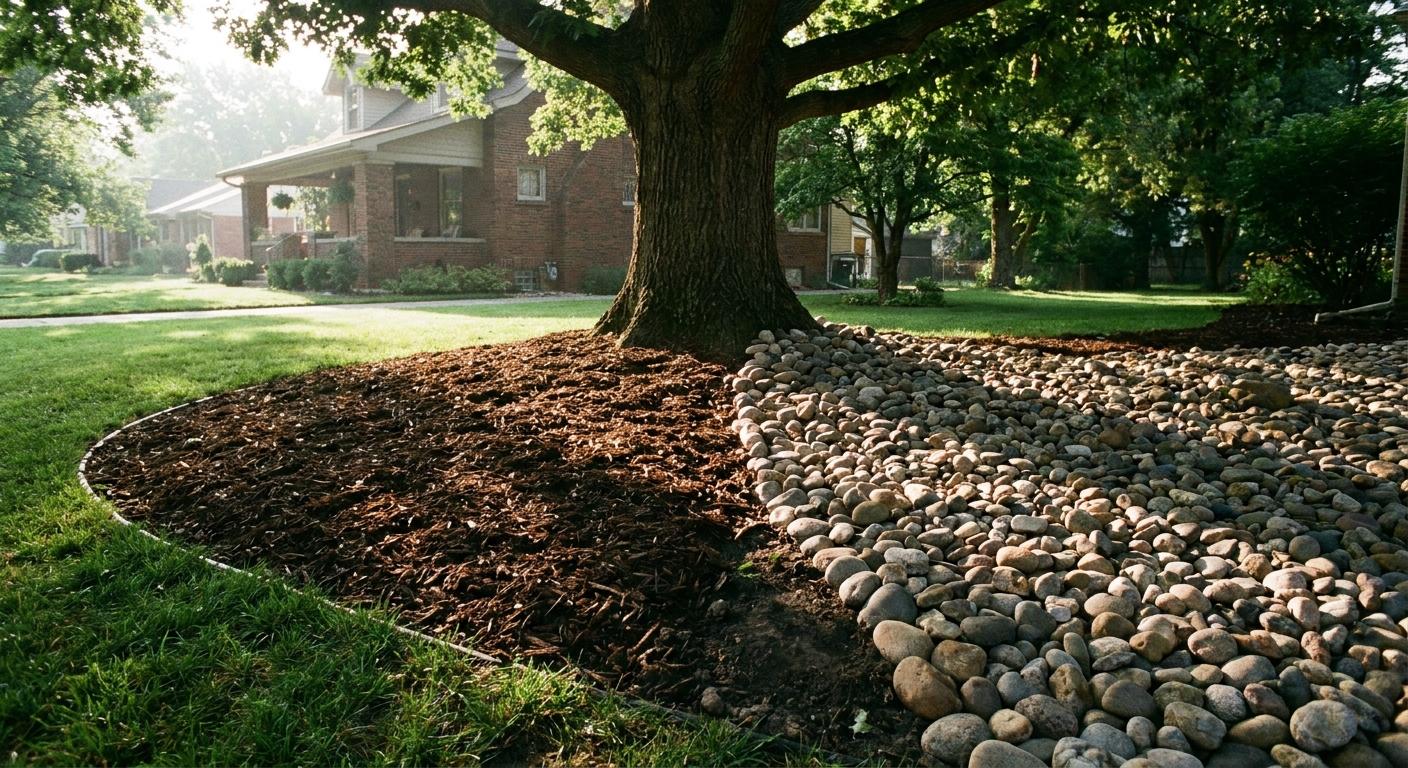
Fort Wayne's clay-heavy soil and variable spring temperatures mean mulch selection matters significantly. The best mulch for your flower beds depends on your plants, aesthetic preferences, and long-term goals. Organic and inorganic mulches each offer distinct advantages for Northeast Indiana gardens.
Organic Mulch Options
- Hardwood mulch – Breaks down slowly, improves soil structure, and looks natural. Ideal for most Fort Wayne flower beds.
- Shredded bark – Attractive, durable, and excellent for moisture retention in our hot summers.
- Wood chips – Coarse texture, longer-lasting, and great for new plantings where you want staying power.
- Pine straw – Lightweight, acidic (good for rhododendrons and azaleas), and drains well in wet springs.
- Compost-based mulch – Enriches soil as it breaks down, perfect for established beds needing nutrient boost.
Inorganic Mulch Options
- Rubber mulch – Long-lasting, doesn't decompose, good for areas that won't be worked annually.
- Landscape fabric – Suppresses weeds beneath organic mulch, essential for Fort Wayne's persistent weed season.
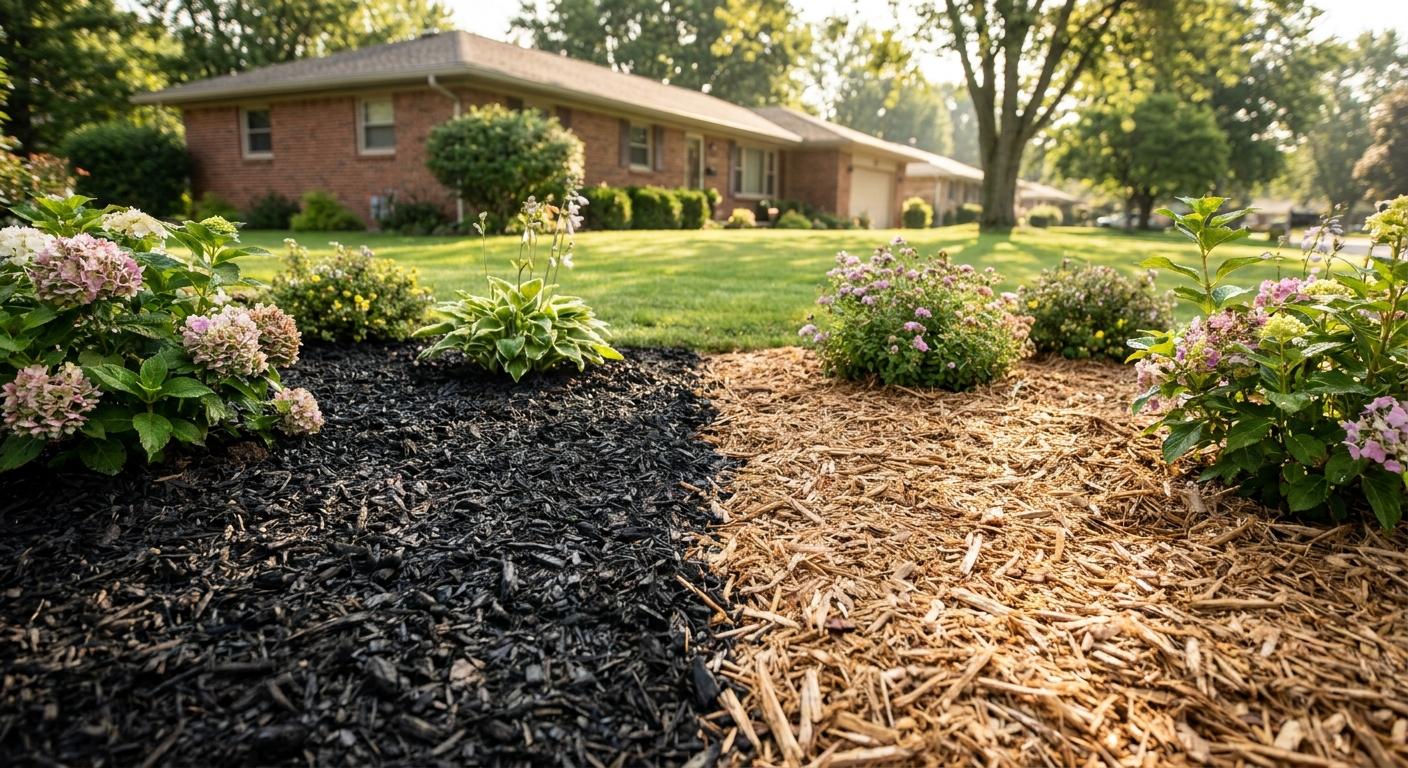
- Colored mulch – Dyed hardwood that adds visual pop (red, brown, black). Ask about the dye source before applying.
In Fort Wayne's climate, combining landscape fabric with 2–3 inches of quality hardwood mulch is the gold standard for flower bed protection. It tackles our weed pressure while supporting plant health through our humid summers and unpredictable springs.
How Much Mulch Should You Apply in Your Fort Wayne Flower Beds?
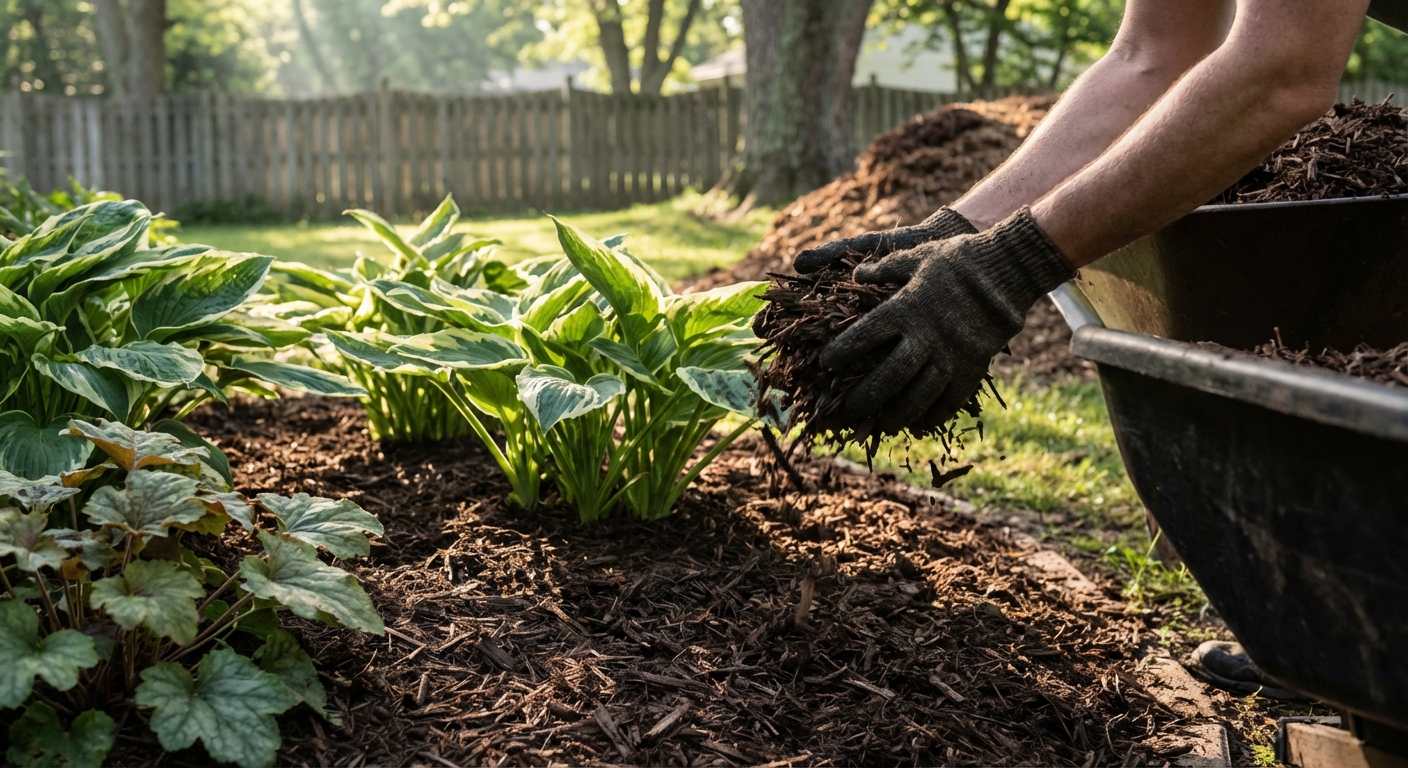
Depth matters as much as type. In Fort Wayne and Northeast Indiana, the optimal mulch depth for flower beds is 2 to 3 inches. Too little mulch fails to suppress weeds or retain moisture; too much can smother plant roots and invite pest problems, especially in our humid growing season.
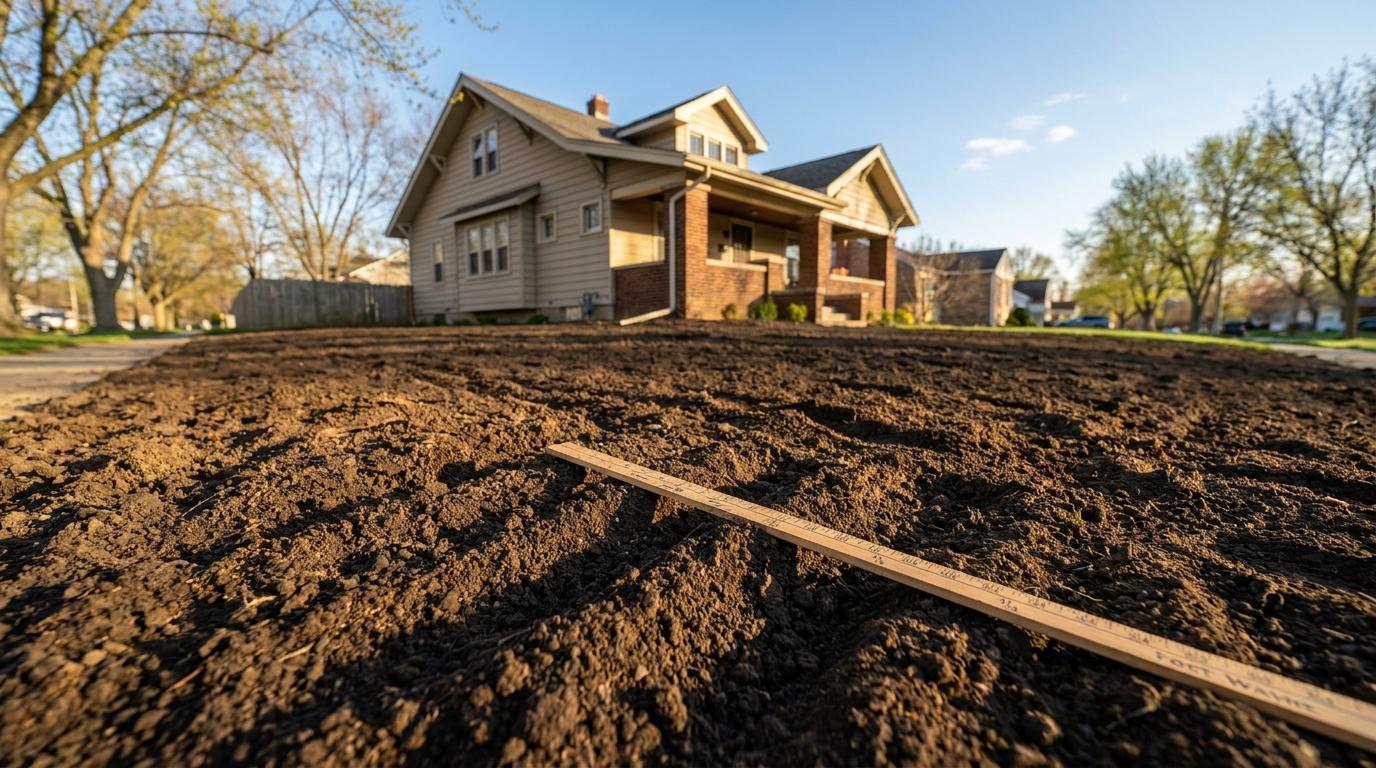
- Measure your bed area – Calculate square footage to determine mulch volume needed.
- Apply 2–3 inches – Use a rake to spread mulch evenly, leaving 1 inch clearance around plant stems.
- Refresh annually – Fort Wayne's weather breaks down mulch faster than other regions. Plan to top-dress each spring.
- Avoid mulch volcanoes – Never pile mulch against plant stems or tree trunks. This traps moisture and invites disease.
If you're using mulch delivery in Fort Wayne, most yards need 1–2 cubic yards per 100 square feet at a 3-inch depth. Minnick Lawn & Landscaping can calculate your exact mulch needs and handle installation, ensuring proper application for long-term plant health.
What Are the Key Benefits of Mulch for Fort Wayne Flower Beds?
Mulch delivers multiple advantages that make it worth the investment, especially in Northeast Indiana's challenging growing conditions. Beyond aesthetics, mulch addresses real maintenance and plant health issues unique to Fort Wayne gardens.
Weed Suppression
Fort Wayne experiences aggressive weed pressure during spring and summer. A 2–3-inch mulch layer blocks sunlight, preventing weed seeds from germinating. Pairing mulch with landscape fabric increases suppression to 90%+, dramatically reducing the time you spend pulling weeds.
Moisture Retention
Our clay soils either stay saturated or dry out quickly depending on the season. Mulch acts as an insulator, moderating moisture evaporation during dry spells and preventing waterlogging in wet periods. This is crucial during Fort Wayne's unpredictable summer droughts.
Temperature Regulation
Northeast Indiana can experience temperature swings of 30+ degrees from spring to summer. Mulch keeps soil cooler in July and August, reducing plant stress, and insulates roots during winter freeze-thaw cycles that damage shallow-planted perennials.
Soil Improvement
Organic mulches gradually decompose, adding valuable organic matter to Fort Wayne's clay-heavy soil. Over time, this improves drainage, increases microbial activity, and boosts nutrient availability—benefits that compound year after year.
Pest and Disease Prevention
By keeping foliage off soil and maintaining consistent moisture, proper mulching reduces fungal diseases and pest habitat in flower beds. This is particularly important during Fort Wayne's humid summers when conditions favor powdery mildew and root rot.
When Should You Mulch Your Fort Wayne Flower Beds?
Timing makes a difference in Fort Wayne's Zone 5b climate. Early spring (late March through April) is ideal for initial mulching, giving plants protection as they emerge and soil warms. Fall refreshment (September–October) prepares beds for winter dormancy and spring root establishment.
Avoid mulching too early in spring—wait until soil temps reach 40–50°F to prevent delaying soil warming and encouraging slugs. Similarly, never mulch in late fall; the insulation can trap moisture and ice, damaging spring plants. Professional landscaping services in Fort Wayne can time mulching perfectly for your climate zone and plant types.
How Do You Maintain Mulch in Northeast Indiana's Climate?
Fort Wayne's weather—heavy spring rains, summer heat, and freeze-thaw cycles—breaks down mulch faster than milder regions. Annual maintenance keeps your flower beds looking sharp and functioning optimally year after year.
- Replenish annually – Plan to top-dress with 1 inch of fresh mulch each spring to maintain depth and color.
- Rake and fluff – Loosen compacted mulch in spring to improve drainage and prevent mold growth in wet areas.
- Check depth around plants – Mulch settles and washes away. Ensure 2–3 inches remains before the growing season peaks.
- Monitor for pests – If mulch harbors termites, slugs, or voles (common in Fort Wayne), reduce depth slightly or switch mulch types.
- Pull debris – Remove fallen leaves and twigs from mulch to maintain aesthetics and prevent pest habitat.
Northeast Indiana homeowners who refresh mulch annually report 50% less weeding, healthier plants, and consistently beautiful flower beds—a small effort for major returns.
Should You Hire a Professional for Mulch Installation in Fort Wayne?
While DIY mulching is possible, professional installation ensures proper depth, coverage, and material selection tailored to Fort Wayne's climate. Minnick Lawn & Landscaping has served 79+ five-star clients across Auburn, New Haven, Huntertown, and throughout Allen County, handling mulch calculation, delivery, and expert installation every time.
Professional mulching saves time, guarantees quality, and often costs less than buying bagged mulch at big-box stores. Our team understands Northeast Indiana's soil, plants, and seasonal demands—ensuring your mulch delivery and installation maximizes plant health and curb appeal.
Ready to give your Fort Wayne flower beds the protection they deserve? Request a free quote today. Minnick Lawn & Landscaping will assess your beds, recommend the ideal mulch type and depth, and handle installation—so your plants thrive through every Northeast Indiana season. Call (260) 927-5185 or visit our website to schedule your mulch consultation.