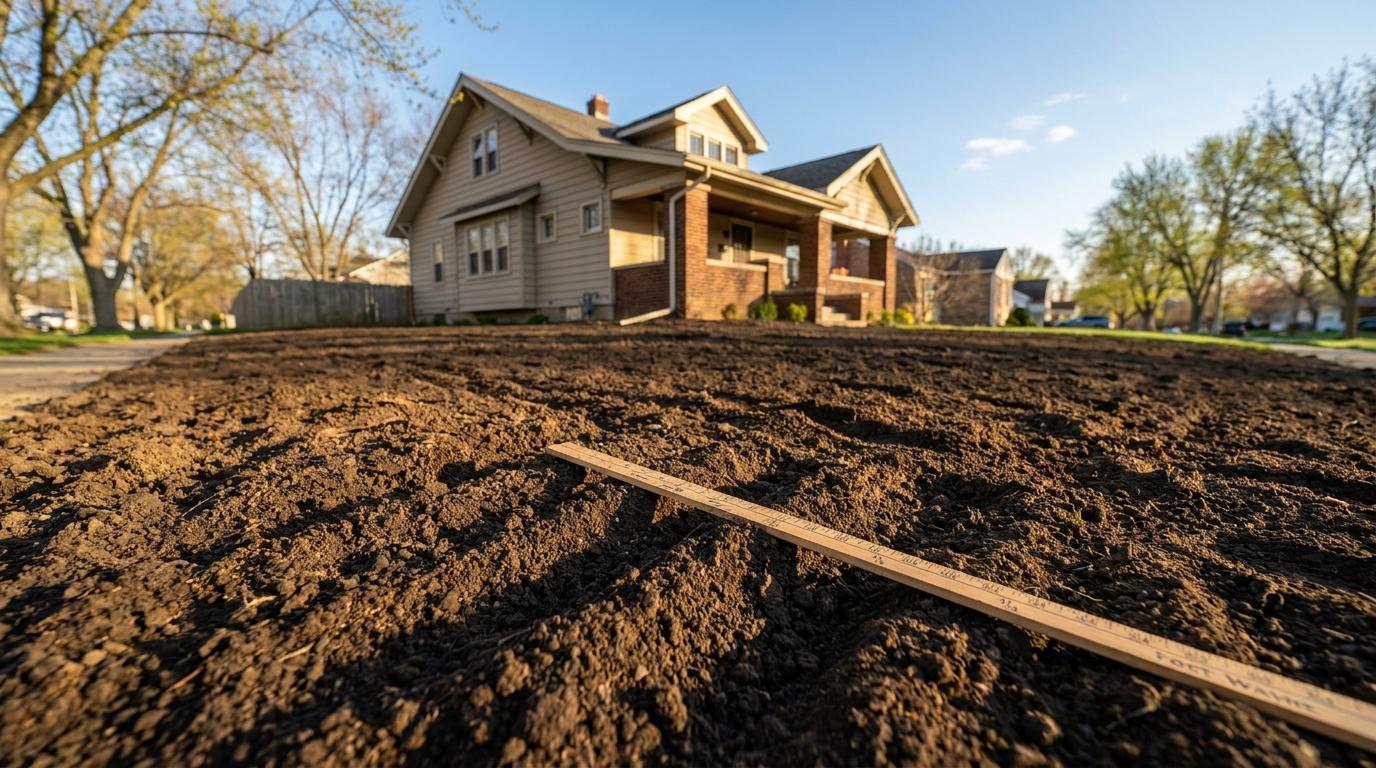
When you're ready to plant a new lawn in Fort Wayne, Indiana, the foundation of your success starts beneath the surface—literally. The right topsoil mix determines whether your grass thrives or struggles in our Northeast Indiana clay-heavy soil conditions. A quality topsoil blend combines the right proportions of sand, silt, clay, and organic matter to create an environment where grass roots can penetrate deeply, retain moisture without waterlogging, and access essential nutrients.
What Makes the Ideal Topsoil Mix for Lawn Planting?
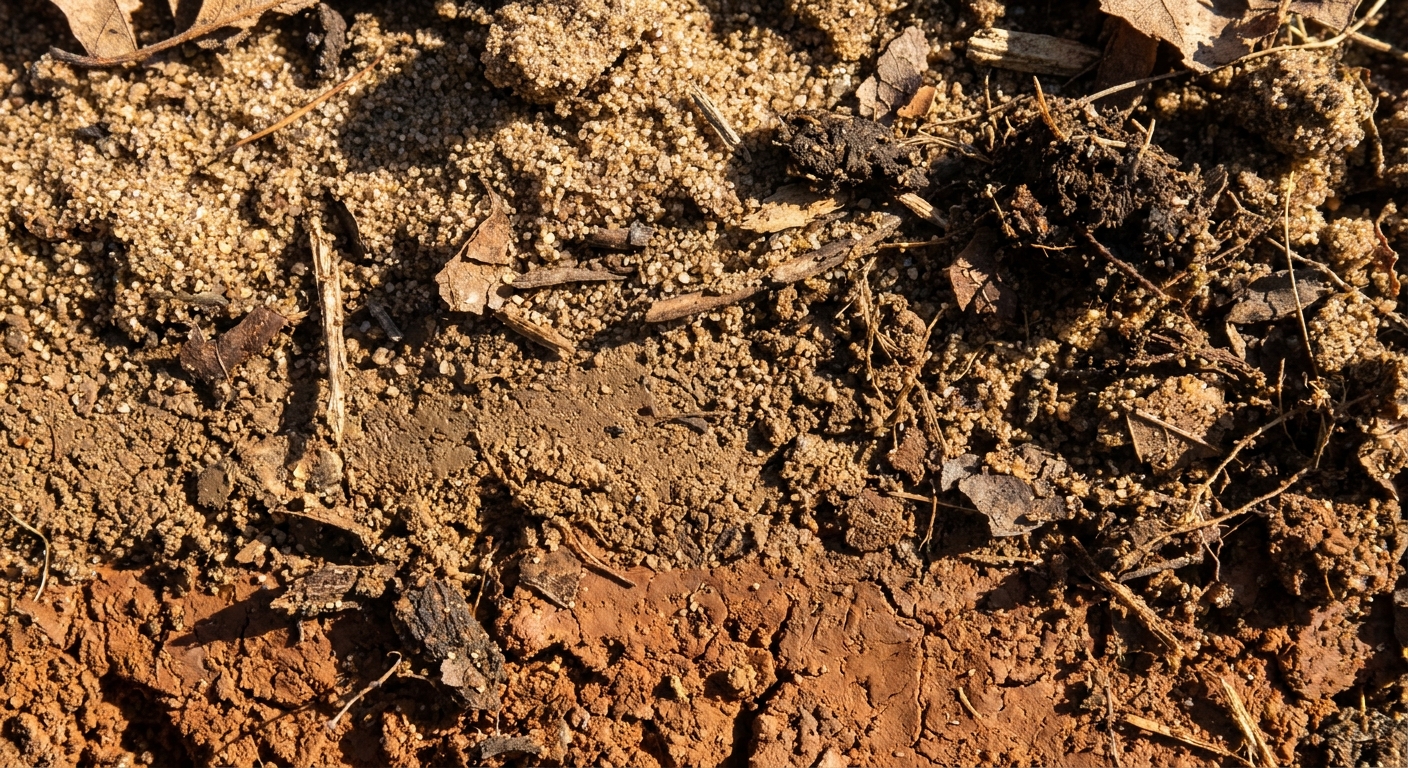
The best topsoil for new lawns in Fort Wayne follows what's called the "ideal loam" composition: roughly 40% sand, 40% silt, and 20% clay, enriched with 4-6% organic matter like compost. This balanced blend gives you the structural benefits of clay (nutrient retention) without its waterlogging problems, the drainage of sand without its dryness, and the fertility boost of organic material. Most nurseries and landscaping suppliers sell pre-blended topsoil specifically formulated for lawn installation, which saves you the guesswork.
Here's why this ratio matters in our region: Fort Wayne's native soil tends to be clay-dominated, which compacts easily and drains poorly. Adding quality topsoil with higher sand and organic content loosens the profile, improves drainage, and creates a hospitable home for grass roots to establish themselves during that critical first growing season.
How Much Organic Matter Should Your Topsoil Contain?
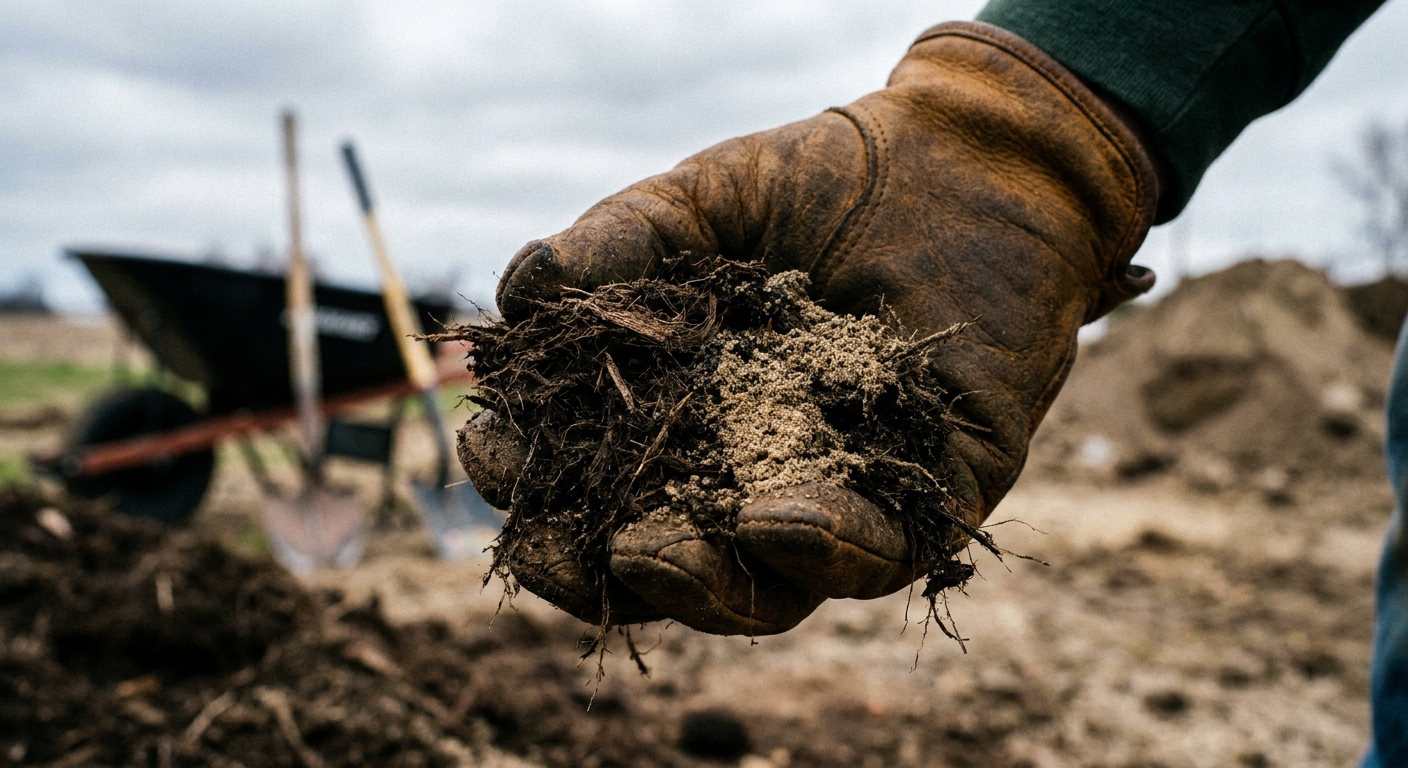
Organic matter—typically composted wood, leaves, bark, or aged manure—should comprise 4-6% of your topsoil blend for new lawn installation. This percentage is crucial because organic matter improves soil structure, increases water-holding capacity, feeds beneficial microorganisms, and gradually breaks down to release nutrients over time. Less than 4% and you're missing out on fertility and structure benefits; more than 6% and the soil may become too dark and retain excessive moisture in Northeast Indiana's wet springs.
When you purchase topsoil from a supplier or request it as part of a landscaping project, always ask what percentage of organic matter is included. Quality suppliers will happily share this information. If you're buying bulk topsoil, a darker, richer-looking product usually indicates higher organic content than gray, clay-heavy alternatives.
Should You Amend Fort Wayne's Native Soil or Add Fresh Topsoil?
The best approach for most Fort Wayne homeowners is to remove existing poor-quality soil and replace it with 3-4 inches of quality blended topsoil, rather than trying to amend the heavy clay in place. Native Fort Wayne soil often contains too much clay and too little organic matter to support a healthy lawn without major amendment. Mixing amendments into existing soil requires deep tilling and often doesn't produce lasting results as the clay naturally re-compacts.
That said, here are scenarios where each approach makes sense:
- Full replacement: Best for new construction, total lawn renovation, or problem areas with poor drainage. Removes 3-4 inches of existing soil and replaces it with premium topsoil blend.
- Top-dressing: Good for existing lawns you want to improve. Spread 1-2 inches of quality topsoil over the existing lawn, rough up the surface, and overseed.
- Blended approach: Mix your native soil 50/50 with quality topsoil and amendments. Works when your existing soil isn't severely compacted.
- In-place amendment: Least expensive but most labor-intensive. Till compost and sand into existing soil to 6-8 inches deep, then reseed.
What Grass Seed Pairs Best With Your Topsoil Mix?
In USDA Zone 5b (where Fort Wayne sits), cool-season grasses thrive in quality topsoil. The most popular Northeast Indiana lawn grasses are Kentucky bluegrass, perennial ryegrass, and tall fescue, often blended together in commercial seed mixes. These cool-season varieties germinate best in fall (September–October) or early spring (April–May) when soil temperatures hover between 50–65°F, and they perform beautifully in the topsoil blend we've described.
Don't skimp on seed quality. A premium seed blend from a reputable supplier will contain weed-free certified seed and variety percentages matched to Fort Wayne conditions. Budget $150–300 for a quarter-acre lawn; cheap seed often contains fillers and unwanted annual grasses that create maintenance headaches later.
The difference between a thriving lawn and a struggling one often comes down to topsoil quality. Investing 3-5% more upfront on premium topsoil saves 20-30% in future fertilizer, overseeding, and weed control costs over five years.
How Deep Should You Apply New Topsoil for a Lawn?
For a new lawn in Fort Wayne, apply 3-4 inches of quality topsoil over prepared ground. This depth provides enough rooting depth for grass to establish strong, drought-resistant root systems while being cost-effective. If you're installing on severely compacted soil or clay, consider 4-5 inches. Less than 2 inches won't give grass adequate room to root; more than 6 inches becomes wasteful and may cause settling issues later.
After spreading the topsoil, rake it smooth and level, breaking up any clumps. Water lightly to settle the soil—it will compact by 10-15% over the first few weeks. Then you're ready to seed or sod.
Where Can You Get Quality Topsoil in Fort Wayne and Northeast Indiana?
Fort Wayne has several reputable landscape suppliers and mulch yards that sell bulk topsoil by the cubic yard. When ordering, specify that you need lawn-grade topsoil (not fill dirt or sand) and ask about the organic matter content. Typically, expect to pay $25–45 per cubic yard delivered locally. A quarter-acre lawn with 4 inches of topsoil requires roughly 40–50 cubic yards.
If you're tackling a full lawn installation, consider hiring a professional landscaping company like Minnick Lawn & Landscaping. We source quality topsoil, handle the heavy lifting, ensure proper grading for drainage, and oversee the seeding process—taking the guesswork out of one of the most critical steps in lawn establishment.
Ready to invest in a healthier Fort Wayne lawn from the ground up? The right topsoil mix transforms bare or struggling soil into a nursery for vibrant, resilient grass. Whether you're renovating a problem area or starting fresh after new construction, getting the topsoil foundation right in your first year pays dividends for years to come. Request a free quote today to discuss your lawn's specific needs and topsoil requirements.