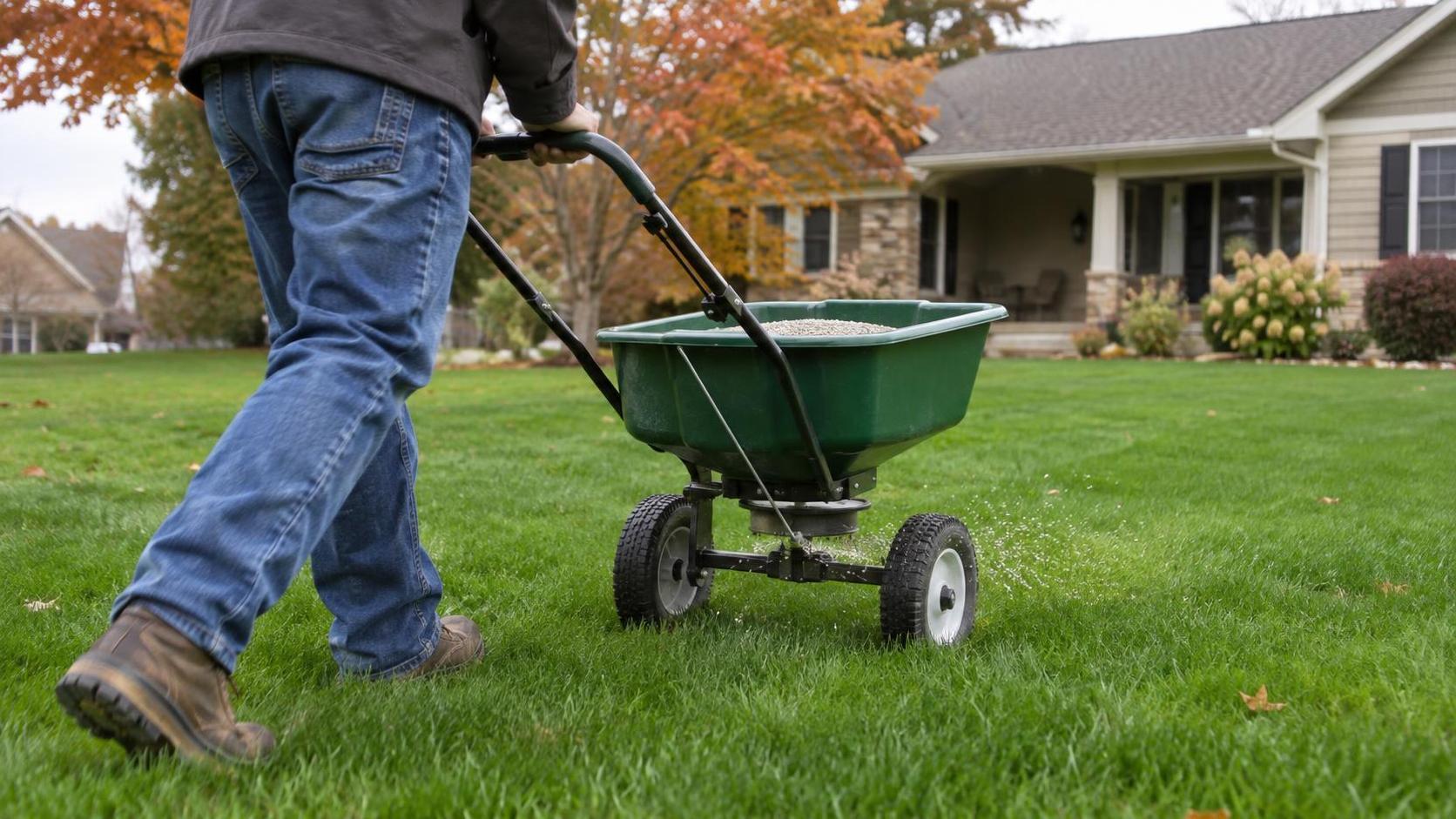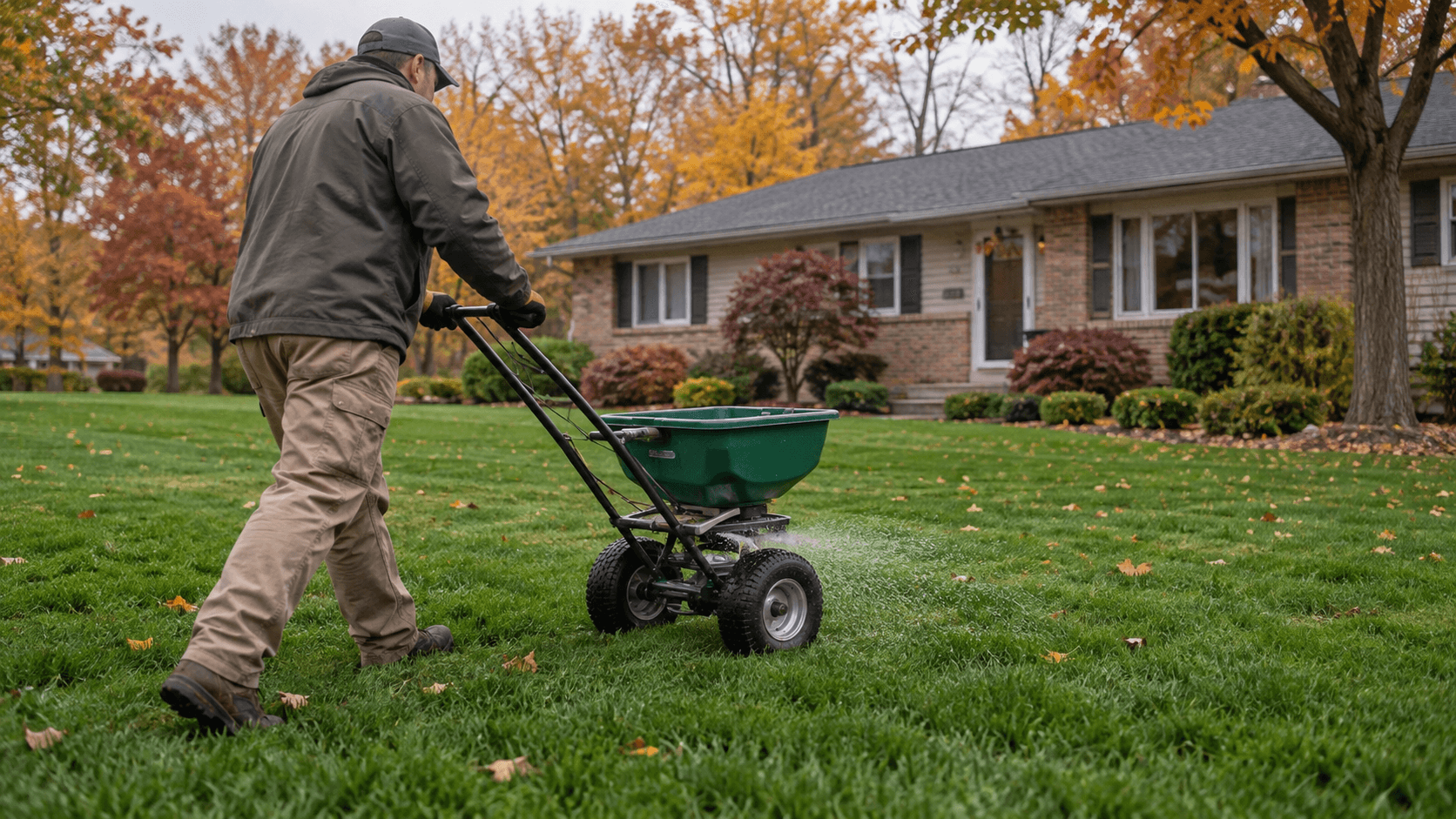
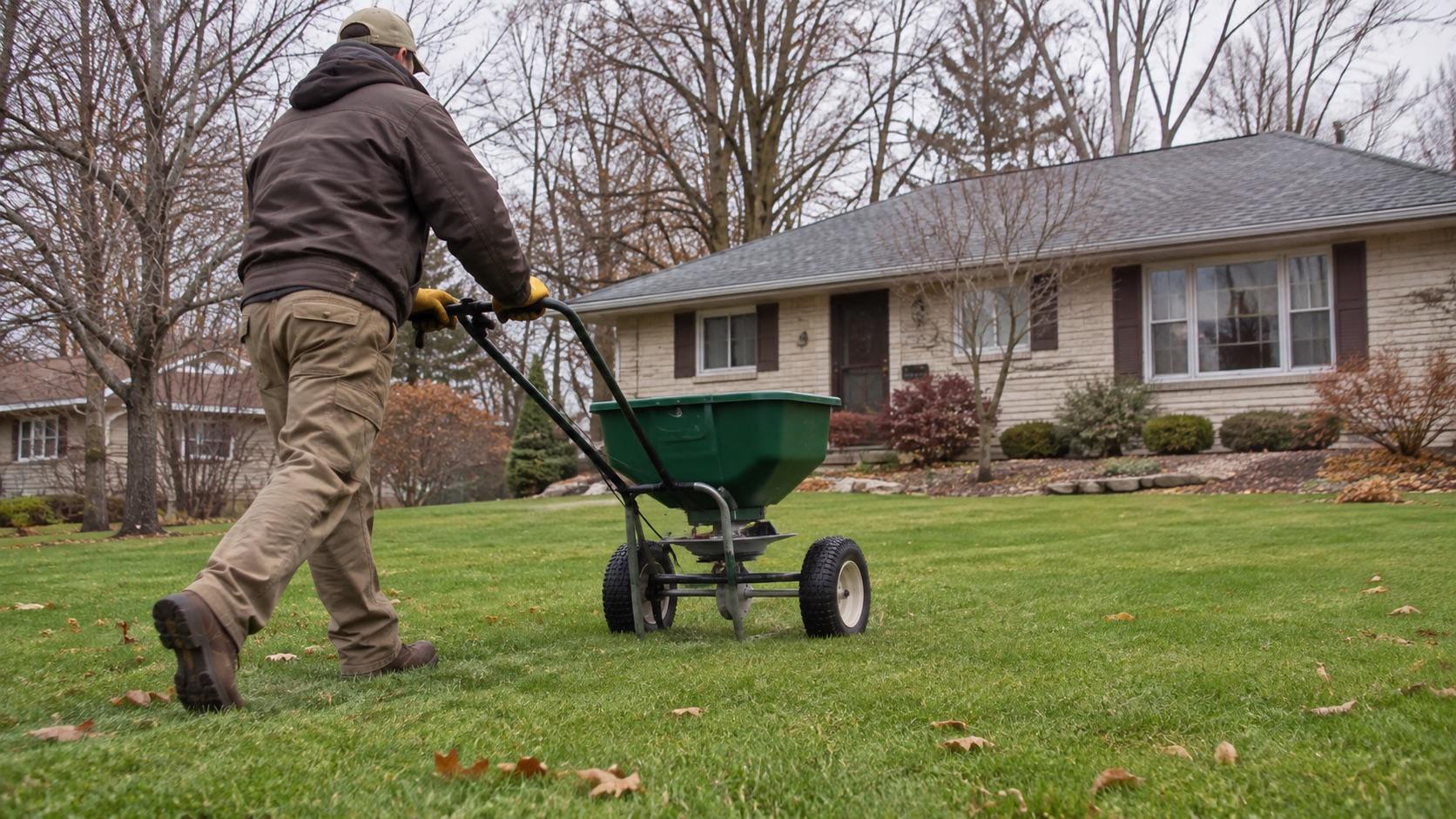
A lawn fertilizing service applies timed feedings of nutrients to your turf, and the best ones tailor the schedule, product, and rate to your soil instead of following a fixed calendar. In Fort Wayne and across Northeast Indiana, cool-season lawns on clay-heavy soil respond best to feedings concentrated in spring and fall. This guide explains what a fertilizing service typically includes, what to expect from each visit, and how to choose a provider you can trust.
What Does a Lawn Fertilizing Service Include in Fort Wayne?
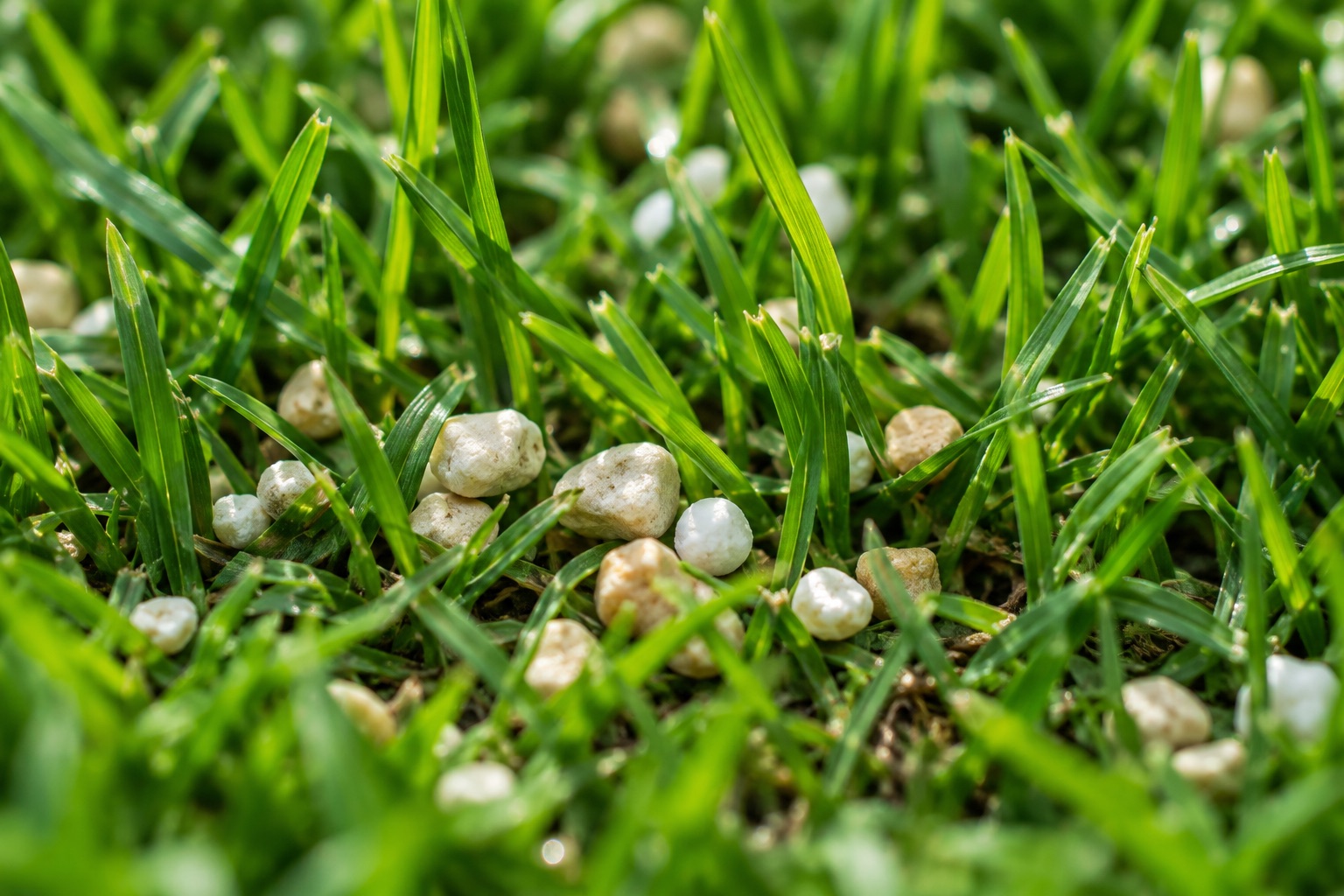
At its simplest, a fertilizing service delivers nutrients your lawn can use, applied evenly and at the right time. Many providers also bundle related steps, so it helps to ask exactly what your quote covers before you compare prices.
- Scheduled feedings: several applications spread across the growing season rather than one heavy dose.
- Even spreading: calibrated equipment so the product lands at a consistent rate across the whole lawn.
- Weed control options: some programs pair feedings with preventive or targeted weed treatments.
- Lawn observations: notes on color, density, and problem spots at each visit.
You can see the broader range of lawn work on our lawn services page.
A good fertilizing program feeds the lawn you actually have, not a one-size-fits-all schedule.
How Does Northeast Indiana Soil and Climate Affect Fertilizing?
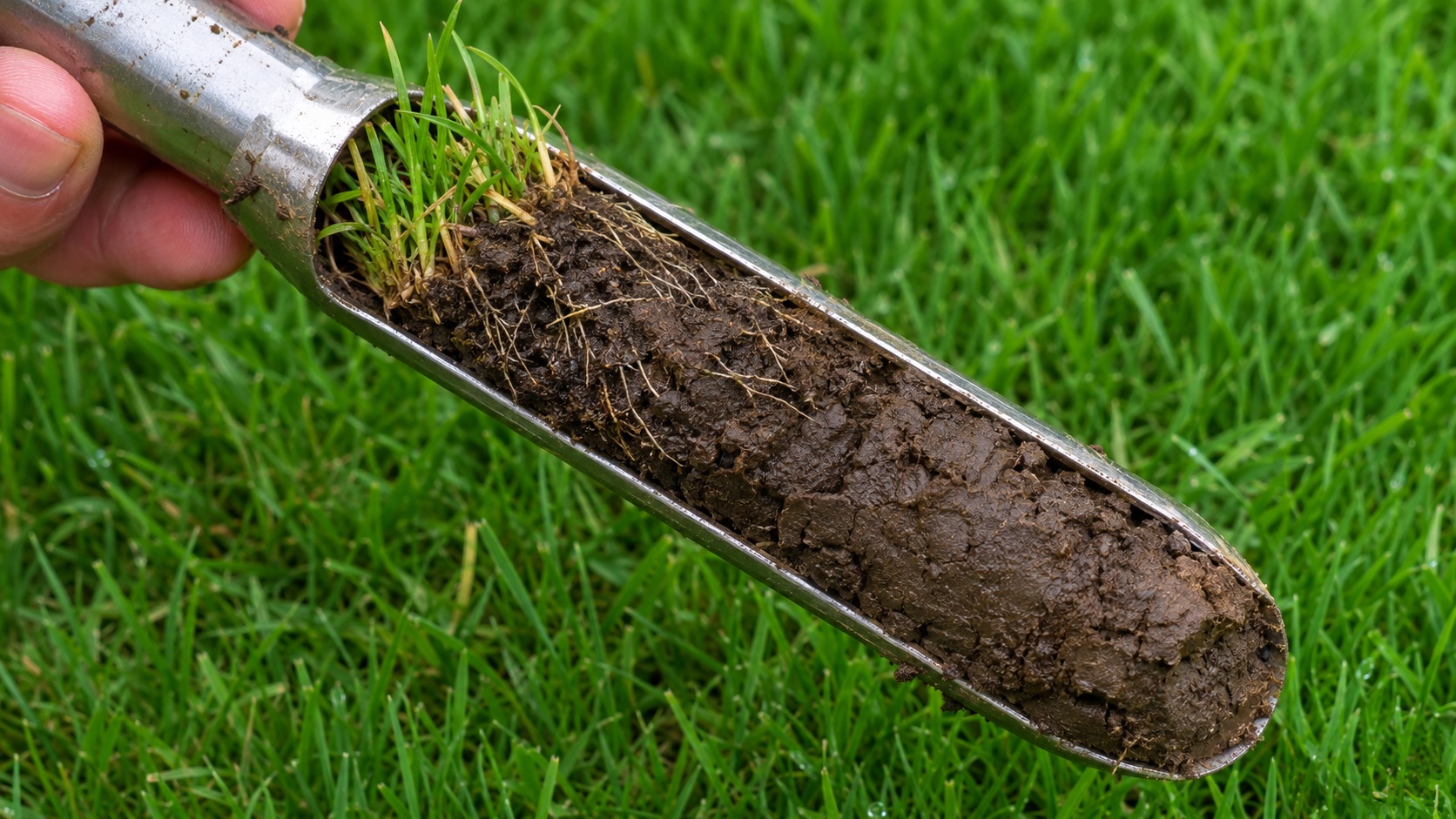
Fort Wayne sits in USDA Zone 5b, and most local lawns are cool-season grasses such as Kentucky bluegrass, tall fescue, and perennial ryegrass. These grasses grow hardest in spring and fall, which is when they typically use fertilizer most effectively.
Clay-heavy soil holds nutrients well but also compacts easily and can stay wet in spring. That means the right rate and timing matter. Applying too much, or applying right before heavy rain, can waste product and stress the lawn. A provider who works in this region regularly will plan around these conditions.
How Often Should You Fertilize a Lawn in Northeast Indiana?
Most cool-season lawns in this region do well with several applications a year, with the fall feeding often considered the most valuable because it helps roots recover from summer and store energy for winter. Exact timing shifts with the weather, and a cold wet spring or a dry summer may change the plan.
- Early spring: a light feeding as the lawn wakes up, often paired with weed prevention.
- Late spring to early summer: a moderate feeding while growth is strong.
- Early fall: a feeding that supports root recovery after summer stress.
- Late fall: a final application that many programs time as the lawn winds down.
Our lawn fertilization schedule for Northeast Indiana walks through the seasonal rhythm in more detail.
What Should You Expect During a Fertilizing Visit?
A typical visit is short and mostly hands-off for you. The crew applies product across the lawn, and you may be asked to keep pets and children off the grass until it has settled or been watered in, depending on the product used.
Ask your provider what the product label says about watering and re-entry, and follow it. After the visit, a good provider will tell you what was applied and when to expect the next one. If rain is in the forecast, ask whether they adjust the date rather than applying anyway.
How Do You Choose a Lawn Fertilizing Provider in Fort Wayne?
Comparing quotes is easier when you ask each company the same questions. A few minutes on the phone usually tells you a lot about how they work.
- What is included? Ask how many applications and which products are part of the quote.
- Do you look at the lawn first? A quick assessment before a program starts is a good sign.
- How do you handle weather? Providers should reschedule around heavy rain or frozen ground.
- What about pets and kids? Ask for re-entry guidance in plain terms.
- Is the plan in writing? A written scope prevents surprises later.
Can You Do It Yourself Instead of Hiring a Service?
Many homeowners fertilize their own lawns successfully. The main challenges are choosing the right product, calibrating a spreader, and timing applications around the weather. Uneven spreading can leave stripes of dark and pale grass, and over-applying can burn turf.
A soil test can take some of the guesswork out of choosing a product. If you would rather skip the equipment and the scheduling, a service is a reasonable choice, especially for larger lawns. Either way, the goal is steady, well-timed feeding rather than occasional heavy doses.
How Do You Get a Fertilizing Quote for Your Fort Wayne Lawn?
Describe your lawn, note any trouble spots such as thin areas or heavy weeds, and ask for a written quote. Minnick Lawn & Landscaping serves Fort Wayne and surrounding Northeast Indiana, and you can confirm your address when you reach out.
Ready to give your lawn a better season? Request a free quote from Minnick Lawn & Landscaping today and tell us what your lawn needs.