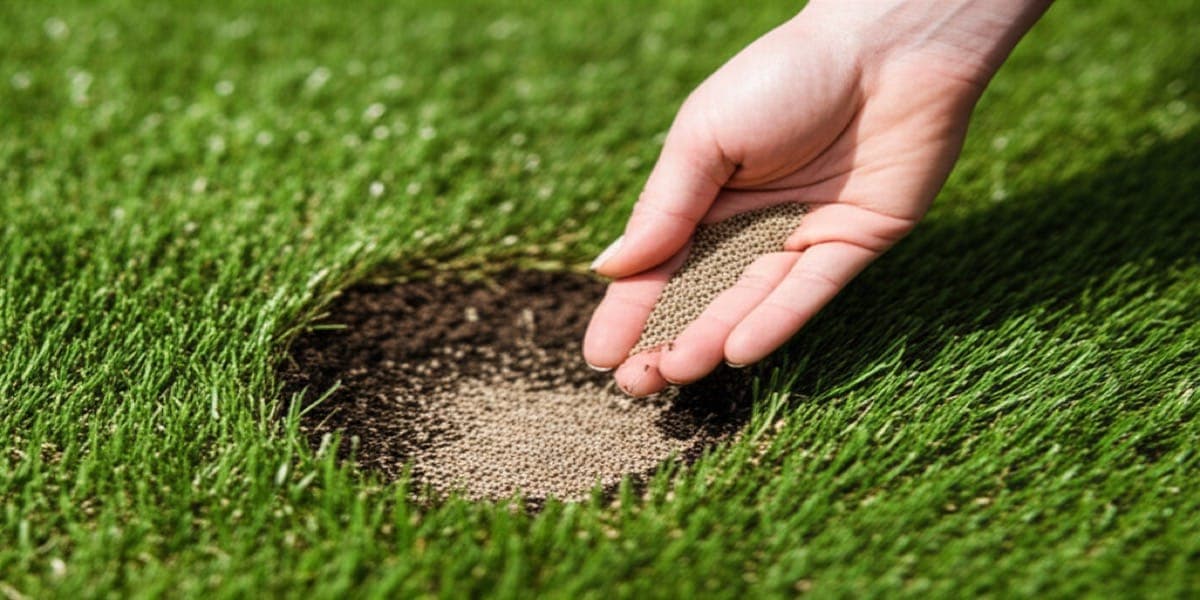
Before and after of repaired bare spot in Fort Wayne lawn

Bare spots in your lawn are more than just unsightly—they’re invitations for weeds, erosion, and additional damage. Whether caused by pets, disease, insects, heavy traffic, or chemical spills, these dead patches won’t fill in on their own in most cases. The good news is that repairing bare spots is straightforward when you understand what caused them and follow proper repair techniques.

In this guide, I’ll walk you through identifying why bare spots develop, the best repair methods for different situations, and how to prevent them from returning. With the right approach, you can restore those problem areas to match the rest of your lawn.

Close-up of bare spot in lawn needing repair

What Causes Bare Spots in Lawns?

Bare spots in Fort Wayne lawns commonly result from dog urine damage, heavy foot traffic, insect damage (especially grubs), fungal disease, chemical spills (fertilizer burn or herbicide drift), scalping from mowing too low, and excessive shade. Identifying the cause is crucial because some issues must be corrected before repair, or the bare spots will simply return.

Common Causes and Signs

CauseTypical AppearanceKey Indicators
Dog urineSmall circles, dead centerDark green ring around dead area
Grub damageIrregular patchesSod pulls up easily, white larvae
Fungal diseaseCircular patternsOccurred during humid weather
Foot trafficPaths, goal areasHigh-use location
Fertilizer burnFollows spreader pathAppeared after fertilizing
ScalpingHigh spots, edgesNear mower height setting
Chemical spillIrregular shapeMatches spill pattern
ShadeUnder trees, structuresGradual thinning

Diagnosing the Cause

Step 1: Examine the pattern

  • Circular = often disease or dog urine
  • Path-shaped = traffic
  • Irregular = insects, chemical, or physical damage
  • Under structures = shade or drainage

Step 2: Check the soil

  • Pull on dead grass—does it lift easily? (grubs)
  • Is soil hard and compacted? (traffic)
  • Does it smell of chemicals? (spill)
  • Is it perpetually wet or dry? (drainage)

Step 3: Consider timing

  • Appeared after fertilizing? (fertilizer burn)
  • After mowing? (scalping)
  • During summer heat? (disease or drought)
  • Gradually over time? (shade or wear)

Must-Fix Issues Before Repair

CauseRequired Action
GrubsTreat with insecticide first
DiseaseTreat or let run course
CompactionAerate before seeding
DrainageCorrect grading if pooling
ShadeAccept or prune trees
ChemicalFlush soil with water

When is the Best Time to Repair Bare Spots in Fort Wayne?

The best time to repair bare spots in Fort Wayne is early fall (late August through September) when soil is warm, air is cool, and conditions favor rapid grass seed germination. Spring (mid-April to mid-May) is the second-best option, though summer weed competition and heat stress make spring repairs more challenging.

Seasonal Repair Guide

SeasonRatingAdvantagesDisadvantages
Fall (Sept)BestWarm soil, cool air, less weed competitionLimited time before winter
Spring (April-May)GoodLong growing season aheadWeed competition, summer stress coming
SummerPoorEmergency repairs possibleHeat stress, more watering needed
WinterN/ANot possible in Fort WayneGround frozen

Fall Repair Window

Optimal timing: August 25 - September 20

Why fall works best:

  • Soil temperature 65-75°F (ideal for germination)
  • Air temperature 60-75°F (less seedling stress)
  • Weed seed germination declining
  • Fall rain helps establishment
  • New grass has time to establish before winter

Spring Repair Window

Acceptable timing: April 15 - May 15

Spring considerations:

  • Wait for soil to reach 55°F
  • Seedlings face summer stress
  • Crabgrass competition
  • May conflict with pre-emergent application
  • Needs more attention to watering

Emergency Summer Repairs

If you must repair in summer:

  • Use sod for instant coverage
  • Water seed multiple times daily
  • Provide temporary shade if possible
  • Accept lower success rate
  • Better to wait for fall if possible

Lawn bare spot being prepared for seeding repair

How Do You Repair Bare Spots with Seed?

To repair bare spots with seed, remove dead grass and debris, loosen the top 1-2 inches of soil, spread grass seed matching your existing lawn at the recommended rate, cover lightly with soil or peat moss, water gently, and keep consistently moist until established. The process typically takes 2-4 weeks for germination and 6-8 weeks for full establishment.

Step-by-Step Seeding Repair

Step 1: Prepare the Area

  1. Remove dead grass and debris
  2. Rake or loosen top 2 inches of soil
  3. Add topsoil if needed to level
  4. Smooth surface with rake

Step 2: Add Soil Amendment (Optional)

  • Add thin layer of compost (1/4 inch)
  • Mix into loosened soil
  • Improves seed-to-soil contact
  • Provides nutrients

Step 3: Apply Seed

  • Choose seed matching existing lawn
  • Apply at label rate for bare spots (typically 8-10 lbs/1,000 sq ft)
  • For small spots, apply by hand
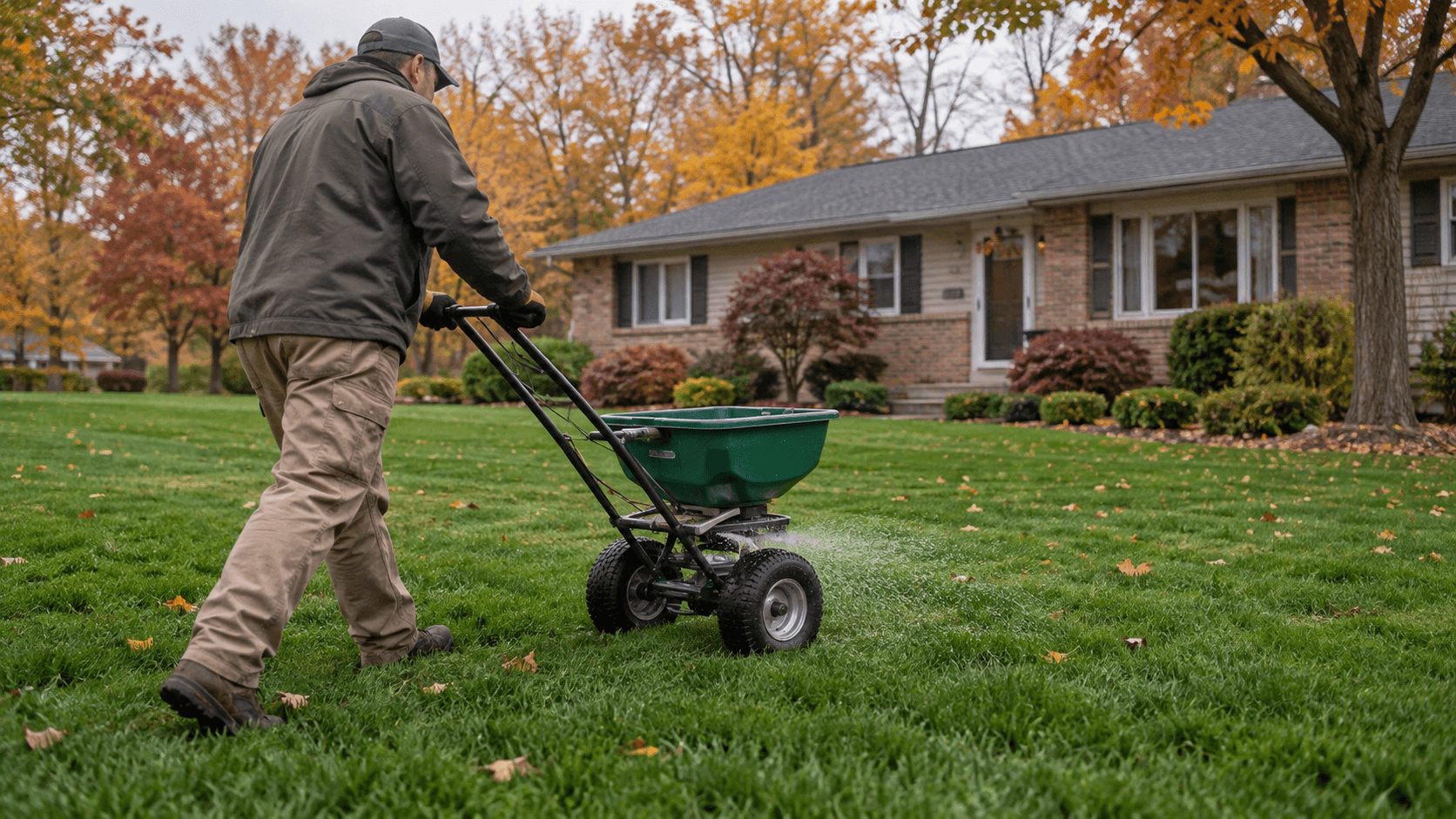
  • For larger areas, use spreader

Step 4: Cover and Protect

  • Lightly cover seed with soil, peat moss, or straw
  • 1/8 to 1/4 inch coverage maximum
  • Seed needs light to germinate
  • Coverage protects from birds, washing away

Step 5: Water Properly

  • Water gently immediately after seeding
  • Keep surface moist (not saturated)
  • Multiple light waterings daily
  • Don’t let seed dry out
  • Reduce once grass is 2 inches tall

Materials Checklist

ItemPurposeAmount
Grass seedNew grass growthPer label rate
TopsoilFill low spotsAs needed
CompostSoil improvementThin layer
Straw/peat mossSeed coverageLight application
Starter fertilizerEarly nutritionPer label

Post-Seeding Care

TimeframeAction
Days 1-14Water 2-3× daily, keep moist
Days 14-21Reduce to daily watering
Week 3-4Water every other day
Week 5+Transition to normal schedule
First mowWhen grass reaches 3.5 inches

How Do You Repair Bare Spots with Sod?

For instant results, repair bare spots with sod by cutting out the damaged area in a square or rectangle, loosening the soil beneath, laying fresh sod cut to fit the opening, pressing firmly for soil contact, and watering immediately. Sod repairs establish faster than seed and provide immediate coverage, making them ideal for high-visibility areas.

Step-by-Step Sod Repair

Step 1: Cut Out Damaged Area

  1. Use flat spade or lawn edger
  2. Cut square or rectangle (easier to patch)
  3. Extend slightly into healthy grass
  4. Remove all dead material

Step 2: Prepare the Base

  1. Loosen soil 2-3 inches deep
  2. Remove rocks and debris
  3. Add topsoil if needed for level
  4. Firm soil slightly before laying sod

Step 3: Cut and Lay Sod

  1. Cut sod piece to match opening
  2. Cut slightly oversized, trim to fit
  3. Ensure tight fit against existing turf
  4. Don’t overlap or leave gaps

Step 4: Secure and Finish

  1. Press firmly on all edges
  2. Step on patch to ensure contact
  3. Fill any gaps with soil
  4. Water immediately and thoroughly

Step 5: Maintain

  1. Water daily for 2 weeks
  2. Keep sod consistently moist
  3. Don’t mow until rooted (2-3 weeks)
  4. Pull corner to check rooting

When to Choose Sod Over Seed

SituationBest ChoiceReason
High-visibility areaSodInstant improvement
Small spots (< 1 sq ft)SodFast, easy
Summer repairSodBetter survival
Pet damageSodImmediate coverage
Erosion riskSodStabilizes soil
Budget prioritySeedMuch less expensive
Large areasSeedCost-effective
Fall timingEitherBoth work well

Sod Repair Tips

  • Buy matching grass - Get sod from same source as original lawn if possible
  • Install same day - Fresh sod roots better
  • Check moisture - Sod dries quickly on edges
  • Don’t fertilize immediately - Wait 2-3 weeks
  • Stay off it - Minimize traffic until rooted

Fresh sod patch being installed to repair bare spot

How Do You Fix Bare Spots Caused by Dog Urine?

Dog urine damage creates characteristic circular dead spots with dark green rings caused by concentrated nitrogen. To repair, first flush the area thoroughly with water to dilute remaining salts, then follow standard seeding or sodding procedures. For prevention, train dogs to use a designated area, water spots immediately after urination, or try dietary supplements that neutralize urine nitrogen.

Understanding Dog Urine Damage

Why it happens:

  • Dog urine contains concentrated nitrogen
  • Nitrogen “burns” grass at high concentrations
  • Female dogs cause worse damage (squat position)
  • Same spot repeated damage compounds

Characteristic appearance:

  • Dead brown center
  • Dark green ring around dead area
  • Green ring = low-dose nitrogen fertilization
  • Dead center = nitrogen overdose

Repair Process

Step 1: Flush the Soil

  • Water damaged area heavily
  • Apply 3-4 times normal amount
  • Dilutes residual nitrogen and salts
  • Wait 1-2 days before seeding

Step 2: Standard Repair

  • Follow seeding or sod procedures
  • May need extra soil to fill depression
  • Use same grass type as surrounding lawn

Step 3: Prevention Going Forward

  • Train dog to use designated area
  • Water spots immediately after urination
  • Adjust dog’s diet (consult vet)
  • Use “dog spot” products (limited effectiveness)
  • Create gravel dog run area

Prevention Strategies

MethodEffectivenessNotes
Immediate wateringHighDilutes before damage
Designated areaHighRequires training
Diet supplementsVariableConsult vet
Spray productsLow to moderateMixed reviews
Resistant grassModerateTall fescue more tolerant

Long-Term Solutions

For persistent dog urine issues:

  1. Create dog run - Gravel or artificial turf area
  2. Install signs - “Keep dogs off lawn”
  3. Plant tall fescue - More resistant variety
  4. Accept some damage - Part of having dogs
  5. Maintain healthy lawn - Thick turf recovers better

How Do You Prevent Bare Spots from Forming?

Preventing bare spots requires maintaining a thick, healthy lawn through proper mowing, watering, and fertilization, addressing problems promptly before they spread, managing traffic patterns, and treating pest and disease issues quickly. A dense, well-maintained lawn naturally resists damage and recovers faster when problems do occur.

Prevention Strategies by Cause

For Traffic Damage:

  • Install stepping stones in high-traffic areas
  • Create designated pathways
  • Rotate activities to different areas
  • Aerate compacted areas
  • Overseed to thicken thin spots

For Pest/Disease:

  • Maintain healthy turf (resists problems)
  • Monitor for early signs
  • Treat promptly when issues appear
  • Follow proper watering practices
  • Don’t overfertilize

For Mowing Damage:

  • Never remove more than 1/3 blade height
  • Keep blades sharp
  • Adjust for uneven terrain
  • Avoid scalping turns
  • Vary mowing pattern

For Environmental Issues:

  • Accept shade limitations or remove trees
  • Improve drainage if water pools
  • Use appropriate grass for conditions
  • Apply recommended fertilization schedule

Lawn Health Best Practices

PracticeBenefit
Proper mowing height (3"+)Promotes deep roots
Deep, infrequent wateringEncourages root depth
Annual aerationRelieves compaction
Fall overseedingThickens thin areas
Balanced fertilizationSupports healthy growth
Quick problem responsePrevents damage spread

Building a Resistant Lawn

Long-term strategies:

  1. Overseed annually - Thicker turf resists problems
  2. Choose tough varieties - Tall fescue for high traffic
  3. Build soil health - Compost, aeration
  4. Maintain density - Full coverage = weed resistance
  5. Address issues early - Small problems stay small

Healthy thick lawn resistant to bare spots

What Are the Best Grass Seed Varieties for Patching?

For patching bare spots in Fort Wayne lawns, choose seed that matches your existing grass type: Kentucky bluegrass blends for sunny areas (best spreading ability), tall fescue for high-traffic zones and drought tolerance, perennial ryegrass for quick germination, and fine fescue for shaded spots. Using the same variety ensures uniform appearance after establishment.

Grass Type Comparison

Grass TypeSun NeedsTraffic ToleranceGerminationSpreadingBest Use
Kentucky BluegrassFull sunModerate14-21 daysExcellentMain lawn
Tall FescueSun to part shadeHigh7-12 daysNoneHigh traffic
Perennial RyegrassFull sunGood5-7 daysNoneQuick cover
Fine FescueShade to part sunLow12-22 daysModerateShade

Matching Your Lawn

If you have Kentucky bluegrass:

  • Use Kentucky bluegrass seed
  • Will spread to blend with existing
  • Takes longer but matches perfectly
  • Premium choice for appearance

If you have tall fescue:

  • Use tall fescue seed
  • Match coarse texture
  • Won’t spread but fills in
  • Good for durability

If you’re unsure:

  • Look at blade width
  • Check sun/shade conditions
  • Start with quality sun/shade mix
  • Or get professional assessment

Seed Shopping Tips

Look for:

  • Certified seed (high purity)
  • 0% weed seed
  • High germination percentage (85%+)
  • Named varieties (not “VNS”)
  • Recent test date

Avoid:

  • Bargain bulk seed
  • “Contractor” grade
  • Annual ryegrass in permanent lawns
  • Old seed with expired test date

Application Rates for Bare Spots

SituationRate (per 1,000 sq ft)
Complete bare spot8-10 lbs
Thin area4-6 lbs
Light overseeding2-3 lbs
After aeration4-5 lbs

Should You Use Seed-Starting Products for Repairs?

Seed-starting products like coated seeds, starter fertilizers, and seed repair kits can improve bare spot repair success by providing consistent moisture, early nutrition, and protection from washing away. While not strictly necessary with proper technique, these products simplify the process and can improve results, especially for novice lawn caretakers.

Product Types

Coated Seeds:

  • Water-retaining coating around seed
  • May include fertilizer or growth stimulants
  • Easier moisture management
  • Higher cost per seed

Starter Fertilizers:

  • High phosphorus (middle number)
  • Promotes root development
  • Apply at seeding
  • Examples: 10-18-10, 12-25-10

Seed Repair Kits:

  • Pre-measured seed, mulch, fertilizer
  • Simple application
  • Good for small spots
  • Higher cost per square foot

Product Comparison

Product TypeCostConvenienceEffectiveness
Plain seed + care$LowestHigh with proper technique
Coated seed$$GoodHigh, especially in heat
Starter fertilizer$Easy addRecommended
Repair kit (Scotts EZ Seed, etc.)$$$HighestGood for beginners

When to Use Products

Worth the investment:

  • Summer repairs (moisture critical)
  • Busy schedules (less monitoring)
  • Small spot repairs
  • Challenging conditions
  • First-time repairers

Save your money:

  • Fall repairs in ideal conditions
  • Experienced lawn care
  • Large areas (cost prohibitive)
  • Already have proper supplies

Grass seed repair kit being applied to bare spot

What Should You Do If Repairs Keep Failing?

If bare spot repairs keep failing, investigate underlying causes: persistent pest problems, disease issues, soil contamination, poor drainage, excessive shade, or chronic traffic. Sometimes a spot simply isn’t suitable for grass, and alternative solutions like expanding a bed, installing pavers, or using ground cover plants may be more practical.

Troubleshooting Failed Repairs

SymptomLikely CauseSolution
Seed never germinatesToo dry, birds, old seedKeep moist, cover seed, fresh seed
Germinates then diesDries out, fertilizer burnMaintain moisture, reduce fertilizer
Grows then diesGrubs, disease, conditionsIdentify and treat cause
Returns to bareOngoing problemAddress root cause
Never fills inShade, compactionImprove conditions or accept

Persistent Problem Solutions

For chronic shade:

  • Prune trees to increase light
  • Overseed with fine fescue
  • Consider shade-loving ground cover
  • Accept thinner grass in deep shade
  • Expand beds into shaded areas

For drainage issues:

  • Add drainage improvements
  • Raise grade with topsoil
  • French drain in severe cases
  • Plant water-tolerant species
  • Convert to rain garden

For compaction:

  • Multiple aeration passes
  • Add organic matter
  • Install stepping stones
  • Create designated pathways
  • Consider permeable pavers

When to Consider Alternatives

Sometimes grass isn’t the answer:

  • Chronic shade → Hostas, pachysandra, mulch
  • Heavy traffic → Stepping stones, path
  • Pet damage → Gravel run, artificial turf
  • Under trees → Mulch ring, shade plants
  • Low drainage → Rain garden, wetland plants

At Minnick Lawn & Landscaping, our lawn care services include assessment and repair of problem areas, helping Fort Wayne homeowners achieve uniform, healthy lawns.


Restore Your Lawn’s Beauty

Bare spots don’t have to be permanent eyesores. With proper diagnosis, appropriate repair techniques, and preventive measures, you can restore damaged areas to match your healthy lawn. Remember that fall is your best ally—plan major repairs for September when conditions favor success.

Need help with persistent lawn problems? We’re here to help.

Request a Free Quote or call us at (260) 450-4676 for professional lawn repair and restoration services.


Frequently Asked Questions

How long does it take for seeded bare spots to fill in?

Grass seed typically germinates in 7-21 days depending on variety, with full establishment taking 6-8 weeks. Kentucky bluegrass takes longer (14-21 days germination) but spreads to fill gaps, while perennial ryegrass germinates quickly (5-7 days) but doesn’t spread.

Can I use sod from one part of my lawn to patch another?

Yes, but be careful. Cut healthy sod, repair the original spot with seed, and install the transplanted sod in the bare area. This works well for small spots but weakens the donor area temporarily.

Why won’t grass grow under my tree?

Most turf grasses need 4-6 hours of sunlight daily. Dense shade, tree root competition for water and nutrients, and different soil conditions under trees make grass difficult to maintain. Fine fescue tolerates more shade, or consider mulch or shade-loving plants.

Should I put down topsoil before seeding?

Add topsoil only if needed to fill depressions or improve existing soil. A thin layer (1/4 to 1/2 inch) mixed with compost can help, but too much topsoil buries seed too deep. For most repairs, loosening existing soil is sufficient.

How do I keep birds from eating my grass seed?

Cover seed lightly with straw, peat moss, or a thin layer of soil. This hides seed from birds and retains moisture. Avoid thick coverage that blocks light. Some gardeners use netting for high-traffic bird areas.

Can I repair bare spots in summer?

Summer repairs are possible but challenging. Use sod for better success, or if seeding, water multiple times daily and provide temporary shade if possible. Fall repairs have much higher success rates.

What if the bare spot is in a different soil type?

If you’ve filled the spot with different soil, match it to surrounding soil as much as possible. Large differences in drainage or texture can create ongoing problems. Consider amending with compost to improve consistency.

How often should I water newly seeded repairs?

Water lightly 2-3 times daily to keep the surface moist until germination (7-21 days). Then reduce to once daily for another week, then every other day, gradually transitioning to normal deep watering over 4-6 weeks.


Sources


Adam Minnick is the owner of Minnick Lawn & Landscaping, serving Fort Wayne, Auburn, and Northeast Indiana since 2018. With years of experience in professional lawn care, Adam and his team help hundreds of local homeowners achieve beautiful, healthy lawns.