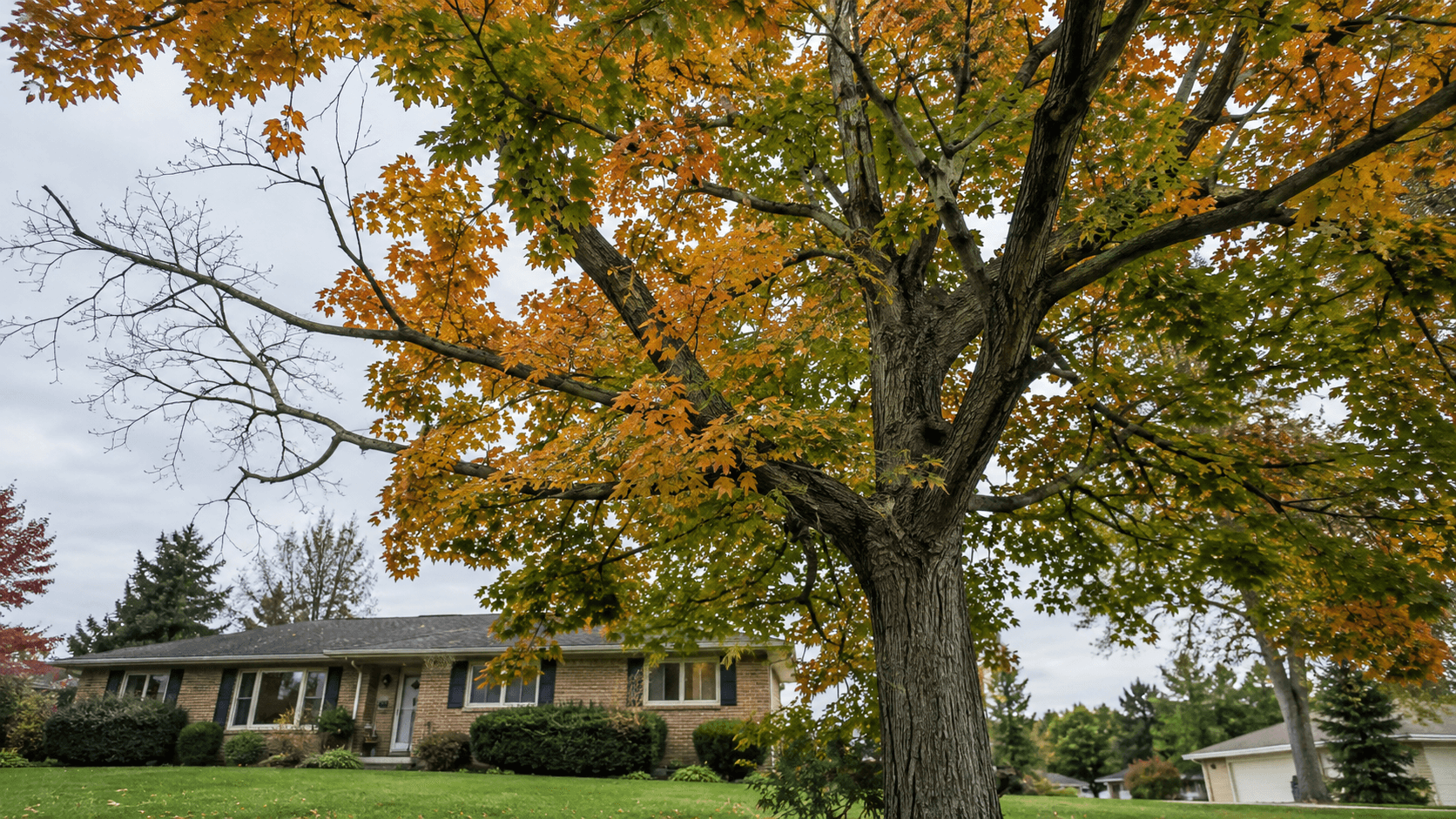
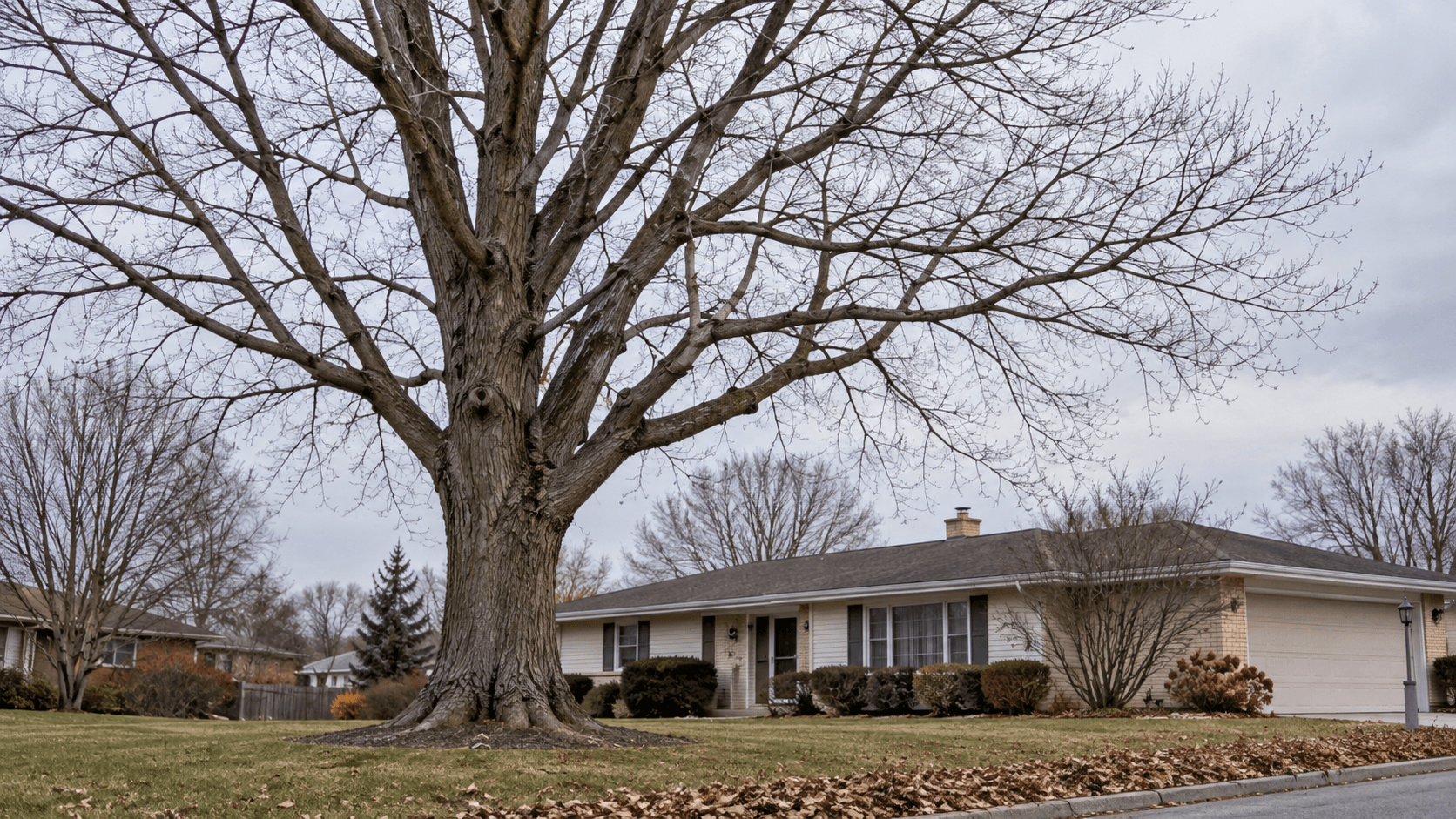
Dormant season is the best window to inspect, prune, and plan for the trees on your Fort Wayne property, typically from after leaf drop in late fall until buds swell in early spring. With the leaves gone, branch structure is easy to read, and most trees are not actively growing, so cuts cause less stress. Here in Northeast Indiana (USDA Zone 5b, with heavy clay soil and winter wind), a little attention between November and March sets your trees up for a stronger spring.
What Is Dormant Season Tree Care in Fort Wayne?
Dormant season tree care is the set of inspection, pruning, and planning jobs best done while deciduous trees are leafless and not actively growing. In Fort Wayne that window typically opens once the leaves have dropped in late fall and runs until buds begin to swell in early spring.
- Inspection: bare branches make cracks, dead limbs, and weak unions easy to see.
- Pruning: removing dead, damaged, or crossing branches while the tree is at rest.
- Planning: deciding which trees need attention before spring growth begins.
The best time to see what a tree really needs is when it has nothing left to hide behind.
Why Is Winter a Good Time to Look at Your Trees in Northeast Indiana?
Without leaves, you can see the full skeleton of the tree: how branches attach to the trunk, where limbs rub together, and which branches are dead. Many problems that are hidden by summer foliage show up clearly against a winter sky.
Frozen ground is also easier on your yard. Clay-heavy soil in Northeast Indiana compacts easily when it is wet, and work done on frozen ground typically leaves less rutting than the same job in a soggy spring.
What Should You Look for When Inspecting Trees After Leaf Drop?
Walk the property on a calm day and look up. You do not need special tools to spot the most common warning signs.
- Dead or hanging limbs: branches with no buds, peeling bark, or that are broken but still attached.
- Cracks and splits: especially where two main stems meet in a V shape.
- Branches over the house, driveway, or power lines: these deserve attention first.
- Rubbing or crossing branches: wounds from friction can invite decay.
- Fungus or soft spots on the trunk: a sign to have the tree looked at more closely.
If you are looking at a tree and are not sure, take photos from a few angles and have a professional take a look. For more on what to watch for before winter, see our post on signs a tree needs pruning before winter.
Which Trees Benefit Most From Dormant Pruning in Fort Wayne?
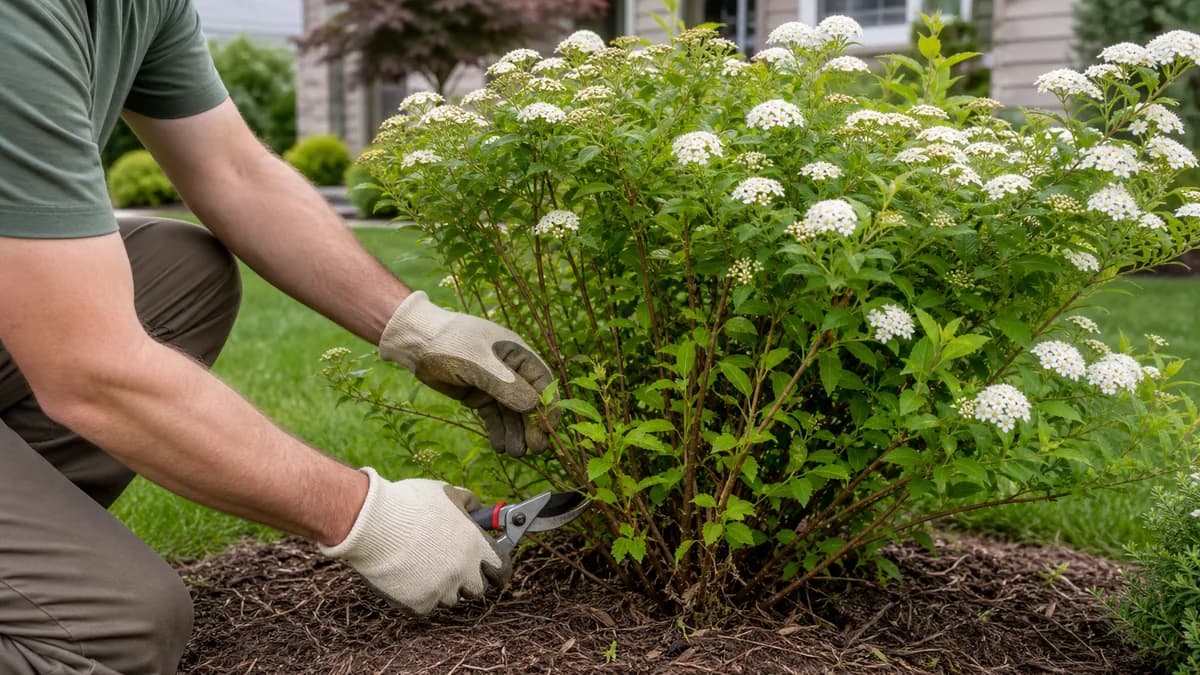
Most deciduous shade and ornamental trees do well with dormant-season structural pruning. Maples, oaks, and many fruit and ornamental trees are commonly pruned while dormant. A few species, such as some flowering trees and shrubs, bloom on last year's wood, so pruning them in winter can cost you that spring's flowers. When in doubt, check the species before you cut.
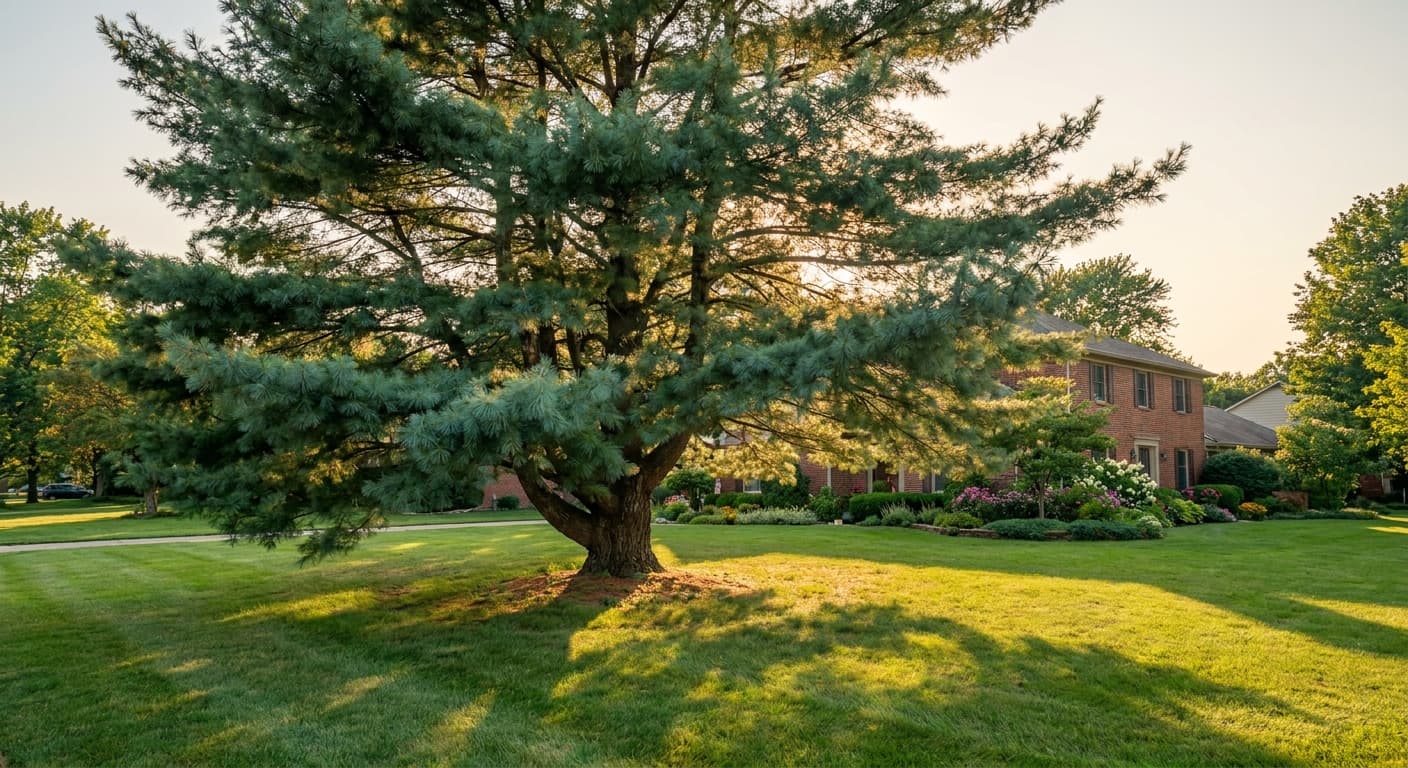
Evergreens such as white pine and spruce generally need much less pruning, and most of what they need is removing dead branches. For timing guidance specific to our area, our guide on the best time to trim trees in Northeast Indiana goes deeper.
How Do You Prune a Tree Safely During the Dormant Season?
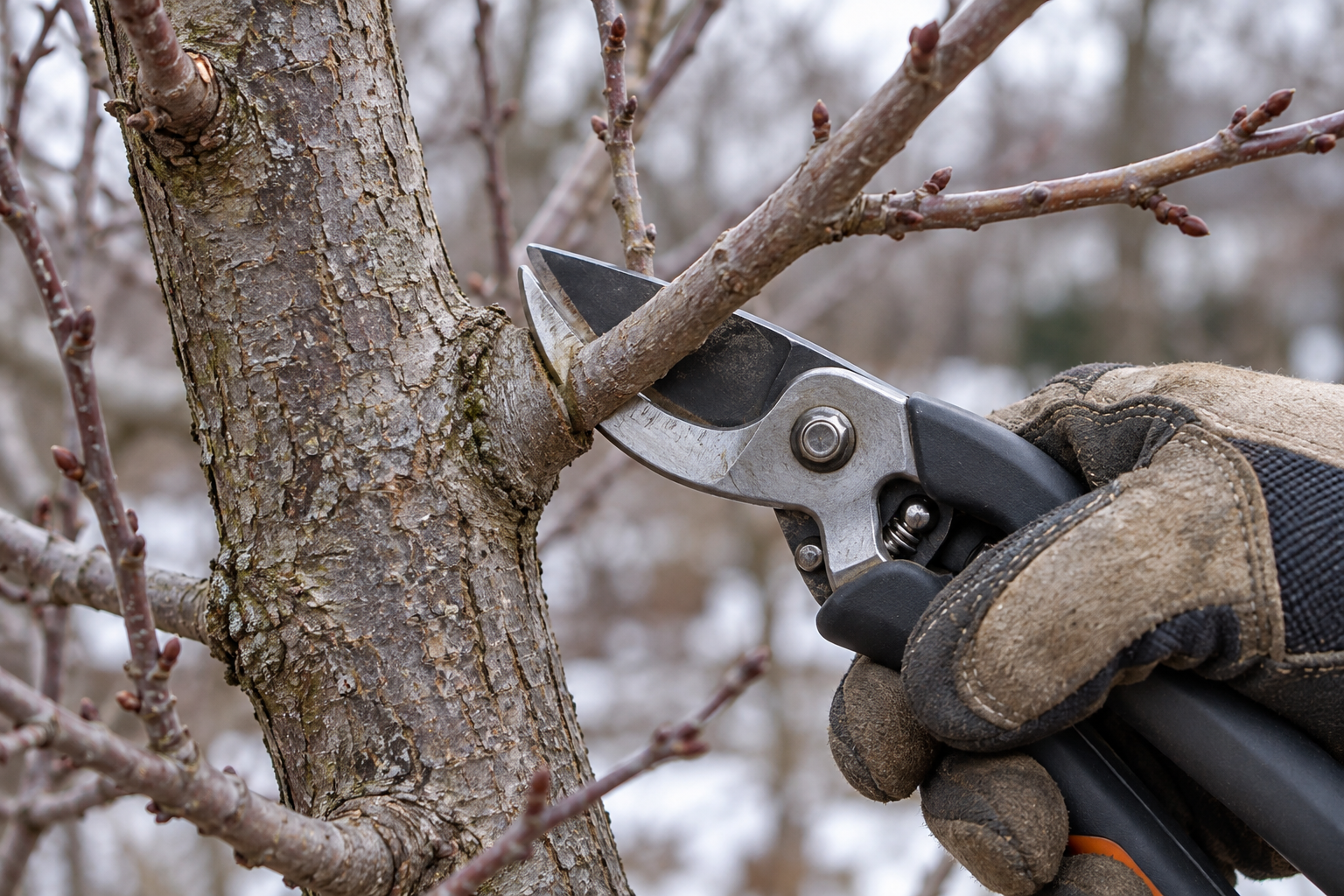
Good pruning is conservative. The goal is to remove problems, not to shrink the tree.
- Start with the three Ds: dead, damaged, and diseased wood come out first.
- Make clean cuts: cut just outside the branch collar, the slightly swollen area where a branch meets its parent.
- Avoid topping: cutting main stems back to stubs weakens the tree and encourages weak regrowth.
- Do not remove too much at once: heavy cuts stress the tree, so spread larger jobs over more than one season.
Large limbs, anything near power lines, and any work that requires climbing or a ladder are jobs for trained crews with the right equipment. Falling branches and chainsaws cause serious injuries every year, so it is not worth the risk to do it yourself.
What Else Can You Do for Your Trees Before Spring?
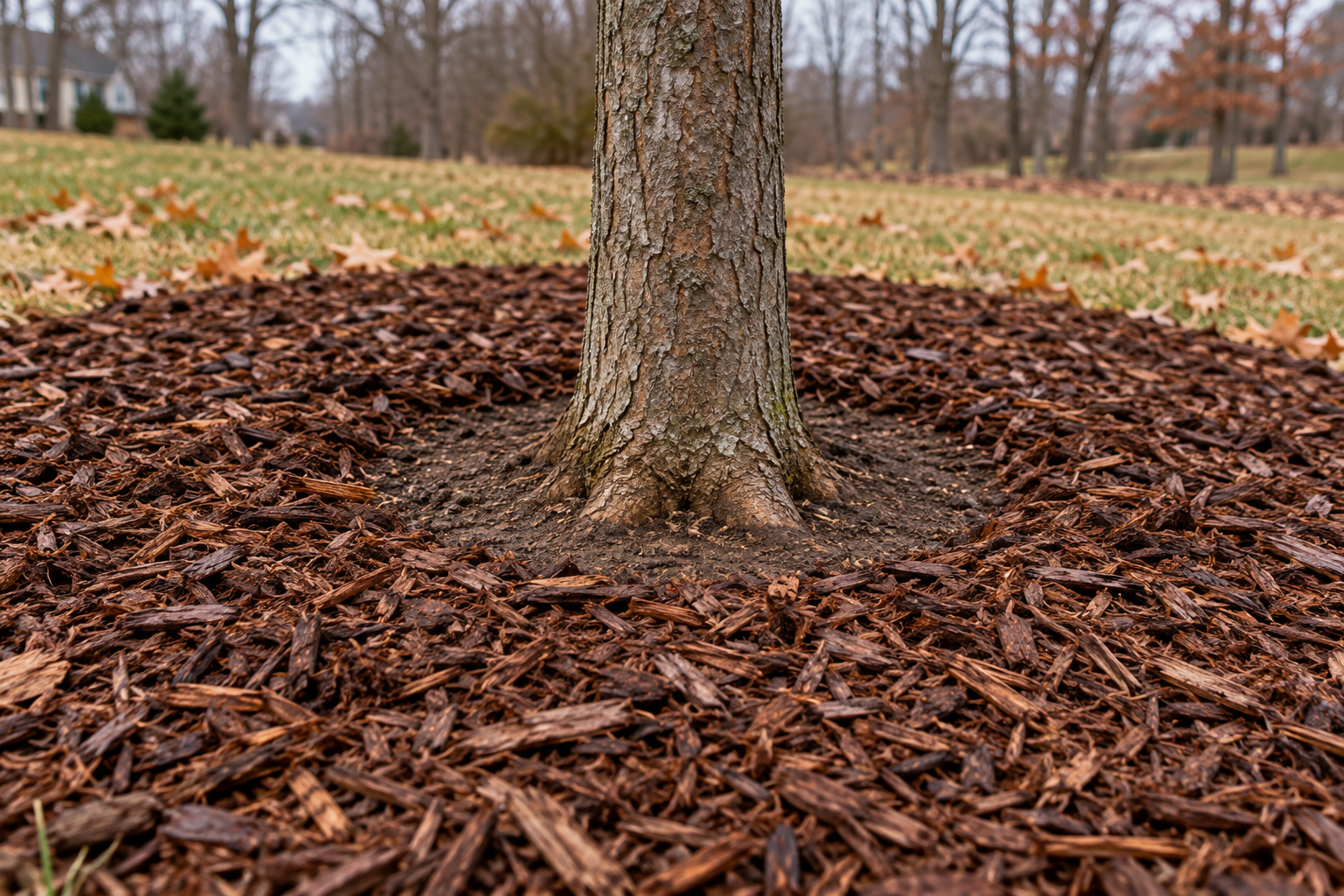
Dormant season is also a good time to look after the ground around your trees. Pull mulch back so it is not piled against the trunk, keep a mulch layer of about two to four inches over the root zone, and keep mower and string-trimmer damage away from the bark. Wrapping or guarding young, thin-barked trees can help protect them from winter sun and animal damage.
It is also a good time to plan. If a tree has died, is leaning, or is too close to the house, deciding now means you are ready when the ground thaws. Our tree care services cover trimming, pruning, and removal across the Fort Wayne area.
When Should You Call a Professional for Winter Tree Work?
Call a professional when a limb is large, hangs over a structure, sits near utility lines, or when you spot signs of decay at the base. A professional can also tell you whether a tree is worth saving, which pruning cuts it needs, and when to schedule the work.
Ready to get your trees ready for spring? Request a free quote from Minnick Lawn & Landscaping this season. Our team will look at your trees and recommend what they need, and what can wait.