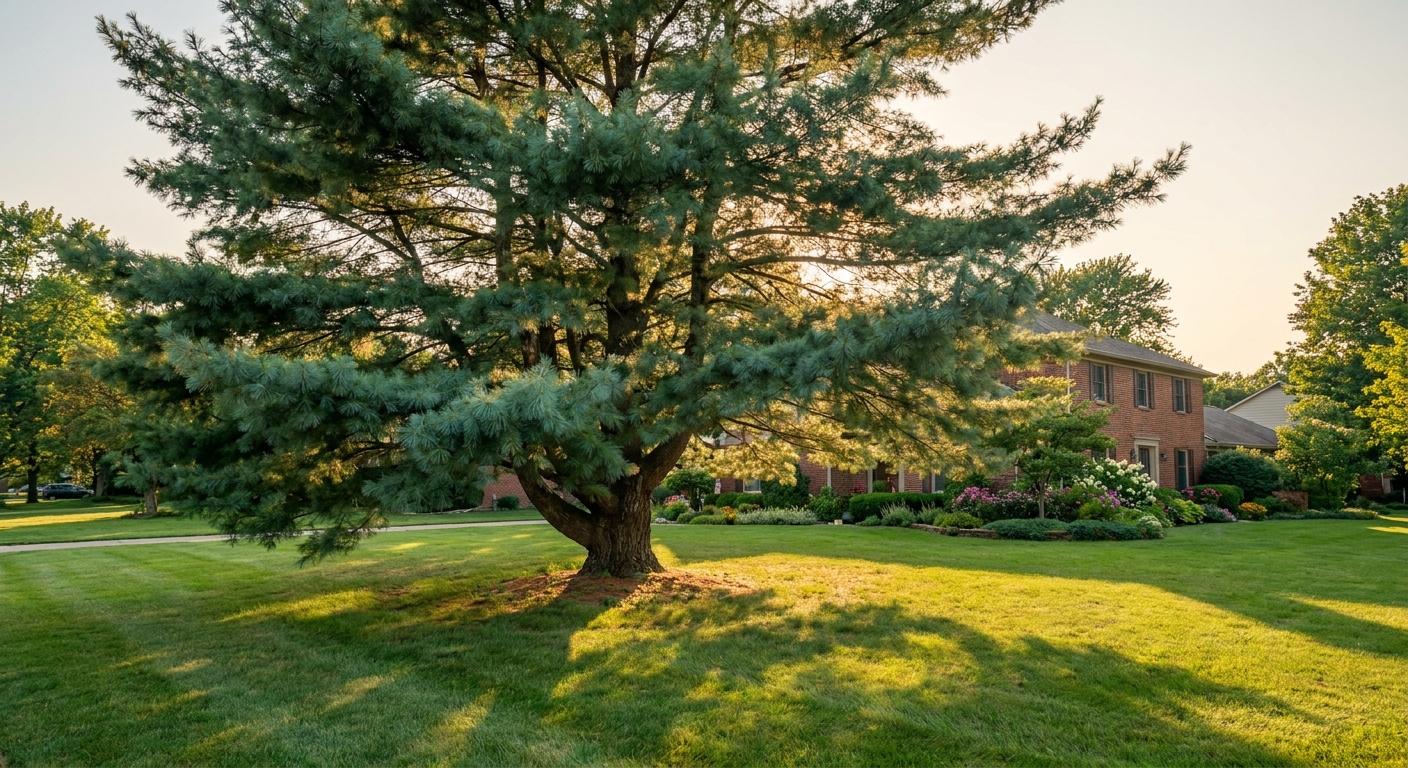
Eastern white pine can thrive in Fort Wayne, Indiana, but success depends on proper site selection, planting technique, and ongoing maintenance. This iconic conifer is native to northeastern forests and adapts well to our USDA Zone 5b climate, though it faces unique challenges in Northeast Indiana's clay-heavy soil and humidity conditions. Understanding these factors will help you grow a healthy, majestic white pine that provides beauty and privacy for decades.
Is Eastern White Pine Native to Northeast Indiana?
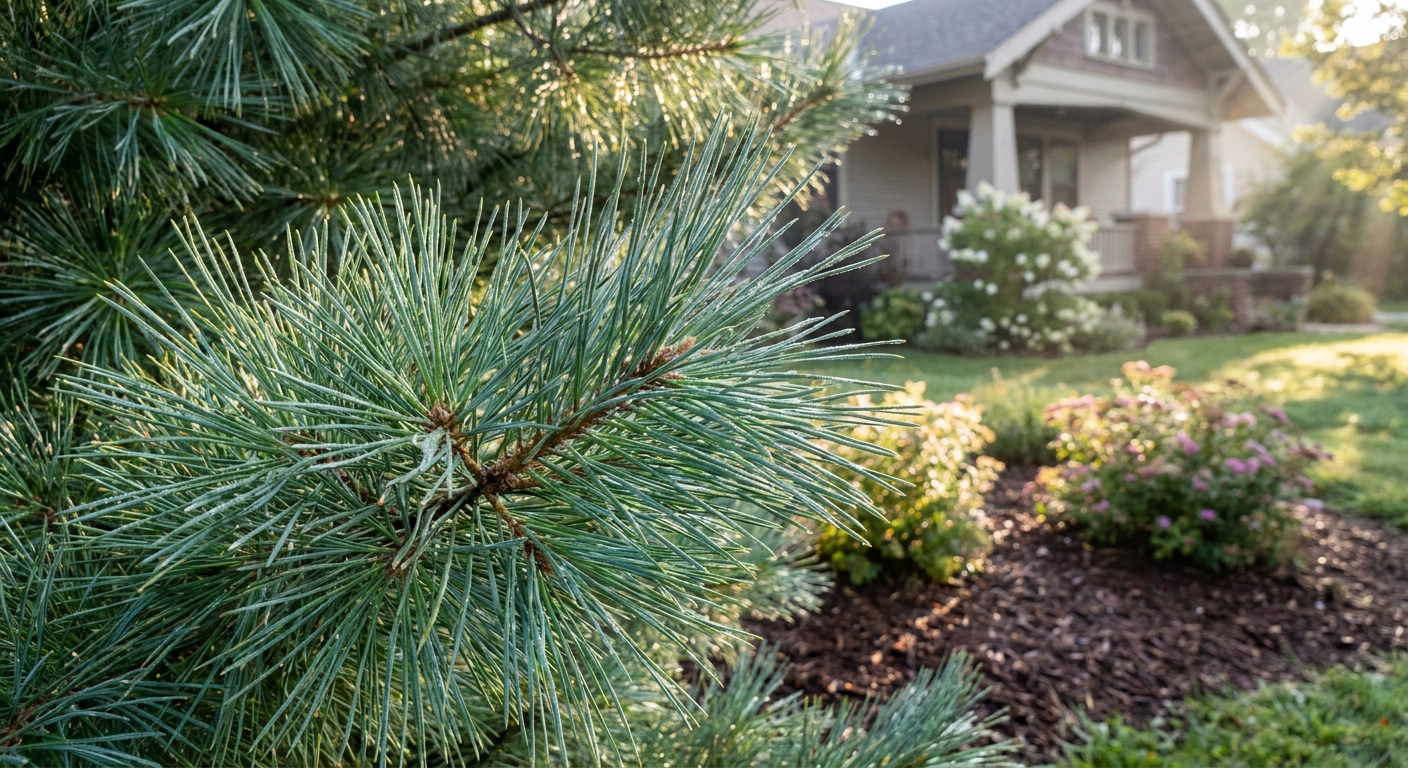
Eastern white pine is not native to Fort Wayne specifically, but it is native to regions just east and north of Northeast Indiana. The species thrives naturally in Pennsylvania, Ohio, and Michigan forests. While it's not a local native, white pine grows successfully throughout Zone 5b because our climate mirrors the cooler regions where it naturally occurs. You'll find mature white pines planted throughout residential Fort Wayne neighborhoods, proving the species adapts well to our area.
The species prefers cooler, well-drained environments similar to Northeast Indiana's spring and fall conditions. However, our hot, humid summers and clay-heavy soil require careful site selection and soil amendment to replicate the pine's preferred growing environment.
What Are the Ideal Growing Conditions for White Pine in Fort Wayne?
Eastern white pine thrives in full sun (6+ hours daily) with well-drained soil and consistent moisture. In Fort Wayne, the species prefers slightly acidic soil with good drainage—a challenge in our clay-dominated Northeast Indiana landscape. Proper site preparation is essential for long-term success and disease prevention.
- Sunlight: Plant in full sun; shade reduces growth and increases disease susceptibility
- Soil pH: Prefers 4.5–6.5 pH; Fort Wayne's neutral to slightly alkaline soil may need adjustment
- Drainage: Must have excellent drainage; wet feet invite root rot and fungal issues
- Moisture: Consistent but not waterlogged; avoid low-lying areas prone to spring flooding
- Air Circulation: Plant away from dense shade trees to reduce humidity and fungal disease risk
- Winter Protection: Mature trees handle Fort Wayne winters well; young trees benefit from windbreaks
What Common Pests and Diseases Affect White Pine in Fort Wayne?
Eastern white pine in Northeast Indiana faces several regional challenges, including white pine weevil, needle cast diseases, and scale insects. Our humid summers and clay soil create ideal conditions for fungal problems. Early detection and preventive care minimize damage and protect your tree's health and appearance.
Key Threats in Fort Wayne's Climate
- White Pine Weevil: Attacks the central leader in spring; causes forked, weakened growth. Most serious threat in our region.
- Needle Cast Diseases: Fungal infections cause browning and needle drop, especially in wet springs common to Northeast Indiana
- Scale Insects: Woolly adelgid and pine needle scale thrive in humid conditions; visible as white cottony spots
- Root Rot: Occurs in poorly drained Fort Wayne clay soil; fatal if not prevented through proper planting
- Tip Blight: Fungal disease targets new growth in cool, wet springs
Regular monitoring by a certified arborist is your best defense. Professional tree care in Fort Wayne includes pest identification and treatment before problems become severe.
How Should You Plant Eastern White Pine in Fort Wayne's Soil?
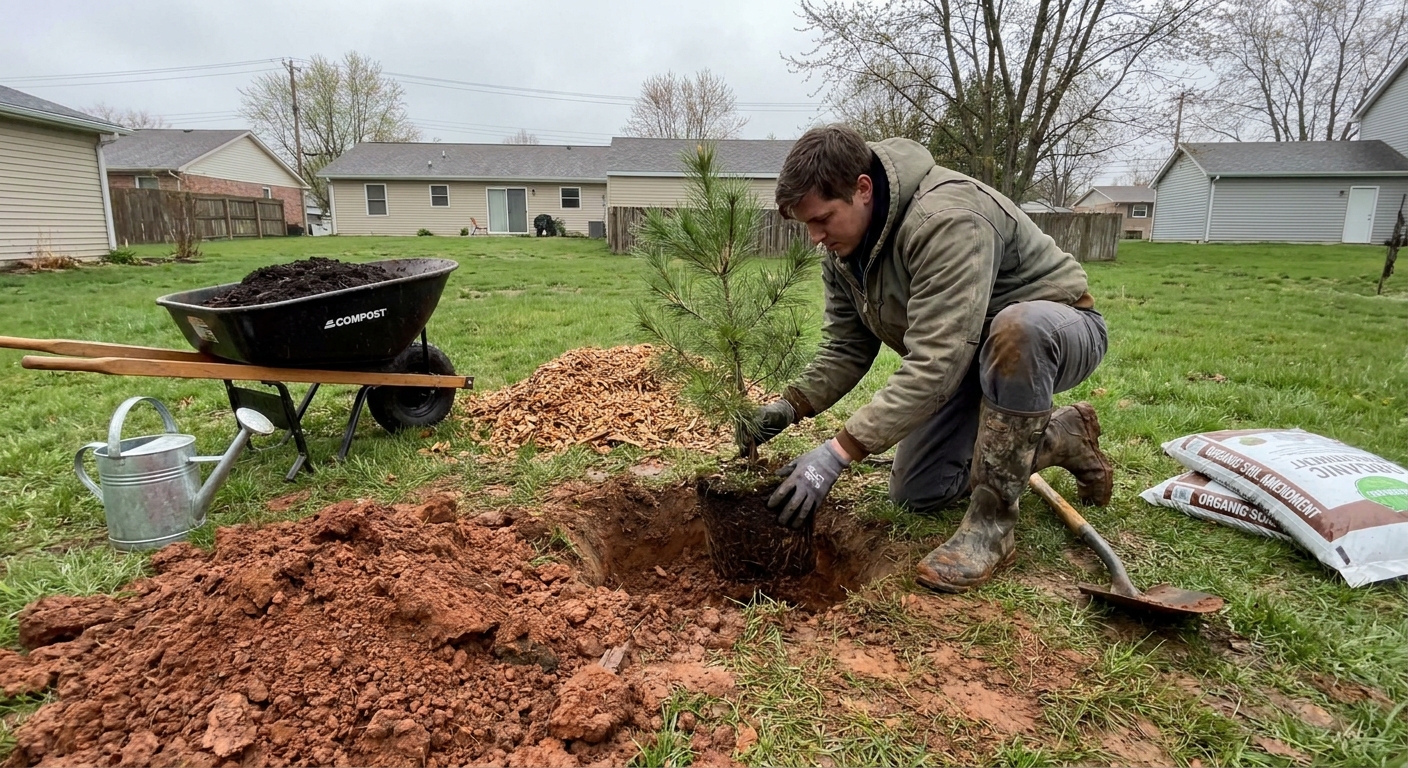
Successful white pine planting in Fort Wayne requires amending our clay soil to improve drainage and create acidic conditions. The planting hole should be 2–3 times wider than the root ball, with amended backfill that blends native soil with compost and sulfur to lower pH. Proper planting technique is non-negotiable for long-term survival in Northeast Indiana.
Step-by-Step Planting Guide
- Site Prep: Choose a location with full sun, air circulation, and well-drained soil. Avoid low spots or areas with poor drainage.
- Soil Amendment: Mix Fort Wayne's native clay with 30–40% pine bark compost and composted leaves. Add elemental sulfur per soil test recommendations to lower pH toward 5.5.
- Dig the Hole: Make the hole 2–3× the root ball width but no deeper. The top of the root ball should be at or slightly above grade.
- Backfill: Use amended soil mixture; water thoroughly to settle and eliminate air pockets.
- Mulch: Apply 2–3 inches of pine bark mulch around the base, keeping it 6 inches away from the trunk to prevent rot.
- Water: Water deeply twice weekly the first growing season; white pines need consistent moisture during establishment.
- Stake Young Trees: In Fort Wayne's windier springs, stake trees under 6 feet tall to prevent root damage while anchoring.
Proper planting is the foundation of white pine success in Fort Wayne. Rushing this step or planting in unsuitable soil almost guarantees failure within 5–10 years.
What Ongoing Care Does White Pine Need in Northeast Indiana?
Once established, eastern white pine requires minimal maintenance but benefits from annual monitoring, pruning, and pest management. In Fort Wayne's humid climate, preventive care extends the tree's lifespan and preserves its attractive pyramidal form. Most issues are manageable with proactive attention.
- Watering: Water deeply during dry spells in summer; white pines prefer consistent moisture without waterlogging
- Pruning: Remove dead or diseased branches promptly; prune competing leaders to maintain single-stem form
- Pest Monitoring: Inspect branches in April–May for weevil damage; treat early if found
- Fungal Prevention: Ensure good air circulation; avoid overhead watering in humid conditions
- Fertilizing: Generally unnecessary if tree is planted in amended soil; excess nitrogen increases pest susceptibility
Should You Plant Eastern White Pine or Consider Alternatives in Fort Wayne?
Eastern white pine is worth planting in Fort Wayne if you have suitable site conditions and commit to proper establishment and maintenance. However, other evergreens may be better choices for problematic locations. Consider site conditions, your maintenance capacity, and long-term goals when deciding.
When to Choose White Pine
Plant white pine if you have full sun, well-drained or amended soil, good air circulation, and willingness to monitor for pests. The species rewards proper care with rapid growth, beautiful form, and decades of visual appeal in Northeast Indiana landscapes.
When to Consider Alternatives
If your site is shaded, poorly drained, or prone to wind exposure, alternatives like Canadian hemlock, white spruce, or eastern arborvitae may perform better. These natives or near-natives often require less intensive management in Fort Wayne conditions.
Ready to add an eastern white pine to your Fort Wayne property? Our certified arborists at Minnick Lawn & Landscaping can assess your site, recommend the best species for your location, and handle professional planting and long-term care. With 79+ five-star reviews, we've helped Northeast Indiana homeowners establish thriving tree canopies. Request a free quote today and let's determine if white pine is right for your landscape.