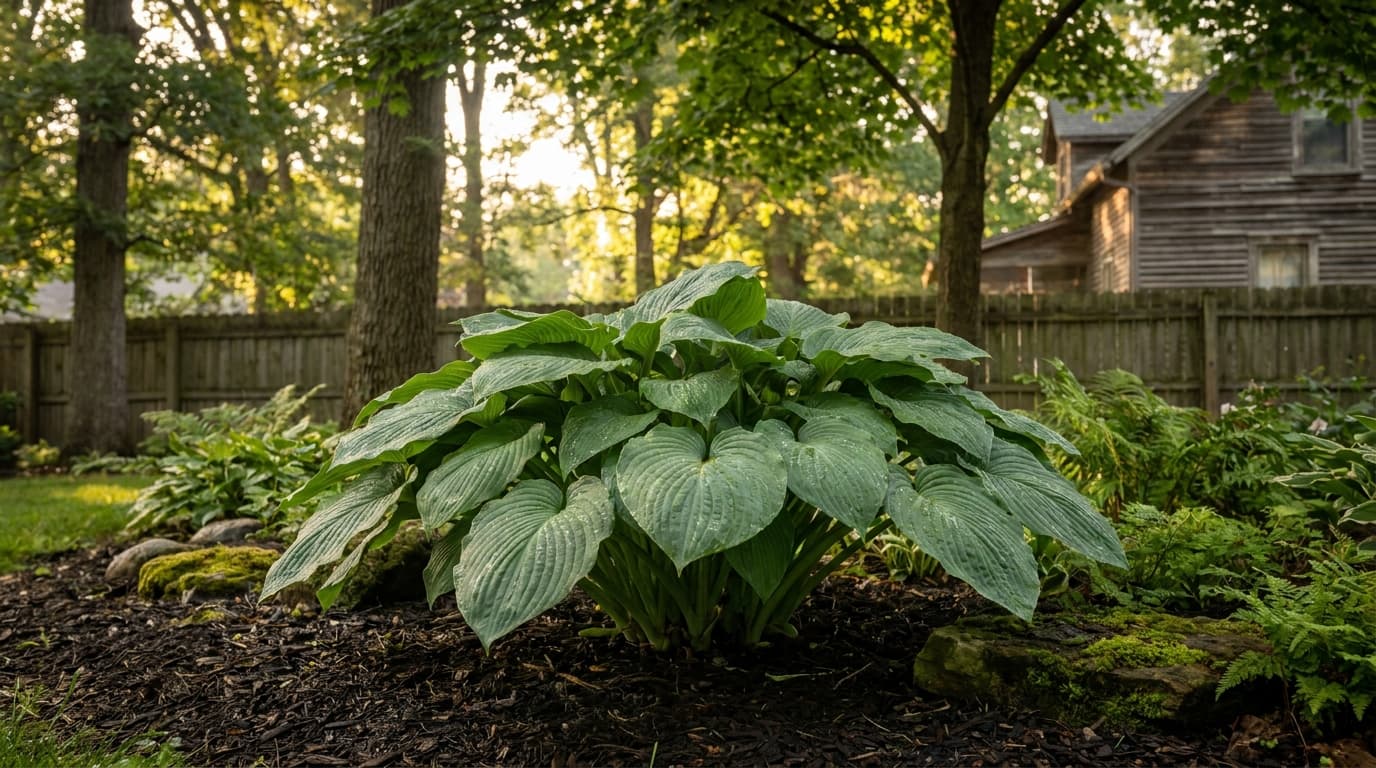
Hostas are a Fort Wayne landscaping staple, thriving in our shade gardens with minimal fuss. But knowing when to trim them back is crucial for healthy growth and preventing disease in Northeast Indiana's humid climate. The best time to cut hostas is late fall after the first hard frost, or early spring just as new growth emerges. Timing your pruning correctly ensures your hostas bounce back strong each season.
Why Does Timing Matter for Hosta Pruning?
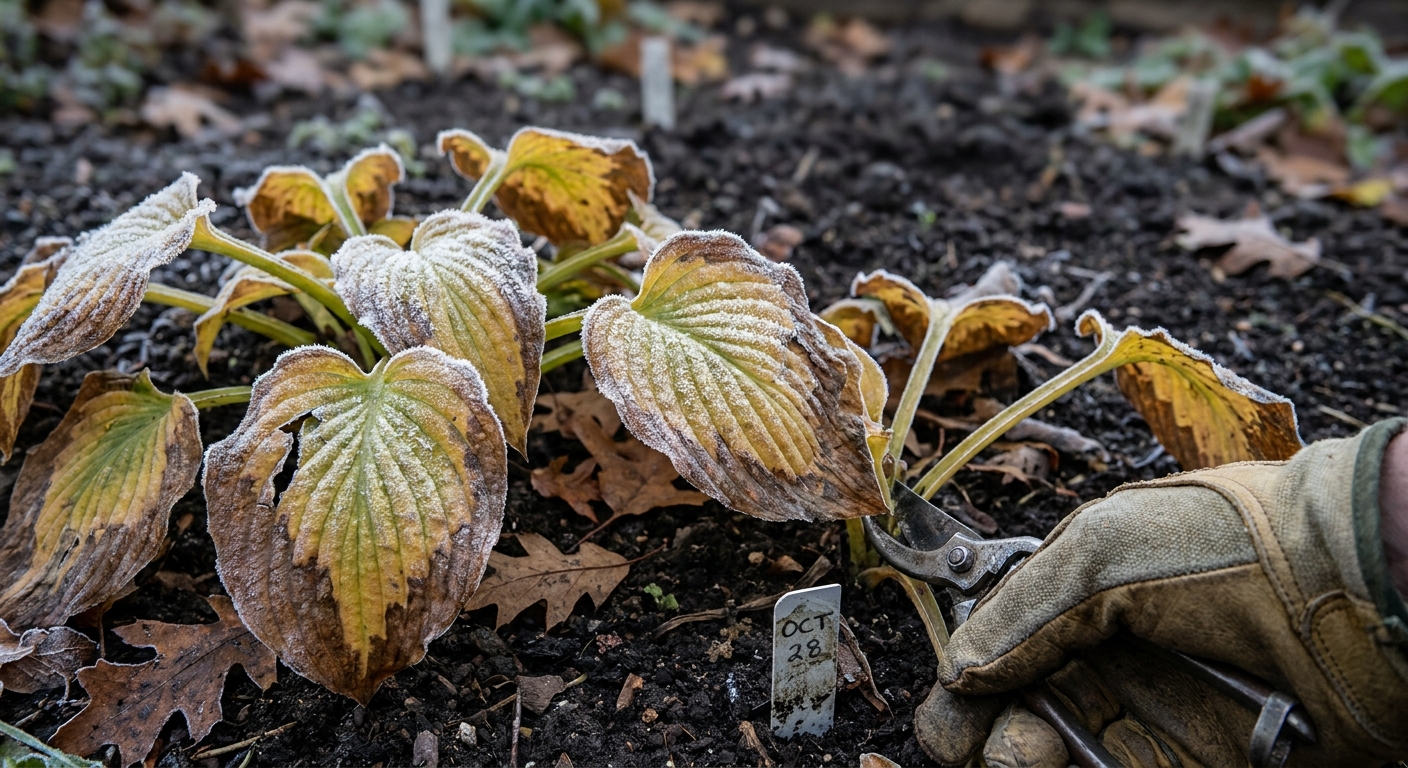
Pruning hostas at the wrong time can invite pests, disease, and stress that weakens the plant heading into our harsh Fort Wayne winters. Our USDA Zone 5b climate experiences rapid temperature swings and heavy moisture, making proper timing essential. Hostas are naturally dormant plants that prepare for winter by drawing energy back into their root systems. Understanding this cycle helps you prune without harm.
The key principle is simple: avoid pruning during the active growing season (late spring through summer) when the plant needs all its foliage to photosynthesize and build strength. Instead, wait until the plant is naturally shutting down or waking up.
Is Late Fall the Best Time to Trim Hostas Back?
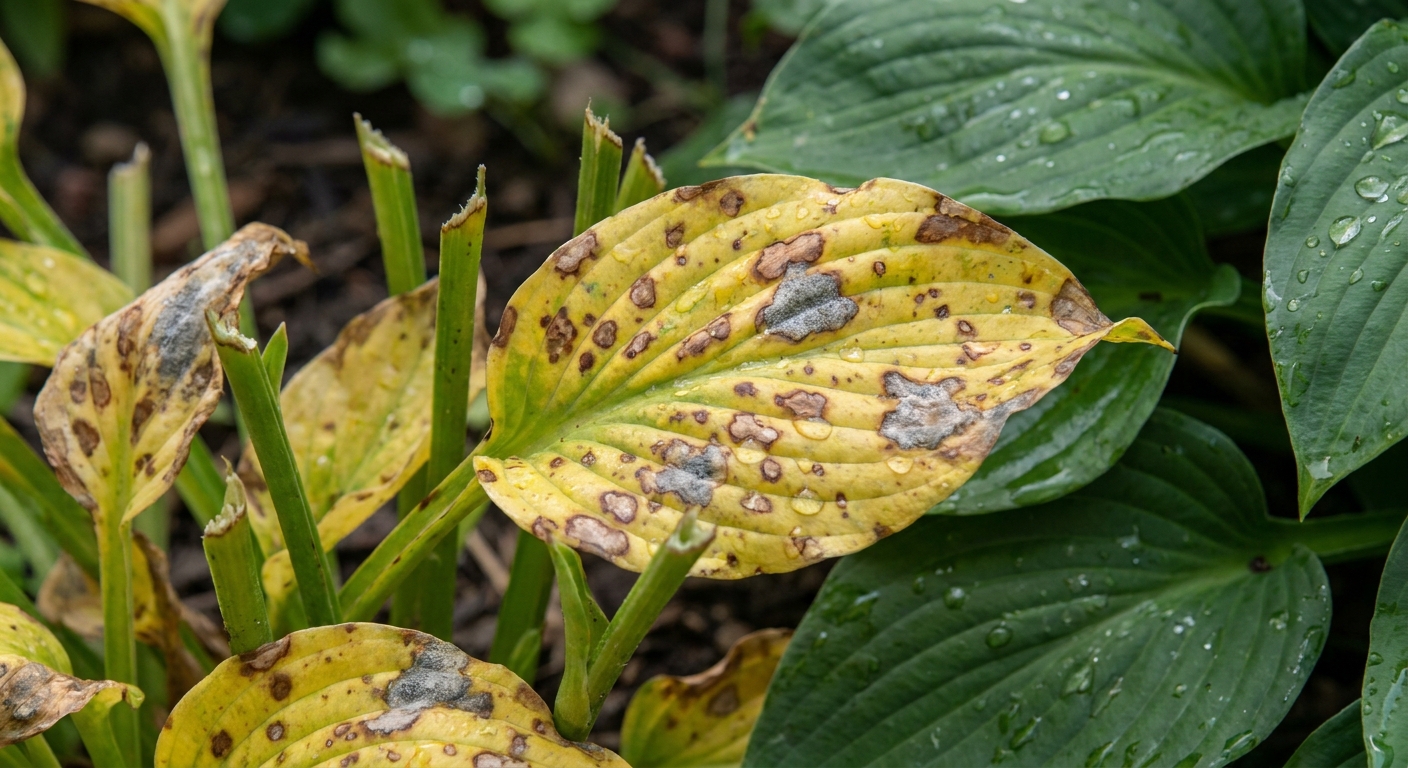
Late fall, after your first hard frost in Fort Wayne, is the ideal time to cut hostas down completely. Once temperatures dip below freezing and the foliage yellows or browns, the plant has moved all its energy underground. This is typically mid-to-late October in Northeast Indiana. Cutting back dead foliage at this time removes disease-prone material before winter.
- Timing window: After the first hard frost (typically mid-October) through November
- What to cut: Remove all dead or yellowed foliage down to ground level
- Benefits: Eliminates slug hiding spots, reduces disease overwinter, cleans up the garden
- Tool choice: Use sharp hedge shears or pruners for clean cuts
- Cleanup: Bag the debris rather than leaving it as mulch near the crown
Many Fort Wayne homeowners prefer fall cleanup because it gives them a tidy garden heading into winter and removes the slug habitat that thrives in moist, dead foliage during our cool season.
What About Early Spring Trimming for New Growth?
If you didn't cut hostas back in fall, early spring (late March through early April in Fort Wayne) is your second-best option. Wait until you see new shoots emerging from the ground before removing any remaining old foliage. This timing protects the emerging growth and lets you see exactly what survived winter. In Northeast Indiana, this usually coincides with soil temperatures reaching 50°F.
Spring trimming works well if you prefer to leave protective foliage over the crown during harsh winter months. Our clay-heavy soils and freeze-thaw cycles can stress hosta crowns, so the dead foliage actually provides some insulation. Just remove it as soon as new growth appears to avoid fungal issues in spring moisture.
Should You Ever Trim Hostas in Summer?
Avoid trimming hostas during summer in Fort Wayne unless dealing with disease or pest damage. The foliage is actively producing energy, and cutting it weakens the plant during our hot, dry season. Hostas use their large leaves to shade shallow roots and retain moisture in Northeast Indiana's summer heat. Only remove damaged leaves if necessary, and never cut back the entire plant.
The one exception is removing individual yellowed or damaged leaves for aesthetic reasons. This selective pruning is fine throughout the growing season, but don't remove more than 10-15% of total foliage at once.
How Do You Trim Hostas Without Damaging Them?
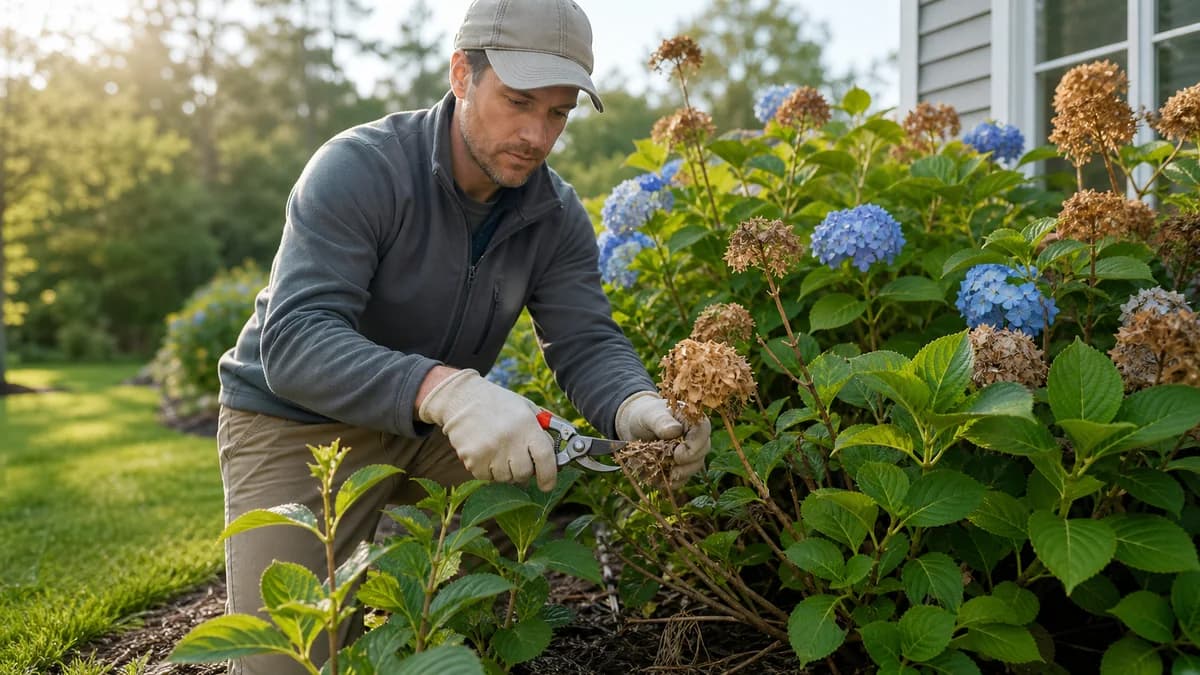
Proper technique prevents stress and disease when pruning your Fort Wayne hostas. Whether you're trimming in fall or spring, sharp, clean tools are essential. Dull shears crush plant tissue, creating entry points for fungi and pests that thrive in our humid Northeast Indiana climate.
- Sanitize your tools: Wipe pruners with rubbing alcohol to prevent spreading disease between plants
- Cut at the right height: Remove foliage at or just above ground level, 1-2 inches high
- Avoid the crown: Don't dig into the soil or damage the central growth point where new shoots emerge
- Make clean cuts: Use sharp bypass pruners for individual stems, hedge shears for bulk removal
- Don't apply sealant: Hostas heal naturally; wound dressing isn't necessary and can trap moisture
The golden rule for hosta pruning in Fort Wayne: cut in fall after frost or in spring before new growth fully unfurls. Never prune during active growth season.
What About Flower Removal on Hostas?
Hosta flowers (usually in summer) can be deadheaded anytime during the blooming season without harming the plant. Many Fort Wayne gardeners remove flowers to redirect energy to foliage, which is the real show with hostas. You can snap off flower stalks by hand or cut them at the base with pruners. This light pruning won't stress the plant because you're only removing a small percentage of total foliage.
If you enjoy the delicate hosta blooms, let them be—they attract pollinators and add vertical interest to your Northeast Indiana shade garden. Just deadhead after flowers fade to tidy things up.
Trimming your hostas at the right time keeps them healthy, disease-free, and ready to put on a strong show each season in your Fort Wayne landscape. If you're uncertain about your specific hosta varieties or need help with your shade garden design, our landscaping team has extensive experience with Northeast Indiana gardens. We can also help you integrate hostas into a complete mulch and garden maintenance plan. Ready to create your ideal shade garden? Request a free quote from Minnick Lawn & Landscaping today.