Lilac bushes are one of the most rewarding shrubs you can plant in a Fort Wayne yard. These classic ornamental plants deliver stunning spring blooms, intoxicating fragrance that fills your entire property, and remarkable hardiness in Northeast Indiana's climate. Whether you're looking to enhance curb appeal, attract pollinators, or add a nostalgic touch to your landscape, lilacs offer year-round value with minimal maintenance required.
Why Do Lilac Bushes Thrive in Fort Wayne's Climate?
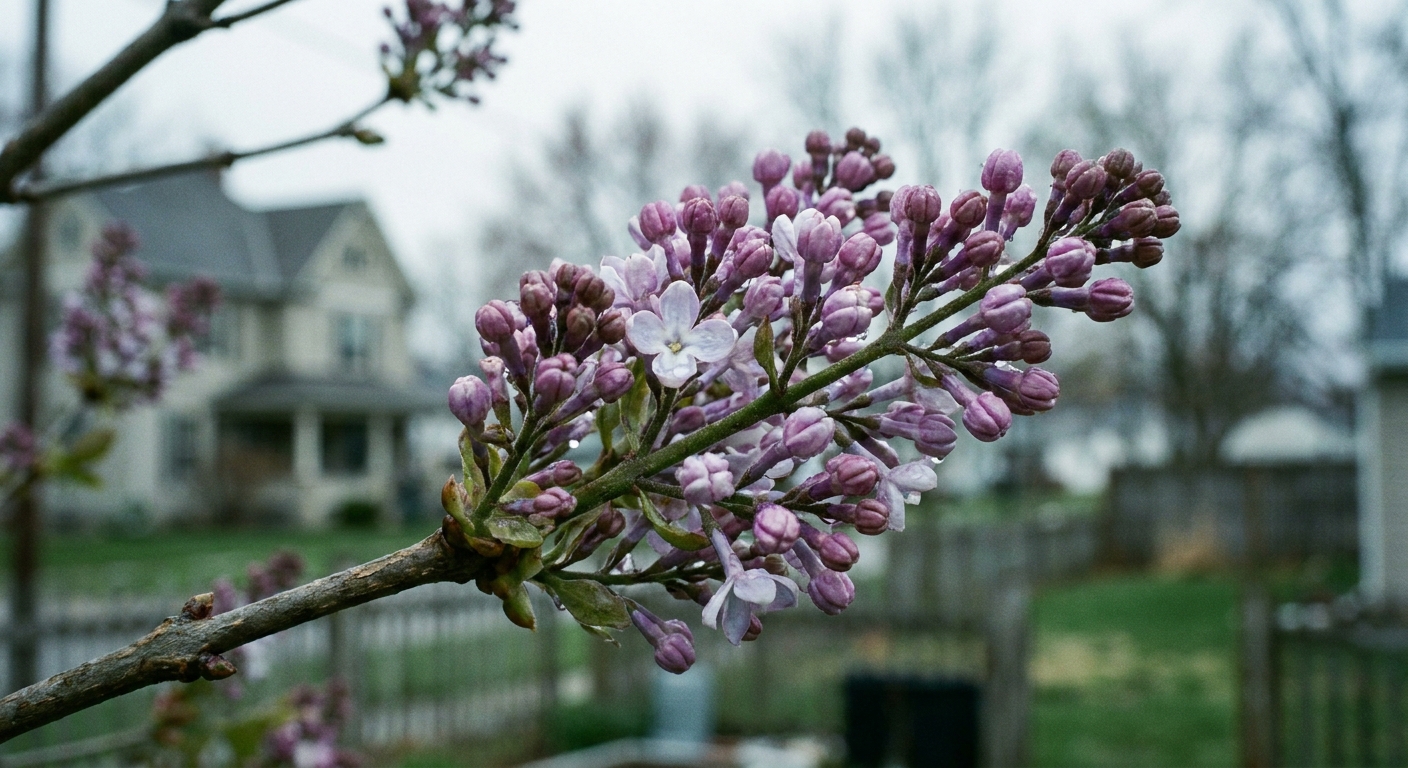
Lilacs are exceptionally well-suited to Northeast Indiana growing conditions. They thrive in USDA Zone 5b, which is exactly where Fort Wayne sits, and actually prefer the colder winters our region experiences. Lilacs require a dormancy period with adequate winter chill hours to flower reliably, making our climate ideal. The clay-heavy soil common in Allen County can be amended to support lilac growth, and once established, these shrubs tolerate our spring thaws, summer heat, and unpredictable weather patterns without stress.
Many heritage lilac varieties have grown successfully in Fort Wayne neighborhoods for decades, proving their long-term viability. Unlike tender ornamentals that struggle with our temperature swings, lilacs actually become more vigorous and floriferous with age in Northeast Indiana yards.
How Do Lilacs Enhance Your Property's Curb Appeal?
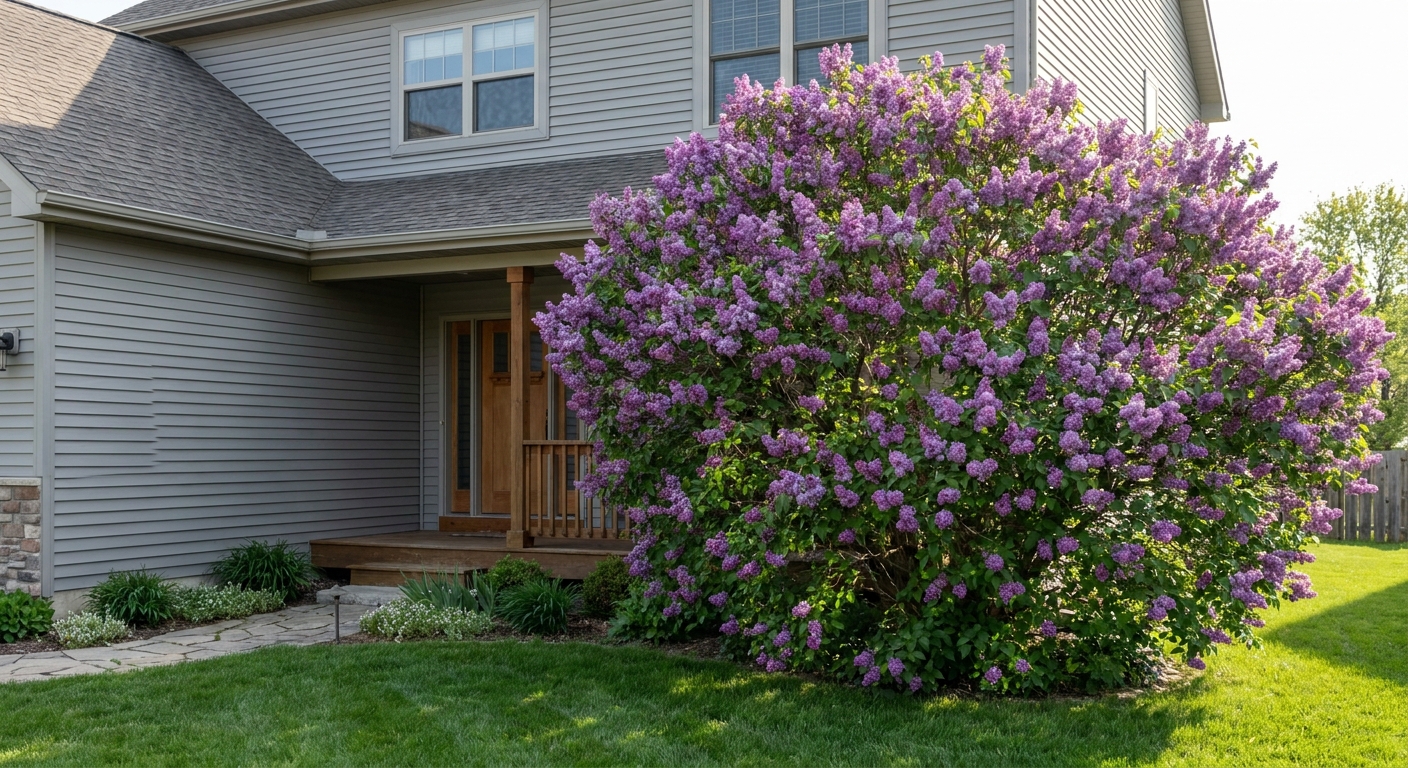
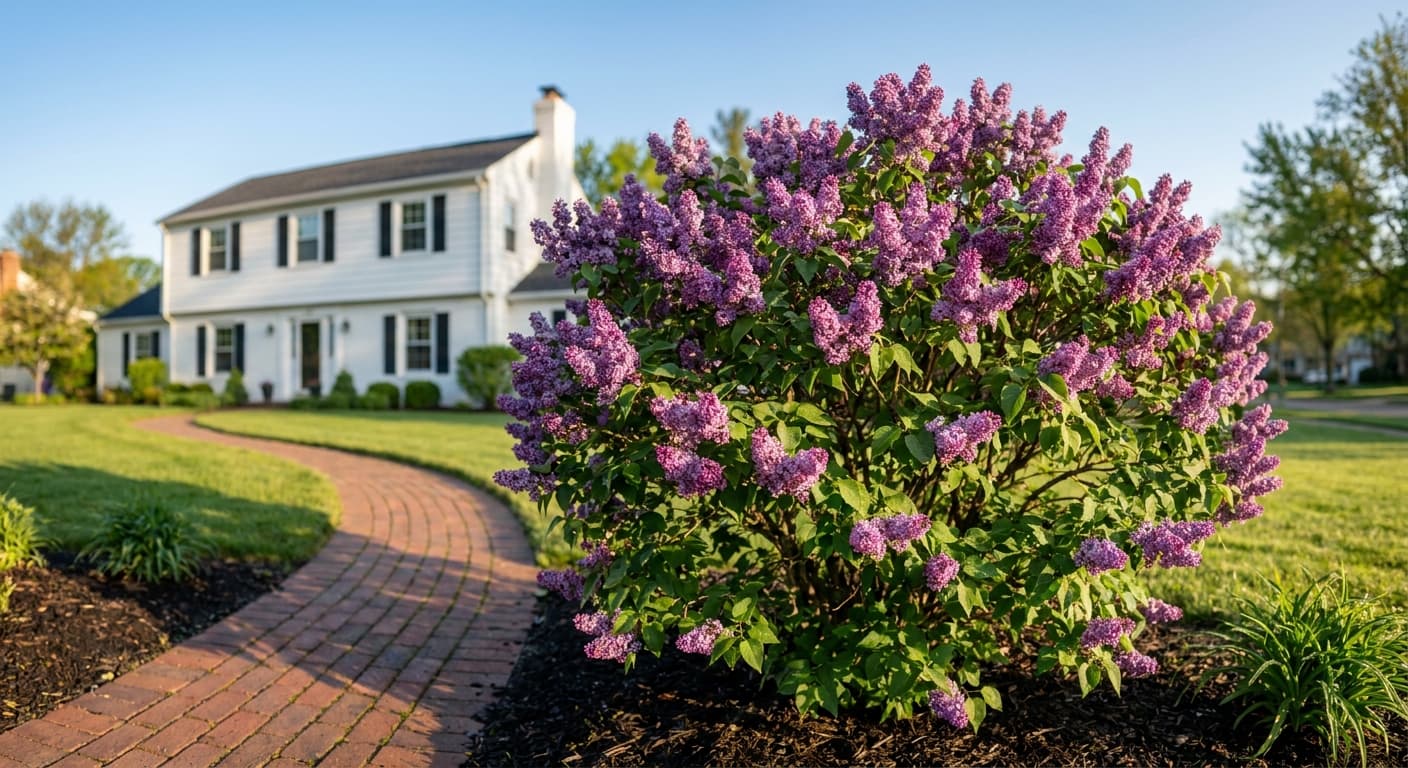
A mature lilac in full spring bloom creates an instant focal point that elevates your entire landscape design. The dense, mounding growth habit provides structure and visual interest even after flowering ends. Common lilac varieties display delicate clusters of purple, pink, or white flowers that photograph beautifully and announce spring's arrival throughout the Fort Wayne area. Their elegant form complements both traditional and contemporary home architecture.
Beyond the flowers, lilac foliage transitions beautifully through seasons. Spring brings fresh green leaves, summer offers a full, attractive backdrop for other plantings, and fall displays subtle yellow tones before dormancy. Consider these design benefits:
- Creates a natural privacy screen or hedgerow when planted in groups
- Provides height variation in landscape beds without requiring pruning
- Offers seasonal interest from March through November in Northeast Indiana
- Works as a stunning accent plant or specimen shrub in any yard size
- Frames entryways, property lines, or garden views with natural elegance
What Makes Lilac Fragrance So Special for Fort Wayne Homes?
The intoxicating fragrance of blooming lilacs is arguably their greatest gift to your property. This distinctive perfume has been celebrated for centuries and creates an unmistakable springtime experience. A single established lilac can scent an entire yard and even waft into neighboring properties, creating goodwill with your Fort Wayne community. The fragrance is strongest during warm, sunny afternoons and can fill your home's interior when you open windows.
Unlike synthetic air fresheners, lilac fragrance is natural, evolving, and tied to the seasonal rhythm of Northeast Indiana life. Many homeowners report emotional connections to lilac bloom season, cherishing the sensory experience as much as the visual beauty. You can also cut fresh lilac stems for indoor bouquets that perfume your home for days.
How Do Lilacs Support Local Wildlife and Pollinators?
Lilac bushes are valuable habitat and food sources for the butterflies, bees, and hummingbirds that keep Fort Wayne landscapes healthy and vibrant. Their abundant flower clusters attract pollinators during critical early spring months when few other plants are blooming. This ecological benefit extends throughout your property, as pollinators move between lilacs and your vegetable gardens, fruit trees, and ornamental plantings.
Native insects depend on native and naturalized plants like lilacs for survival. By planting lilacs, you're supporting:
- Honeybees and native bees seeking early nectar sources
- Swallowtail butterflies and other species
- Hummingbirds refueling during spring migration
- Beneficial insects that control garden pests naturally
- Bird species that nest in mature lilac growth
Lilacs transform your Fort Wayne property into a thriving ecosystem while requiring virtually no chemical inputs. They're the gift that keeps giving—to you and to nature.
What Low-Maintenance Benefits Make Lilacs Ideal for Busy Homeowners?
Once established, lilacs are remarkably low-maintenance compared to many ornamental shrubs. They tolerate poor soil, drought stress, and neglect far better than hybrid rhododendrons or other finicky plants common in Northeast Indiana landscapes. Most lilac varieties require minimal pruning beyond occasional deadheading of spent flower clusters, making them perfect for homeowners who want beauty without constant upkeep.
Lilacs are virtually pest and disease-free in Fort Wayne's climate. They don't require regular fertilization, pesticide applications, or specialized care routines. Once established in well-draining soil with adequate sunlight, they'll reward you with reliable blooms year after year. Mature lilacs rarely need supplemental watering except during severe droughts. Their hardy nature means lower maintenance costs and more time enjoying your landscape rather than working on it.
Can Lilacs Increase Your Property's Value?
Established landscaping with mature plantings—especially classic specimens like lilacs—enhances property value and buyer appeal. Well-maintained lilac bushes demonstrate that your Fort Wayne home has received thoughtful care and attention. They create an inviting, established appearance that newer properties lack, and they signal seasonal awareness and aesthetic consideration that buyers recognize and value.
The investment in quality landscaping design that includes lilacs pays dividends over time. Unlike annual flowers that require replacement, lilacs improve with age, becoming larger, more floriferous, and more established. A 20-year-old lilac is far more impressive than a young one, creating visual depth and maturity that prospective buyers appreciate.
Lilac bushes deserve a place in your Fort Wayne landscape. Whether you're drawn to their fragrance, stunning spring blooms, low-maintenance nature, or wildlife benefits, lilacs deliver exceptional value. The team at Minnick Lawn & Landscaping specializes in helping Northeast Indiana homeowners select and establish the perfect landscaping plants for their properties. We can assess your soil conditions, sunlight exposure, and design preferences to recommend lilac varieties that will thrive in your Fort Wayne yard for decades to come.
Ready to add lilacs to your property? Request a free landscaping quote today. Our experts will help you choose the right lilac varieties, determine optimal placement, and ensure proper planting for success in Northeast Indiana. Contact Minnick Lawn & Landscaping at (260) 927-5185 to discuss your landscaping goals.