
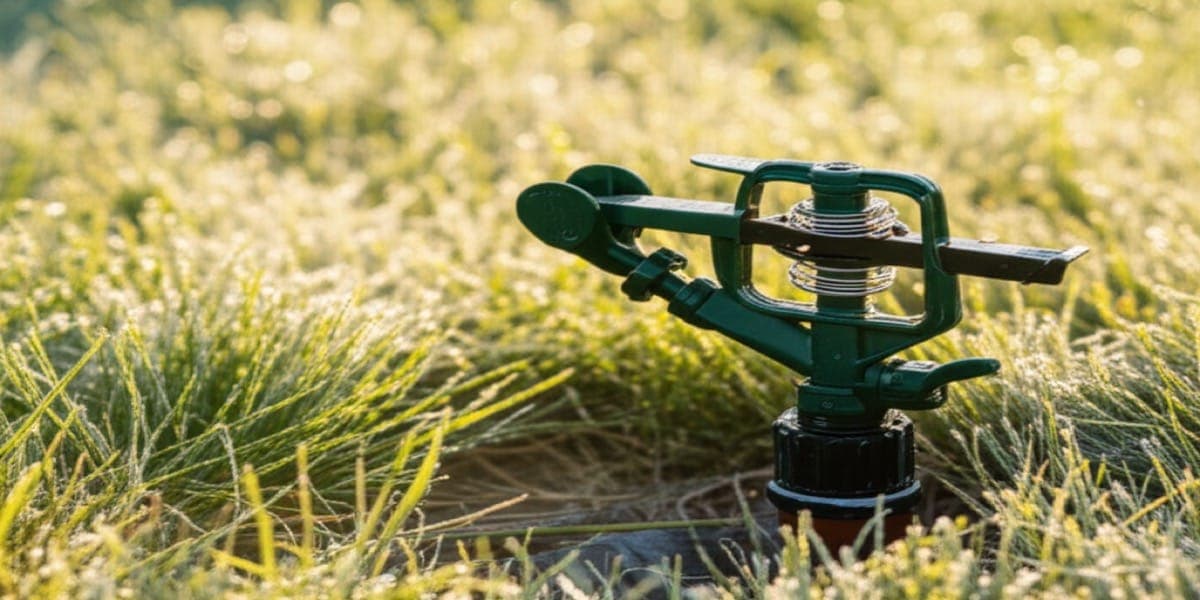
An irrigation system that isn’t properly winterized will freeze, and frozen water expands with enough force to crack pipes, valves, and sprinkler heads. In Fort Wayne’s climate, winterization isn’t optional—it’s essential. A few hours of preparation in fall prevents thousands of dollars in spring repairs.

Why Is Winterization Necessary?
Water remaining in irrigation pipes freezes when temperatures drop below 32°F. Freezing water expands approximately 9%, creating enough pressure to crack PVC pipes, damage valves, and destroy sprinkler heads. Fort Wayne routinely sees temperatures well below freezing from November through March.
Freeze Damage Costs
| Component | Repair Cost |
|---|---|
| Cracked pipe section | $100-300 |
| Damaged valve | $75-200 |
| Broken sprinkler heads | $20-50 each |
| Backflow preventer | $200-500 |
| Multiple component failure | $500-2,000+ |
| Winterization cost | $50-100 |
When Should You Winterize?
Winterize your irrigation system before the first hard freeze, typically late October in Fort Wayne. Watch weather forecasts—a freeze warning means it’s time to act. Waiting too long risks damage; doing it too early just means a few less waterings.
Timing Guide
| Date | Action |
|---|---|
| Early October | Schedule winterization |
| Mid-October | Complete if DIY |
| Late October | Absolute deadline |
| Before freeze warning | Emergency if not done |
What Are the Winterization Methods?
There are three methods to remove water from irrigation systems: manual drain, auto-drain, and compressed air blowout. The blowout method is most thorough and recommended for Fort Wayne’s climate. Manual and auto-drain systems may leave enough water to cause damage.
Method Comparison
| Method | Thoroughness | DIY Difficulty | Best For |
|---|---|---|---|
| Blowout | Excellent | Moderate | Cold climates |
| Manual drain | Good | Easy | Mild climates |
| Auto-drain | Good | Easy | Systems with drain valves |
How Do You Winterize with the Blowout Method?
The blowout method uses compressed air to force water out of all pipes, valves, and heads. It’s the most thorough method and the standard for professional winterization in Fort Wayne.
Blowout Steps
- Turn off water supply at the main shutoff
- Disconnect backflow preventer if recommended by manufacturer
- Open system drain valves
- Connect air compressor to system (50-80 PSI max)
- Blow out each zone starting with the furthest
- Run each zone 2-3 times until no water visible
- Open all drain valves and leave open
- Drain backflow preventer and protect
- Turn controller to off or rain mode
Blowout Safety Tips
Pressure limits:
- PVC pipe: 80 PSI max
- Poly pipe: 50 PSI max
- Never exceed 80 PSI
- Use volume, not pressure
Safety precautions:
- Stand clear of heads during blowout
- Wear eye protection
- Never blow out zone with closed valve
- Don’t run compressor with no zone open

What Equipment Do You Need for DIY Blowout?
DIY winterization requires an air compressor capable of sufficient volume (CFM), an adapter to connect to your system, and basic knowledge of your irrigation layout.
Equipment Requirements
Air compressor:
- Minimum 10 CFM for residential systems
- Most shop compressors too small
- Rental units available
- 50-80 PSI output
Adapter:
- Quick-connect fitting
- Matches your system’s blowout port
- Available at irrigation suppliers
Other:
- System map (know your zones)
- Eye protection
- Owner’s manual
Can You Drain Instead of Blowout?
Manual draining can work in milder climates but leaves water in low spots, sprinkler heads, and valve bodies. In Fort Wayne’s climate, draining alone risks damage. If you must drain instead of blowout, understand the limitations.
Manual Drain Process
- Shut off water supply
- Open all manual drain valves
- Run each zone briefly to release pressure
- Open drain caps on valves
- Drain backflow preventer
- Leave drains open all winter
Drain Method Limitations
- Water remains in low spots
- Heads hold water
- Valves retain water
- Higher freeze damage risk
- Not recommended for Fort Wayne
How Do You Protect the Backflow Preventer?
The backflow preventer is the most expensive component and most vulnerable to freeze damage. Drain it completely, remove if recommended, and insulate above-ground portions.
Backflow Preventer Care
Draining:
- Open all test cocks
- Open ball valves (45° angle)
- Remove drain plugs if present
- Leave open all winter
Protection:
- Insulate above-ground portions
- Use insulation tape or covers
- Don’t use plastic bags (trap moisture)
- Check manufacturer recommendations

What About the Controller?
Turn your controller to “off” or “rain mode” rather than unplugging it. This preserves programming while preventing automatic watering. Some controllers have a specific winterization setting.
Controller Settings
| Option | Benefit |
|---|---|
| Rain mode | Preserves programming |
| Off | Saves some power |
| Unplug | Loses programming (some models) |
Should You DIY or Hire a Professional?
Professional winterization costs $50-100 and includes proper equipment, insurance against damage, and expertise. DIY requires renting a compressor with adequate CFM—smaller shop compressors typically won’t work.
DIY vs Professional
| Factor | DIY | Professional |
|---|---|---|
| Cost | $30-50 rental | $50-100 |
| Time | 1-2 hours | 30-60 min |
| Equipment | Must rent/borrow | Provided |
| Knowledge | Required | Provided |
| Risk | You bear it | Insured |
Hire a professional if:
- First time winterizing
- Complex system
- Don’t have equipment
- Unsure of process
DIY if:
- Have adequate compressor
- Know your system
- Done it before
- Have the time
What Happens in Spring?
Spring startup reverses the winterization process. Turn on water slowly, check for leaks, test each zone, and inspect heads. Any winter damage becomes apparent during startup.
Spring Startup Steps
- Close all drain valves
- Turn on water slowly
- Pressurize system gradually
- Walk each zone checking for leaks
- Inspect and adjust heads
- Set controller schedule
- Check backflow preventer function
Our seasonal services include irrigation winterization throughout Fort Wayne.
Request a Free Quote or call us at (260) 450-4676 for irrigation winterization.
Frequently Asked Questions
What if I miss the deadline and it freezes?
If your system freezes before winterization, assess damage in spring. Some components may survive; others won’t. The damage is done—winterizing after a freeze doesn’t help.
Can I just let the system drain naturally?
Natural drainage leaves water in many places. It’s not adequate protection for Fort Wayne’s winters.
How long does professional winterization take?
Most residential systems take 30-60 minutes for professional winterization.
Adam Minnick is the owner of Minnick Lawn & Landscaping, serving Fort Wayne, Auburn, and Northeast Indiana since 2018.