
Fort Wayne winters bring subzero temperatures, heavy snow, ice storms, and freeze-thaw cycles that challenge even established landscapes. Proper fall preparation reduces winter damage, protects vulnerable plants, and sets the stage for a healthy spring emergence. This comprehensive guide covers everything you need to do before winter arrives.

What Should You Do to Prepare Your Landscape for Winter?
Winter landscape preparation includes lawn care (final mowing, fertilization), plant protection (mulching, wrapping), irrigation winterization, hardscape preparation, and equipment storage. Starting in early fall and completing tasks before hard freezes prevents damage and reduces spring problems.
Winter Prep Timeline
| Timing | Tasks |
|---|---|
| Early fall (Sept) | Aerate, overseed, fertilize |
| Mid-fall (Oct) | Continue mowing, plant protection |
| Late fall (Nov) | Final mowing, mulch, winterize irrigation |
| Before first hard freeze | Complete all protection |
How Do You Prepare Your Lawn for Winter?
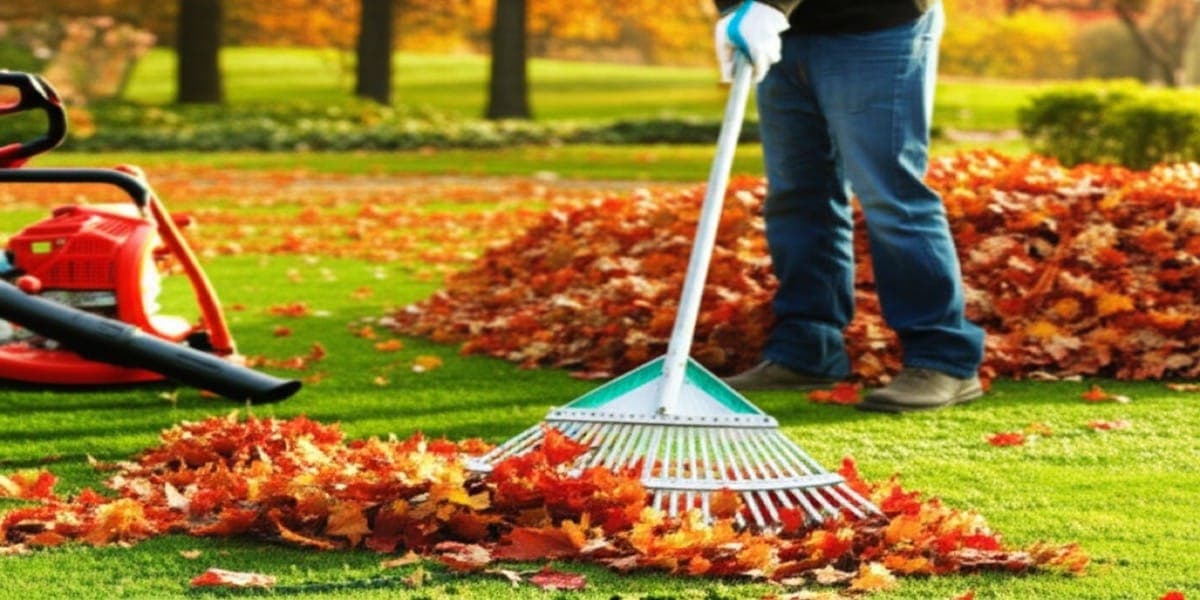
Continue mowing until grass stops growing, gradually lowering height to 2.5 inches for the final cut. Apply winterizer fertilizer to strengthen roots. Remove all leaves before snow. The lawn should enter winter clean, at proper height, and well-fed.
Lawn Winterization Steps
- Continue mowing: Until growth stops
- Lower height gradually: End at 2.5"
- Apply winterizer: Late October/early November
- Remove leaves: Completely before snow
- Aerate if needed: Early fall is best
Why Final Mowing Height Matters
| Too Tall | Too Short | Just Right (2.5") |
|---|---|---|
| Matting under snow | Crown exposure | Less disease risk |
| Snow mold risk | Desiccation risk | Crown protected |
| Vole habitat | Stress | Good air circulation |
Which Plants Need Winter Protection?
Marginally hardy plants, newly planted specimens, broad-leaf evergreens, and plants in exposed locations need protection. Established native plants typically don’t need help, but recent transplants and borderline-hardy species benefit from mulching, wrapping, or other protection.
Plants Needing Protection
High priority:
- Newly planted trees/shrubs (first 2 winters)
- Broad-leaf evergreens (boxwood, holly, rhododendron)
- Roses (especially hybrid teas)
- Marginally hardy specimens
- Plants in exposed, windy locations
Usually fine without protection:
- Established native plants
- Hardy deciduous trees/shrubs
- Hardy perennials (cut back)
- Established conifers

How Do You Protect Plants from Winter Damage?
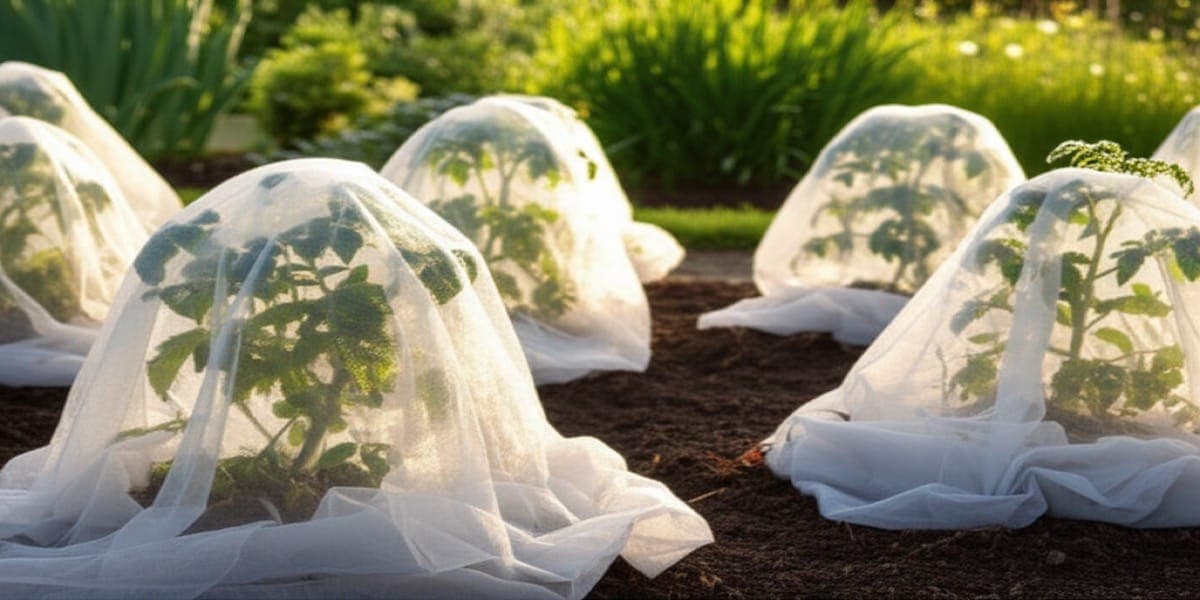
Protection methods include mulching for root insulation, burlap wrapping for wind/sun protection, and anti-desiccant sprays for evergreens. Match the protection method to the threat—cold roots need mulch; wind burn needs barriers; sun scald needs wrapping.
Protection Methods
| Threat | Protection |
|---|---|
| Cold soil/roots | 3-4" mulch |
| Wind desiccation | Burlap screen |
| Winter sun scald | Trunk wrap |
| Salt spray | Burlap barrier |
| Heavy snow/ice | Support structures |
Mulching for Winter
- Apply 3-4 inches around plants
- Keep mulch away from trunks
- Extend to drip line if possible
- Use shredded bark or leaves
- Apply after ground begins to freeze
Burlap Protection
- Create screen, don’t wrap tightly
- Leave top open for air
- Stake securely
- Use for wind-exposed evergreens
- Remove in early spring
How Do You Winterize Your Irrigation System?
Winterizing irrigation prevents freeze damage to pipes, valves, and sprinkler heads. In Fort Wayne, this means draining or blowing out the system before temperatures consistently drop below freezing, typically by late October.
Irrigation Winterization Steps
- Shut off water supply to system
- Open drain valves or blow out lines
- Run each zone to remove water
- Drain backflow preventer if above ground
- Insulate above-ground components
- Turn controller to off or rain mode
Professional vs DIY
| Method | Pros | Cons |
|---|---|---|
| Professional blowout | Thorough, guaranteed | Cost ($50-100) |
| DIY drain | No cost | May miss water |
| DIY blowout | Lower cost | Need compressor |
What About Outdoor Furniture and Containers?
Bring in or protect outdoor furniture, empty and store or protect containers, and disconnect hoses. Frozen water in containers and hoses causes cracking. Furniture left out weathers and deteriorates faster.
Container Care
- Ceramic/terra cotta: Bring inside or risk cracking
- Plastic/resin: Can stay out (empty)
- Concrete: Empty water, can stay
- Metal: Empty, apply rust protection
Equipment Storage
- Drain and store hoses
- Empty gas or add stabilizer to mowers
- Sharpen and oil tools
- Store furniture or use covers

How Do You Protect Trees from Winter Damage?
Young trees need protection from sun scald, frost cracking, and rodent damage. Wrap trunks of young thin-barked trees (maples, fruit trees). Install guards against rabbit and rodent gnawing. Water deeply before ground freezes.
Tree Winterization
Trunk wrapping:
- Young thin-barked trees
- Wrap from base to first branches
- Use tree wrap or guards
- Remove in spring
Rodent protection:
- Hardware cloth cylinders
- Commercial tree guards
- Extend above snow line
- Critical for young trees
Watering:
- Deep water before freeze
- Especially new plantings
- Evergreens need moisture
What Perennial Care Is Needed?
Cut back dead perennial foliage after frost or leave for winter interest and wildlife habitat. Apply mulch after ground freezes to prevent frost heaving. Don’t cut back marginally hardy perennials—foliage provides insulation.
Perennial Guidelines
| Type | Fall Care |
|---|---|
| Dead, mushy foliage | Cut back |
| Ornamental grasses | Leave for interest |
| Marginally hardy | Leave foliage |
| Disease-prone | Cut and remove |
| Spring-emerging | Mark locations |
When Should Winter Prep Be Complete?
Complete all protection before the first hard freeze (temperatures staying below 28°F). In Fort Wayne, this is typically mid-to-late November, but check forecasts and adjust timing based on the specific year’s weather patterns.
Completion Checklist
- Lawn at proper height, fertilized, leaf-free
- Irrigation winterized
- Tender plants mulched
- Evergreens protected if needed
- Young trees wrapped
- Equipment stored
- Hoses drained and stored
- Containers emptied/protected
Our landscaping services include comprehensive winter preparation for Fort Wayne properties.
Request a Free Quote or call us at (260) 450-4676 for winter prep services.
Frequently Asked Questions
When is it too late to winterize?
If hard freezes have already occurred, do what you can—any protection helps. Irrigation must be winterized before freezing to prevent damage.
Should I fertilize trees and shrubs in fall?
Generally no. Fall fertilization stimulates growth that won’t harden before winter. Focus on root health with water and mulch instead.
Will snow damage my plants?
Light snow insulates plants. Heavy wet snow can break branches—gently brush off if accessible, but don’t shake frozen plants.
Adam Minnick is the owner of Minnick Lawn & Landscaping, serving Fort Wayne, Auburn, and Northeast Indiana since 2018.