Frost-protected plants covered in Fort Wayne garden

Fort Wayne’s last frost typically occurs around May 10, but “typical” means temperatures can dip below freezing well into May—and occasionally even early June. These late frosts catch eager gardeners off guard, damaging tender annuals, vegetable starts, and emerging perennial growth. Knowing how to protect plants saves your garden investment.

Frost on plant leaves

When Is the Frost Risk Period in Fort Wayne?

Fort Wayne (Zone 5b/6a) averages a last frost date around May 10, but freezing temperatures have occurred as late as mid-May. The safe planting date for tender plants is after May 15, though monitoring forecasts remains important even then.

Fort Wayne Frost Dates

StatisticDate
Average last frostMay 10
90% chance pastMay 20
Safe plantingAfter May 15
Record late frostMid-May

Frost vs Freeze

TemperatureTermPlant Impact
32-36°FLight frostTender plants damaged
28-32°FFrostMost tender plants killed
Below 28°FHard freezeSignificant damage

Which Plants Need Frost Protection?

Tender annuals, vegetable transplants, tropical plants, and newly emerged perennial growth are most vulnerable. Hardy perennials, established woody plants, and cold-tolerant vegetables generally survive light frosts without protection.

Vulnerable Plants

High risk (protect always):

  • Tomatoes, peppers, basil
  • Impatiens, begonias, coleus
  • Tropical houseplants outdoors
  • Newly planted annuals

Moderate risk:

  • Tender perennial new growth
  • Recently planted vegetables
  • Marginally hardy plants
  • Plants in exposed locations

Usually fine:

  • Established perennials
  • Dormant woody plants
  • Cool-season vegetables
  • Native plants

How Do You Protect Plants from Frost?

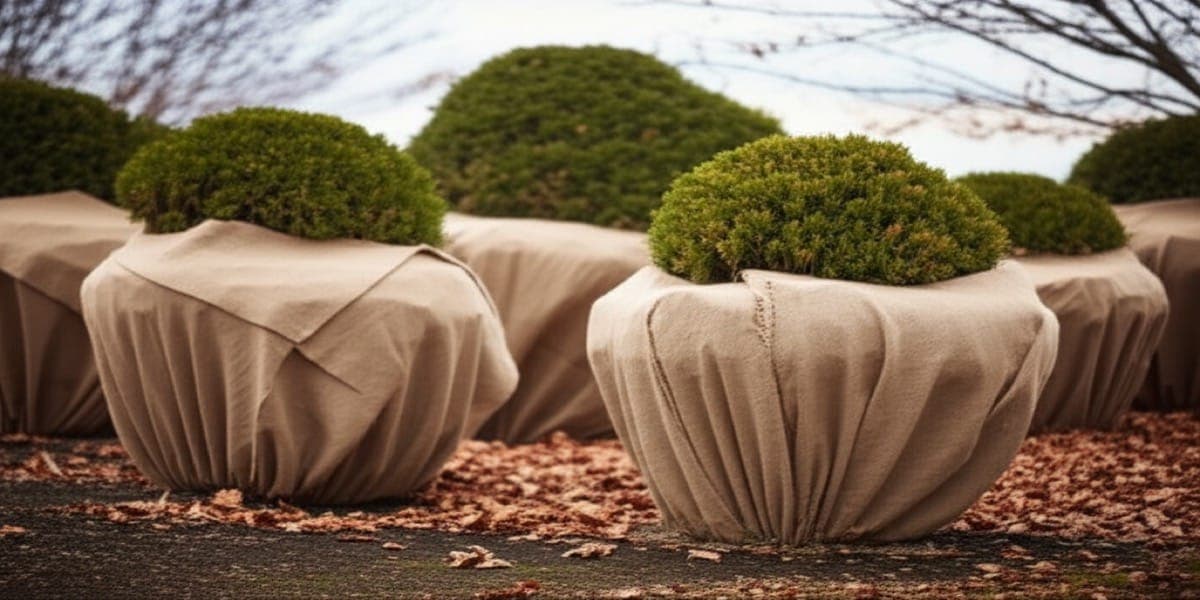
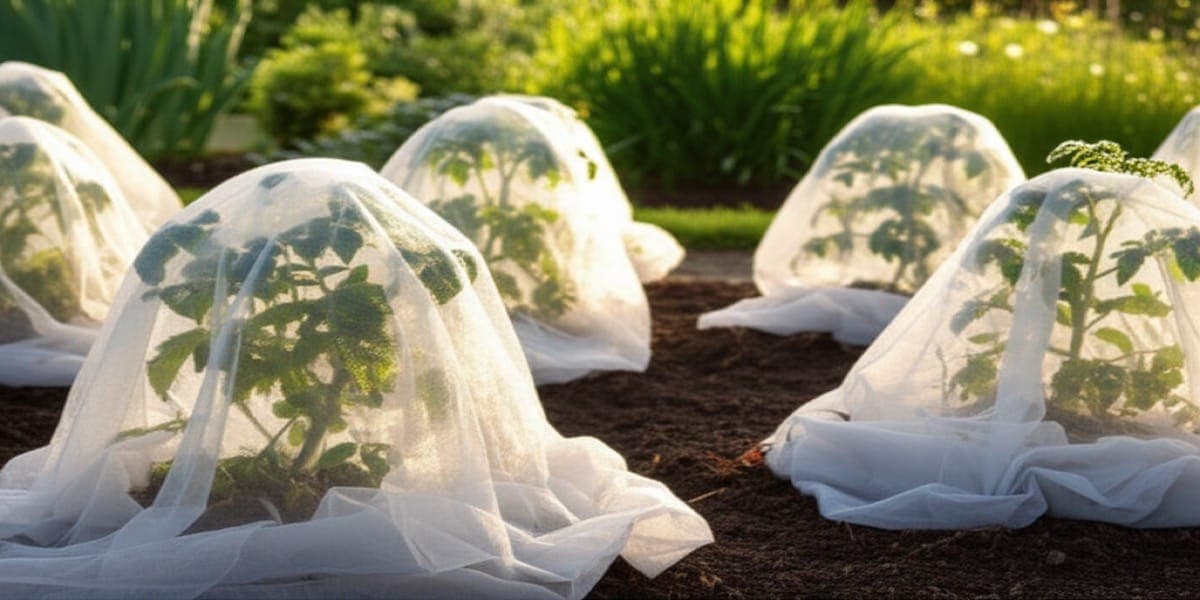
Covering plants traps ground heat and prevents frost from forming on foliage. Covers must extend to the ground and be removed when temperatures rise. Watering before frost and site selection also provide protection.

Covering Methods

Fabric/cloth:

  • Old sheets, blankets
  • Frost cloth/row cover
  • Allows some air exchange
  • Best option for most plants

Plastic (use carefully):

  • Creates greenhouse effect
  • Must not touch foliage
  • Remove promptly when warm
  • Can cause more damage if used wrong

Other options:

  • Overturned pots/buckets
  • Cardboard boxes
  • Newspaper (multiple layers)
  • Mulch for root protection

Covering Best Practices

  1. Cover before sunset (trap day’s heat)
  2. Extend cover to ground
  3. Secure edges (don’t let blow off)
  4. Don’t let plastic touch leaves
  5. Remove by mid-morning when warm

Plants covered with frost cloth

Does Watering Help Prevent Frost Damage?

Wet soil holds more heat than dry soil and releases it slowly overnight. Watering before a frost keeps root zones warmer and reduces damage. However, wet foliage can freeze and cause more damage—water the soil, not the plants.

Watering Strategy

  • Water soil thoroughly before frost
  • Water during day, not at night
  • Avoid wetting foliage
  • Moist soil > dry soil
  • Doesn’t replace covering for tender plants

Where Are Frost Pockets on Your Property?

Cold air flows downhill and collects in low spots. North-facing slopes, valley bottoms, and areas blocked from wind movement are frost pockets—colder than surrounding areas. Avoid planting tender plants in frost pockets.

Microclimates

LocationTemperature Effect
Low spotsColder (frost pockets)
Near buildingsWarmer (heat radiation)
South-facing wallsWarmer
Under treesSlightly warmer
Open, exposedVariable

What If Plants Get Frosted?

Don’t panic immediately—frost damage often looks worse than it is. Wait to assess damage, don’t prune immediately, and give plants time to show recovery. Many plants recover from light frost with no intervention.

Post-Frost Response

Immediately:

  • Don’t remove damaged growth yet
  • Don’t fertilize stressed plants
  • Water if soil is dry
  • Wait and observe

After several days:

  • Assess extent of damage
  • Prune clearly dead tissue
  • Look for new growth
  • Be patient

Damage Assessment Timeline

Time After FrostAction
Same dayDon’t panic, observe
2-3 daysCheck for wilting recovery
1 weekPrune obvious dead tissue
2 weeksAssess recovery, replant if needed

Frost-damaged plant showing recovery

How Do You Know If a Frost Is Coming?

Watch weather forecasts, especially overnight lows. Clear skies, low humidity, and calm winds increase frost risk even when temperatures don’t look extreme. Frost warnings and freeze watches indicate real risk.

Frost Warning Signs

  • Clear evening skies
  • Low humidity
  • Light or no wind
  • Temperature dropping rapidly
  • Official frost/freeze warnings

Weather Terms

TermMeaning
Frost advisory33-36°F expected
Freeze warningBelow 32°F expected
Hard freezeBelow 28°F expected

Should You Wait to Plant?

The safest approach is waiting until after the last frost date to plant tender annuals and vegetables. If you plant early, be prepared to protect plants on cold nights. Hardening off transplants before planting increases their cold tolerance.

Planting Strategies

Wait to plant tender plants:

  • Tomatoes, peppers, basil
  • Impatiens, begonias
  • Tropical plants
  • Wait until mid-May

Can plant earlier:

  • Pansies, violas
  • Lettuce, spinach, peas
  • Hardy perennials
  • Trees and shrubs

Hardening Off

Gradually expose greenhouse-started plants to outdoor conditions over 7-10 days before planting. This increases cold tolerance and reduces transplant shock.

Our landscaping services help Fort Wayne homeowners protect their plant investments.


Request a Free Quote or call us at (260) 450-4676 for landscape consultation.


Frequently Asked Questions

Can I leave covers on during the day?

Remove covers by mid-morning when temperatures rise above 50°F. Plants need light and air; leaving covers on causes other problems.

Will frost kill perennials?

Established perennial roots survive frost. New growth may be damaged but usually recovers. Wait before pruning.

How cold is too cold to protect plants?

Below 28°F, covers alone may not provide enough protection for tender plants. Extended hard freezes are difficult to protect against.


Adam Minnick is the owner of Minnick Lawn & Landscaping, serving Fort Wayne, Auburn, and Northeast Indiana since 2018.