After a Fort Wayne winter, your property needs attention—debris removal, lawn revival, bed cleanup, and equipment preparation. The list can feel overwhelming, but tackling tasks in the right order makes spring cleanup efficient and effective. This guide helps you prioritize and complete your spring property cleanup.

Where Should You Start Spring Cleanup?
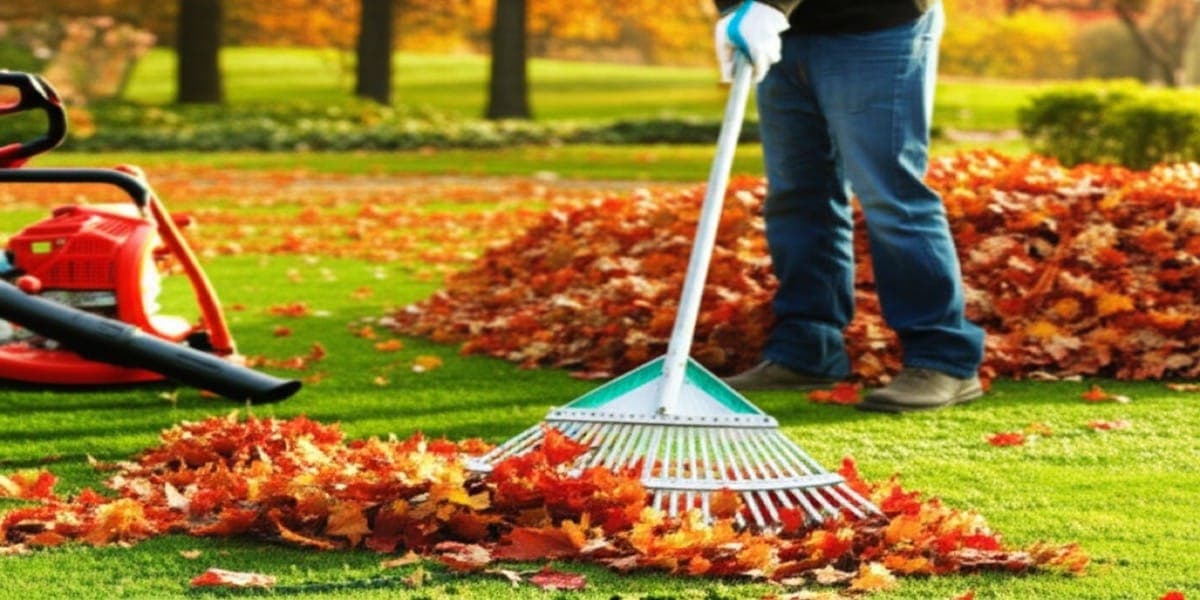
Start with debris removal and assessment before moving to specific tasks. Clear winter debris from lawn and beds first—you can’t evaluate damage or begin other work until debris is gone. Then assess what needs attention, prioritize tasks, and work systematically through the list.
Spring Cleanup Order
- Remove debris (branches, leaves, trash)
- Assess lawn condition
- Clean up beds and borders
- Address hardscape issues
- Prepare for first mowing
- Begin regular maintenance
What Debris Needs Removal?
Winter deposits branches, remaining leaves, and windblown trash across properties. Salt residue accumulates near roads and walks. Inspect your entire property and remove all debris before beginning other cleanup tasks.
Debris Checklist
- Fallen branches
- Remaining leaves
- Windblown trash
- Salt/sand accumulation
- Damaged plants/debris
- Winter protective materials
Debris Disposal
| Material | Disposal |
|---|---|
| Branches | Brush pickup, chipping |
| Leaves | Compost, yard waste |
| Trash | Regular garbage |
| Salt residue | Rinse away with water |
How Do You Assess Winter Lawn Damage?
Once debris is cleared, evaluate your lawn for dead patches, snow mold, frost heaving, and compaction. Winter damage often appears as circular matted areas (snow mold), sparse patches (winterkill), or lifted areas (frost heave). Early identification allows targeted treatment.
Common Winter Lawn Damage
| Problem | Appearance | Cause |
|---|---|---|
| Snow mold | Gray/pink matted circles | Fungus under snow |
| Winterkill | Brown/dead areas | Cold damage |
| Vole damage | Surface runways | Rodent feeding |
| Salt damage | Brown edges near walks | Road salt |
| Frost heave | Lifted areas | Freeze-thaw cycles |
Damage Response
- Snow mold: Rake affected areas, usually recovers
- Winterkill: Overseed when soil warms
- Vole damage: Usually recovers, overseed if severe
- Salt damage: Flush with water, may need repair
- Frost heave: Press back, watch for recovery

What Lawn Care Tasks Come First?
Spring lawn care starts with raking to remove thatch and debris, followed by assessment and repair. Resist the urge to fertilize too early—soil needs to warm first. The first mowing should wait until grass is actively growing and dry enough.
Early Spring Lawn Tasks
March-early April:
- Rake debris and thatch
- Identify damage areas
- Sharpen mower blade
- Plan repairs and treatments
Mid-late April:
- Begin mowing when needed
- Apply pre-emergent (timing critical)
- Overseed bare spots
- Address specific problems
First Mow Timing
Wait for these conditions:
- Grass actively growing
- Height reaches 3-3.5 inches
- Ground is dry and firm
- Avoid wet or soft conditions
How Do You Clean Up Garden Beds?
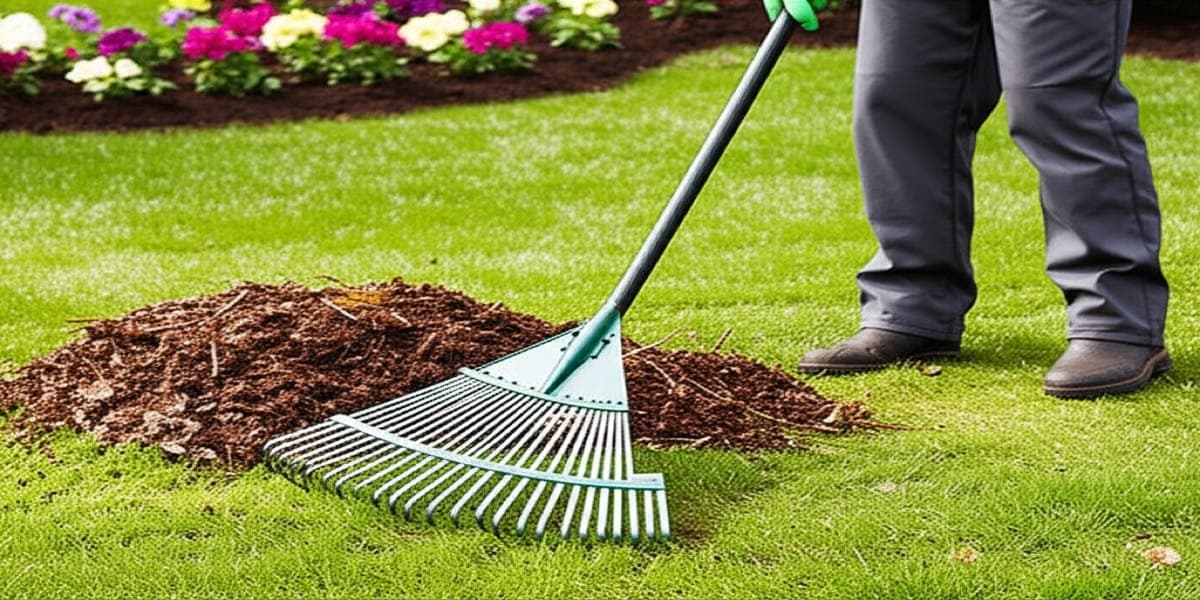
Bed cleanup removes dead foliage, winter debris, and early weeds. Cut back dead perennials (if not done in fall), remove protective mulch from around crowns, and edge beds crisply. Early cleanup allows perennials space and light to emerge.
Bed Cleanup Steps
- Remove debris and dead leaves
- Cut back dead perennial foliage
- Pull winter weeds
- Pull mulch away from crowns
- Edge beds cleanly
- Assess mulch depth
- Add fresh mulch if needed
Perennial Cleanup Timing
| Plant Type | When to Cut |
|---|---|
| Mushy/matted dead foliage | ASAP |
| Standing dead (ornamental grasses) | Before new growth |
| Semi-evergreen | After new growth starts |
| Leave dead seedheads | After birds done feeding |
What About Shrubs and Trees?
Assess shrubs and trees for winter damage—broken branches, snow damage, and dead sections. Prune out damage and shape as appropriate for each species. Remember timing restrictions for certain species (oaks, elms).
Spring Shrub Tasks
- Remove broken/damaged branches
- Shape if needed (species-appropriate)
- Assess for winter injury
- Delay heavy pruning until appropriate time
Tree Assessment
Look for:
- Broken branches
- Split crotches
- Bark damage
- Dead sections
- New lean

When Should You Address Hardscapes?
Assess patios, walkways, and driveways for winter damage after spring cleanup. Look for heaving, cracking, and joint damage. Clean surfaces and plan repairs. Fort Wayne’s freeze-thaw cycles are hard on hardscapes.
Hardscape Assessment
| Surface | What to Check |
|---|---|
| Pavers | Heaved units, lost joint sand |
| Concrete | Cracks, spalling, heaving |
| Asphalt | Potholes, cracks |
| Stone | Shifted pieces, cracking |
Spring Hardscape Tasks
- Power wash surfaces
- Replace joint sand
- Reset heaved pavers
- Plan repair projects
- Reseal if needed
How Do You Prepare Equipment?
Before the first mow, prepare your equipment. Sharpen blades, change oil, check air filters, and test run everything. Well-maintained equipment makes all season tasks easier.
Equipment Checklist
Mower:
- Change or sharpen blade
- Change oil
- Replace air filter
- Check spark plug
- Clean deck
- Test run
Other equipment:
- Inspect trimmer
- Test blower
- Check spreaders
- Inventory hand tools
What’s the Complete Spring Cleanup Checklist?
Use this comprehensive checklist to ensure nothing is missed in your spring property cleanup.
Master Cleanup Checklist
Week 1: Debris and Assessment
- Remove all branches and debris
- Clear remaining leaves
- Assess lawn damage
- Check beds and borders
- Inspect hardscapes
Week 2: Lawn Preparation
- Rake thatch and debris
- Address visible damage
- Sharpen mower blade
- Tune up equipment
- Plan treatments
Week 3: Bed Cleanup
- Cut back dead perennials
- Pull winter weeds
- Edge beds
- Apply fresh mulch
- Plant early annuals
Week 4: Begin Regular Care
- First mow when ready
- Apply pre-emergent (if using)
- Start irrigation (when appropriate)
- Establish maintenance schedule
Our lawn services and landscaping services provide complete spring cleanup throughout Fort Wayne.
Request a Free Quote or call us at (260) 450-4676 for spring cleanup service.
Frequently Asked Questions
When should spring cleanup start?
As soon as the ground is workable and mostly dry, typically late March in Fort Wayne. Start with debris removal.
Should I fertilize my lawn in early spring?
Wait until soil temperatures consistently reach 55°F—usually late April in Fort Wayne. Early fertilization is wasted.
How do I know if my lawn needs aeration?
If your lawn has heavy traffic, compacted soil, or thick thatch, spring or fall aeration helps. Spring aeration should wait until lawn is actively growing.
Adam Minnick is the owner of Minnick Lawn & Landscaping, serving Fort Wayne, Auburn, and Northeast Indiana since 2018.