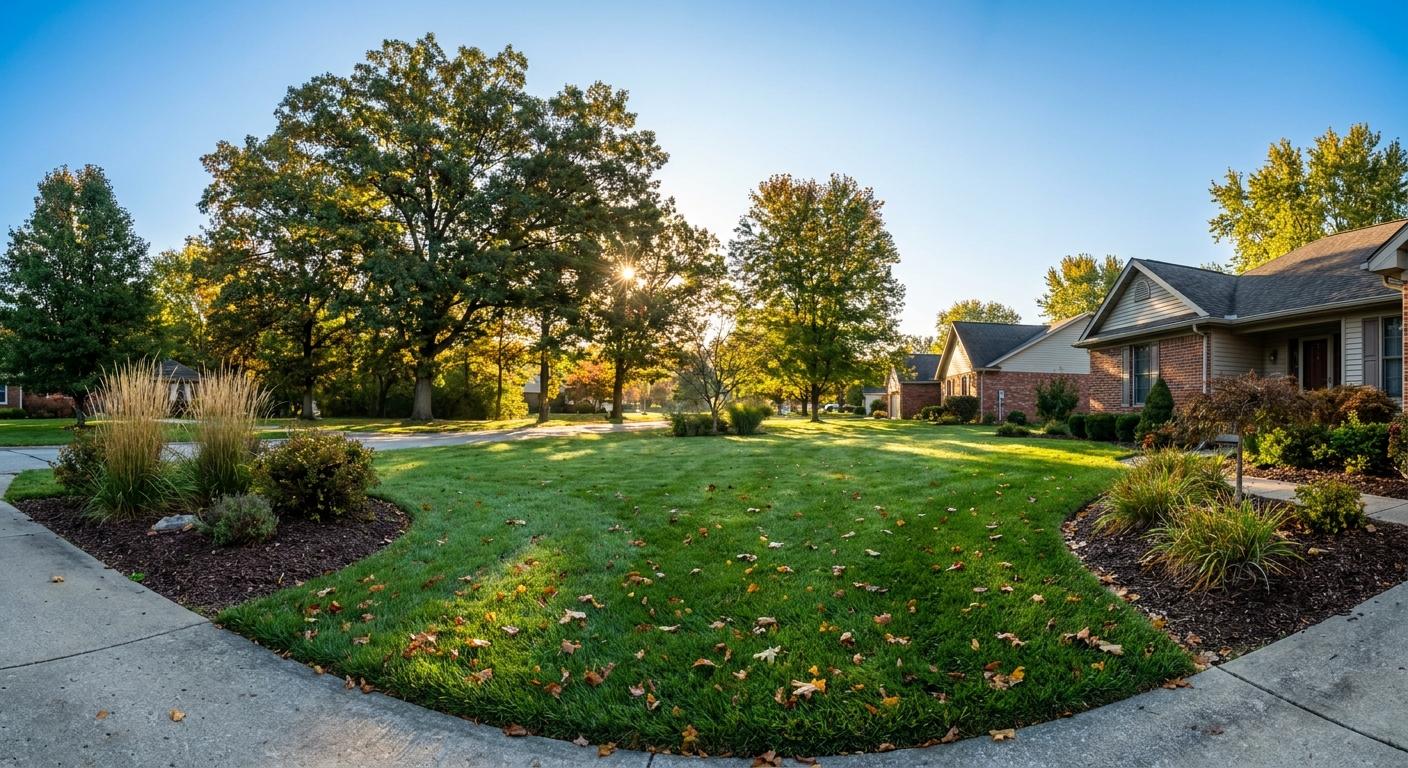
Fort Wayne's transition into winter demands careful lawn preparation to ensure your turf emerges healthy come spring. Between September and November, Northeast Indiana homeowners should focus on fertilizing, aerating, clearing debris, and adjusting mowing heights to protect grass roots from harsh winter conditions. Proper preparation now prevents bare patches, disease, and spring recovery headaches.
When Should You Start Winter Lawn Preparation in Fort Wayne?
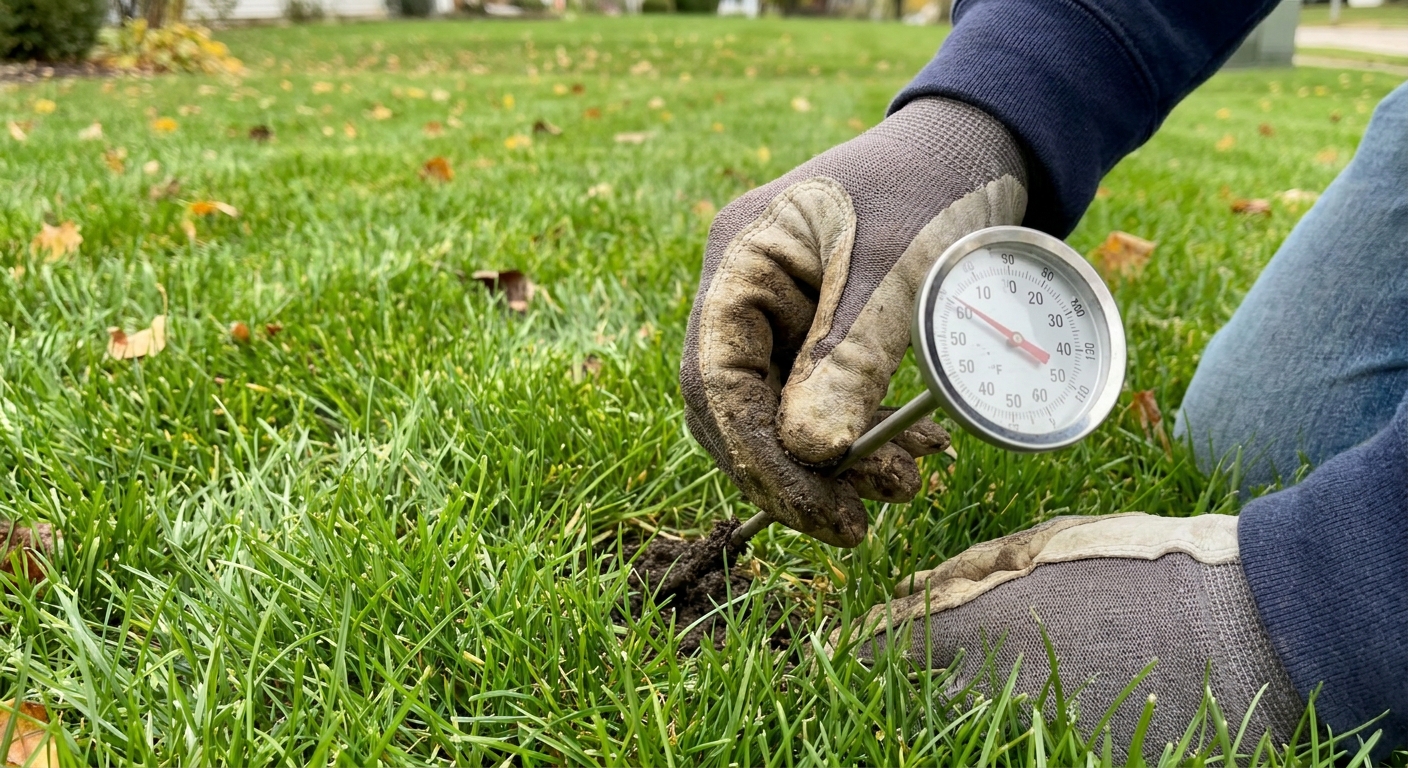
The ideal window for winter lawn prep in Northeast Indiana is late September through mid-November, before soil temperatures drop below 50°F. In Fort Wayne's USDA Zone 5b climate, this typically means starting in early fall and completing major tasks before Thanksgiving. Waiting too long means missing the critical growth window when cool-season grasses thrive most.
Your soil temperature is the key indicator. Cool-season grasses like fescue and bluegrass—common in Fort Wayne lawns—actively grow when soil temps hover between 50–65°F. This is when they absorb nutrients most efficiently and recover from summer stress. Start your preparation routine by early October to maximize effectiveness before winter dormancy sets in.
Why Is Fall Fertilization Critical for Fort Wayne Lawns?
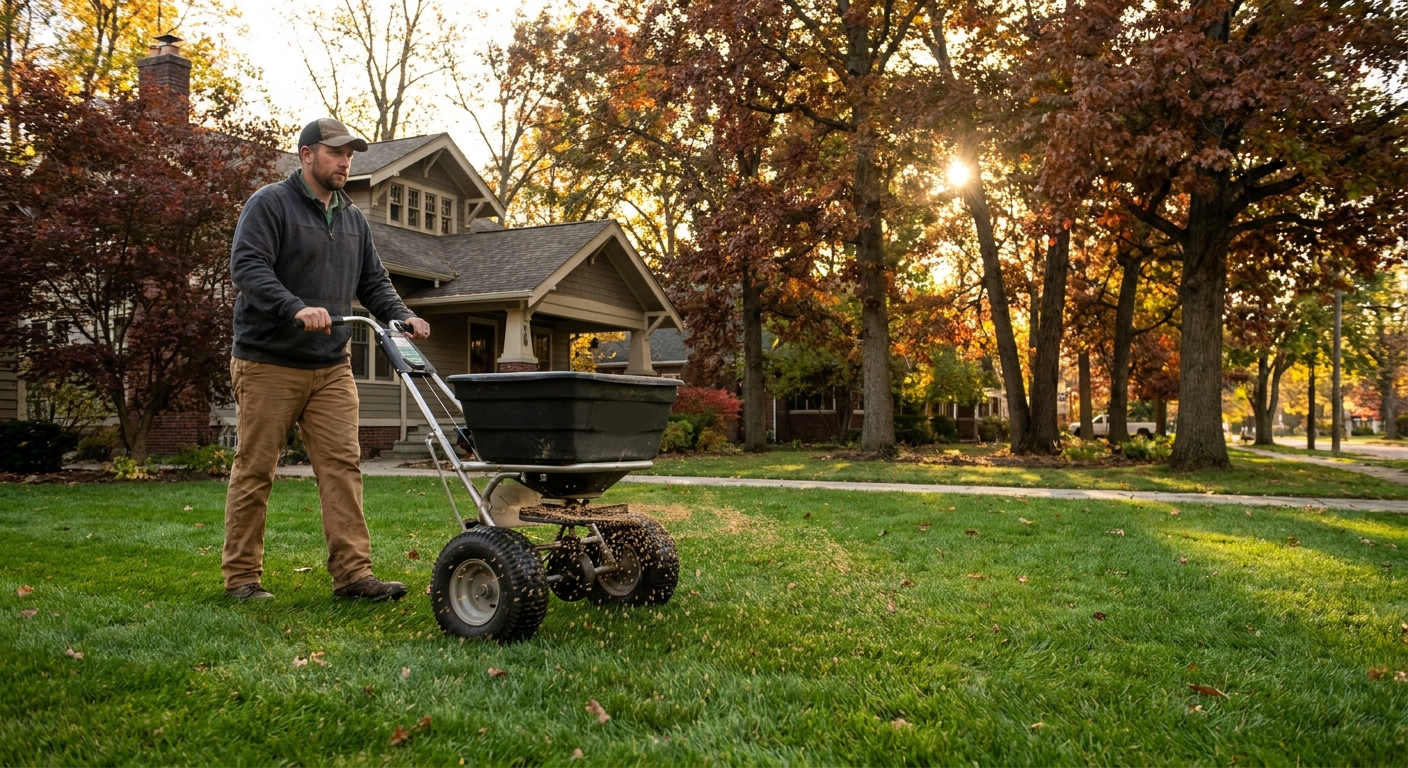
Fall fertilization is one of the most important steps Fort Wayne homeowners can take. A late-season fertilizer application strengthens root systems, builds carbohydrate reserves, and improves spring greenup. Unlike spring fertilization, fall feeding won't trigger excessive top growth—instead, nutrients go directly into the roots where your lawn needs them most heading into winter.
In Northeast Indiana's clay-heavy soil, nutrient uptake can be challenging. A quality fall fertilizer with higher potassium content helps grass withstand freeze-thaw cycles and salt exposure. Apply a slow-release formula in October or early November, after the summer heat stress has passed but while roots are still actively growing. This simple step can reduce winter damage by 30–40% compared to unfertilized lawns.
Fall fertilization isn't optional in Fort Wayne—it's the difference between a lawn that bounces back in spring and one that struggles with bare spots and thin coverage.
How Does Aeration Prepare Your Lawn for Winter?
Fall aeration is essential for Fort Wayne lawns dealing with compacted soil. By removing small cores of soil, aeration allows water, nutrients, and air to penetrate deeper into the root zone. This strengthens the entire plant and improves resilience against winter stress, ice damage, and spring diseases. In Northeast Indiana's heavy clay soil, aeration is practically mandatory for long-term lawn health.
The best time to aerate in Fort Wayne is late August through September, ideally a week or two before your fall fertilizer application. This timing allows the aeration holes to receive nutrients directly. Aerate when soil moisture is moderate—not bone dry and not waterlogged. Your lawn should recover quickly and show new growth within two weeks.
- Aeration reduces soil compaction from foot traffic and lawn equipment
- Improves oxygen availability to grass roots
- Enhances water infiltration and nutrient absorption
- Reduces thatch buildup that harbors winter diseases
- Promotes stronger root development heading into dormancy
What Role Does Leaf Removal Play in Winter Prep?
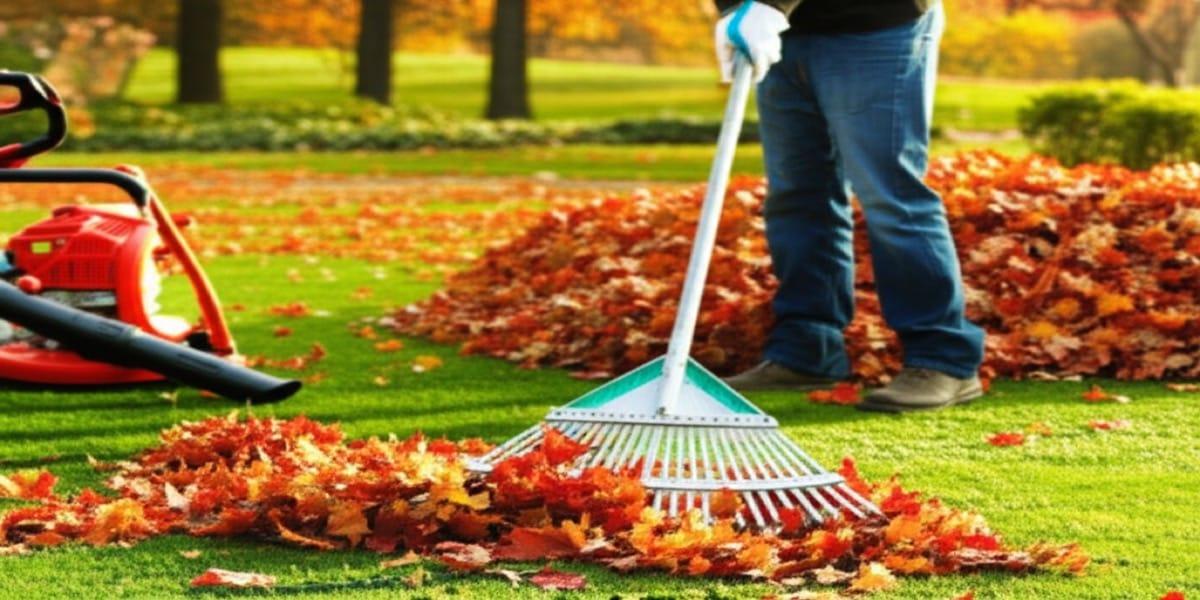
Clearing fallen leaves isn't just about aesthetics—it's a critical health step for Fort Wayne lawns. A thick leaf blanket smothers grass, blocks sunlight, traps moisture, and creates the perfect environment for fungal diseases like snow mold. Regular leaf removal throughout fall keeps your lawn healthy and prevents spring damage before winter even arrives.
Don't let leaves accumulate after heavy drops. In Fort Wayne's climate, removing leaves every 1–2 weeks during peak fall keeps your lawn breathing and allows it to harden off properly for winter. If you have a large property, professional leaf removal services make this task manageable and ensure complete coverage. Many homeowners combine leaf cleanup with mulch delivery to recycle those leaves into valuable garden material.
A thin layer of leaves (under an inch) can actually benefit your lawn by providing some insulation, but anything heavier creates problems. The goal is to keep grass blades visible and air circulation flowing across your turf.
Should You Adjust Your Mowing Height Before Winter?
Mowing height matters dramatically for winter survival in Northeast Indiana. As you approach winter, gradually lower your mower deck to 2–2.5 inches by your final fall cuts (usually late October or early November). This reduced height prevents matting under snow, reduces disease risk, and allows better spring greenup. Never cut lower than 2 inches in fall—grass needs adequate blade length to photosynthesize and store energy.
Most Fort Wayne homeowners make the mistake of letting grass grow tall into fall, thinking it provides insulation. Actually, tall grass mats down under snow and ice, trapping moisture and inviting fungal diseases. Plan your final mow for late October or early November, after growth has slowed but before the first hard freeze. Mulch your clippings back into the lawn—they contain valuable nutrients and help feed your soil.
- Continue regular mowing through September at normal height (3–3.5 inches)
- Lower your deck slightly in mid-October (3 inches)
- Make your final cuts at 2–2.5 inches in late October
- Stop mowing once grass goes dormant and stops growing
What About Gutter Cleaning and Winter Drainage?
Clean gutters aren't just about preventing ice dams—they protect your lawn too. Clogged gutters cause water to dump around your foundation and landscape beds, creating ice hazards and damaging hardscaping. Before winter, have your gutters cleaned professionally to ensure proper water drainage away from your home and lawn areas. This prevents water from pooling on your turf where it can freeze and damage grass.
In Fort Wayne, winter drainage problems compound quickly. Standing water on your lawn freezes solid and creates bare patches come spring. Ensure gutters direct water away from low-lying lawn areas, and check that downspout extensions carry water at least 4–6 feet from your foundation. Proper drainage in fall prevents costly spring recovery work.
Winter preparation for Fort Wayne lawns is an investment in spring beauty and health. Starting now with fertilization, aeration, proper lawn care, and cleanup means your turf will emerge vibrant and strong when warm weather returns. Don't wait—the ideal preparation window in Northeast Indiana is September through November. Request a free quote today to get your lawn winter-ready, or call us at (260) 927-5185 to discuss a customized fall maintenance plan.