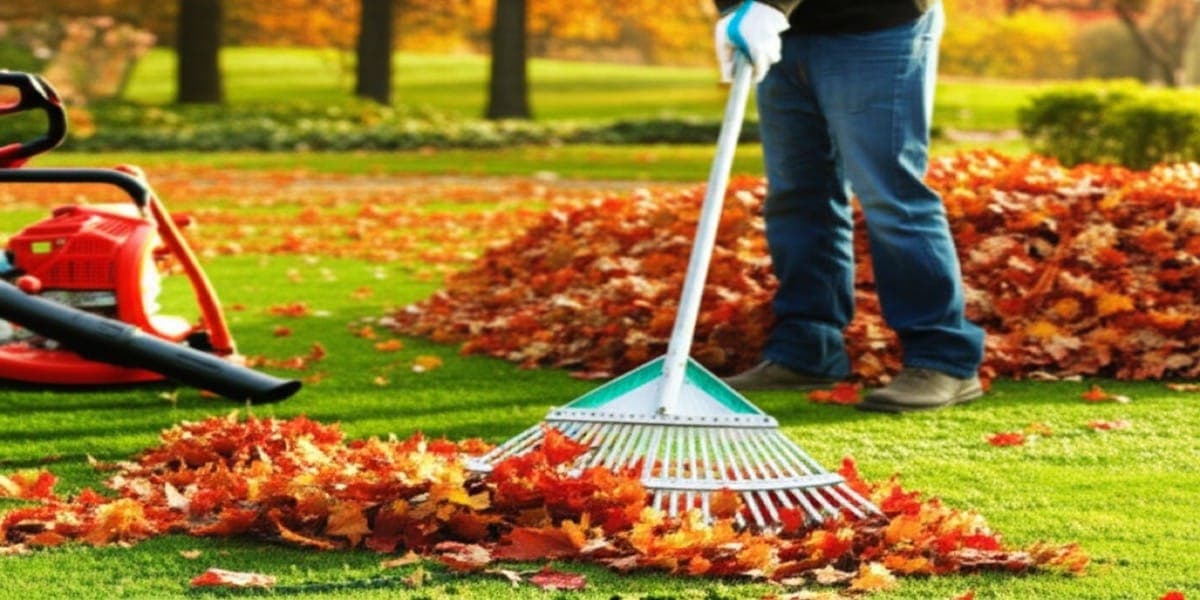
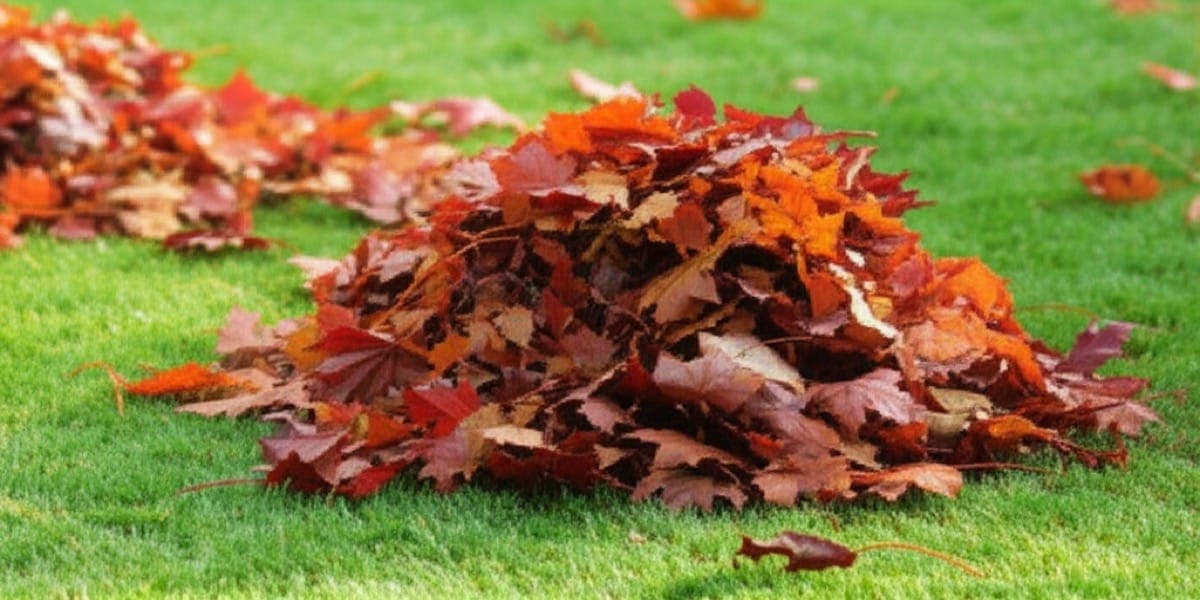
That beautiful blanket of fall leaves isn’t just an aesthetic issue—it’s actively harming your lawn. Left in place, leaves smother grass, trap moisture, promote disease, and create perfect conditions for lawn damage that shows up as dead patches in spring. Understanding why leaf removal matters helps you prioritize this essential fall task.

How Do Leaves Damage Your Lawn?
Leaves block sunlight, trap moisture, and create a mat that suffocates grass. Without light, grass can’t photosynthesize or store energy for winter. Trapped moisture promotes fungal diseases like snow mold. The physical barrier prevents air circulation and grass blade movement, leading to matting and death.
Leaf Damage Mechanisms
| Problem | How It Happens | Result |
|---|---|---|
| Light blocking | Leaves shade grass | Weakened, thin turf |
| Moisture trapping | Wet mat forms | Fungal diseases |
| Smothering | Physical barrier | Dead patches |
| Air restriction | No circulation | Disease promotion |
| Pest habitat | Protected environment | Insect/rodent damage |
What Is Snow Mold?
Snow mold is a fungal disease that develops under snow cover when leaves or debris trap moisture against grass. It appears in spring as circular patches of matted, dead grass—often gray (gray snow mold) or pink (pink snow mold). Prevention is far easier than treatment.
Snow Mold Facts
- Develops under snow
- Requires trapped moisture
- Worse under leaf cover
- Appears in early spring
- Can kill grass
Prevention:
- Remove leaves before snow
- Continue mowing until growth stops
- Avoid late fall nitrogen
- Don’t pile snow on lawn

How Quickly Do Leaves Cause Problems?
A thin layer of leaves for a few days won’t cause significant damage, but once leaves mat together and block light for 3-4 days, grass begins to stress. A thick layer for a week or more during fall can cause visible damage. Leaves under snow for months cause serious harm.
Timeline of Damage
| Duration | Condition | Expected Damage |
|---|---|---|
| Few days | Dry, thin layer | Minimal |
| 1 week | Matted, wet | Stress begins |
| 2-3 weeks | Thick, compressed | Yellowing, weakening |
| Under snow | All winter | Dead patches, disease |
When Should You Remove Leaves?
Remove leaves regularly throughout fall rather than waiting for all leaves to drop. Weekly removal prevents mat formation. Final cleanup should happen before the first significant snow. In Fort Wayne, this typically means keeping up through November.
Removal Schedule
Weekly during leaf fall:
- Prevents accumulation
- Easier to remove
- Less lawn stress
Final cleanup timing:
- Before first snow
- After most leaves have fallen
- Usually mid-to-late November
- Check forecast and adjust
What Are Your Leaf Removal Options?
Mulching with a mower works for light leaf cover. Raking and bagging handles heavier loads. Leaf blowers speed up collection. Professional services efficiently handle large volumes. Choose based on leaf quantity, lawn size, and your available time.
Method Comparison
| Method | Best For | Efficiency |
|---|---|---|
| Mulching mower | Light coverage | High |
| Raking | Small areas | Low-moderate |
| Leaf blower | Medium areas | Moderate-high |
| Leaf vacuum | All sizes | High |
| Professional service | Any situation | Highest |
Mulching vs Removal
Mulching works when:
- Leaf layer is thin
- You mow frequently
- Leaves are dry
- No disease concerns
Removal preferred when:
- Heavy leaf cover
- Wet, matted leaves
- Disease present
- Aesthetic preference

Is Mulching Leaves Into the Lawn OK?
Yes—when done correctly. Mulching returns nutrients to the soil and is more sustainable than removal. The key is keeping up with it: mulch frequently so you’re never grinding through thick layers. Leaves should be chopped fine enough to filter down to soil level.
Mulching Best Practices
- Mow frequently: Don’t let leaves accumulate
- Use mulching blade: Chops finer than standard
- Multiple passes: If needed for heavy coverage
- Dry conditions: Wet leaves clump and mat
- Check results: Grass should be visible after
What About Leaves in Garden Beds?
Leaves in beds are different than leaves on lawns. A moderate layer of whole leaves makes good mulch for beds, protecting plants and enriching soil as they decompose. However, thick layers can smother perennials, and wet leaves against crowns cause rot.
Bed Leaf Guidelines
Beneficial:
- 2-4 inch layer as mulch
- Around established shrubs
- In dormant beds
- Chopped or shredded preferred
Problematic:
- Thick, matted layers
- Against plant crowns
- On tender perennials
- Wet, compacted piles
How Do Professionals Handle Large Volumes?
Professional leaf removal services use commercial equipment—powerful backpack blowers, truck-mounted vacuums, and large-capacity trailers—to efficiently handle volumes that would take homeowners days. For properties with many trees, professional service is often the most practical option.
Professional Advantages
- Commercial equipment
- Efficient techniques
- Proper disposal
- Recurring service options
- Time savings
Our leaf removal services keep Fort Wayne lawns healthy through fall.
Request a Free Quote or call us at (260) 450-4676 for leaf removal service.
Frequently Asked Questions
How many times should I remove leaves in fall?
Weekly removal during peak leaf fall prevents problems. Some properties need 4-6 cleanups; others need 2-3 depending on tree coverage.
What if I miss fall cleanup?
Remove leaves as soon as possible in spring before growth begins. Damage may already be done, but removing debris helps recovery.
Can I just blow leaves into the woods?
Check local regulations. Many areas allow this, but concentrated leaf piles can smother vegetation and create drainage issues.
Adam Minnick is the owner of Minnick Lawn & Landscaping, serving Fort Wayne, Auburn, and Northeast Indiana since 2018.