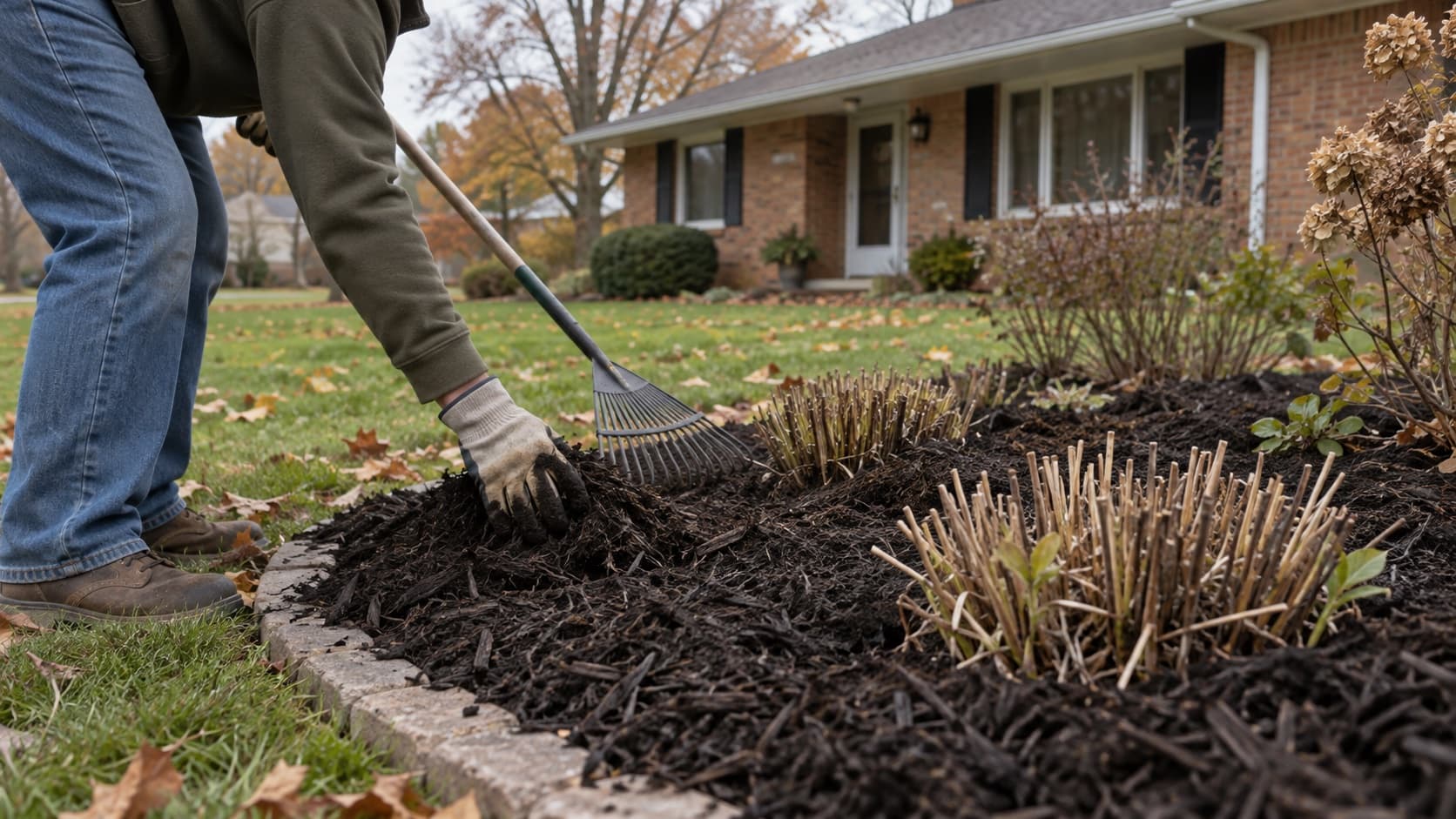
Fresh mulch being added to garden bed in Fort Wayne

Mulch does important work: suppressing weeds, retaining moisture, moderating soil temperature, and improving soil as it decomposes. But as mulch breaks down and thins, its effectiveness diminishes. Knowing when to refresh ensures your beds stay healthy and attractive.

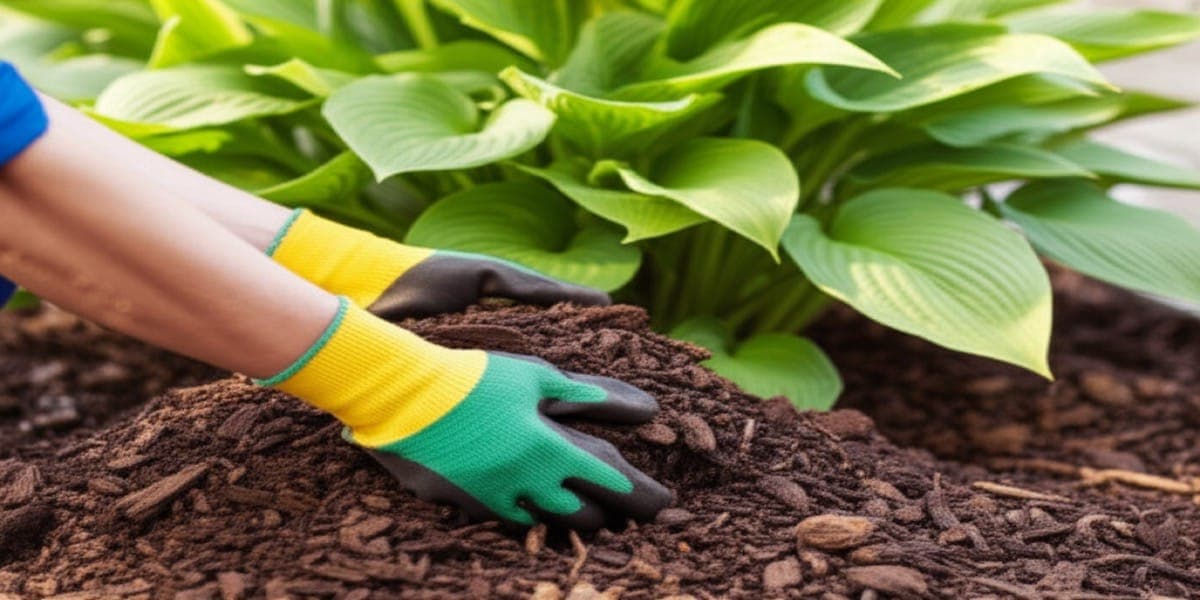
Garden bed with fresh mulch application

How Often Should You Refresh Mulch?

Most organic mulches need refreshing annually to maintain adequate depth and appearance. Complete replacement is typically needed every 2-3 years as material fully decomposes. The right schedule depends on mulch type, weather conditions, and personal standards for appearance.

Refresh Schedule by Mulch Type

Mulch TypeRefresh/Top-OffFull Replacement
HardwoodAnnually2-3 years
CedarEvery 1-2 years3-4 years
Pine barkAnnually2 years
ColoredAnnually (fading)2-3 years
StoneRarelySeldom needed

How Do You Know Mulch Needs Refreshing?

Visual cues indicate when mulch needs attention: visible soil between mulch pieces, significant color fading, depth below 2 inches, or mulch that’s decomposed into soil-like material. If you’re seeing weeds push through easily, the mulch isn’t doing its job.

Signs Mulch Needs Refreshing

Appearance issues:

  • Faded, gray color
  • Thinning/bare spots
  • Visible soil
  • Scattered, uneven coverage

Functional issues:

  • Weeds emerging easily
  • Soil drying quickly
  • Mulch depth under 2"
  • Decomposed to soil-like texture

The Newspaper Test

Place a section of newspaper on bare soil, then check your mulch: if it’s thinner than the newspaper at its thickest (about 1/4"), you need more mulch.

Faded mulch showing signs of needed refresh

When Is the Best Time to Mulch?

Spring (after soil warms) and fall are ideal mulching times. Spring mulching follows cleanup and bed preparation. Fall mulching protects plants heading into winter. Avoid mulching too early in spring when soil is cold—let it warm first.

Seasonal Timing

SeasonTimingPurpose
SpringApril-MayAfter cleanup, before heat
SummerIf neededAddress bare spots
FallOctober-NovemberWinter protection
WinterAvoidTraps cold in soil

Spring Mulching Steps

  1. Complete bed cleanup
  2. Pull weeds
  3. Edge beds crisply
  4. Apply pre-emergent if using
  5. Add fresh mulch to 2-3" depth

What Happens If You Don’t Refresh?

Neglected mulch fails progressively: weeds increase, moisture retention decreases, temperature moderation suffers, and beds look unkempt. Eventually the mulch decomposes entirely, leaving bare soil and struggling plants.

Consequences of Neglect

Time Without RefreshResult
1 yearFading, thinning, more weeds
2 yearsInadequate coverage, soil visible
3+ yearsEssentially no mulch, full weed growth

Should You Remove Old Mulch First?

Generally no—decomposing mulch improves soil. Add new mulch on top of existing unless the old mulch is matted, moldy, or excessively deep. If total depth would exceed 4 inches, remove some old mulch first.

When to Remove Old Mulch

Remove if:

  • Depth already 3-4 inches
  • Mulch is matted/water-repellent
  • Fungal problems present
  • Pest issues detected
  • Material is compacted

Add on top if:

  • Depth is under 2 inches
  • Old mulch is loose and draining
  • No disease/pest issues
  • Normal decomposition

Removal Process

  1. Rake aside from plant bases
  2. Remove excess (compost it)
  3. Leave thin layer
  4. Add fresh mulch
  5. Total depth: 2-3 inches

Adding fresh mulch layer to garden bed

How Much Mulch Do You Need for Refreshing?

Refreshing requires less mulch than initial application since you’re topping off, not starting from scratch. Measure current depth, determine how much you need to reach target depth, and calculate accordingly.

Refresh Amounts

Current DepthTarget DepthAdd
1"3"2" layer
1.5"3"1.5" layer
2"3"1" layer

Quick Estimate

For refreshing (adding 1-2"), plan roughly half the mulch you’d use for full coverage.

Why Does Mulch Fade?

Sun exposure breaks down the dyes in colored mulch and bleaches natural mulch. The color change is cosmetic—faded mulch still functions but looks less attractive. Cedar and cypress resist fading longer than dyed mulches.

Fade Resistance

Mulch TypeFade Resistance
CedarGood (natural oils)
CypressGood
Colored (cheap)Poor (1-2 months)
Colored (quality)Moderate (6-12 months)
Natural hardwoodModerate

What Are Signs of Mulch Problems?

Beyond normal aging, watch for signs of problems: fungal growth (sour smell, artillery fungus), pest activity, water-repellent surface, and excessive depth building up over years.

Problem Signs

IssueSignsSolution
Sour mulchAmmonia smell, yellow/grayRemove, replace
Artillery fungusBlack dots on sidingRemove, avoid bark mulch
Water repellentWater beads on surfaceBreak up, add new
Excessive depthOver 4" accumulatedRemove excess

Our mulch delivery services help Fort Wayne homeowners maintain beautiful beds.


Request a Free Quote or call us at (260) 450-4676 for mulch delivery and installation.


Frequently Asked Questions

Is it bad to mulch every year?

No—annual refreshing is ideal for most beds. Just don’t let total depth exceed 4 inches. Remove some old mulch if necessary.

Can I mulch in summer?

Yes, though spring is ideal. Summer mulching helps retain moisture during hot, dry periods.

Does mulch color affect plant health?

No—color is aesthetic. Choose based on appearance preference and fade resistance.


Adam Minnick is the owner of Minnick Lawn & Landscaping, serving Fort Wayne, Auburn, and Northeast Indiana since 2018.